
Electricity Tariff Suspension in Mogalakwena: What R100 to R200 Hike Pause Means for Your Energy Bills and South Africa’s Fair Pricing Future
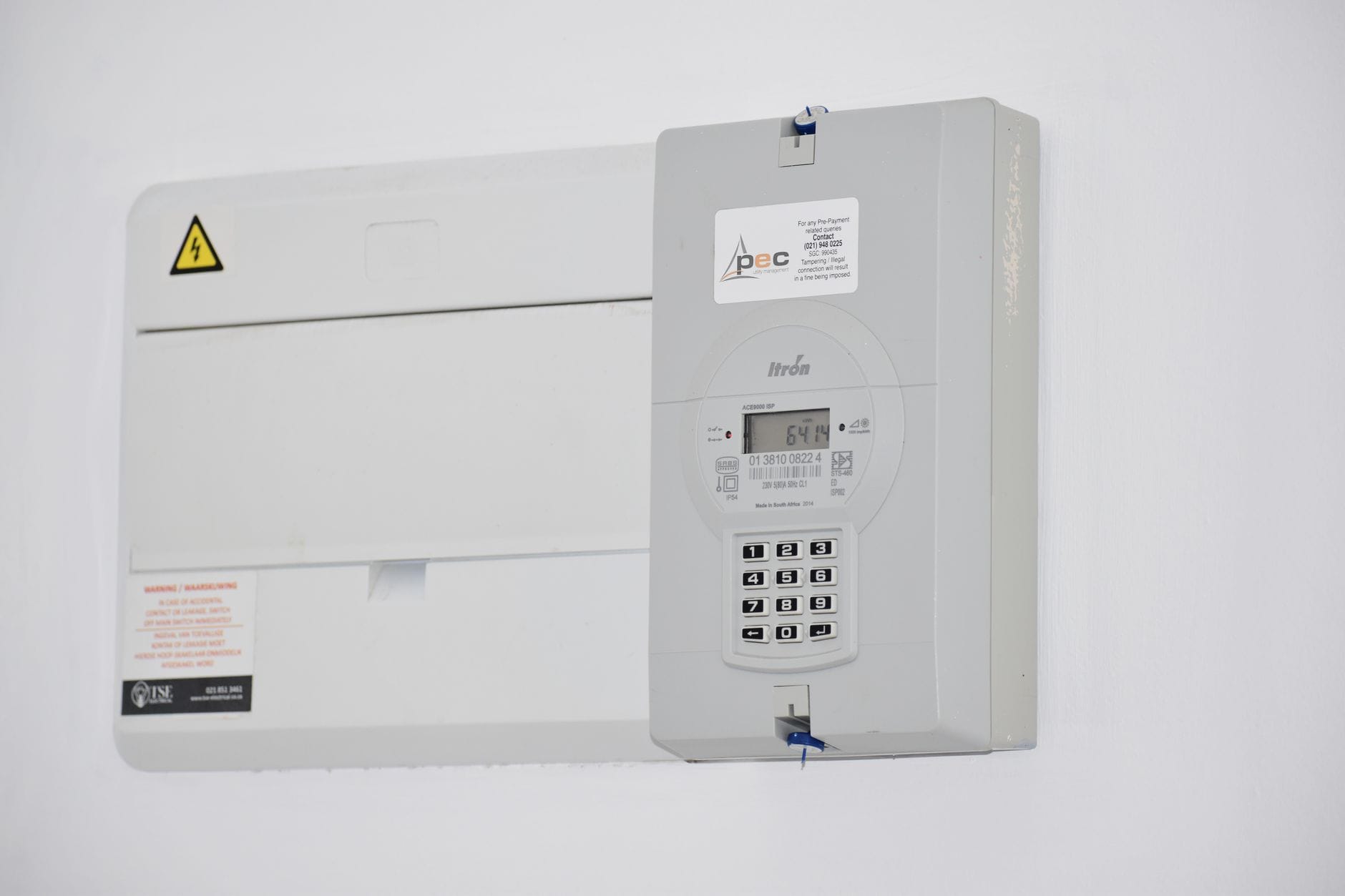
Mogalakwena, Limpopo Province, South Africa: MMN Correspondent: In early July 2026, the Mogalakwena Local Municipality made a decision that caught the attention of energy watchers across South Africa. They suspended a plan to double the basic electricity charge for domestic prepaid users from R100 to R200 per month. For a community where over 70% of households rely on prepaid meters, this pause offered immediate relief. But the bigger question remains: what comes next for fair energy pricing in rural and semi-urban areas?
The proposed hike had stirred strong reactions from residents, civic groups, and political parties. Families in Mogalakwena already face inflation, unemployment, and rising costs of living. An extra R100 each month on electricity would have pushed many deeper into financial strain. The Freedom Front Plus, a party focused on service delivery and consumer rights, welcomed the suspension as a necessary step. They see it as a chance to reset how tariffs are designed and communicated.
Yet the party also issued a clear message: relief should not lead to hidden costs elsewhere. Municipalities must not try to recover lost revenue through new levies or unexplained charges. Any new tariff structure must follow the guidelines of the National Energy Regulator of South Africa (NERSA). That means transparency, fairness, and real public input before any changes take effect.
A deeper issue lies in how the municipality classifies certain consumers. Some agricultural users, including small scale farmers, are placed under industrial tariff codes. Under the current approved schedule, these farms face a fixed monthly service and administration fee of R4,385. On top of that come network, capacity, and other operational charges. Even though the energy rate is R1.7517 per kWh, that part makes up only a small portion of the total bill. For subsistence farmers, this structure feels disproportionate and unsustainable.
What makes this even more puzzling is the lack of clear reasoning behind these classifications. Why are some farms labeled as industrial while others are not? The official tariff schedule offers no public explanation. This opacity erodes trust. Farmers cannot challenge or even understand their bills. They are left in a fog of uncertainty, wondering if the charges are fair or even legal.
Additional levies add to the confusion. Estate duties, municipal surcharges, and infrastructure recovery fees appear on bills without context. Residents have no way to verify what these charges cover or whether they are justified. Without proper disclosure, holding the municipality accountable becomes nearly impossible.
The Freedom Front Plus has called for an independent review of Mogalakwena’s entire tariff structure, with special attention to agricultural classifications. They insist on a comprehensive cost of supply analysis. This would help ensure that tariffs reflect actual service delivery costs, not arbitrary or punitive assessments. Such a review could identify inefficiencies, reduce cross subsidization distortions, and create a fairer distribution of costs across different consumer groups.
This situation is not unique to Mogalakwena. Across Limpopo and other provinces, similar problems emerge. Outdated or poorly designed tariff structures fail to account for regional economic realities. Many municipalities lack dedicated agricultural tariffs, leading to misclassification of farming entities. The result is skyrocketing electricity bills that threaten livelihoods. Recent data from the Department of Public Enterprises shows that over 30% of rural municipalities in South Africa struggle to align tariffs with local socioeconomic conditions.
The broader implications go beyond one municipality. This case highlights systemic weaknesses in how electricity tariffs are determined and enforced across the country. In areas where governance is weak, accountability is low, and community engagement is minimal, the principle of affordability first remains a distant goal. Decisions made behind closed doors, without consultation or impact assessments, undermine public trust.
As South Africa deals with rolling blackouts, aging infrastructure, and growing demand, the need for sustainable and equitable energy policies becomes more urgent. The Mogalakwena suspension serves as both a cautionary tale and a call to action. Utility reforms must prioritize transparency, inclusivity, and justice. Municipalities cannot treat electricity as a profit center. It is a fundamental service essential to human dignity and economic resilience.
Looking ahead, the Freedom Front Plus has pledged to stay vigilant. They plan to advocate for legislative reforms that require public hearings, third party audits, and standardized tariff disclosure requirements for all municipalities. Only through such measures can citizens gain confidence in the systems that govern their daily lives.
For now, the temporary pause in the basic electricity charge hike offers a glimmer of hope. But the real test lies in what happens next. Will Mogalakwena use this moment to rebuild trust through genuine reform? Or will it revert to old patterns of opaque decision making? As the national conversation intensifies, the spotlight remains on how power both literal and political is distributed in modern South Africa.
Related in Politics
Politics
Poland’s Political Crossroads: Why Konfederacja Is Pushing for a State Tribunal Trial Over Ukraine Policy
Poland’s political landscape is heating up as the far-right coalition Konfederacja demands that former Minister of Justice Paweł Kosiniak-Kamysza face a State Tribunal trial. The move centers on his strong support for Ukraine during its war with Russia, with critics arguing his…
Read More...
Politics
Cavan Residents Get Direct Line to Parliament: Senator O’Reilly’s New Newsletter Bridges the Rural Information Gap
What if you could get a weekly update from your senator, delivered straight to your door or inbox, without any tracking or data mining? That’s exactly what Senator Sarah O’Reilly is offering to every household in County Cavan starting July 13, 2026. The initiative, announced on…
Read More...
Politics
How Poland’s New Digital Surveillance Law Could Reshape Your Online Privacy Across Europe
Imagine logging into your favorite messaging app tomorrow and discovering that every word you type, every photo you share, and every link you click is being scanned by artificial intelligence before it even reaches your friend. That scenario is no longer hypothetical. It is now…
Read More...
Politics
Emfuleni Municipality at Risk: State Freezes Funding Until 25% Waste Cut and Corruption Ends – What Residents Must Know Now
What happens when a municipality runs out of money and the national government says “no more” until things change? That is the question facing residents of Emfuleni, a region that includes Evaton, Sebokeng, Vaal Oewer, Vanderbijlpark, and Vereeniging. On July 9, 2026, the Nation…
Read More...
Politics
Volkswagen Faces 100,000 Job Cuts: Is Germany’s EV Dream Crumbling?
Deep in the heart of Germany’s industrial belt, a quiet storm is brewing. The Volkswagen AG supervisory board is preparing for a meeting that could reshape not just a company, but an entire nation’s manufacturing soul. Four German factories may close. Up to 100,000 jobs could va…
Read More...
Politics
Are Mandatory iPads in Irish Schools Worth the Cost? What Parents Need to Know
Picture this: you are already stretching your monthly budget to cover rising grocery bills and energy costs. Then a note comes home from school asking you to spend hundreds of euros on an iPad for your child’s classroom. For families across Ireland, this scenario is becoming inc…
Read More...
Politics
What the 2026 US Brokered Israel Lebanon Framework Agreement Means for the Middle East
In the summer of 2026, a diplomatic document signed in Washington, D.C., has set the Middle East ablaze with debate. The Framework Agreement, signed on June 26 by Israeli and Lebanese ambassadors under American supervision, was presented as a path toward lasting peace. Instead,…
Read More...
Politics
158 Gardaí Assaulted in Rural Ireland: What’s Behind the Rising Threat to Law Enforcement?
Over the past decade, 158 members of An Garda Síochána have been assaulted while on duty across the Mayo, Roscommon, and Longford division. That’s not just a number. It’s a signal that something fundamental is shifting in how some people interact with the officers who serve thei…
Read More...
Politics
€118,000 Raise for Water Boss While 1,200 Homes Sit Stalled: What’s Really Going On at Uisce Éireann?
Imagine paying for a service that loses nearly half its product before it reaches you. Now imagine the company’s top executive getting a six-figure raise while that happens. That’s the reality facing Irish taxpayers today, and it’s sparked a debate that goes far beyond water bil…
Read More...
Politics
Poland's Defense Dilemma: How $7 Million Missiles Sent to Ukraine Could Leave the Nation Vulnerable Until 2029
What happens when a nation’s most advanced defense systems are quietly shipped across its borders without parliamentary approval? That’s the question rattling Poland’s political and military establishment right now. Reports have surfaced that Poland’s prized PAC-3 MSE intercepto…
Read More...