
67 Lives, One Viral Message: What You Should Know About the Ceuta Migrant Surge
We compile, generate and translate using Artificial Intelligence from the below given source. Macro Micro News is responsible for its editorial publication.
Ceuta, Spain, MMN Correspondent: In August 2026, a small set of videos thrust Ceuta into the center of a European migration debate. The Spanish enclave on Africa's northern coast became the landing point for thousands of people who followed an online claim that Spain was open. The message spread quickly across TikTok, Instagram, and X. Wetsuit-clad figures jumped into rough water shouting 'Spain is Open!' while other clips showed crowds moving through Ceuta's streets with hope in their eyes. Many of the accounts sharing these videos were only weeks old, yet their content earned tens of thousands of likes and shares.
Traditional smuggling networks were not part of this story. The catalyst was entirely digital. What happened next became a lesson in influence. People arrived expecting shelter and a route forward. On the ground there was no food, no housing, no path to mainland Europe. Most turned back within hours, tired and disappointed. At least 67 people did not return at all. Their bodies were found along the coast, some still holding pieces of plastic flippers or torn clothing.
Spanish Prime Minister Pedro Sánchez called the episode a manufactured crisis. He noted that Spain had already closed its regularization program for undocumented migrants, a policy meant to integrate workers into the formal economy. The people arriving were not looking for paperwork. They were responding to a promise that did not exist.
Spain's Supreme Court had recently ruled that people arriving by sea could not be pushed back immediately. The ruling was designed to protect human rights. Some critics argue it made risky crossings seem safer. The court never promised entry. It simply required due process.
The political reaction moved quickly. Italy's Prime Minister Giorgia Meloni suspended her country's participation in the Schengen free movement arrangement with Spain, citing national security. Her party shared images from Ceuta's streets with pointed messages aimed at Sánchez. Many observers connected the move to Italy's 2027 election cycle, where Meloni's coalition faced pressure from a rising anti-immigration party.
Around the European Union, nearly two dozen heads of state signed an emergency statement calling for the removal of policies perceived as pull factors. Spain's temporary residence and work permits for undocumented migrants were a particular target. Those measures had long served a practical purpose. With more than 15 percent of its population aged 65 or older, Spain needs foreign workers in agriculture, construction, and healthcare. The Ceuta arrivals had little to do with labor demand. They came because a digital narrative told them to.
International actors added layers of complexity. Former U.S. President Donald Trump, positioning for the 2028 election, described the events as evidence that uncontrolled borders carry risks. Russian state media used the scenes to question the stability of democratic governance. Morocco denied any role and blamed criminal organizations. Analysts noted that Moroccan border guards seemed aware of the buildup and did little to prevent it.
Relations between Madrid and Rabat had already cooled over the Western Sahara dispute. In 2024, Spain's recognition of the Sahrawi Arab Democratic Republic led to a brief collapse in diplomatic ties. Morocco considered that a betrayal. Sánchez continued to call Morocco a 'good ally.' His critics felt a stronger stance was needed.
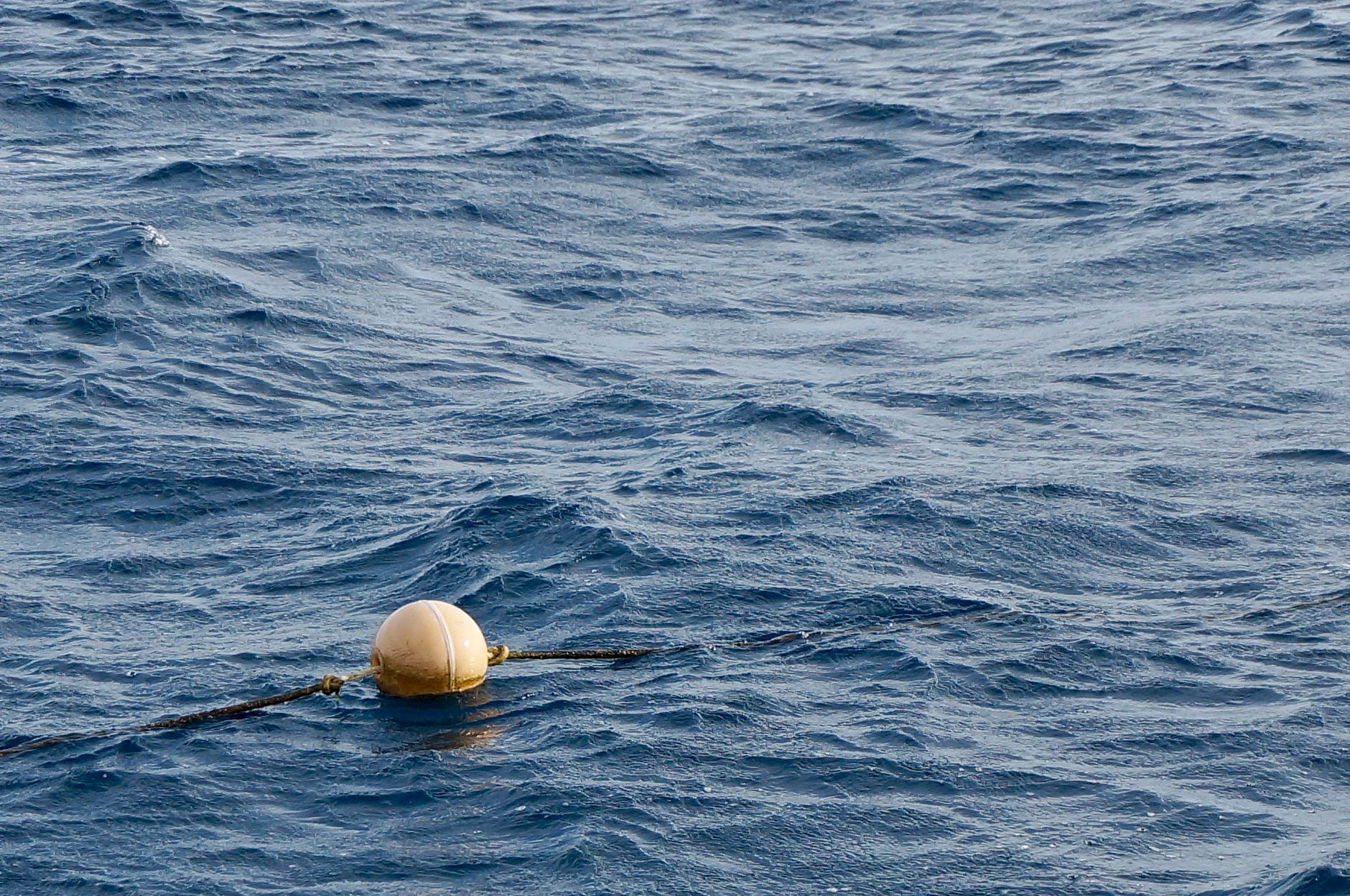
Spain's response has been practical. The border fence in Ceuta now extends into the sea, with orange buoys anchored along the jetty. Patrol vessels monitor the area around the clock. Random document checks have been introduced on routes between Spain and Italy for several weeks, creating a clearer picture of movement inside the continent.
European interior ministers are scheduled to meet next week to discuss stronger external borders. Populist parties across the continent, already energized by earlier migration waves, see this moment as a chance to push for stricter asylum rules and enforcement. Their influence is growing.
The Ceuta story is about migration, trust, and the power of information. This could be the first mass migration event shaped by digital misinformation. The usual drivers, war and poverty, were absent. In an era where a single video can move crowds across a border, the line between reality and fiction matters more than ever. Experts warn that without coordinated action to counter online disinformation and strengthen border resilience, similar events will recur.
As Spain rebuilds its defenses and its image, one question remains. When the next viral message appears, will the world be ready, or will another generation follow the same path into the sea?
Related in Global Trend
Politics
Europe's Competitiveness Comeback: 6 Battlegrounds Every Business Leader Must Watch
What happens when the old economic certainties fade? You build new ones. Ursula von der Leyen took the stage at La Rencontre des Entrepreneurs de France, held at Roland Garros, and delivered a straightforward message to business leaders: Europe will produce, invest and protect.…
Read More...
Scientific Research
See the Ocean Breathe: Sentinel-6B Tracks El Niño and Rising Sea Levels Across 90% of Earth
. Hundreds of miles above Earth, satellites are watching the ocean breathe. The surface rises and falls with warmth, and those small changes tell a huge story about the planet. Sentinel-6B joined that story in November 2025, and it is already showing what a single satellite can…
Read More...
Politics
Europeans, Electrification Is Europe's Way Out After Two Energy Crises. Here's the 46% by 2040 Plan
Can Europe ever feel truly secure about its energy future? After two major energy crises in five years, that question is front and center. European Commission President Ursula von der Leyen used her video address to the Offshore Northern Seas conference in Stavanger to deliver a…
Read More...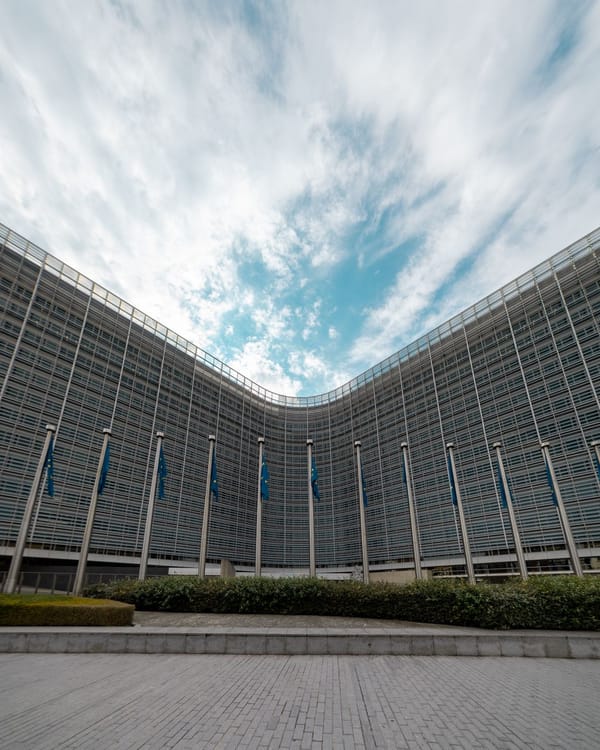
Politics
European Commission’s Major Decisions: €4.5M Fuel Aid, Pratt & Whitney Case, LNG Shipping, Ukraine’s 35th Independence Day – What They Mean for You
One decision could ease the pressure on fishing businesses dealing with expensive fuel. Another might give aircraft maintenance providers more freedom to source used parts. Then there’s a new LNG shipping venture, a day of remembrance, and a huge vote of confidence in Ukraine. A…
Read More...
Global Trend
EPAC 2026 Enrolment Open Until 15 September: Which Modular Patent Administration Exam Module Will You Pass First?
The next European Patent Administration Certification (EPAC) examination is set for 5 November 2026, with enrolment open until 15 September. This year brings a major change. The examination is fully modular. Each successfully completed module leads to an EPO Diploma, and candida…
Read More...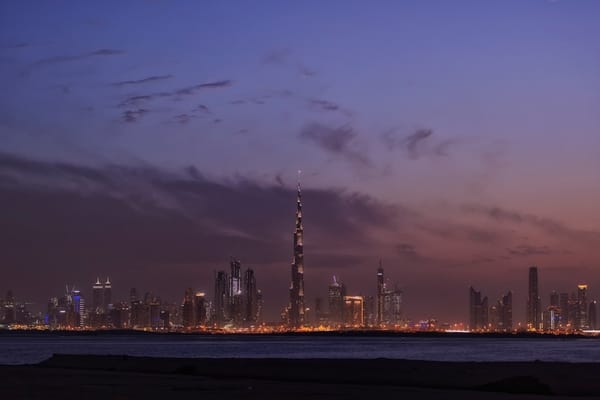
Global Trend
ATM 2026: Experience-Led Growth Is Transforming Middle East Hospitality. Are You Ready?
What does the next era of Middle East hospitality look like? The answer will take shape at Arabian Travel Market 2026, where the region’s hotel leaders, investors and technology pioneers gather from 14 to 17 September at Dubai World Trade Centre. The theme “Travel 2040: Driving…
Read More...
Global Trend
Planning a Festive Escape? Anguilla Named No. 1 Caribbean Destination for 2026 by Virtuoso
If you are planning a festive escape, this is a name you need to know. Virtuoso has just placed Anguilla at the top of the Caribbean for festive travel, and the news carries serious weight. The island is now ranked No. 1 in the region and No. 3 globally for the 2026 holiday seas…
Read More...
Global Trend
Canada in Autumn: 5 Quaint Towns, Harvest Festivals, and Food Trails You'll Want to Explore This Fall
Autumn in Canada shows up with arms full of red and gold. The nights get cooler, the air smells like wood smoke, and small towns suddenly have something to celebrate. If you're planning a fall trip, this is the season to hit the road and explore vineyards, harbours, farm fields,…
Read More...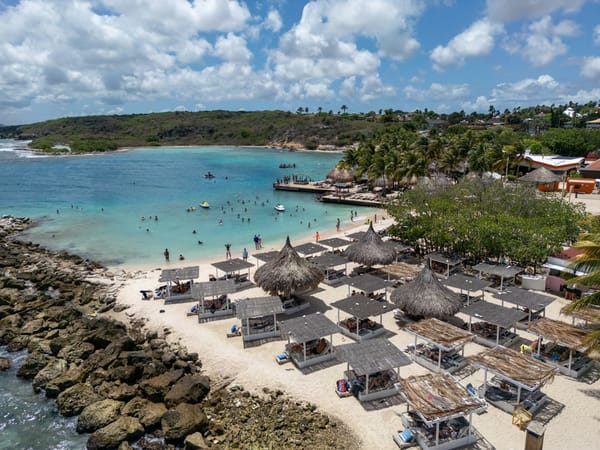
Global Trend
Where Do $40 Billion in Caribbean Tourism Dollars Really Go? CHTA and FIU Launch Landmark Study
Tourism has long been the beating heart of the Caribbean economy. A pressing question continues to hover over the region: how much of the money visitors spend actually stays in Caribbean communities? A new partnership between the Caribbean Hotel and Tourism Association (CHTA) an…
Read More...
Global Trend
Discover Ancient Blessings and Modern Elephant Science at World Elephant Day 2026 in Thailand’s Golden Triangle
World Elephant Day has become one of the most important dates on the conservation calendar. Every 12 August, the global community looks closely at the challenges elephants face and the people who care for them. In 2026, Anantara Golden Triangle Elephant Camp & Resort turned the…
Read More...