
Beyond GDP: The $20 Trillion Reason to Put Nature on the Nation’s Balance Sheet
We compile, generate and translate using Artificial Intelligence from the below given source. Macro Micro News is responsible for its editorial publication.
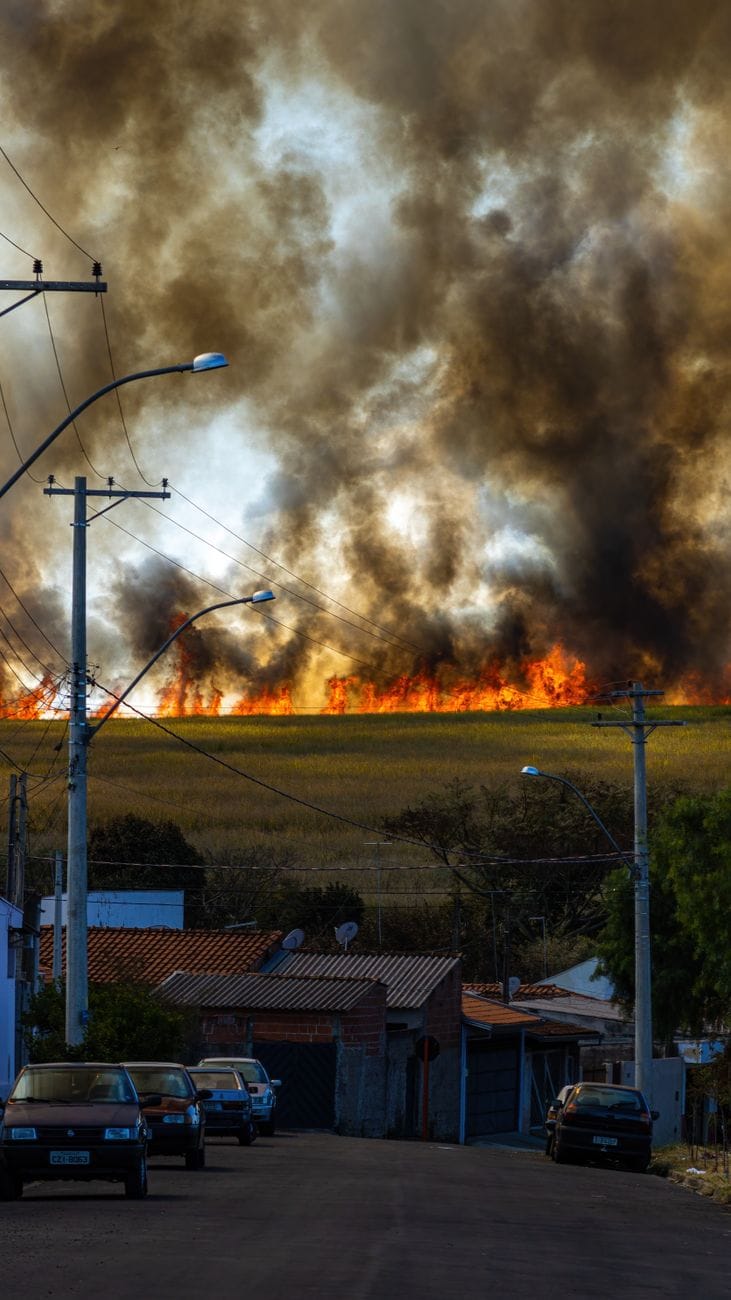
Nairobi, MMN Correspondent: What makes a nation truly rich? For decades, the answer has been one number: gross domestic product. That number shapes your taxes, your job market, and your government’s priorities. A quieter shift is taking shape in economic circles, one that may change how prosperity is understood. The idea is to put nature itself on the balance sheet.
The story begins in 1934. Simon Kuznets, later a Nobel laureate, presented a paper to the US Congress with a simple goal: measure the nation’s economic output after the Great Depression. The tool he created became GDP. It gave governments a clear way to track production, trade, and consumption. Kuznets himself was careful. He wrote that a nation’s welfare can “scarcely be inferred from a measure of national income.” That caution was stored away, and GDP grew into the world’s most influential statistic.
Today, GDP sits at the center of policy. Election campaigns rise and fall with quarterly growth figures, and fiscal plans aim to keep the number climbing. Alongside this focus, another kind of wealth has remained largely invisible. The forests that filter water, the wetlands that absorb floods, the soils that grow food, and the insects that pollinate crops all contribute to economic life. They appear nowhere in GDP. They simply support every column that does.
The signals from the planet are getting clearer. In 2025, the UN Environment Programme published an assessment of climate risks and economic prosperity. The report found that continued climate change could reduce global GDP by up to 20 percent by 2100. That finding does not include the added human stories behind the numbers, such as communities redesigning their coastlines or farmers replanting after droughts. It points directly to an opportunity: protecting natural systems is also protecting economic stability.
Steven Stone grew up in the 1970s and 80s among the hardwood forests of the northeastern United States. Those woods left a lasting impression on him. Today, as acting director of UNEP’s Office of Science, he sees a clear connection between personal experience and public policy. “With every forest we clear cut and every ounce of fossil fuel we burn, GDP rises,” Stone says. “Through those actions, we are whittling away at the natural world, which supplies us with food, water, medicine, clean air, and countless other essentials.”
The answer, many economists believe, lies in natural capital accounting. This method gives monetary value to the services provided by nature. It makes the invisible visible. A forest becomes more than timber. It becomes a water purifier, a carbon store, and a home for wildlife. Strip-mining a mountain may lift short-term income. The full transaction also includes lost biodiversity, lower water quality, and reduced carbon storage. With natural capital accounting, those costs enter the conversation.
Some ask whether it is right to put a price on a species or a landscape. That is a fair question. Stone points out that GDP itself took years of refinement. Natural capital accounting is younger, and its methods are still maturing. It has already moved from theory to practice. Countries are testing it, companies are reporting on it, and global frameworks are beginning to include it.
Costa Rica shows what this looks like in action. The country spent decades protecting its forests and coasts. That investment created a strong ecotourism economy and helped the nation reach high-income status. The result offers a practical lesson: when nature is treated as an asset, it can generate returns that are both environmental and financial.
The scale of that opportunity is large. In 2025, the Global Environment Outlook 7 found that stabilizing the climate, curbing pollution, and halting biodiversity loss could save millions of lives every year. The same actions could generate 20 trillion US dollars in annual economic benefits by 2070. That is a core investment case for nature.
Changing the way wealth is measured takes time. GDP is deeply woven into budgets, interest rates, and international comparisons. The task is to broaden the dashboard and add nature’s accounts alongside production. The tools and data are available. What matters now is the collective choice to use them.
A world beyond GDP is already visible in places that value their rivers, forests, and farmland. It is a world where a nation’s balance sheet lists clean air and healthy soils as assets. It is a world where progress means stronger communities and more resilient ecosystems. Stone puts it plainly: “Anything short of that is an empty kind of affluence and ultimately short-lived.” The choice of what to count as wealth will shape the future. Counting nature may be the most productive step a nation can take.
Related in Global Warming
Scientific Research
How PLOS Climate Is Reshaping Global Science: The Open Access Advantage
In the fast-moving world of scientific communication, open access journals are doing more than just sharing papers. They are breaking down walls that have long kept knowledge out of reach. PLOS Climate stands at the center of this shift. As a key part of the Public Library of Sc…
Read More...
Scientific Research
PLOS Climate: How Open Access is Reshaping Global Warming Solutions
The landscape of scientific publishing is shifting beneath our feet. Accessibility and transparency are no longer just nice-to-have features; they are the bedrock upon which we address the most pressing challenges of our time. The Public Library of Science (PLOS), a nonprofit ba…
Read More...
Scientific Research
PLOS Climate: Why Broken Links Threaten Global Science Access
The digital landscape of scientific communication is shifting beneath our feet. As climate research accelerates, the integrity and accessibility of this data have become paramount. Specialized journals like PLOS Climate face constant challenges regarding content availability and…
Read More...
Scientific Research
Why Climate Data Links Fail: The Open Access Fix You Need Now
Imagine clicking a link to the latest climate study only to hit a dead end. That frustrating 'Page Not Found' error is more than a technical glitch. It represents a significant barrier in the fight against misinformation and delayed action. When vital research on global warming…
Read More...
Scientific Research
PLOS Climate: The Open Access Frontier for Global Warming Research
The landscape of scientific publishing is shifting rapidly. Accessibility and transparency are no longer just ideals but necessities. PLOS, a nonprofit organization based in California, stands at the forefront of this movement. They champion open access to peer-reviewed research…
Read More...
Global Warming
COP17 Mongolia: The Desertification Summit Deciding Your Food and Water Future
Around 10,000 people are heading into a national park near Ulaanbaatar this week. They've gathered for COP17, the seventeenth Conference of Parties to the United Nations Convention to Combat Desertification. The meeting runs from August 17 to 28, and it could determine how farms…
Read More...
Global Warming
Plastics Treaty Draft Leaves Out Production Cuts: What It Means for You and the Planet
The newest draft of the global plastics treaty has arrived, and it is missing something many countries consider essential. Chilean ambassador Julio Cordano, the diplomat chairing the United Nations talks, released the document as an informal reference text. It reads a lot like a…
Read More...
Global Warming
What You Need to Know About South Africa’s Offshore Oil Court Battle: Communities Take On Shell and TotalEnergies
Layers of red dust still coat Saldanha Bay, a reminder of the iron ore exports that transformed a quiet coastal fishing town in the 1970s. Today, the same bay is being prepared for a different role. The South African government wants to turn it into the country's oil and gas hub…
Read More...
Global Warming
UK Wildfire Crisis 2026: 71% of England in Drought and Firefighters Overwhelmed, Are We Ready for What's Next?
The United Kingdom is living through a fire emergency that keeps growing. Dry landscapes, repeated heatwaves, and shifting wind patterns have turned large parts of the country into a potential tinderbox. Firefighters are working long shifts to contain flames in Hampshire, Nottin…
Read More...
Global Warming
Canada’s Out-of-Control Wildfires: 22,000 Flee British Columbia, and What That Means for Your Community
Summerland received its evacuation order with little time to spare. Across British Columbia, around 22,000 people have now left their homes as 102 active wildfires spread through the province. Nearly half of those fires are listed as uncontrolled. The Bald Range fire grew to mor…
Read More...