
Canada Wildfire Doubles Overnight: What You Need to Know About 12,000 Evacuees in British Columbia
We compile, generate and translate using Artificial Intelligence from the below given source. Macro Micro News is responsible for its editorial publication.
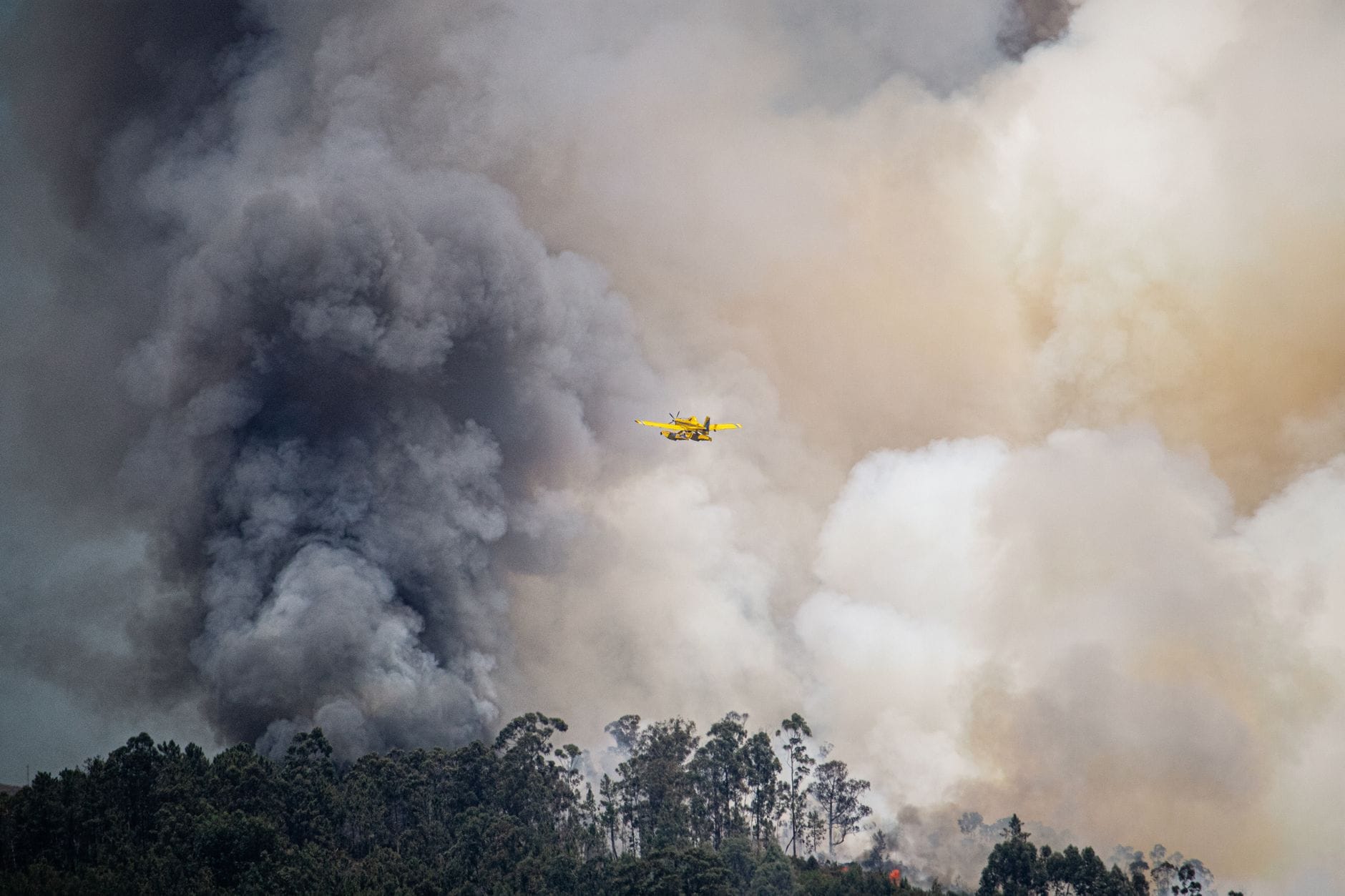
Summerland, British Columbia, MMN Correspondent: The Bald Range fire was first detected Friday. By Saturday morning, it had doubled in size and spread across more than 36 square miles, or 95 square kilometers, in Summerland and the Okanagan-Similkameen districts. As of Saturday morning, it remains completely uncontained. For the roughly 12,000 residents of Summerland, the instruction was urgent: leave now.
Mandatory evacuation orders covered the entire district. Families had minutes to gather essentials, pets, and important documents before hitting roads that were already filling up. Power outages added another layer of difficulty, cutting off internet and phone service just when information mattered most. In that kind of confusion, the strongest tool a community has is its neighbours.
First responders answered the call in force. BC Wildfire Service crews, Royal Canadian Mounted Police officers, and local teams worked through the night alongside residents. British Columbia Premier David Eby publicly thanked them and said they were doing everything possible to protect people and communities. That sense of collective effort was visible all over social media, where volunteers organized rides, shelter, and food within hours.
One story stood out. Erick Thompson, an emergency official with the Regional District of Okanagan-Similkameen, spent Friday evening at the emergency operations centre giving live updates. By Saturday morning, he was in his car filming a video. He had left the operations centre to evacuate his own family. 'We are heading south,' he said. In that moment, the line between emergency manager and evacuee disappeared.
Hundreds of residents in care facilities, including senior housing, have been moved to safer locations through Interior Health. That effort involved nurses, drivers, and medical staff coordinating under very difficult conditions. For people with mobility issues, an evacuation involves planning, patience, and extra support.
Horse owners in the Okanagan are showing what quick thinking looks like. Some have opened their gates and trusted their horses to move to higher ground. Others have painted identifiers on their animals so they can be found later. These choices are not easy to make. They are life-and-death calls made in seconds.
The Bald Range fire is not an isolated event. Canada has been dealing with intense wildfire activity all summer. In July, nearly 200 fires burned in Ontario, and Toronto's air quality reached some of the worst levels in the world for several days. Smoke from those fires drifted into parts of the United States, including Minnesota and New York, where residents saw haze and health alerts. The cross-border smoke even led to a political clash, with former US President Donald Trump threatening new tariffs on Canada.
Scientists point to climate change, drought, and record heat as key reasons fires are igniting faster and spreading farther. This year has already shown what those conditions can do. The Bald Range fire grew from a concern to a massive event in a matter of hours, not days or weeks. That speed changes how communities must prepare.
The economic impact in Summerland will be felt for years. The area is known for orchards, vineyards, and tourism. When fire moves through that landscape, it affects buildings, livelihoods, and the local economy. Recovery will involve rebuilding infrastructure, supporting agricultural producers, and rethinking how communities in fire-prone areas plan for the future.
Weather forecasts are not helping. Wind and dry conditions are expected to continue, which makes containment unpredictable. More crews and equipment have been deployed, and officials are asking residents to stay alert. The fire's next move is uncertain. The response is growing right along with it.
Even in the middle of such stress, the community's character shows through. Volunteers are distributing food. Neighbours are checking on each other. Shelters have opened their doors, and online groups are sharing reliable information. These acts of mutual aid cannot stop the fire. They are exactly what will carry people through the aftermath.
What happens next depends on the fire's behavior and the weather. The groundwork for recovery is already being laid. The Bald Range fire will leave scars on the land and in the hearts of those who fled. It will also leave behind stories of people who rose to meet the moment. Those stories matter, because they show what is possible when a community refuses to fall apart.
For every family that had to leave, there is a team that stayed or showed up. For every frightened moment, there is an act of courage. This will not be the last wildfire to strike British Columbia. Each one teaches something new, and the question is how that knowledge is used, for Summerland and for every fire-prone community watching this story unfold.
Related in Global Trend
Politics
Europe's Competitiveness Comeback: 6 Battlegrounds Every Business Leader Must Watch
What happens when the old economic certainties fade? You build new ones. Ursula von der Leyen took the stage at La Rencontre des Entrepreneurs de France, held at Roland Garros, and delivered a straightforward message to business leaders: Europe will produce, invest and protect.…
Read More...
Scientific Research
See the Ocean Breathe: Sentinel-6B Tracks El Niño and Rising Sea Levels Across 90% of Earth
. Hundreds of miles above Earth, satellites are watching the ocean breathe. The surface rises and falls with warmth, and those small changes tell a huge story about the planet. Sentinel-6B joined that story in November 2025, and it is already showing what a single satellite can…
Read More...
Politics
Europeans, Electrification Is Europe's Way Out After Two Energy Crises. Here's the 46% by 2040 Plan
Can Europe ever feel truly secure about its energy future? After two major energy crises in five years, that question is front and center. European Commission President Ursula von der Leyen used her video address to the Offshore Northern Seas conference in Stavanger to deliver a…
Read More...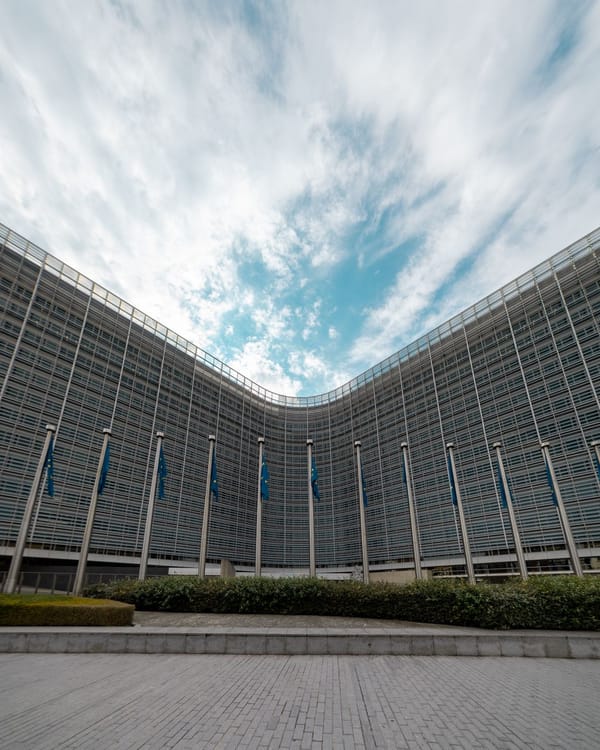
Politics
European Commission’s Major Decisions: €4.5M Fuel Aid, Pratt & Whitney Case, LNG Shipping, Ukraine’s 35th Independence Day – What They Mean for You
One decision could ease the pressure on fishing businesses dealing with expensive fuel. Another might give aircraft maintenance providers more freedom to source used parts. Then there’s a new LNG shipping venture, a day of remembrance, and a huge vote of confidence in Ukraine. A…
Read More...
Global Trend
EPAC 2026 Enrolment Open Until 15 September: Which Modular Patent Administration Exam Module Will You Pass First?
The next European Patent Administration Certification (EPAC) examination is set for 5 November 2026, with enrolment open until 15 September. This year brings a major change. The examination is fully modular. Each successfully completed module leads to an EPO Diploma, and candida…
Read More...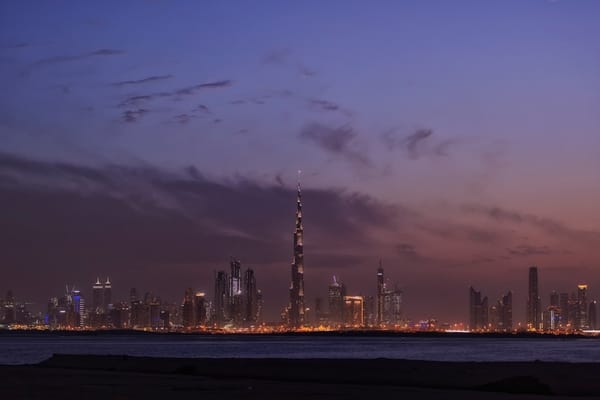
Global Trend
ATM 2026: Experience-Led Growth Is Transforming Middle East Hospitality. Are You Ready?
What does the next era of Middle East hospitality look like? The answer will take shape at Arabian Travel Market 2026, where the region’s hotel leaders, investors and technology pioneers gather from 14 to 17 September at Dubai World Trade Centre. The theme “Travel 2040: Driving…
Read More...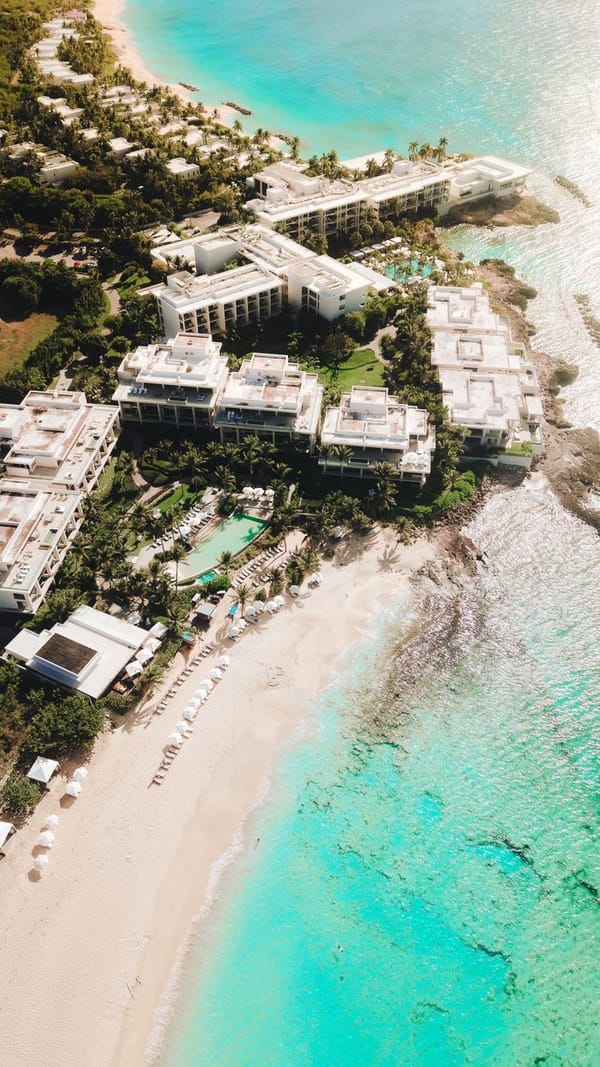
Global Trend
Planning a Festive Escape? Anguilla Named No. 1 Caribbean Destination for 2026 by Virtuoso
If you are planning a festive escape, this is a name you need to know. Virtuoso has just placed Anguilla at the top of the Caribbean for festive travel, and the news carries serious weight. The island is now ranked No. 1 in the region and No. 3 globally for the 2026 holiday seas…
Read More...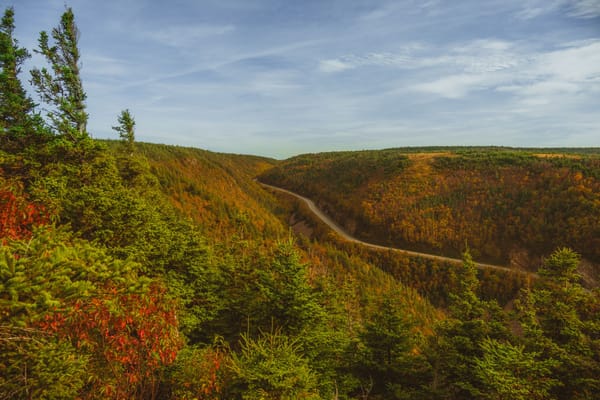
Global Trend
Canada in Autumn: 5 Quaint Towns, Harvest Festivals, and Food Trails You'll Want to Explore This Fall
Autumn in Canada shows up with arms full of red and gold. The nights get cooler, the air smells like wood smoke, and small towns suddenly have something to celebrate. If you're planning a fall trip, this is the season to hit the road and explore vineyards, harbours, farm fields,…
Read More...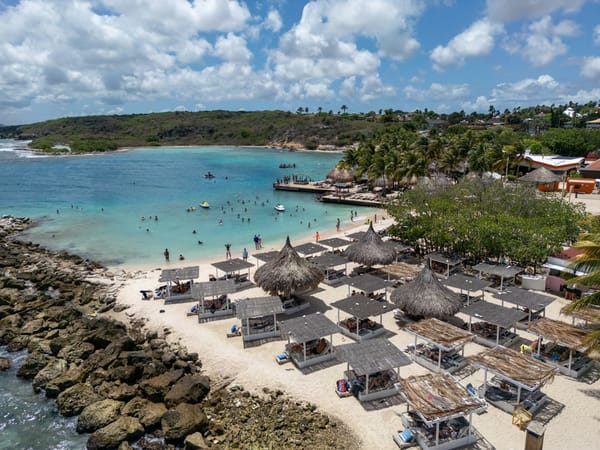
Global Trend
Where Do $40 Billion in Caribbean Tourism Dollars Really Go? CHTA and FIU Launch Landmark Study
Tourism has long been the beating heart of the Caribbean economy. A pressing question continues to hover over the region: how much of the money visitors spend actually stays in Caribbean communities? A new partnership between the Caribbean Hotel and Tourism Association (CHTA) an…
Read More...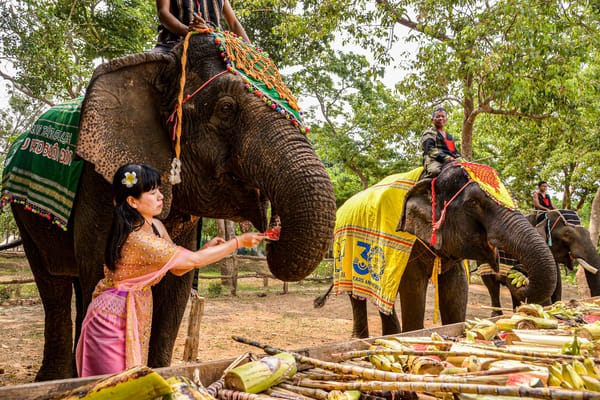
Global Trend
Discover Ancient Blessings and Modern Elephant Science at World Elephant Day 2026 in Thailand’s Golden Triangle
World Elephant Day has become one of the most important dates on the conservation calendar. Every 12 August, the global community looks closely at the challenges elephants face and the people who care for them. In 2026, Anantara Golden Triangle Elephant Camp & Resort turned the…
Read More...