
From NHS Nurse to Archbishop of Canterbury: How Dame Sarah Mullally Is Redefining Global Faith in 2026

London, United Kingdom: Nishant Shrivastava: What happens when a nurse who spent decades caring for patients on the frontlines of Britain’s National Health Service becomes the spiritual leader of 85 million Anglicans worldwide? You get a leader who sees faith not as a distant doctrine but as a hands on mission for healing. In 2026, Dame Sarah Mullally stepped into history as the 105th Archbishop of Canterbury, and her journey from hospital wards to the highest office in the Church of England is reshaping how we think about religion, diplomacy, and global change.
Mullally’s path is anything but ordinary. Born in 1967, she trained as a registered nurse and spent years working within the NHS, where she championed public health reforms and earned a damehood in 2005 for her service. In 2008, she made a bold pivot into ordained ministry, becoming one of the first women consecrated as a bishop in the Church of England. Unlike her predecessors who often followed the traditional Oxbridge academic route, Mullally’s background in compassion and frontline care brings a grounded, human centered ethos to a role that can feel distant from everyday struggles. This is a leader who understands pain, resilience, and the power of showing up.
Her appointment arrives at a moment when the Anglican Communion, a sprawling network of 42 autonomous provinces across 165 countries, is navigating deep internal tensions. In March 2026, the Global Anglican Future Conference (Gafcon), a coalition of conservative leaders from Rwanda, Nigeria, Uganda, Kenya, and parts of North America, formally distanced itself from London based leadership over disagreements on LGBTQ+ inclusion, same sex marriage, and gender equality in ministry. These fractures reflect a broader demographic reality: the heart of the Anglican Communion now beats in sub Saharan Africa, where church membership is growing rapidly, while attendance in Britain continues to decline. Only 15% of Britons identify as regularly practicing Christians today.
Yet Mullally’s role as Archbishop of Canterbury is not about wielding centralized power like a pope. Instead, she functions as a diplomatic convenor, a moral voice, and a bridge builder across divides. Her inaugural address focused on an integrated response to climate collapse, mass displacement, war, and deepening inequality. She echoed Pope Francis’s 2015 encyclical Laudato Si’, which called for ecological conversion and social justice, and committed the Church of England to active participation in shaping ethical responses to global emergencies. This is not a leader content with Sunday sermons; she is positioning faith as a public force for change.
Consider her first official international visit on April 27, 2026, just weeks after her installation. She traveled to the Anglican Province of Kenya, home to over 10 million Anglicans and one of the fastest growing communities in the communion. Kenya faces acute challenges from drought, youth unemployment, and political instability. By choosing Kenya as her first destination, Mullally signaled that her priorities lie with regions most affected by climate change and conflict. She was joined by Anthony Poggo, the Anglican Communion’s Secretary General, a South Sudanese born leader deeply invested in peacebuilding. Together, they are reorienting the church’s global focus toward the places where need is greatest.
Her diplomatic reach extends beyond Anglican circles. The Vatican, under Pope Francis, has maintained strong ecumenical partnerships with the Anglican Communion, particularly in conflict zones. In 2023, a historic Pilgrimage for Peace brought together Pope Francis, former Archbishop Justin Welby, and Church of Scotland Moderator Iain Greenshields to South Sudan, a nation ravaged by civil war since 2013. That mission highlighted the unique role religious leaders play in mediating peace and advocating for displaced populations. Mullally has continued this legacy, recently issuing a statement calling for an end to the Iran War, a stance that drew widespread attention across global media and interfaith circles. Her ability to speak with moral authority on sensitive geopolitical issues demonstrates that religious institutions remain relevant in shaping international discourse.
What makes Mullally’s leadership particularly compelling is how it challenges entrenched norms not only within Christianity but across global religious structures. Women continue to face barriers in many traditions, yet her rise from nursing to spiritual leadership proves that transformation is possible. She offers a model of inclusive, compassionate stewardship that resonates beyond denominational lines, inspiring dialogue between faith communities and secular actors alike. In a world where religious institutions are often dismissed as relics, Mullally is showing that they can be dynamic forces for connection, conscience, and collective action.
As Britain grapples with its post Brexit identity and uncertain role on the world stage, the Church of England remains a vital conduit of soft power. It provides frameworks for cooperation, fosters cross cultural understanding, and lends moral legitimacy to humanitarian initiatives. Mullally’s tenure signals a new chapter where spiritual leadership is no longer confined to national borders or historical precedent. Instead, it is shaped by global realities, grassroots movements, and urgent planetary needs. Her story is not just about one woman’s achievement; it is a testament to the evolving nature of global religion. In a fractured world, she stands as a living example of how faith, when grounded in empathy and courage, can help bridge divides and inspire hope across continents.
Related in Spirituality
Spirituality
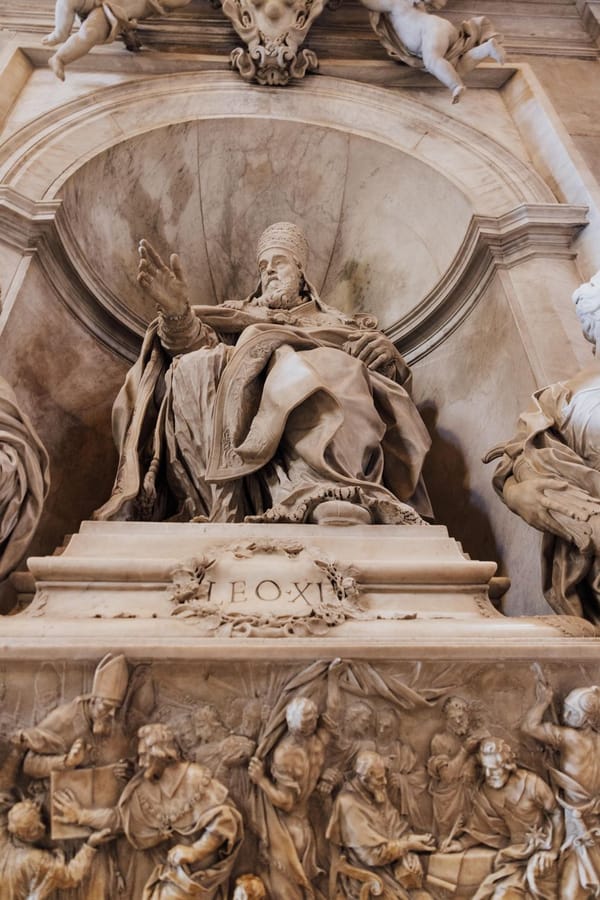
7 Ways AI Could Reshape Humanity: Pope Leo XIV’s Vision for the Digital Age
In July 2026, a document emerged from the Vatican that has quietly become one of the most discussed texts in technology circles. Pope Leo XIV’s first major encyclical, *Magnifica Humanitas*, arrives at a moment when artificial intelligence is beginning to influence how we work,…
Read More...
Spirituality
Is Religious Innovation Driving Spiritual Progress or Just Power Plays? 6 Key Insights You Need to Know
We live in a time where technology, culture, and faith are colliding faster than ever. New apps offer virtual meditation. AI generates sermons. Women lead prayer circles in spaces that once excluded them. All of this gets called religious innovation. But what does that label rea…
Read More...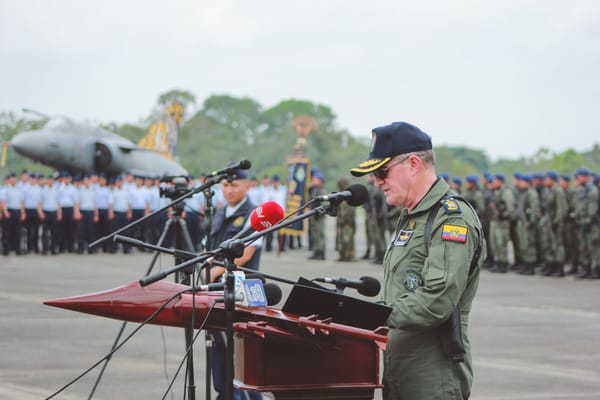
Spirituality
How One Man’s Faith Is Changing the Way America Fights: Inside the New Military Doctrine
In the summer of 2026, a quiet shift began inside the Pentagon. It wasn’t about budgets or troop levels. It was about something deeper. Secretary of Defense Pete Hegseth started speaking differently. His words carried a tone that felt less like policy and more like prophecy. And…
Read More...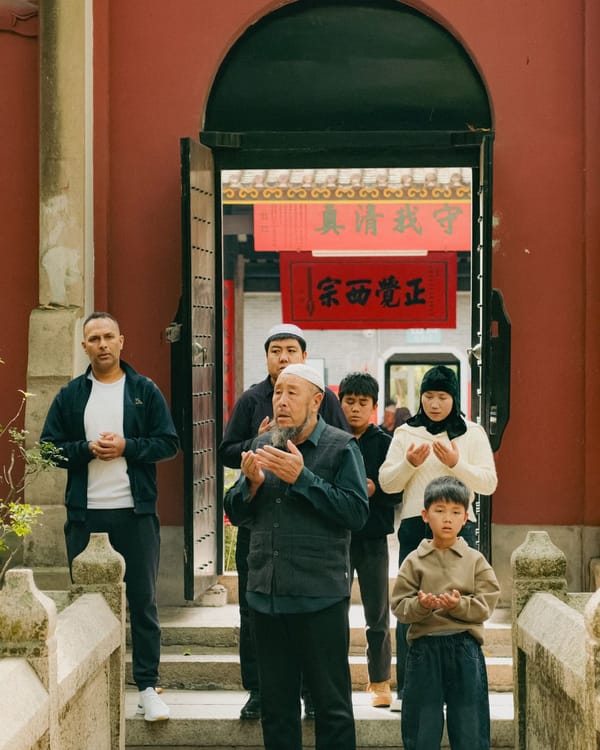
Spirituality
How Religious Innovation Is Reshaping Faith in a Changing World: 5 Powerful Examples You Need to Know
When you hear the word innovation, your mind probably jumps to the latest smartphone or a breakthrough in medicine. But what if I told you that some of the most transformative innovations are happening in places you might never expect? Inside temples, churches, and meditation ha…
Read More...
Spirituality
7 Signs AI Is Becoming the New Digital Deity: How Code Is Reshaping Spirituality in 2025
Picture this: a programmer leans across a desk in a quiet Silicon Valley office and tells a researcher, "I will become a god. Everybody who wants to become a god will become a god!" That wasn't a metaphor. It was a statement of belief in what artificial intelligence could become…
Read More...