
How Religious Innovation Is Reshaping Faith in a Changing World: 5 Powerful Examples You Need to Know
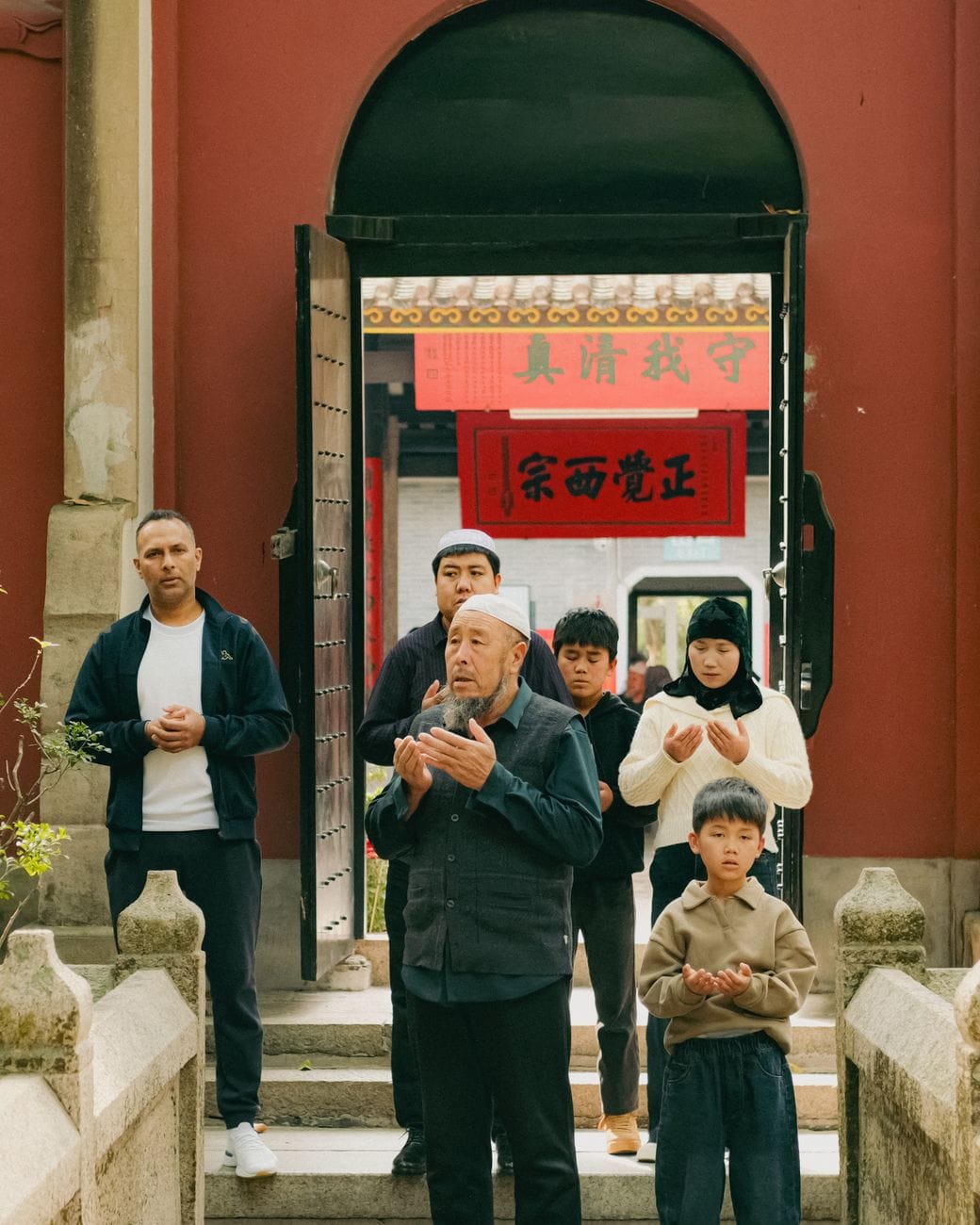
Jakarta, Indonesia, MMN Correspondent: When you hear the word innovation, your mind probably jumps to the latest smartphone or a breakthrough in medicine. But what if I told you that some of the most transformative innovations are happening in places you might never expect? Inside temples, churches, and meditation halls, people are quietly rewriting the rules of faith. And the question is not just what they are changing, but why it matters for all of us.
Think about it this way. Innovation only makes sense when you know what it is pushing against. Without a clear picture of tradition, how can you spot something new? This is exactly what happened during Vatican II in the 1960s. The Catholic Church decided to hold mass in local languages instead of Latin. They opened doors to other faiths. They rethought their role in modern politics. The Vatican called it a gentle update. But for many believers, it felt like a whole new world. The change was not random. It was a deliberate effort to help people live their faith in a globalized era.
Now consider traditions that do not have a single leader or a central rulebook. In popular Daoism or meditation circles, innovation happens naturally. People experiment with rituals and symbols without asking permission. This raises an interesting puzzle. How do you even recognize innovation when there is no official gatekeeper? And who gets the credit, or the blame, for changing something sacred?
The answer is that innovation is not just any change. It is intentional. It is purposeful. Scholar Catherine Bell described rituals as strategic actions that help communities respond to real life. When women in early modern Europe practiced healing rituals, they were often called heretics. The Salem Witch Trials of 1692 show how innovation by women was criminalized instead of celebrated. This pattern continues today. Innovations tied to gender, race, or sexuality are often ignored because they challenge who gets to decide what is holy.
History shows that innovation has not always been welcomed. In 1548, King Edward VI of England issued a warning against those who innovate, fearing religious chaos. Martin Luther started with a list of complaints in 1517 and ended up sparking a revolution. He was excommunicated and declared an outlaw. In Islamic tradition, the term bidah refers to unacceptable innovation. In Buddhism, straying from the monastic code is seen as a threat to purity. The pattern is clear. Innovation threatens power.
Philosopher Francis Bacon offered a different view. He said change is inevitable, but true innovation is methodical and quiet. It works like time itself, slowly reshaping reality until the transformation is undeniable. This mirrors Thomas Kuhns theory of scientific revolutions. Small anomalies build up until everything shifts. The same happens in religion. Small adaptations can eventually redefine entire belief systems.
But here is the critical question. Innovation for whom? Too often, it serves those already in power. New rituals or organizational models can reinforce hierarchy instead of breaking it down. White Christian nationalism in some Western countries is a clear example. Religious language is used to advance political goals, often at the expense of minority communities.
Yet innovation can also be a tool for liberation. Consider the story of Indonesian Confucianism. For centuries, Confucian temples were reserved for elite men. Women and the broader Chinese Indonesian community were excluded. After the fall of the Suharto regime in 1998, a period marked by severe discrimination, Confucian communities began a quiet revival. In 1955, the Supreme Council for the Confucian Religion in Indonesia, known as MATAKIN, was founded. By the 2010s, temples in Jakarta, Surabaya, Bandung, and Denpasar had transformed. Children learned classical texts in Indonesian. Women sang hymns based on Confucian philosophy. Both men and women led worship. These were not simple adaptations. They were bold innovations born from necessity. Inspired by Protestant church models, MATAKIN leaders created spaces where identity and faith could flourish.
One powerful example is Budi Wijaya and Lany Guito. They married in a Confucian ceremony in 1995, but the state did not recognize their union. They became central figures in a decades long legal battle to secure official recognition for Confucianism in Indonesia. Their struggle led to a landmark Supreme Court decision in 2000 that affirmed Confucianism as a legitimate religion. Their journey was not about innovation for its own sake. It was about living authentically and safely within their faith.
This case shows that religious innovation is not always loud. Sometimes it is a quiet act of courage. A woman leading a choir. A child reciting ancient wisdom in a national language. A community demanding legal recognition. These acts matter because they build a future grounded in justice and inclusion.
As globalization accelerates and identities become more fluid, religious innovation will continue to shape spiritual life. Whether through music, ritual, governance, or legal advocacy, these movements reflect humanitys enduring search for meaning. To understand innovation in religion is to see not just evolution, but empowerment. It is proof that faith, when freed from rigid tradition, can become a force for renewal and hope.
Related in Spirituality
Spirituality
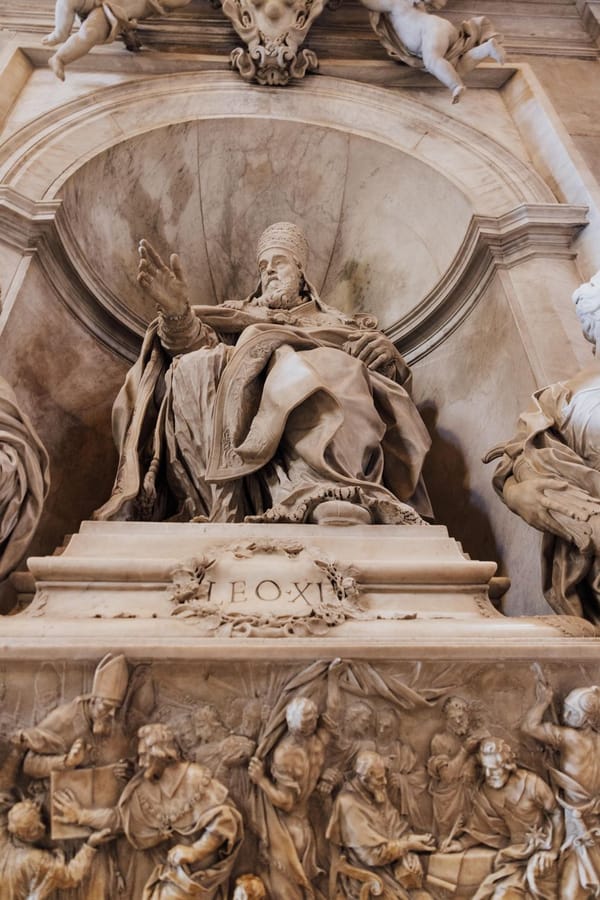
7 Ways AI Could Reshape Humanity: Pope Leo XIV’s Vision for the Digital Age
In July 2026, a document emerged from the Vatican that has quietly become one of the most discussed texts in technology circles. Pope Leo XIV’s first major encyclical, *Magnifica Humanitas*, arrives at a moment when artificial intelligence is beginning to influence how we work,…
Read More...
Spirituality
Is Religious Innovation Driving Spiritual Progress or Just Power Plays? 6 Key Insights You Need to Know
We live in a time where technology, culture, and faith are colliding faster than ever. New apps offer virtual meditation. AI generates sermons. Women lead prayer circles in spaces that once excluded them. All of this gets called religious innovation. But what does that label rea…
Read More...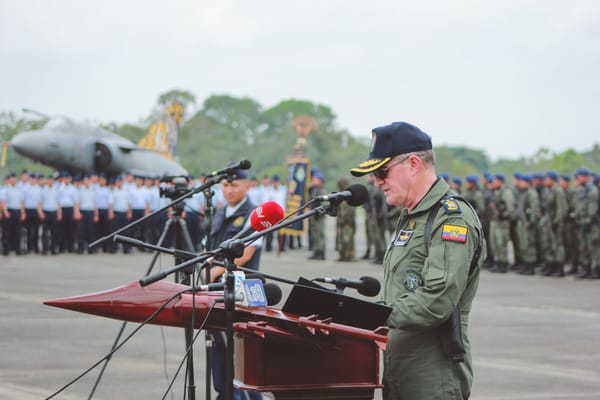
Spirituality
How One Man’s Faith Is Changing the Way America Fights: Inside the New Military Doctrine
In the summer of 2026, a quiet shift began inside the Pentagon. It wasn’t about budgets or troop levels. It was about something deeper. Secretary of Defense Pete Hegseth started speaking differently. His words carried a tone that felt less like policy and more like prophecy. And…
Read More...
Spirituality
From NHS Nurse to Archbishop of Canterbury: How Dame Sarah Mullally Is Redefining Global Faith in 2026
Nishant Shrivastava: What happens when a nurse who spent decades caring for patients on the frontlines of Britain’s National Health Service becomes the spiritual leader of 85 million Anglicans worldwide? You get a leader who sees faith not as a distant doctrine but as a hands on…
Read More...
Spirituality
7 Signs AI Is Becoming the New Digital Deity: How Code Is Reshaping Spirituality in 2025
Picture this: a programmer leans across a desk in a quiet Silicon Valley office and tells a researcher, "I will become a god. Everybody who wants to become a god will become a god!" That wasn't a metaphor. It was a statement of belief in what artificial intelligence could become…
Read More...