
How One Man’s Faith Is Changing the Way America Fights: Inside the New Military Doctrine
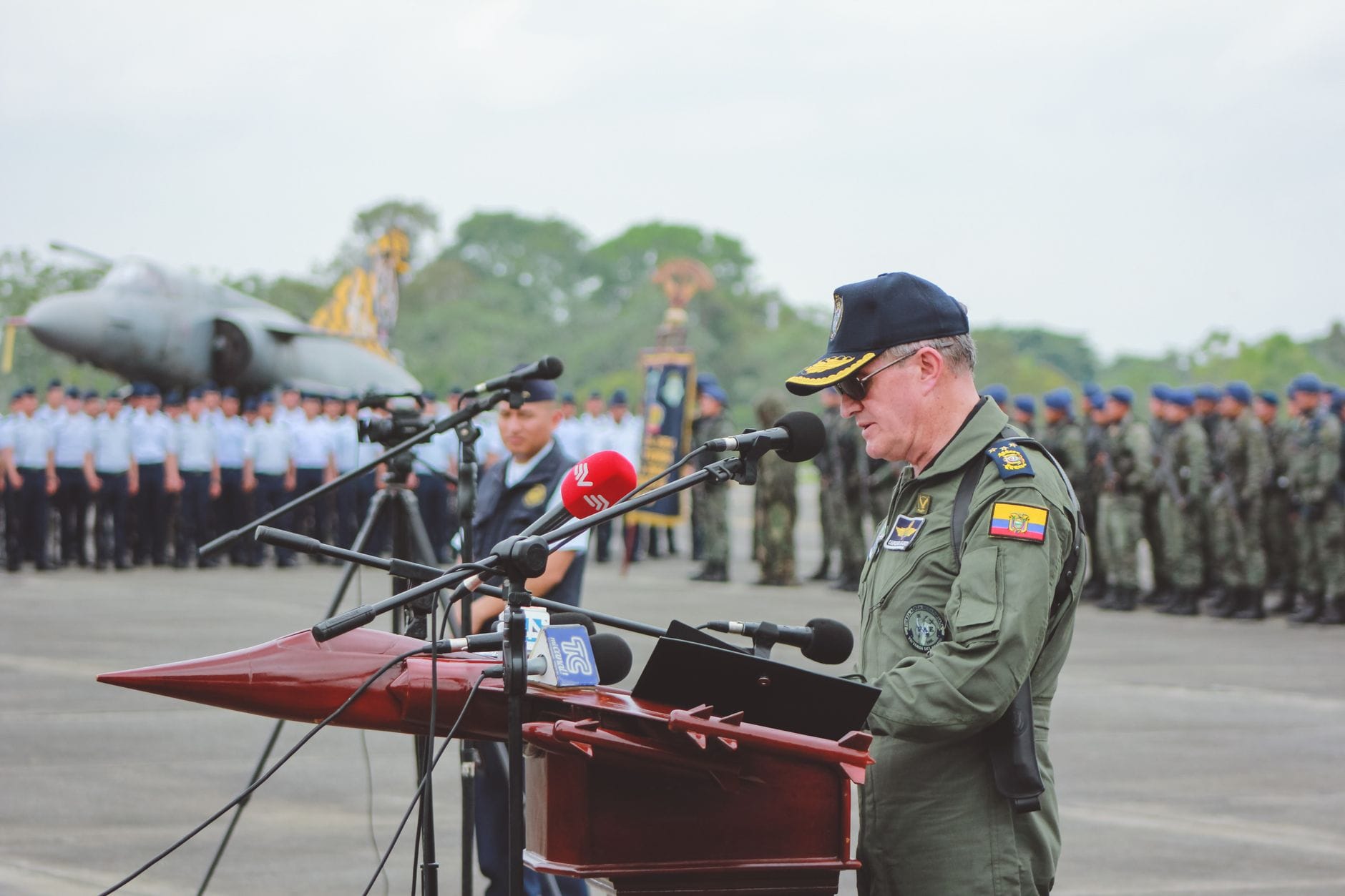
Moscow, Idaho, MMN Correspondent: In the summer of 2026, a quiet shift began inside the Pentagon. It wasn’t about budgets or troop levels. It was about something deeper. Secretary of Defense Pete Hegseth started speaking differently. His words carried a tone that felt less like policy and more like prophecy. And people started paying attention.
Hegseth’s rise from a familiar face on cable news to the top of the U.S. military chain of command came with a personal transformation. He embraced a form of evangelical Christianity that goes beyond Sunday services. He joined the Communion of Reformed Evangelical Churches, or CREC, a network based in Moscow, Idaho. This community teaches that the Bible isn’t just a spiritual guide. It’s a blueprint for how governments should operate.
What does that look like in practice? Imagine a worldview where the Old Testament and New Testament are read as one continuous story. In that story, God doesn’t just offer peace. He commands action. The Book of Joshua, where armies march under divine orders, becomes a model for national strategy. The Sermon on the Mount? That’s for church discipline, not foreign policy.
This isn’t abstract theology. It shows up in speeches. After recent operations near the Strait of Hormuz, Hegseth quoted Psalm 18. The passage talks about thrusting enemies through and beating them fine as dust. He didn’t use it as metaphor. He presented it as a statement of purpose. For him, military force isn’t just a tool. It’s an act of obedience.
Inside the CREC community, this kind of language is common. They call them imprecatory prayers. These are requests for divine punishment on adversaries. In Moscow, Idaho, this isn’t fringe. It’s part of the culture. Leaders there teach that real strength comes from faith, not from compromise. Emotional intensity and rhetorical force are seen as signs of spiritual depth.
What does this mean for the rest of us? When a leader believes he’s acting under a higher authority, traditional checks and balances can feel optional. Congress might seem less relevant. Courts can be bypassed. Public opinion becomes secondary. Some scholars call this a “cosmic war” mindset. It’s a conflict where the stakes aren’t just political. They’re eternal.
Dr. Julie Ingersoll and Dr. David G. Bromley have studied this trend. They point out that in such a framework, negotiation feels like betrayal. Victory must be total. Defeat is unthinkable. That makes diplomacy difficult. It also raises questions about civilian protections. In some briefings, civilian casualties have been described as “collateral consequences.” That language reflects a broader view where war can be seen as a form of purification.
This isn’t happening in a vacuum. Data from Pew Research Center shows that the number of Americans identifying with Christian nationalist beliefs has grown. In 2024, about 17% of U.S. adults described themselves as part of such movements. That’s up from 9% in 2010. Many of these individuals live in rural evangelical communities, especially in the Pacific Northwest and the Bible Belt.
Institutions tied to CREC are also expanding. The Faith and Freedom Institute in Moscow runs training programs for military chaplains and lawmakers. Their courses cover topics like spiritual warfare and military eschatology. These ideas are moving from the margins into mainstream influence.
As tensions with Iran continue, Hegseth’s role becomes harder to separate from his faith. His public appearances feel more like sermons than briefings. His followers see each statement as a sign of divine favor. International observers, including NATO allies, watch with curiosity. They wonder how predictable a U.S. foreign policy can be when it’s driven by religious conviction rather than geopolitical calculation.
This moment represents a broader shift in American politics. Faith is no longer just a private matter. It’s becoming a governing philosophy. Whether that leads to stability or uncertainty depends on how it’s applied. But one thing is clear: the line between personal belief and national strategy has never been thinner. And the world is watching to see where it leads.
Related in Spirituality
Spirituality
7 Ways AI Could Reshape Humanity: Pope Leo XIV’s Vision for the Digital Age
In July 2026, a document emerged from the Vatican that has quietly become one of the most discussed texts in technology circles. Pope Leo XIV’s first major encyclical, *Magnifica Humanitas*, arrives at a moment when artificial intelligence is beginning to influence how we work,…
Read More...
Spirituality
Is Religious Innovation Driving Spiritual Progress or Just Power Plays? 6 Key Insights You Need to Know
We live in a time where technology, culture, and faith are colliding faster than ever. New apps offer virtual meditation. AI generates sermons. Women lead prayer circles in spaces that once excluded them. All of this gets called religious innovation. But what does that label rea…
Read More...
Spirituality
How Religious Innovation Is Reshaping Faith in a Changing World: 5 Powerful Examples You Need to Know
When you hear the word innovation, your mind probably jumps to the latest smartphone or a breakthrough in medicine. But what if I told you that some of the most transformative innovations are happening in places you might never expect? Inside temples, churches, and meditation ha…
Read More...
Spirituality
From NHS Nurse to Archbishop of Canterbury: How Dame Sarah Mullally Is Redefining Global Faith in 2026
Nishant Shrivastava: What happens when a nurse who spent decades caring for patients on the frontlines of Britain’s National Health Service becomes the spiritual leader of 85 million Anglicans worldwide? You get a leader who sees faith not as a distant doctrine but as a hands on…
Read More...
Spirituality
7 Signs AI Is Becoming the New Digital Deity: How Code Is Reshaping Spirituality in 2025
Picture this: a programmer leans across a desk in a quiet Silicon Valley office and tells a researcher, "I will become a god. Everybody who wants to become a god will become a god!" That wasn't a metaphor. It was a statement of belief in what artificial intelligence could become…
Read More...