
Iran and Oman Finalize New Strait of Hormuz Shipping Route: Here's What Oil Markets Are Watching
We compile, generate and translate using Artificial Intelligence from the below given source. Macro Micro News is responsible for its editorial publication.
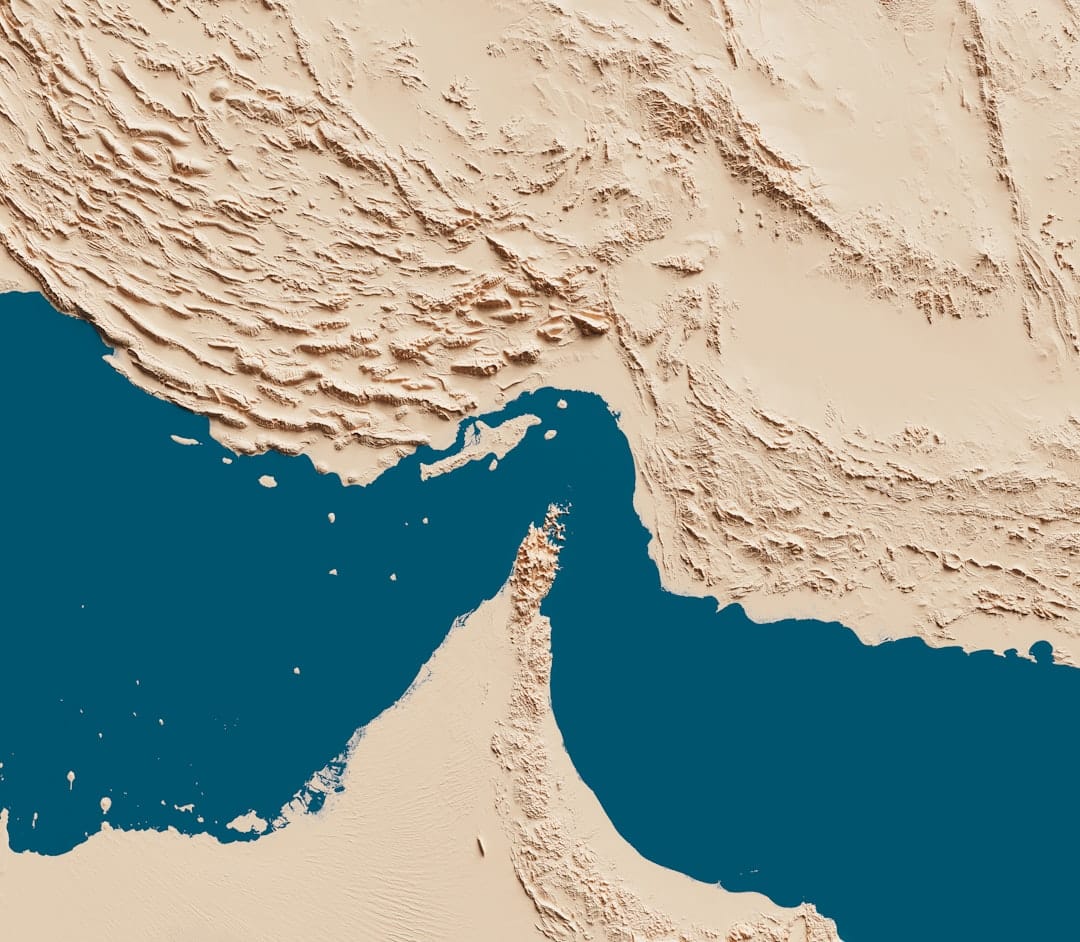
Strait of Hormuz, MMN Correspondent: A major step is taking shape in one of the world's most important maritime corridors. Iran has announced that a shipping route agreement with Oman for the Strait of Hormuz is in its final stages. The announcement comes as global markets watch closely for signs of stability in a region that has seen months of disruption.
What makes the strait so important? This narrow waterway between the Persian Gulf and the Gulf of Oman carries roughly one-fifth of the world's oil and liquefied natural gas every day. That makes it a critical artery for energy supplies, especially for Asia and Europe.
Iran's Foreign Ministry spokesman Esmaeil Baqaei confirmed that the geographical coordinates of the route have been agreed with Oman. He did not share specific details. He also noted that safe navigation depends on more than this agreement. In his words through Irna news agency, "the factors making the Strait of Hormuz insecure still exist on the part of the United States, particularly the naval blockade and other aggressive and threatening actions against Iran and its interests."
Deputy Foreign Minister Kazem Gharibabadi later added that the route could be temporary, staying open for two to four months. The exact terms and conditions have not been made public. The United States and Oman have not yet responded to the proposal, and the White House has not clarified its position.
This development comes after a strong public statement from President Donald Trump. He said Iran would be "hit very hard" if the strait did not reopen "very soon." Around the same time, senior US officials reported that diplomatic talks have progressed and shipments could resume later this week. Iran, for its part, has consistently said it is not negotiating with the United States.
The broader situation dates to 28 February, when the United States and Israel launched wide-ranging strikes on Iran. The attacks killed Iran's then-Supreme Leader Ayatollah Ali Khamenei. His son Mojtaba Khamenei was named as his successor. Mojtaba was wounded in the same strikes and has not appeared in public since. His absence has led to speculation about his health and his role in decision making. President Masoud Pezeshkian has said that communication with him is possible. He described the current situation as "difficult at the moment."
In June, Iran and the United States signed a memorandum of understanding aimed at ending the fighting and reopening the Strait of Hormuz within 60 days. That process did not hold, and mutual attacks began again within days. The new arrangement with Oman could be seen as another attempt to create a practical pathway forward.
One of the key sticking points is money. A senior Iranian official told Reuters that Iran is seeking fees of between 5% and 7% of cargo value. Oman is reportedly discussing around 3%. Washington is insisting that no fees should be imposed. The proposed agreement would also give Tehran control over ships entering the Gulf through the strait. That condition is likely to draw strong international scrutiny.
There is also the wider maritime situation. Yemen's Iran-backed Houthi group has limited Saudi Arabia's Red Sea ports since 20 July. They have also attacked vessels in the Red Sea and the Gulf of Aden. These actions have added another layer of complexity to global shipping routes and have drawn international naval responses.
The announcement has already made a noticeable impact. Brent crude has been trading near $79 a barrel, and the news helped push prices slightly lower in Asian trade. Analysts remain careful, knowing that negotiations can shift quickly.
The benefits of reopening the route go beyond oil and gas. A functioning Strait of Hormuz supports the delivery of food, medicine, and essential goods to communities across the region. Restoring this flow is a meaningful opportunity for greater security and cooperation.
What happens next depends on how all sides respond to the details. Oman has long acted as a bridge between Iran and the West, and this role is more valuable than ever. If the agreement moves ahead, it could serve as a confidence-building step in a region that needs practical solutions.
The world is watching this final stage closely. A reopened Strait of Hormuz would be a welcome development for energy markets, regional economies, and the millions of people who depend on the goods that pass through this vital waterway.
Related in Global Trend
Politics
Europe's Competitiveness Comeback: 6 Battlegrounds Every Business Leader Must Watch
What happens when the old economic certainties fade? You build new ones. Ursula von der Leyen took the stage at La Rencontre des Entrepreneurs de France, held at Roland Garros, and delivered a straightforward message to business leaders: Europe will produce, invest and protect.…
Read More...
Scientific Research
See the Ocean Breathe: Sentinel-6B Tracks El Niño and Rising Sea Levels Across 90% of Earth
. Hundreds of miles above Earth, satellites are watching the ocean breathe. The surface rises and falls with warmth, and those small changes tell a huge story about the planet. Sentinel-6B joined that story in November 2025, and it is already showing what a single satellite can…
Read More...
Politics
Europeans, Electrification Is Europe's Way Out After Two Energy Crises. Here's the 46% by 2040 Plan
Can Europe ever feel truly secure about its energy future? After two major energy crises in five years, that question is front and center. European Commission President Ursula von der Leyen used her video address to the Offshore Northern Seas conference in Stavanger to deliver a…
Read More...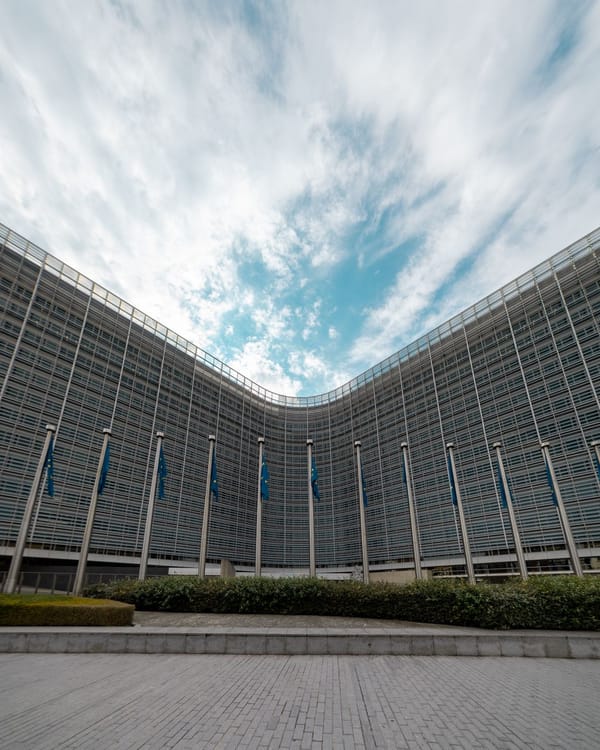
Politics
European Commission’s Major Decisions: €4.5M Fuel Aid, Pratt & Whitney Case, LNG Shipping, Ukraine’s 35th Independence Day – What They Mean for You
One decision could ease the pressure on fishing businesses dealing with expensive fuel. Another might give aircraft maintenance providers more freedom to source used parts. Then there’s a new LNG shipping venture, a day of remembrance, and a huge vote of confidence in Ukraine. A…
Read More...
Global Trend
EPAC 2026 Enrolment Open Until 15 September: Which Modular Patent Administration Exam Module Will You Pass First?
The next European Patent Administration Certification (EPAC) examination is set for 5 November 2026, with enrolment open until 15 September. This year brings a major change. The examination is fully modular. Each successfully completed module leads to an EPO Diploma, and candida…
Read More...
Global Trend
ATM 2026: Experience-Led Growth Is Transforming Middle East Hospitality. Are You Ready?
What does the next era of Middle East hospitality look like? The answer will take shape at Arabian Travel Market 2026, where the region’s hotel leaders, investors and technology pioneers gather from 14 to 17 September at Dubai World Trade Centre. The theme “Travel 2040: Driving…
Read More...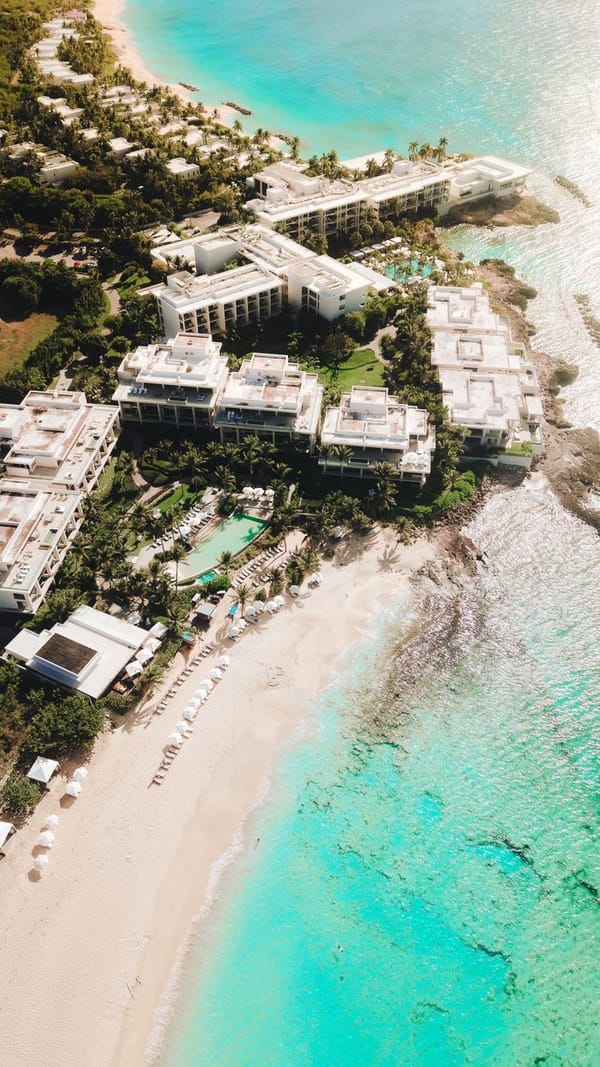
Global Trend
Planning a Festive Escape? Anguilla Named No. 1 Caribbean Destination for 2026 by Virtuoso
If you are planning a festive escape, this is a name you need to know. Virtuoso has just placed Anguilla at the top of the Caribbean for festive travel, and the news carries serious weight. The island is now ranked No. 1 in the region and No. 3 globally for the 2026 holiday seas…
Read More...
Global Trend
Canada in Autumn: 5 Quaint Towns, Harvest Festivals, and Food Trails You'll Want to Explore This Fall
Autumn in Canada shows up with arms full of red and gold. The nights get cooler, the air smells like wood smoke, and small towns suddenly have something to celebrate. If you're planning a fall trip, this is the season to hit the road and explore vineyards, harbours, farm fields,…
Read More...
Global Trend
Where Do $40 Billion in Caribbean Tourism Dollars Really Go? CHTA and FIU Launch Landmark Study
Tourism has long been the beating heart of the Caribbean economy. A pressing question continues to hover over the region: how much of the money visitors spend actually stays in Caribbean communities? A new partnership between the Caribbean Hotel and Tourism Association (CHTA) an…
Read More...
Global Trend
Discover Ancient Blessings and Modern Elephant Science at World Elephant Day 2026 in Thailand’s Golden Triangle
World Elephant Day has become one of the most important dates on the conservation calendar. Every 12 August, the global community looks closely at the challenges elephants face and the people who care for them. In 2026, Anantara Golden Triangle Elephant Camp & Resort turned the…
Read More...