
Kyiv Under Fire: Russia's Ballistic Missile and Drone Attack Kills 1, Wounds 12. See How It Affects You
We compile, generate and translate using Artificial Intelligence from the below given source. Macro Micro News is responsible for its editorial publication.
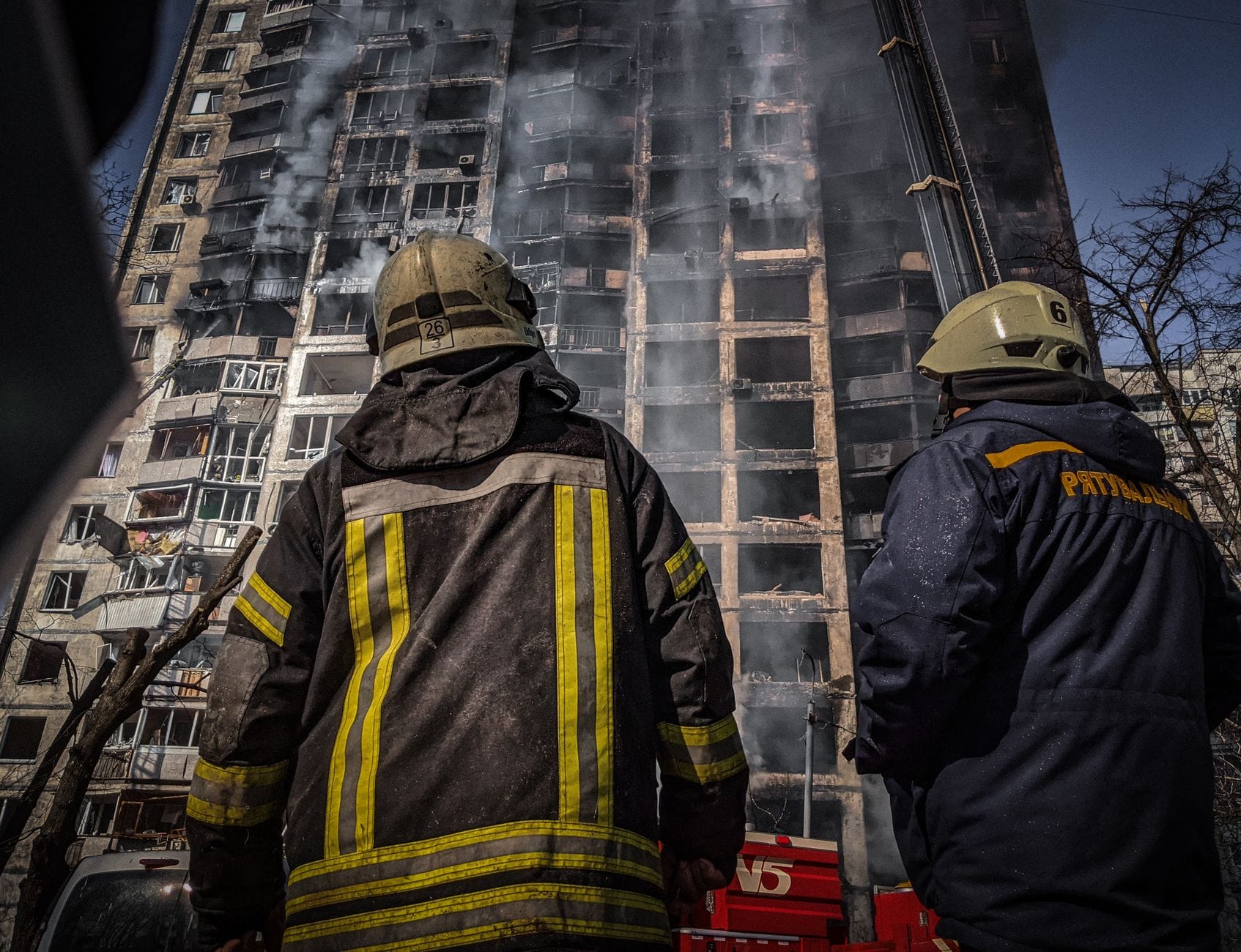
KYIV, Ukraine, MMN Correspondent: Just after midnight on August 5, 2026, residents of Kyiv heard the sirens again. Ballistic missiles and drones were heading toward the capital. The attack killed at least one person, wounded a dozen others, and left a long night of firefighting and rescue work behind.
If you are trying to make sense of this latest escalation, here is what we know so far. Timur Tkachenko, head of the Kyiv military administration, confirmed that residential buildings and warehouses were hit. Emergency crews worked in Bucha, Brovary, and Fastiv districts. Tkachenko's public message was direct: do not ignore the warnings. Take care of yourself, your loved ones, and your family.
Mayor Vitali Klitschko said there was real concern that people could be trapped under collapsed structures in the city center. Windows were blown out, facades were blackened, and streets were covered with debris. One woman was confirmed dead. Twelve people were being treated for injuries. Those numbers can still change as rescue teams search through the rubble.
This attack did not happen in isolation. For weeks, Russian strikes have been targeting more Ukrainian cities. Power infrastructure, housing blocks, and industrial areas have all been hit. The visible goal seems to be forcing Ukraine to stretch its air defenses and creating fear in daily life. The response from local communities has been just as visible. Volunteers arrived quickly to help with cleanup, provide shelter, and support the wounded. That pattern is now a familiar part of this conflict.
What makes this phase different is the expanding reach of the conflict. Ukraine has been striking back at military and logistical targets inside Russia. On Tuesday morning, a Ukrainian drone hit a Wildberries warehouse in the Moscow region. Five people were killed and ten were wounded. The warehouse caught fire, and nearby residents had to evacuate. Wildberries is Russia's largest e-commerce platform, so the attack sent a clear signal about how far Ukrainian forces can reach.
The day before that, Russian officials said a drone strike hit a crowded beach in the Krasnodar region. Seven people died, and 58 were injured. Many of them were tourists spending time by the sea. The scene unfolded in broad daylight. Russia has called these strikes terrorism. Ukraine says its military operations are focused on legitimate targets and not on civilians.
Another development has added to the tension. A video from the southern city of Kherson appears to show a man being chased by a drone and then hit. Ukrainian officials called it a deliberate hunt, even using the word safari. The footage has not been independently verified. International reaction was immediate. Calls for accountability are growing louder.
This is now a conflict fought on multiple fronts. The physical one is in the skies above cities. The legal and political one is about how the world defines war crimes. Each side accuses the other of crossing lines. International monitors are trying to sort through competing claims. The fog of war makes that process slow.
The wider consequences are impossible to ignore. The United Nations has documented thousands of civilian deaths since the full-scale invasion began in February 2022. Millions of people have been displaced. The war has also shaken global food and energy markets because both Russia and Ukraine play major roles in grain, oil, and gas exports. The latest strikes are likely to add more pressure to those already stressed systems.
For Ukraine, the urgent need remains air defense. The country has repeatedly asked for more American-made Patriot missile interceptors. Those systems have performed well against ballistic missiles. There are just not enough of them to cover every city. Ukraine also wants longer-range weapons that can target Russian supply lines and command centers. Every week of waiting matters, especially with winter not far away.
Western support continues. At the same time, the debate around it has sharpened. Some leaders are worried about triggering a wider war with Russia. Others point out that a Ukraine without enough weapons could face even greater destruction. The recent strikes inside Russia have made that conversation more complicated. Still, the United States and the European Union have pledged more aid, including air defense equipment and ammunition.
Diplomatic options remain limited. Ukraine wants the return of its full territory. Russia says the annexed regions are part of its land. The international community is split. Some countries push for immediate talks. Others use sanctions and military support to pressure Moscow. No clear path to a ceasefire is visible right now.
For the people of Kyiv, August 5 is another date marked by sirens, smoke, and uncertainty. Many residents have learned to recognize the sound of incoming missiles. That knowledge brings cold comfort. One resident who asked not to be named put it simply: We live in constant fear. Every night we wonder if we will wake up in the morning.
There is also strength underneath that fear. Ordinary people are the ones clearing streets, cooking meals for displaced families, and helping strangers find safety. That side of the story deserves attention too. The attacks are real, and so is the human response to them.
The United Nations has called for an immediate halt to strikes on civilian infrastructure. The European Union has repeated its support for Ukraine. The United States has announced another package of military assistance. Those are important steps. They do not bring back the lives lost or repair every home.
The next few months will be difficult. Air defense, international support, and the ability of both sides to sustain their war efforts are all part of this equation. For now, Kyiv is standing. Its people are still moving forward. What happens next depends on decisions made in capitals far from the blast radius. That is a military question. It is also a question about the kind of world we all want to live in.
Related in Global Trend
Politics
Europe's Competitiveness Comeback: 6 Battlegrounds Every Business Leader Must Watch
What happens when the old economic certainties fade? You build new ones. Ursula von der Leyen took the stage at La Rencontre des Entrepreneurs de France, held at Roland Garros, and delivered a straightforward message to business leaders: Europe will produce, invest and protect.…
Read More...
Scientific Research
See the Ocean Breathe: Sentinel-6B Tracks El Niño and Rising Sea Levels Across 90% of Earth
. Hundreds of miles above Earth, satellites are watching the ocean breathe. The surface rises and falls with warmth, and those small changes tell a huge story about the planet. Sentinel-6B joined that story in November 2025, and it is already showing what a single satellite can…
Read More...
Politics
Europeans, Electrification Is Europe's Way Out After Two Energy Crises. Here's the 46% by 2040 Plan
Can Europe ever feel truly secure about its energy future? After two major energy crises in five years, that question is front and center. European Commission President Ursula von der Leyen used her video address to the Offshore Northern Seas conference in Stavanger to deliver a…
Read More...
Politics
European Commission’s Major Decisions: €4.5M Fuel Aid, Pratt & Whitney Case, LNG Shipping, Ukraine’s 35th Independence Day – What They Mean for You
One decision could ease the pressure on fishing businesses dealing with expensive fuel. Another might give aircraft maintenance providers more freedom to source used parts. Then there’s a new LNG shipping venture, a day of remembrance, and a huge vote of confidence in Ukraine. A…
Read More...
Global Trend
EPAC 2026 Enrolment Open Until 15 September: Which Modular Patent Administration Exam Module Will You Pass First?
The next European Patent Administration Certification (EPAC) examination is set for 5 November 2026, with enrolment open until 15 September. This year brings a major change. The examination is fully modular. Each successfully completed module leads to an EPO Diploma, and candida…
Read More...
Global Trend
ATM 2026: Experience-Led Growth Is Transforming Middle East Hospitality. Are You Ready?
What does the next era of Middle East hospitality look like? The answer will take shape at Arabian Travel Market 2026, where the region’s hotel leaders, investors and technology pioneers gather from 14 to 17 September at Dubai World Trade Centre. The theme “Travel 2040: Driving…
Read More...
Global Trend
Planning a Festive Escape? Anguilla Named No. 1 Caribbean Destination for 2026 by Virtuoso
If you are planning a festive escape, this is a name you need to know. Virtuoso has just placed Anguilla at the top of the Caribbean for festive travel, and the news carries serious weight. The island is now ranked No. 1 in the region and No. 3 globally for the 2026 holiday seas…
Read More...
Global Trend
Canada in Autumn: 5 Quaint Towns, Harvest Festivals, and Food Trails You'll Want to Explore This Fall
Autumn in Canada shows up with arms full of red and gold. The nights get cooler, the air smells like wood smoke, and small towns suddenly have something to celebrate. If you're planning a fall trip, this is the season to hit the road and explore vineyards, harbours, farm fields,…
Read More...
Global Trend
Where Do $40 Billion in Caribbean Tourism Dollars Really Go? CHTA and FIU Launch Landmark Study
Tourism has long been the beating heart of the Caribbean economy. A pressing question continues to hover over the region: how much of the money visitors spend actually stays in Caribbean communities? A new partnership between the Caribbean Hotel and Tourism Association (CHTA) an…
Read More...
Global Trend
Discover Ancient Blessings and Modern Elephant Science at World Elephant Day 2026 in Thailand’s Golden Triangle
World Elephant Day has become one of the most important dates on the conservation calendar. Every 12 August, the global community looks closely at the challenges elephants face and the people who care for them. In 2026, Anantara Golden Triangle Elephant Camp & Resort turned the…
Read More...