
Resilience Financing for Tourism: The $50 Billion Question Every Destination Must Answer
We compile, generate and translate using Artificial Intelligence from the below given source. Macro Micro News is responsible for its editorial publication.
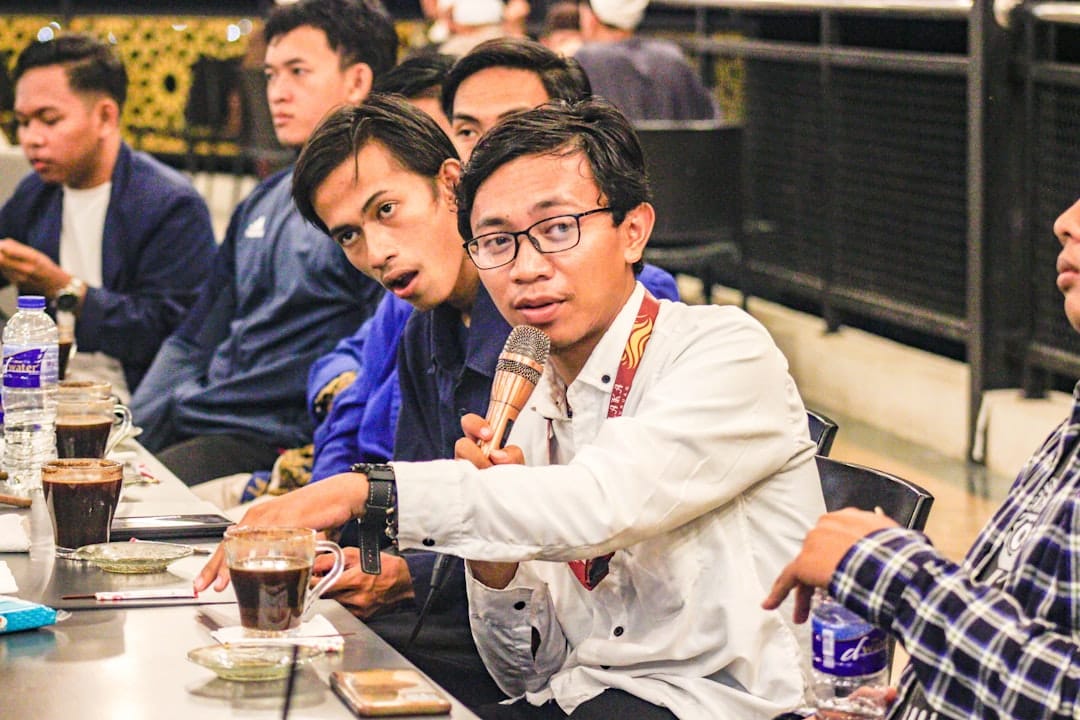
Toronto, Canada, MMN Correspondent: What does it take for a tourism destination to stay strong when the world around it shifts? That question shaped the conversation at George Brown University on July 29, 2026, during the Canadian-Caribbean Tourism Resilience Symposium. Jamaica's Minister of Tourism, Hon. Edmund Bartlett, delivered the keynote and made his point clear. Resilience must be planned, funded and made permanent.
Bartlett, who also serves as founder and co-chair of the Global Tourism Resilience and Crisis Management Centre (GTRCMC), calls this era the Age of Resilience. Climate change, geopolitical shifts, pandemics, cyber threats and artificial intelligence are shaping it together. These forces cross borders quickly. Canada's wildfire season, for instance, touches travel behavior and tourism economies across the region, even in places far from the flames.
The old pattern of waiting for a crisis to pass and then rebuilding has given way to a more proactive approach. Bartlett called for anticipation, adaptation and inclusive financing. "We must move from reaction to anticipation, from vulnerability to transformation, from fragmented recovery to shared resilience," he said. His plan includes investments in early warning systems, stronger infrastructure, preparedness programs and community based response teams.
A cornerstone of that plan is a permanent Global Tourism Resilience Fund. It would cover the full arc of resilience, from risk assessment and climate adaptation to crisis response, recovery and long term transformation. And it would put micro, small and medium sized enterprises first. These businesses account for more than 80 percent of tourism enterprises worldwide and employ millions of people in developing nations. Bartlett calls them the soul of the industry.
"Financing MSMEs is not charity. It is productive investment, social protection and regional development combined," he said. When small hotels, tour operators, artisans and food vendors receive support, they help their entire communities recover. Research supports that view. Places with strong MSME networks bounce back faster, keep cultural traditions alive and attract visitors sooner.
Artificial intelligence also played a major role in the conversation. Bartlett sees AI as a useful tool for predicting severe weather, managing visitor flows, sending fast crisis messages and directing resources wisely. At the same time, he called for ethical governance to ensure AI serves everyone. "AI should amplify human capability, not erase human dignity," he said. Digital literacy and fair access need to be part of the package for all tourism stakeholders.
Jamaica has already turned these principles into practice. The GTRCMC, established in 2015, now operates as a global resilience hub. It connects governments, researchers, insurers and private partners through shared data and simulations. Its predictive dashboards track risks in real time across 47 countries, giving leaders the chance to act before small concerns become bigger issues.
Bartlett also pointed to the potential of a stronger Canada-Jamaica partnership. Canada contributes technology and climate research expertise. Jamaica contributes experience in tropical tourism and community led resilience. Together, they could support co-funded pilot projects for AI driven early warning systems, green infrastructure grants and crisis management training academies for small business owners.
Delegates came from across the tourism landscape. Caribbean governments, Canadian ministries, major hotel brands, McGill University, the University of the West Indies, UNWTO and the World Bank were all represented. Their talks covered policy design, public private partnerships, catastrophe bonds and resilience linked insurance products.
The data behind the discussions is compelling. Tourism contributes nearly 10.4 percent of global GDP and supports 330 million jobs. Extreme weather in 2023 cost the industry an estimated $28 billion. The World Travel & Tourism Council projects that annual losses could exceed $50 billion by 2030 if current patterns continue. An OECD report from 2025 says up to 60 percent of coastal tourism destinations could face chronic flooding by 2040. Cyberattacks on travel platforms have increased 210 percent since 2020.
These trends make resilience financing a smart investment. Bartlett urged investors, development banks and multilateral institutions to put more money into preemptive resilience. He proposed a new metric, resilience return on investment (RROI), which measures financial performance together with social stability, environmental sustainability and community empowerment. That broader view could reshape how tourism projects are funded around the world.
The message from Kingston to Toronto is optimistic. Tourism's future will be shaped by preparation and wise investment. By investing in resilience today, governments and businesses can protect jobs, preserve cultural identity and make sure tourism remains a force for inclusive growth and global cooperation for generations to come.
Related in Global Trend
Politics
Europe's Competitiveness Comeback: 6 Battlegrounds Every Business Leader Must Watch
What happens when the old economic certainties fade? You build new ones. Ursula von der Leyen took the stage at La Rencontre des Entrepreneurs de France, held at Roland Garros, and delivered a straightforward message to business leaders: Europe will produce, invest and protect.…
Read More...
Scientific Research
See the Ocean Breathe: Sentinel-6B Tracks El Niño and Rising Sea Levels Across 90% of Earth
. Hundreds of miles above Earth, satellites are watching the ocean breathe. The surface rises and falls with warmth, and those small changes tell a huge story about the planet. Sentinel-6B joined that story in November 2025, and it is already showing what a single satellite can…
Read More...
Politics
Europeans, Electrification Is Europe's Way Out After Two Energy Crises. Here's the 46% by 2040 Plan
Can Europe ever feel truly secure about its energy future? After two major energy crises in five years, that question is front and center. European Commission President Ursula von der Leyen used her video address to the Offshore Northern Seas conference in Stavanger to deliver a…
Read More...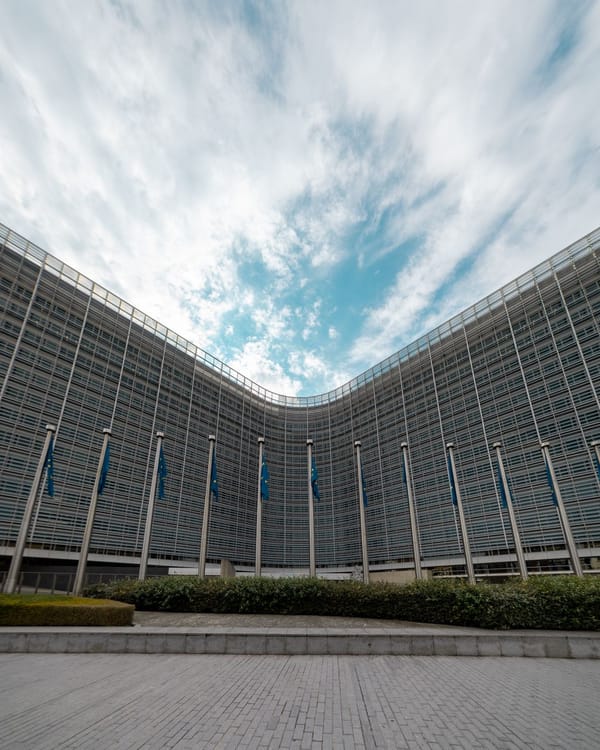
Politics
European Commission’s Major Decisions: €4.5M Fuel Aid, Pratt & Whitney Case, LNG Shipping, Ukraine’s 35th Independence Day – What They Mean for You
One decision could ease the pressure on fishing businesses dealing with expensive fuel. Another might give aircraft maintenance providers more freedom to source used parts. Then there’s a new LNG shipping venture, a day of remembrance, and a huge vote of confidence in Ukraine. A…
Read More...
Global Trend
EPAC 2026 Enrolment Open Until 15 September: Which Modular Patent Administration Exam Module Will You Pass First?
The next European Patent Administration Certification (EPAC) examination is set for 5 November 2026, with enrolment open until 15 September. This year brings a major change. The examination is fully modular. Each successfully completed module leads to an EPO Diploma, and candida…
Read More...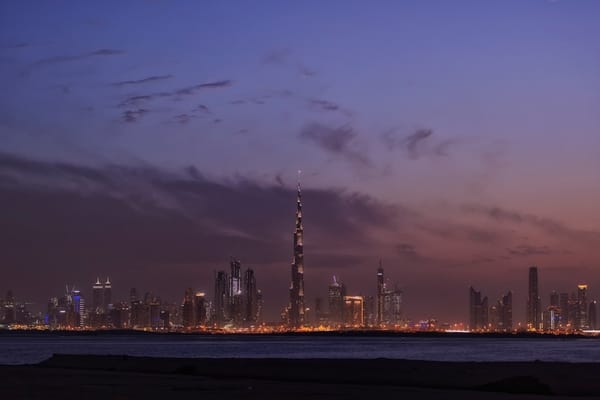
Global Trend
ATM 2026: Experience-Led Growth Is Transforming Middle East Hospitality. Are You Ready?
What does the next era of Middle East hospitality look like? The answer will take shape at Arabian Travel Market 2026, where the region’s hotel leaders, investors and technology pioneers gather from 14 to 17 September at Dubai World Trade Centre. The theme “Travel 2040: Driving…
Read More...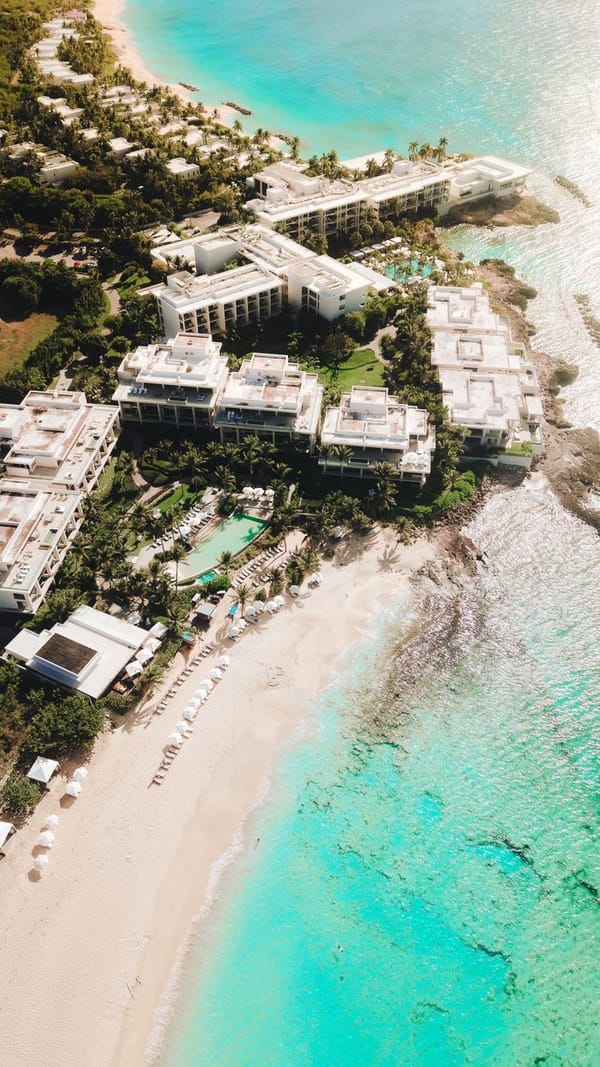
Global Trend
Planning a Festive Escape? Anguilla Named No. 1 Caribbean Destination for 2026 by Virtuoso
If you are planning a festive escape, this is a name you need to know. Virtuoso has just placed Anguilla at the top of the Caribbean for festive travel, and the news carries serious weight. The island is now ranked No. 1 in the region and No. 3 globally for the 2026 holiday seas…
Read More...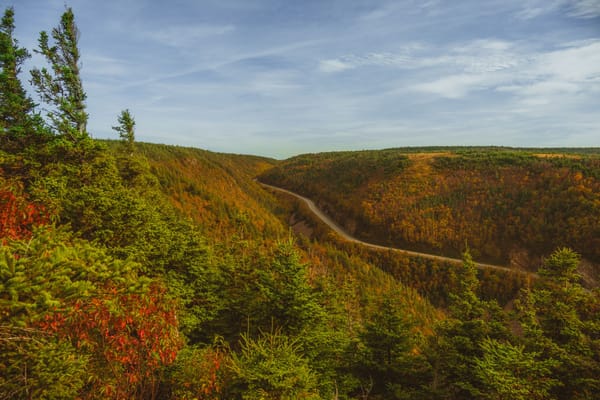
Global Trend
Canada in Autumn: 5 Quaint Towns, Harvest Festivals, and Food Trails You'll Want to Explore This Fall
Autumn in Canada shows up with arms full of red and gold. The nights get cooler, the air smells like wood smoke, and small towns suddenly have something to celebrate. If you're planning a fall trip, this is the season to hit the road and explore vineyards, harbours, farm fields,…
Read More...
Global Trend
Where Do $40 Billion in Caribbean Tourism Dollars Really Go? CHTA and FIU Launch Landmark Study
Tourism has long been the beating heart of the Caribbean economy. A pressing question continues to hover over the region: how much of the money visitors spend actually stays in Caribbean communities? A new partnership between the Caribbean Hotel and Tourism Association (CHTA) an…
Read More...
Global Trend
Discover Ancient Blessings and Modern Elephant Science at World Elephant Day 2026 in Thailand’s Golden Triangle
World Elephant Day has become one of the most important dates on the conservation calendar. Every 12 August, the global community looks closely at the challenges elephants face and the people who care for them. In 2026, Anantara Golden Triangle Elephant Camp & Resort turned the…
Read More...