
Your Next Big Adventure: 8 Exclusive Untamed Luxury Experiences Across Chile's 4,000-Kilometer Landscape
We compile, generate and translate using Artificial Intelligence from the below given source. Macro Micro News is responsible for its editorial publication.
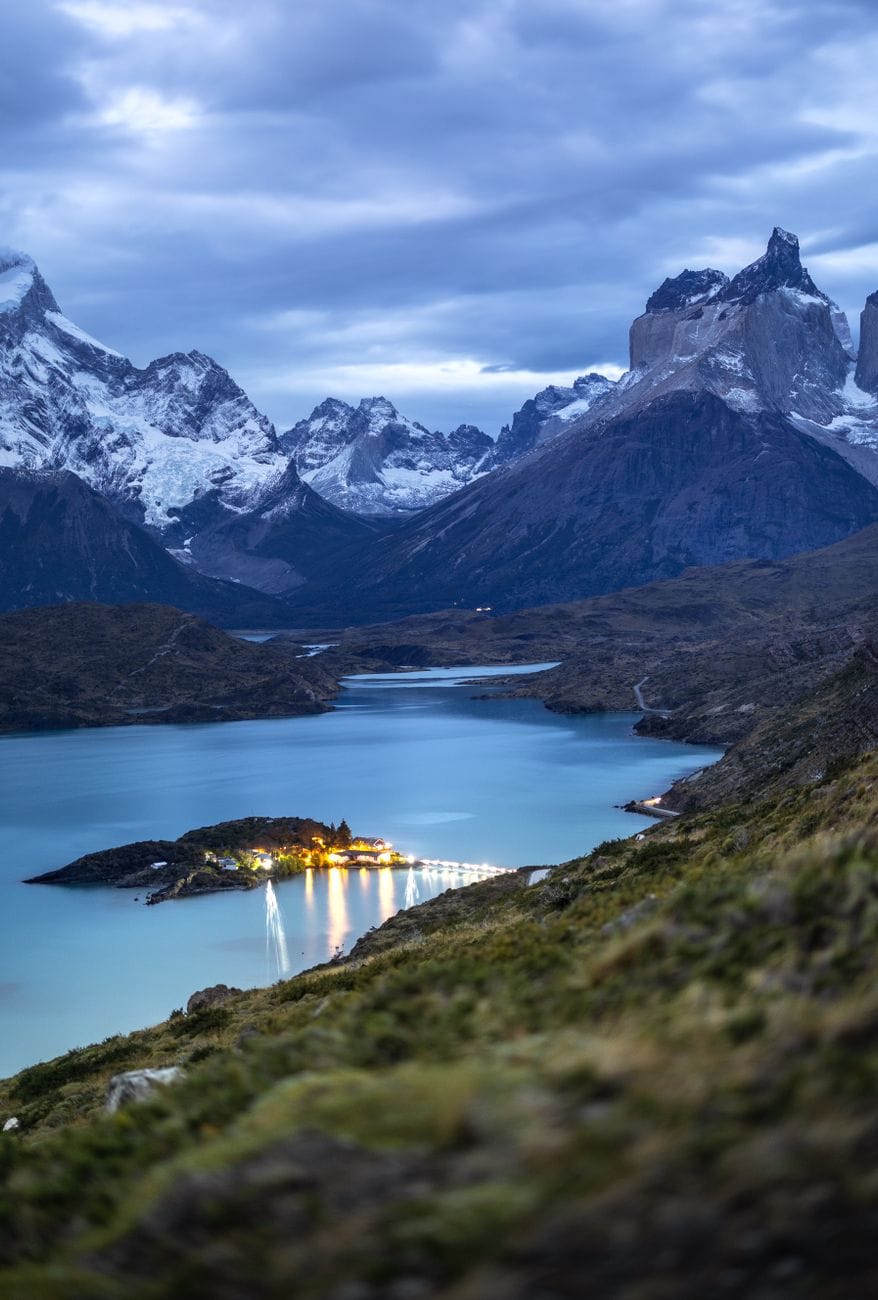
Santiago, Chile, MMN Correspondent: Chile is one of those places that gets under your skin before you even arrive. It takes roughly 4,000 kilometers to travel from the driest desert on Earth to the wild, icy edge of Antarctica. You could spend a week in one region and still feel like you have barely scratched the surface. What exactly makes this long, narrow country such a magnet for travelers who want something extraordinary?
The Atacama Desert sets the stage for an encounter with the cosmos. Some areas receive less than one millimeter of rainfall per year. Let that sink in. At elevations above 2,500 meters, and with almost no artificial light interfering, the night sky feels close enough to touch. Local observatories invite you to peer through powerful telescopes while expert astronomers point out the constellations. Some evenings turn into gourmet dinners under the open sky, with warm blankets and dishes inspired by northern Chile. It is a calm, humbling experience that makes you simply look up and wonder.
Move toward Santiago and the wine valleys, and luxury takes on a different flavor. Chile grows over 100,000 hectares of vineyards in regions like Casablanca, Colchagua, and Maipo. The resulting Cabernet Sauvignon, Carmenère, and Chardonnay have earned international applause. Boutique wineries open their cellars and terraces for private tastings, pairing each pour with sea bass from Valparaíso, grass-fed lamb from Patagonia, and vegetables from organic gardens. In Santiago, the Bellavista neighborhood hums with art galleries, recognizable restaurants, and boutique hotels designed with modern elegance. The city feels polished, creative, and full of life.
Continue south into the Lakes Region and you will find a quieter kind of retreat. The Hot Springs Route strings together natural thermal pools that feed on volcanic activity below the Andes. Water temperatures hover between 38 and 42 degrees Celsius, and the mineral-rich waters help people unwind after days of hiking or riding. Eco-lodges near Puyehue and Lago Ranco blend into the landscape, with private spa areas, forest trails, and guided wildlife excursions. This is a place where slow travel makes sense. You sit in warm water, listen to the forest, and feel the day fade away.
Then comes Torres del Paine National Park, one of the most dramatic places on the planet. Granite spires rise above turquoise lakes, ancient forests spread through alpine valleys, and glaciers crack and shift in the distance. Exclusive lodges such as Explora Patagonia and Singular organize treks, horseback rides, and wildlife watching with local guides. Guanacos graze across the plains, Andean condors drift overhead, and pumas move through the undergrowth with quiet confidence. The lodges run on renewable energy and employ people from surrounding communities, so every adventure supports the landscape it explores.
For travelers who want to venture even farther, the Patagonian fjords offer a doorway to the Antarctic. Small expedition vessels carry around 100 to 200 passengers through channels lined with temperate rainforests and massive ice formations. Zodiac boats bring you close to Magellanic penguin colonies, sea lions, and humpback whales. These journeys typically last 10 to 21 days and may reach Cape Horn, the southernmost point of the Americas. It is navigation on a grand scale, with every day presenting a new scene of raw, untouched splendor.
Chile’s island stories deepen the sense of discovery. Rapa Nui, better known as Easter Island, lies more than 3,700 kilometers from the mainland. The enormous moai statues stand as silent witnesses to generations of history. Visitors wander sacred sites like Ahu Tongariki, often at sunrise, and learn about the island’s culture through music, craft, and oral tradition. Then there is the Chiloé Archipelago, with more than 400 islands, palafito houses built over tidal waters, and a cuisine shaped by the sea. Both islands offer distinct perspectives on Chilean identity.
Chile’s commitment to careful tourism is part of what makes these experiences so valuable. Over 20% of its territory sits within national parks and reserves. The tourism industry has invested in eco-certification and community-led initiatives, creating opportunities for travelers to connect with local people in meaningful ways. The numbers show how well this approach works. In 2023, travel and tourism added more than $18 billion to Chile’s economy, and international arrivals have grown around 12% each year since 2020. Those are healthy signs for a destination determined to keep its wild places intact.
So what does luxury really mean in Chile? It means standing under a sky full of stars in the Atacama. It means tasting a glass of Carmenère while overlooking a sun-soaked vineyard. It means soaking in geothermal water as the Andes turn pink at dusk. It means following a puma track through Torres del Paine, or watching an iceberg drift past your ship near Cape Horn. Each of these moments invites you to feel fully alive. For travelers who seek authenticity, comfort, and a genuine connection to the world, Chile becomes an experience that stays with you long after you return home.
Related in Global Trend
Politics
Europe's Competitiveness Comeback: 6 Battlegrounds Every Business Leader Must Watch
What happens when the old economic certainties fade? You build new ones. Ursula von der Leyen took the stage at La Rencontre des Entrepreneurs de France, held at Roland Garros, and delivered a straightforward message to business leaders: Europe will produce, invest and protect.…
Read More...
Scientific Research
See the Ocean Breathe: Sentinel-6B Tracks El Niño and Rising Sea Levels Across 90% of Earth
. Hundreds of miles above Earth, satellites are watching the ocean breathe. The surface rises and falls with warmth, and those small changes tell a huge story about the planet. Sentinel-6B joined that story in November 2025, and it is already showing what a single satellite can…
Read More...
Politics
Europeans, Electrification Is Europe's Way Out After Two Energy Crises. Here's the 46% by 2040 Plan
Can Europe ever feel truly secure about its energy future? After two major energy crises in five years, that question is front and center. European Commission President Ursula von der Leyen used her video address to the Offshore Northern Seas conference in Stavanger to deliver a…
Read More...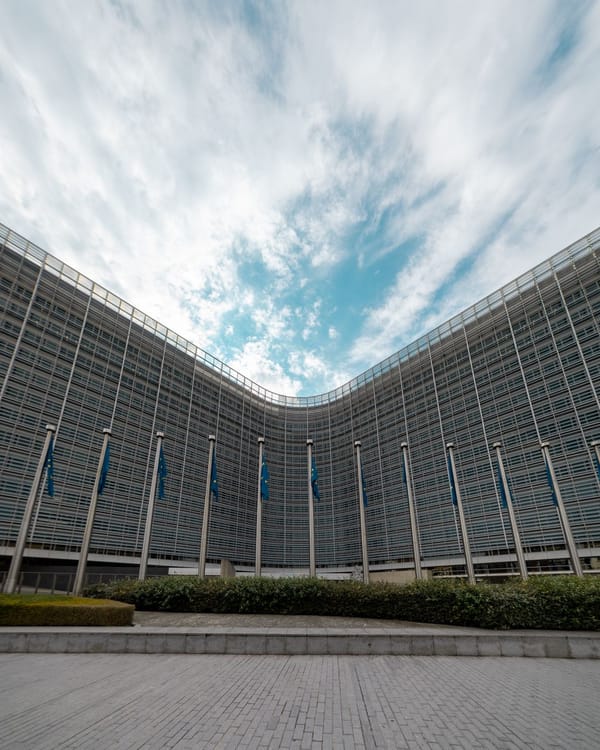
Politics
European Commission’s Major Decisions: €4.5M Fuel Aid, Pratt & Whitney Case, LNG Shipping, Ukraine’s 35th Independence Day – What They Mean for You
One decision could ease the pressure on fishing businesses dealing with expensive fuel. Another might give aircraft maintenance providers more freedom to source used parts. Then there’s a new LNG shipping venture, a day of remembrance, and a huge vote of confidence in Ukraine. A…
Read More...
Global Trend
EPAC 2026 Enrolment Open Until 15 September: Which Modular Patent Administration Exam Module Will You Pass First?
The next European Patent Administration Certification (EPAC) examination is set for 5 November 2026, with enrolment open until 15 September. This year brings a major change. The examination is fully modular. Each successfully completed module leads to an EPO Diploma, and candida…
Read More...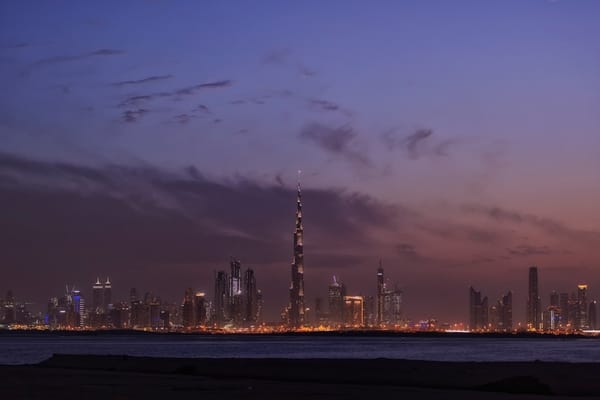
Global Trend
ATM 2026: Experience-Led Growth Is Transforming Middle East Hospitality. Are You Ready?
What does the next era of Middle East hospitality look like? The answer will take shape at Arabian Travel Market 2026, where the region’s hotel leaders, investors and technology pioneers gather from 14 to 17 September at Dubai World Trade Centre. The theme “Travel 2040: Driving…
Read More...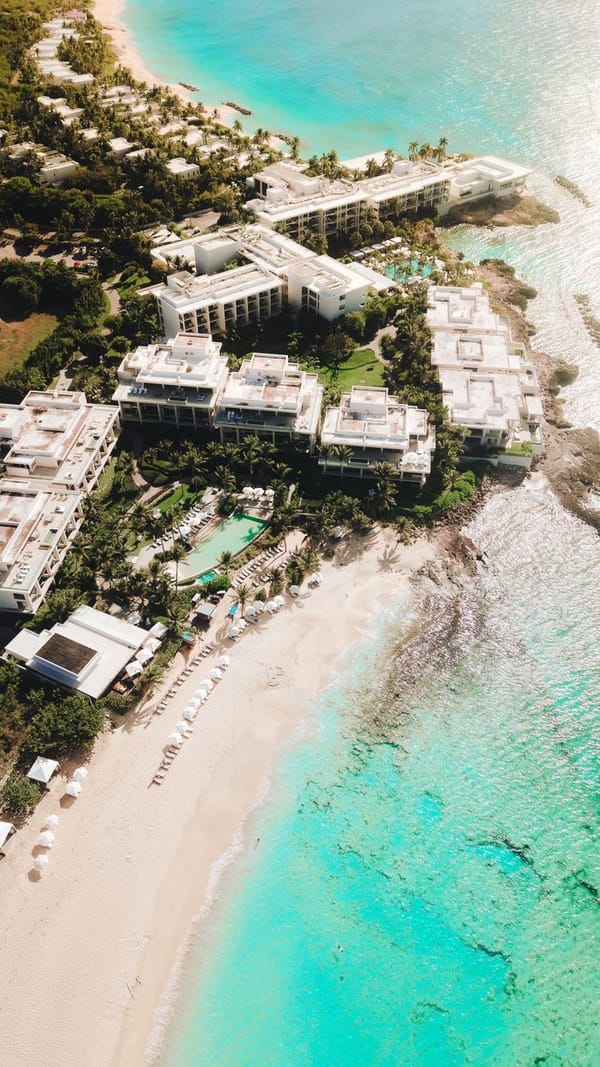
Global Trend
Planning a Festive Escape? Anguilla Named No. 1 Caribbean Destination for 2026 by Virtuoso
If you are planning a festive escape, this is a name you need to know. Virtuoso has just placed Anguilla at the top of the Caribbean for festive travel, and the news carries serious weight. The island is now ranked No. 1 in the region and No. 3 globally for the 2026 holiday seas…
Read More...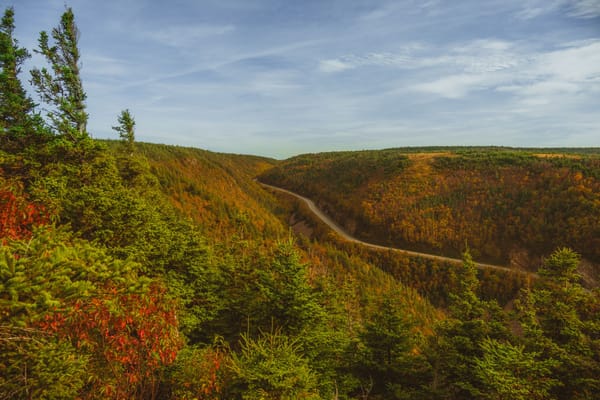
Global Trend
Canada in Autumn: 5 Quaint Towns, Harvest Festivals, and Food Trails You'll Want to Explore This Fall
Autumn in Canada shows up with arms full of red and gold. The nights get cooler, the air smells like wood smoke, and small towns suddenly have something to celebrate. If you're planning a fall trip, this is the season to hit the road and explore vineyards, harbours, farm fields,…
Read More...
Global Trend
Where Do $40 Billion in Caribbean Tourism Dollars Really Go? CHTA and FIU Launch Landmark Study
Tourism has long been the beating heart of the Caribbean economy. A pressing question continues to hover over the region: how much of the money visitors spend actually stays in Caribbean communities? A new partnership between the Caribbean Hotel and Tourism Association (CHTA) an…
Read More...
Global Trend
Discover Ancient Blessings and Modern Elephant Science at World Elephant Day 2026 in Thailand’s Golden Triangle
World Elephant Day has become one of the most important dates on the conservation calendar. Every 12 August, the global community looks closely at the challenges elephants face and the people who care for them. In 2026, Anantara Golden Triangle Elephant Camp & Resort turned the…
Read More...