
10,852 Abortions in 2025: Why Ireland’s Three-Day Reflection Period Could Be the Most Important Pause You’ve Never Considered

Dublin, Ireland, MMN Correspondent: Picture this: you walk into a clinic, heart racing, mind swirling with questions. You’ve made a decision, but something feels unfinished. Then you’re asked to wait three days. Not to judge you. Not to block you. Just to breathe. For over 10,000 women in Ireland last year, that pause changed everything.
In 2025, Ireland recorded 10,852 abortions, the highest number in its history. But here’s the part that rarely makes headlines: more than 10,000 women who attended their first appointment did not proceed. That’s not a statistic. That’s a story of second thoughts, of support networks discovered, of clarity found in the quiet space between a decision and an action.
The three-day waiting period was a cornerstone promise of the 2018 referendum that repealed the Eighth Amendment. Taoiseach Simon Harris, then a key campaigner, publicly assured the nation that this reflection window would be law. It helped sway millions to vote for reform, trusting that access would come with care. Now, three bills before Dáil Éireann aim to erase that promise.
Why would anyone want to remove a safeguard that, by the numbers, appears to be working? Proponents say it streamlines access and reduces delays. But critics point to a glaring gap: no one asked the women who changed their minds. When the Abortion Review Committee met in 2024, Aontú TD Peadar Tóibín asked the chair directly: had she spoken to any woman who initially sought an abortion but decided to continue after the three-day wait? The answer was no. Not one. The author of the report recommending removal admitted the same.
This isn’t about restricting choice. It’s about understanding what choice really means. For a woman facing a crisis pregnancy, the decision is rarely simple. Financial stress, relationship instability, or trauma can cloud judgment. The three-day window offers a chance to step back, seek counseling, and explore alternatives. For many, it becomes a turning point. Some discover family support they didn’t know existed. Others find inner strength they hadn’t tapped into.
Consider this: elective medical procedures like cosmetic surgery, sterilization, and even mole removal typically require waiting periods. Why? Because major decisions deserve time. Yet abortion, one of the most profound choices a person can make, is being treated as if it requires no such consideration. That inconsistency raises questions about how we value both the decision and the person making it.
Psychological research from international health bodies shows that while most women do not regret their abortion, a significant minority experience long-term emotional distress, especially if they acted under pressure or without sufficient reflection. The three-day period acts as a buffer against impulsive choices, reducing the risk of later remorse. It’s not a barrier. It’s a bridge to clarity.
Public opinion supports this approach. Independent polls show a majority of Irish citizens still favor the reflection period. There has been no mass protest demanding its removal. The push comes from legislative proposals, not grassroots outcry. This suggests that the current law reflects a balanced, humane approach that resonates with the public’s sense of fairness.
The petition led by Aontú, backed by thousands across Ireland, carries a simple message: keep the wait. Protect the reflection. Honor the promises made in 2018. The lives saved, the mothers supported, the families formed all trace back to a single, quiet three-day interval. In a world obsessed with speed, Ireland’s abortion law stands as a rare example of deliberate, compassionate policymaking.
As the Dáil debates these bills, the nation watches not just for legal change, but for moral direction. The decision to preserve or remove the three-day waiting period may define how Ireland chooses to honor both choice and conscience in the years ahead. The pause that saves thousands isn’t a delay. It’s a gift of time. And sometimes, time is the most powerful ally we have.
Related in Politics
Politics
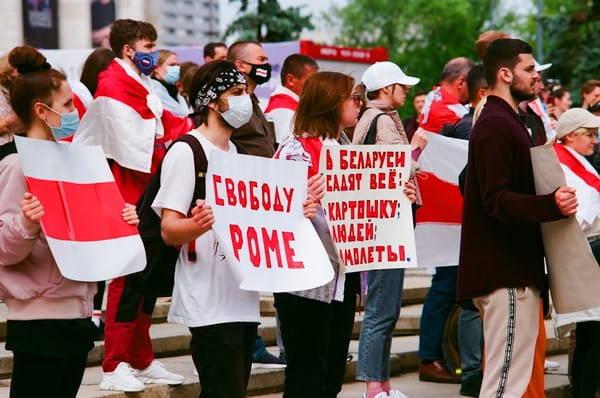
Poland’s Political Crossroads: Why Konfederacja Is Pushing for a State Tribunal Trial Over Ukraine Policy
Poland’s political landscape is heating up as the far-right coalition Konfederacja demands that former Minister of Justice Paweł Kosiniak-Kamysza face a State Tribunal trial. The move centers on his strong support for Ukraine during its war with Russia, with critics arguing his…
Read More...
Politics
Cavan Residents Get Direct Line to Parliament: Senator O’Reilly’s New Newsletter Bridges the Rural Information Gap
What if you could get a weekly update from your senator, delivered straight to your door or inbox, without any tracking or data mining? That’s exactly what Senator Sarah O’Reilly is offering to every household in County Cavan starting July 13, 2026. The initiative, announced on…
Read More...
Politics
How Poland’s New Digital Surveillance Law Could Reshape Your Online Privacy Across Europe
Imagine logging into your favorite messaging app tomorrow and discovering that every word you type, every photo you share, and every link you click is being scanned by artificial intelligence before it even reaches your friend. That scenario is no longer hypothetical. It is now…
Read More...
Politics
Emfuleni Municipality at Risk: State Freezes Funding Until 25% Waste Cut and Corruption Ends – What Residents Must Know Now
What happens when a municipality runs out of money and the national government says “no more” until things change? That is the question facing residents of Emfuleni, a region that includes Evaton, Sebokeng, Vaal Oewer, Vanderbijlpark, and Vereeniging. On July 9, 2026, the Nation…
Read More...
Politics
Volkswagen Faces 100,000 Job Cuts: Is Germany’s EV Dream Crumbling?
Deep in the heart of Germany’s industrial belt, a quiet storm is brewing. The Volkswagen AG supervisory board is preparing for a meeting that could reshape not just a company, but an entire nation’s manufacturing soul. Four German factories may close. Up to 100,000 jobs could va…
Read More...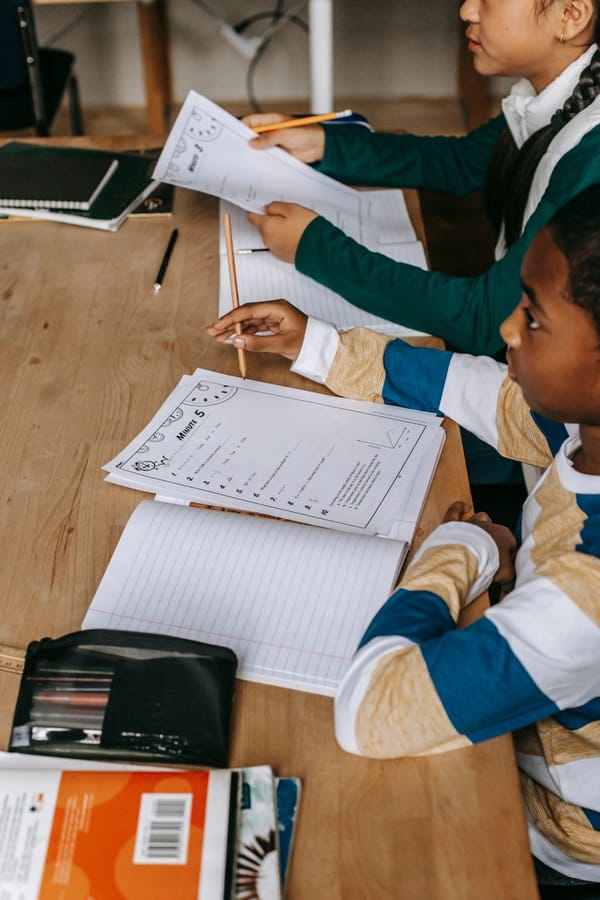
Politics
Are Mandatory iPads in Irish Schools Worth the Cost? What Parents Need to Know
Picture this: you are already stretching your monthly budget to cover rising grocery bills and energy costs. Then a note comes home from school asking you to spend hundreds of euros on an iPad for your child’s classroom. For families across Ireland, this scenario is becoming inc…
Read More...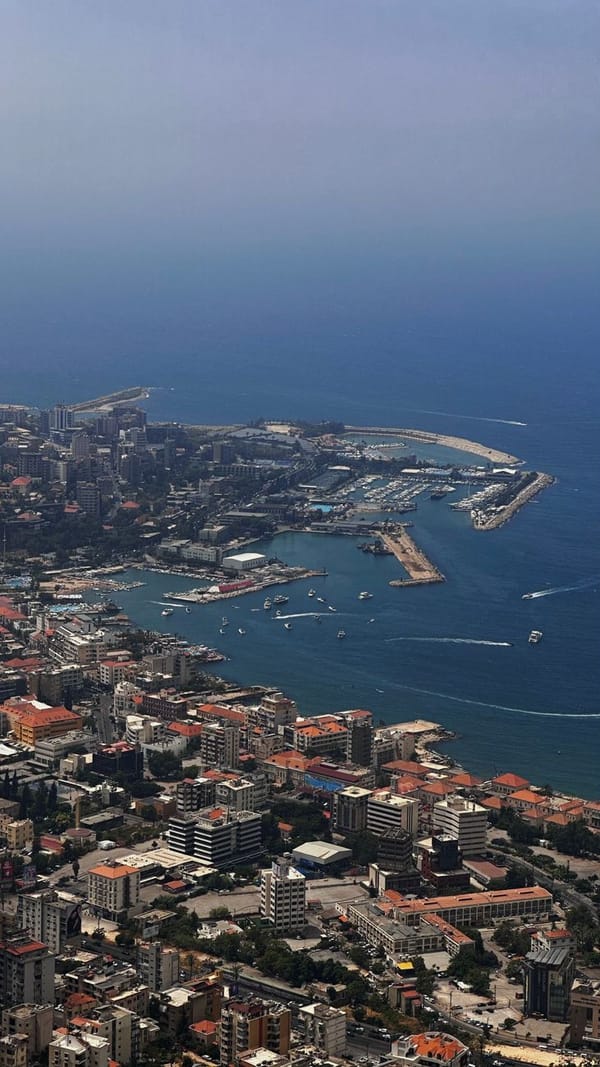
Politics
What the 2026 US Brokered Israel Lebanon Framework Agreement Means for the Middle East
In the summer of 2026, a diplomatic document signed in Washington, D.C., has set the Middle East ablaze with debate. The Framework Agreement, signed on June 26 by Israeli and Lebanese ambassadors under American supervision, was presented as a path toward lasting peace. Instead,…
Read More...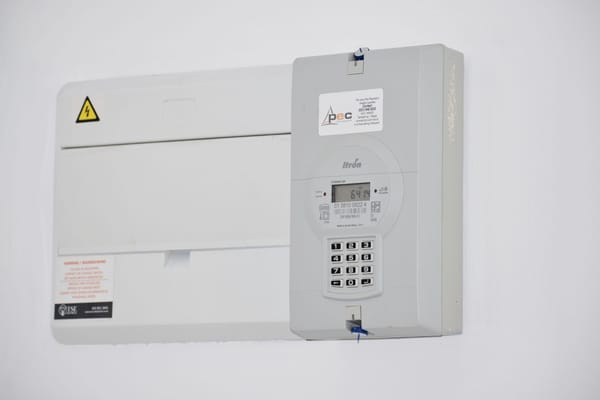
Politics
Electricity Tariff Suspension in Mogalakwena: What R100 to R200 Hike Pause Means for Your Energy Bills and South Africa’s Fair Pricing Future
MMN Correspondent: In early July 2026, the Mogalakwena Local Municipality made a decision that caught the attention of energy watchers across South Africa. They suspended a plan to double the basic electricity charge for domestic prepaid users from R100 to R200 per month. For a…
Read More...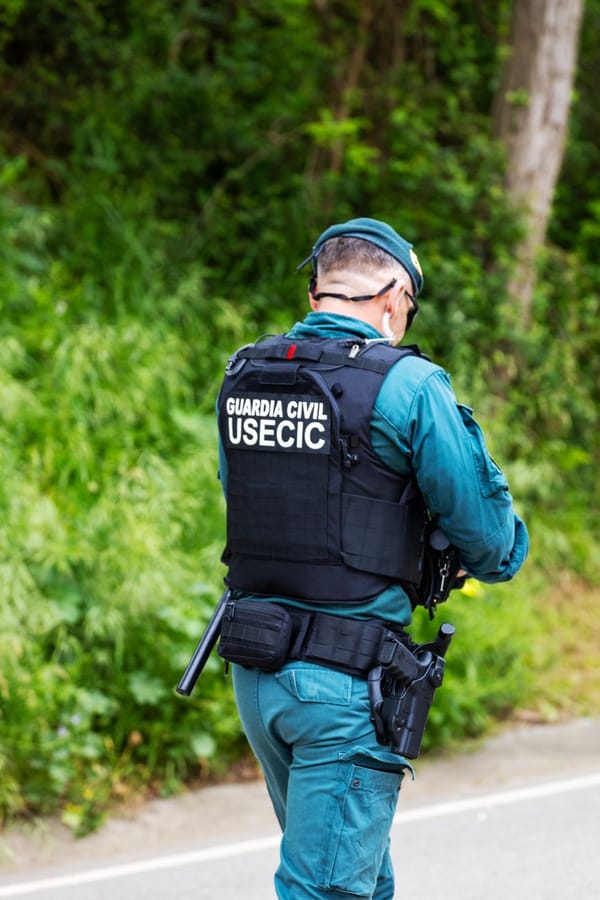
Politics
158 Gardaí Assaulted in Rural Ireland: What’s Behind the Rising Threat to Law Enforcement?
Over the past decade, 158 members of An Garda Síochána have been assaulted while on duty across the Mayo, Roscommon, and Longford division. That’s not just a number. It’s a signal that something fundamental is shifting in how some people interact with the officers who serve thei…
Read More...
Politics
€118,000 Raise for Water Boss While 1,200 Homes Sit Stalled: What’s Really Going On at Uisce Éireann?
Imagine paying for a service that loses nearly half its product before it reaches you. Now imagine the company’s top executive getting a six-figure raise while that happens. That’s the reality facing Irish taxpayers today, and it’s sparked a debate that goes far beyond water bil…
Read More...