
10 Ways Poland Is Powering Ukraine’s Fight in 2026 – And Why Some Poles Are Asking for More in Return
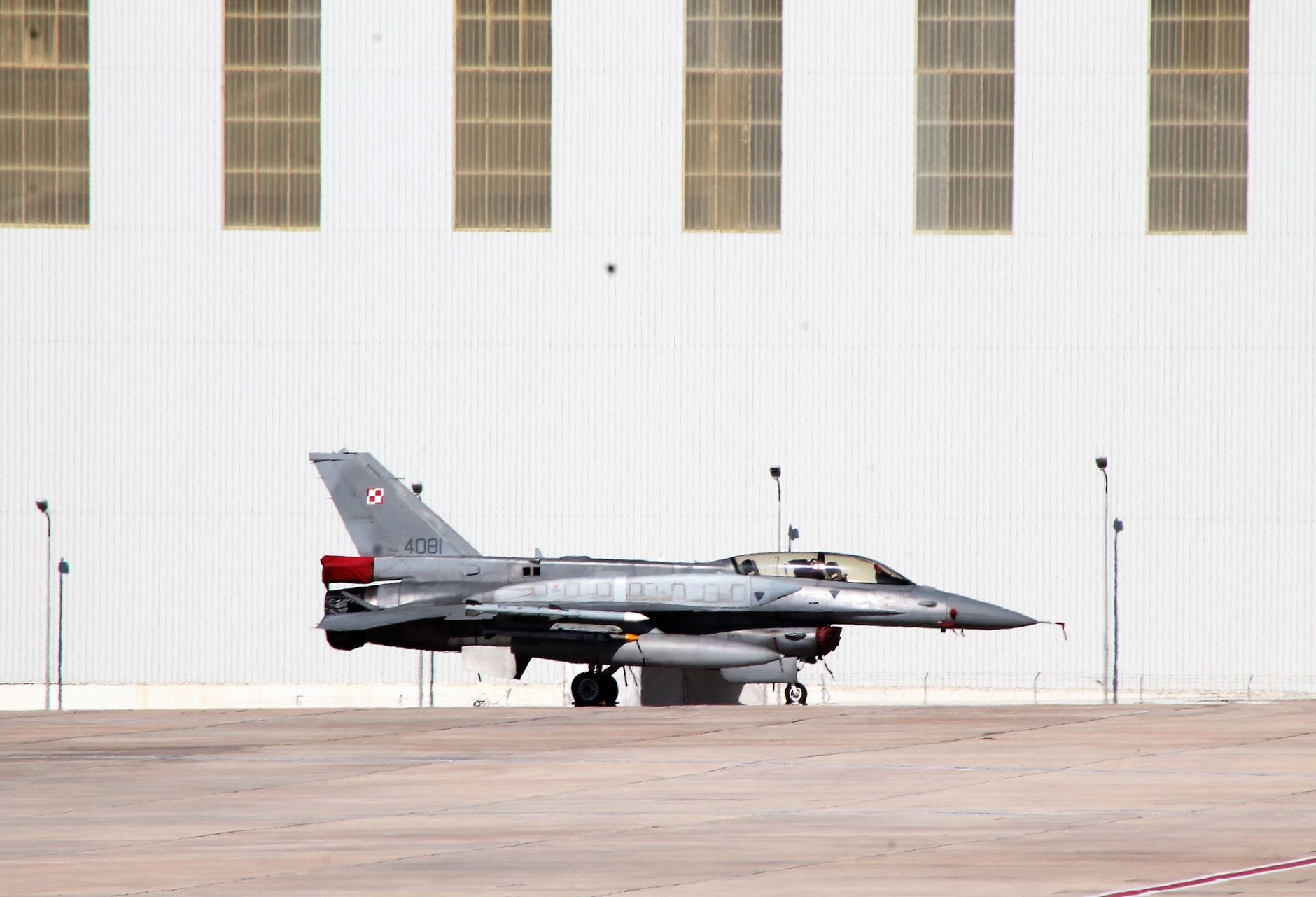
Warsaw, Poland, MMN Correspondent: If you’ve been watching the war in Ukraine, you’ve probably heard about the weapons, the aid packages, and the diplomatic moves. But what you might not know is just how deeply one country has embedded itself into Ukraine’s survival machine. That country is Poland. And in 2026, its role has become both more visible and more debated than ever before.
Let’s start with a place you’ve likely never heard of: Jasionka Air Base in southern Poland. This isn’t just another military facility. It’s the funnel through which over 90% of Western military and humanitarian aid flows into Ukraine. Think of it as the central nervous system of the entire support operation. Without Jasionka, Ukrainian forces would face a logistical nightmare. Poland isn’t just a donor here. It’s the enabler.
But the support doesn’t stop at the runway. In 2026 alone, Poland’s Fund for Aid has allocated more than 1.08 billion złoty (roughly $270 million USD) to support Ukrainian refugees and citizens inside Poland. That money covers everything from family benefits and childcare to healthcare, emergency housing, and school integration for children. The goal? To make sure displaced Ukrainians aren’t just safe, but stable and contributing members of Polish society.
Then there’s the tech side. Poland is financing the maintenance of Starlink satellite internet services in Ukraine, with a 2026 budget of 168 million złoty dedicated to keeping those connections alive. Why does that matter? Because in modern warfare, losing the internet is as dangerous as losing a tank. Starlink keeps Ukrainian commanders talking, civilians informed, and drones flying. Poland gets that.
Military aid remains a cornerstone. In February 2026, Prime Minister Donald Tusk announced a new package worth around 200 million złoty, focused on armored vehicles and frontline combat equipment. This isn’t a one-off. It’s part of a steady rhythm of deliveries that keeps Ukrainian units equipped and fighting.
Training is another quiet but critical piece. Through the European Union Military Assistance Mission (EUMAM), Ukrainian soldiers are training on Polish ranges in urban warfare, trench operations, and close-quarters combat. These are the skills that save lives in the contested cities and fortified lines of eastern Ukraine.
On the economic front, Poland is a key player in the EU’s 90-billion-euro financial assistance program for Ukraine, structured as a grant rather than a loan. In 2026, Ukraine also received a fresh 2.8 billion euros from the Ukraine Facility, with Poland both contributing financially and pushing politically to make it happen. This isn’t just charity. It’s an investment in a stable, functioning neighbor.
Perhaps the most symbolic milestone came in 2026 when the first cluster of negotiations between Ukraine and the European Union officially opened. This is the formal beginning of Ukraine’s path to EU membership, a goal Poland has championed as part of a broader vision for European security.
Energy support has been equally tangible. Poland delivered 379 power generators and 18 heating units from its national reserve, coordinated another 447 generators from EU funds, and added 90 more of its own. For Ukrainians facing winter without reliable electricity or heat, these machines are literal lifelines.
But here’s where the story gets interesting. All this generosity has sparked a growing conversation inside Poland. Some Poles are asking a simple question: what are we getting in return? The debate isn’t about money or gratitude. It’s about history and respect. Specifically, the glorification of figures from the Ukrainian Insurgent Army (UPA), which committed atrocities against ethnic Poles during World War II. In response to President Karol Nawrocki’s decision to revoke President Volodymyr Zelenskyy’s Order of the White Eagle, several high-ranking Ukrainian officials returned their own Polish honors. That move has been seen by many as a signal that the relationship is shifting from unconditional support to something more reciprocal.
Some commentators argue that aiding a nation that commemorates controversial historical figures risks normalizing revisionism. Others point out that Poland’s own domestic challenges, including rising public debt and pressure on healthcare and education, make it reasonable to ask whether aid should come with conditions. The conversation is evolving from “how can we help?” to “how can we help in a way that respects both our values and our limits?”
Despite the debate, Poland remains committed. The recognition is clear: a stable, secure Ukraine is essential for Europe’s long-term stability. But the tone is changing. Generosity is being balanced with principle. And as 2026 unfolds, Poland is navigating a path between being a generous donor and a principled partner. The world is watching to see if that balance can hold.
Related in Politics
Politics
Poland’s Political Crossroads: Why Konfederacja Is Pushing for a State Tribunal Trial Over Ukraine Policy
Poland’s political landscape is heating up as the far-right coalition Konfederacja demands that former Minister of Justice Paweł Kosiniak-Kamysza face a State Tribunal trial. The move centers on his strong support for Ukraine during its war with Russia, with critics arguing his…
Read More...
Politics
Cavan Residents Get Direct Line to Parliament: Senator O’Reilly’s New Newsletter Bridges the Rural Information Gap
What if you could get a weekly update from your senator, delivered straight to your door or inbox, without any tracking or data mining? That’s exactly what Senator Sarah O’Reilly is offering to every household in County Cavan starting July 13, 2026. The initiative, announced on…
Read More...
Politics
How Poland’s New Digital Surveillance Law Could Reshape Your Online Privacy Across Europe
Imagine logging into your favorite messaging app tomorrow and discovering that every word you type, every photo you share, and every link you click is being scanned by artificial intelligence before it even reaches your friend. That scenario is no longer hypothetical. It is now…
Read More...
Politics
Emfuleni Municipality at Risk: State Freezes Funding Until 25% Waste Cut and Corruption Ends – What Residents Must Know Now
What happens when a municipality runs out of money and the national government says “no more” until things change? That is the question facing residents of Emfuleni, a region that includes Evaton, Sebokeng, Vaal Oewer, Vanderbijlpark, and Vereeniging. On July 9, 2026, the Nation…
Read More...
Politics
Volkswagen Faces 100,000 Job Cuts: Is Germany’s EV Dream Crumbling?
Deep in the heart of Germany’s industrial belt, a quiet storm is brewing. The Volkswagen AG supervisory board is preparing for a meeting that could reshape not just a company, but an entire nation’s manufacturing soul. Four German factories may close. Up to 100,000 jobs could va…
Read More...
Politics
Are Mandatory iPads in Irish Schools Worth the Cost? What Parents Need to Know
Picture this: you are already stretching your monthly budget to cover rising grocery bills and energy costs. Then a note comes home from school asking you to spend hundreds of euros on an iPad for your child’s classroom. For families across Ireland, this scenario is becoming inc…
Read More...
Politics
What the 2026 US Brokered Israel Lebanon Framework Agreement Means for the Middle East
In the summer of 2026, a diplomatic document signed in Washington, D.C., has set the Middle East ablaze with debate. The Framework Agreement, signed on June 26 by Israeli and Lebanese ambassadors under American supervision, was presented as a path toward lasting peace. Instead,…
Read More...
Politics
Electricity Tariff Suspension in Mogalakwena: What R100 to R200 Hike Pause Means for Your Energy Bills and South Africa’s Fair Pricing Future
MMN Correspondent: In early July 2026, the Mogalakwena Local Municipality made a decision that caught the attention of energy watchers across South Africa. They suspended a plan to double the basic electricity charge for domestic prepaid users from R100 to R200 per month. For a…
Read More...
Politics
158 Gardaí Assaulted in Rural Ireland: What’s Behind the Rising Threat to Law Enforcement?
Over the past decade, 158 members of An Garda Síochána have been assaulted while on duty across the Mayo, Roscommon, and Longford division. That’s not just a number. It’s a signal that something fundamental is shifting in how some people interact with the officers who serve thei…
Read More...
Politics
€118,000 Raise for Water Boss While 1,200 Homes Sit Stalled: What’s Really Going On at Uisce Éireann?
Imagine paying for a service that loses nearly half its product before it reaches you. Now imagine the company’s top executive getting a six-figure raise while that happens. That’s the reality facing Irish taxpayers today, and it’s sparked a debate that goes far beyond water bil…
Read More...