
15 of Gauteng’s 40 Municipalities Are Failing: What This Means for Your Services and Vote in 2026
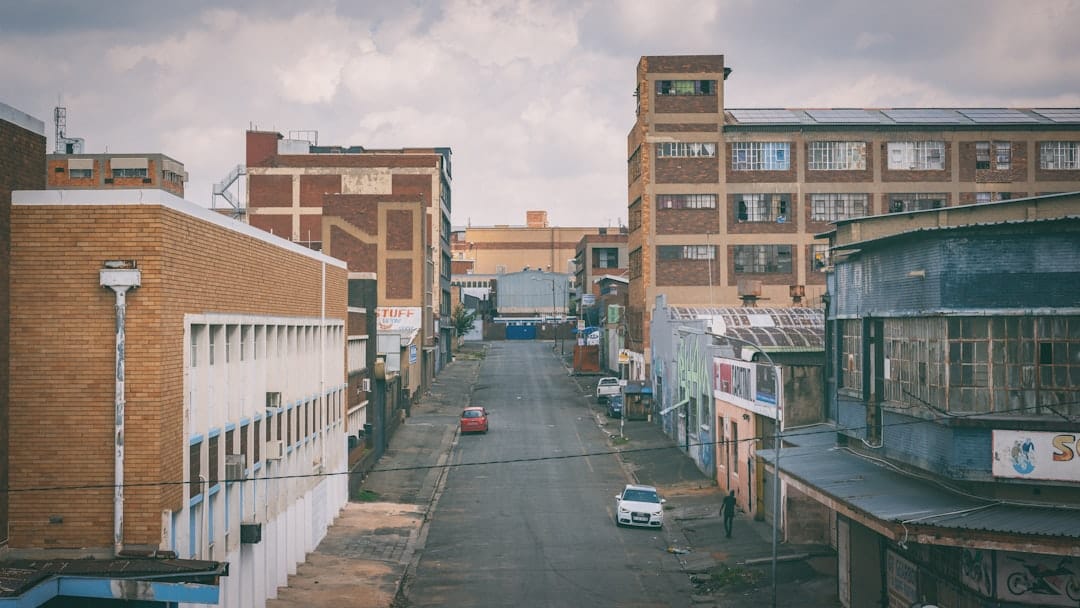
Johannesburg, Gauteng, South Africa, MMN Correspondent: If you live in Gauteng, you’ve probably felt it. The lights flicker more often. The water pressure drops without warning. The potholes on your street seem to grow overnight. And when you try to report it, the municipal hotline either rings endlessly or sends you on a bureaucratic loop. This isn’t just your imagination. It’s the symptom of something much bigger.
As of June 2026, more than 15 of Gauteng’s 40 local municipalities are officially classified as high risk or failing. That’s over a third of the province’s local governments struggling to deliver the basics. The numbers behind this are staggering: municipal debt has piled up, revenue collection is weak, and in some areas, more than 40% of treated water is lost before it ever reaches your tap. These aren’t just statistics. They represent a breakdown in the systems that keep daily life running.
Take a moment to think about what that means for your household. When water losses hit 40%, it’s not just an infrastructure problem. It’s a health risk, a cost burden, and a sign that the institutions meant to serve you are struggling to keep up. Communities in Ekurhuleni, Tshwane, and Soweto have been living with this reality for years. Frequent power outages, unreliable water supply, poorly maintained roads, and overflowing waste systems have become the new normal. And the consequences are real. Outbreaks of waterborne diseases have recurred, especially among children and the elderly.
So what’s gone wrong? The answer isn’t simple, but it starts with decades of mismanagement, political instability, and institutional decay. The Auditor General’s annual reports have repeatedly flagged unexplained financial transactions, non compliance with procurement laws, and evidence of corruption at various administrative levels. Yet meaningful consequences have been rare. Leadership positions in many municipalities remain filled by officials with no track record of delivering results. The provincial government, which has a constitutional duty under Section 151 to step in when local municipalities fail, has been criticized for not acting decisively enough.
But here’s where it gets interesting. The upcoming local government elections on 4 November 2026 are forcing a shift. Voter turnout has historically been low in many areas, but that’s changing. Civil society groups and opposition parties like the Freedom Front Plus are mobilizing to raise awareness. Voters are no longer satisfied with campaign promises. They want transparency, competence, and tangible improvements in service delivery. Pieter Groenewald, former leader of the Freedom Front Plus and Minister of Correctional Services, put it bluntly during a parliamentary address earlier this year: “There comes a time when you have to kick butt.” His call for strict oversight, performance based evaluations, and real consequences for underperformance is resonating with a public tired of empty rhetoric.
The good news is that solutions exist. Experts recommend integrated asset management systems, digitized billing and revenue collection platforms, and independent municipal monitoring units. Capacity building programs for municipal staff, especially in finance and engineering, could restore operational efficiency. Some municipalities have already started pilot projects using smart metering technology to detect water losses and mobile apps for residents to report service disruptions. These initiatives are promising, but they remain isolated and underfunded. What they need is coordinated provincial support and sustained investment.
International observers have taken note too. The World Bank and the United Nations Development Programme have highlighted that weak local governance undermines national development goals. The UNDP’s 2025 Urban Resilience Index ranked Gauteng’s municipalities among the lowest in sub Saharan Africa due to systemic vulnerabilities in infrastructure and governance. That’s a wake up call not just for politicians, but for every resident who wants to see the province thrive.
Beyond politics, the crisis has real economic implications. Business owners cite unreliable utilities and poor road conditions as deterrents to investment. Tourism, a vital sector for Gauteng, suffers when visitors avoid areas with visible neglect. The cumulative impact on GDP growth and job creation is significant. But here’s the opportunity: fixing these systems could unlock new economic potential, attract investment, and improve quality of life for millions.
As the election season approaches, the message is clear. Competent leadership, transparency, and accountability are no longer optional. They are fundamental to the survival of functional democracy in Gauteng. The clock is ticking, and the time for decisive action is now. The question is: will voters demand it, and will leaders deliver?
Related in Politics
Politics
Poland’s Political Crossroads: Why Konfederacja Is Pushing for a State Tribunal Trial Over Ukraine Policy
Poland’s political landscape is heating up as the far-right coalition Konfederacja demands that former Minister of Justice Paweł Kosiniak-Kamysza face a State Tribunal trial. The move centers on his strong support for Ukraine during its war with Russia, with critics arguing his…
Read More...
Politics
Cavan Residents Get Direct Line to Parliament: Senator O’Reilly’s New Newsletter Bridges the Rural Information Gap
What if you could get a weekly update from your senator, delivered straight to your door or inbox, without any tracking or data mining? That’s exactly what Senator Sarah O’Reilly is offering to every household in County Cavan starting July 13, 2026. The initiative, announced on…
Read More...
Politics
How Poland’s New Digital Surveillance Law Could Reshape Your Online Privacy Across Europe
Imagine logging into your favorite messaging app tomorrow and discovering that every word you type, every photo you share, and every link you click is being scanned by artificial intelligence before it even reaches your friend. That scenario is no longer hypothetical. It is now…
Read More...
Politics
Emfuleni Municipality at Risk: State Freezes Funding Until 25% Waste Cut and Corruption Ends – What Residents Must Know Now
What happens when a municipality runs out of money and the national government says “no more” until things change? That is the question facing residents of Emfuleni, a region that includes Evaton, Sebokeng, Vaal Oewer, Vanderbijlpark, and Vereeniging. On July 9, 2026, the Nation…
Read More...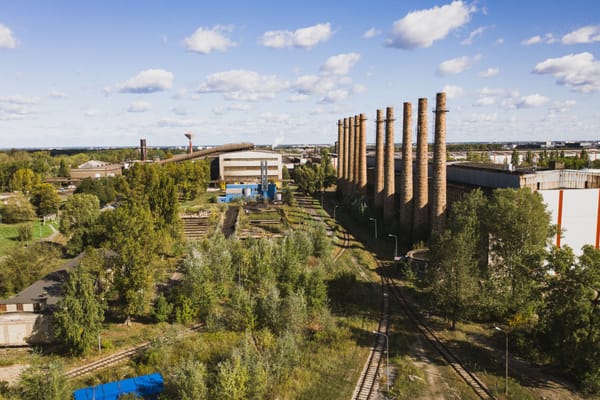
Politics
Volkswagen Faces 100,000 Job Cuts: Is Germany’s EV Dream Crumbling?
Deep in the heart of Germany’s industrial belt, a quiet storm is brewing. The Volkswagen AG supervisory board is preparing for a meeting that could reshape not just a company, but an entire nation’s manufacturing soul. Four German factories may close. Up to 100,000 jobs could va…
Read More...
Politics
Are Mandatory iPads in Irish Schools Worth the Cost? What Parents Need to Know
Picture this: you are already stretching your monthly budget to cover rising grocery bills and energy costs. Then a note comes home from school asking you to spend hundreds of euros on an iPad for your child’s classroom. For families across Ireland, this scenario is becoming inc…
Read More...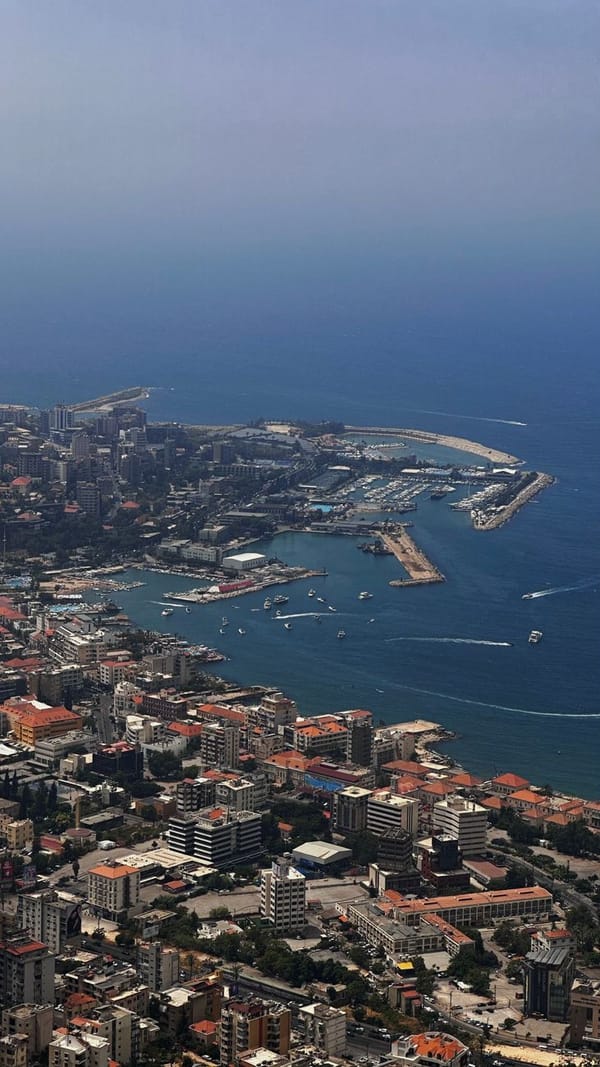
Politics
What the 2026 US Brokered Israel Lebanon Framework Agreement Means for the Middle East
In the summer of 2026, a diplomatic document signed in Washington, D.C., has set the Middle East ablaze with debate. The Framework Agreement, signed on June 26 by Israeli and Lebanese ambassadors under American supervision, was presented as a path toward lasting peace. Instead,…
Read More...
Politics
Electricity Tariff Suspension in Mogalakwena: What R100 to R200 Hike Pause Means for Your Energy Bills and South Africa’s Fair Pricing Future
MMN Correspondent: In early July 2026, the Mogalakwena Local Municipality made a decision that caught the attention of energy watchers across South Africa. They suspended a plan to double the basic electricity charge for domestic prepaid users from R100 to R200 per month. For a…
Read More...
Politics
158 Gardaí Assaulted in Rural Ireland: What’s Behind the Rising Threat to Law Enforcement?
Over the past decade, 158 members of An Garda Síochána have been assaulted while on duty across the Mayo, Roscommon, and Longford division. That’s not just a number. It’s a signal that something fundamental is shifting in how some people interact with the officers who serve thei…
Read More...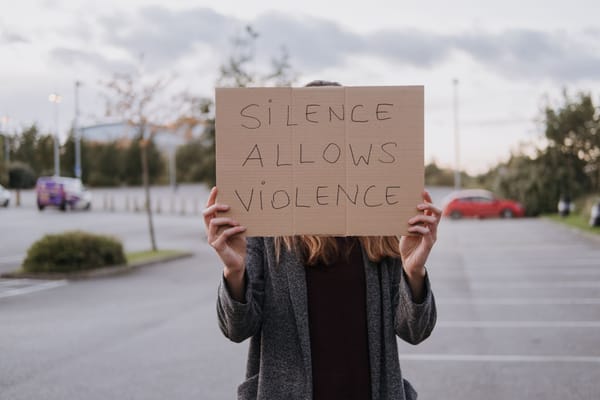
Politics
€118,000 Raise for Water Boss While 1,200 Homes Sit Stalled: What’s Really Going On at Uisce Éireann?
Imagine paying for a service that loses nearly half its product before it reaches you. Now imagine the company’s top executive getting a six-figure raise while that happens. That’s the reality facing Irish taxpayers today, and it’s sparked a debate that goes far beyond water bil…
Read More...