
2026 World Cup Workers Face Extreme Heat: 16 Cities, 95°F+ Temps, and What It Means for You
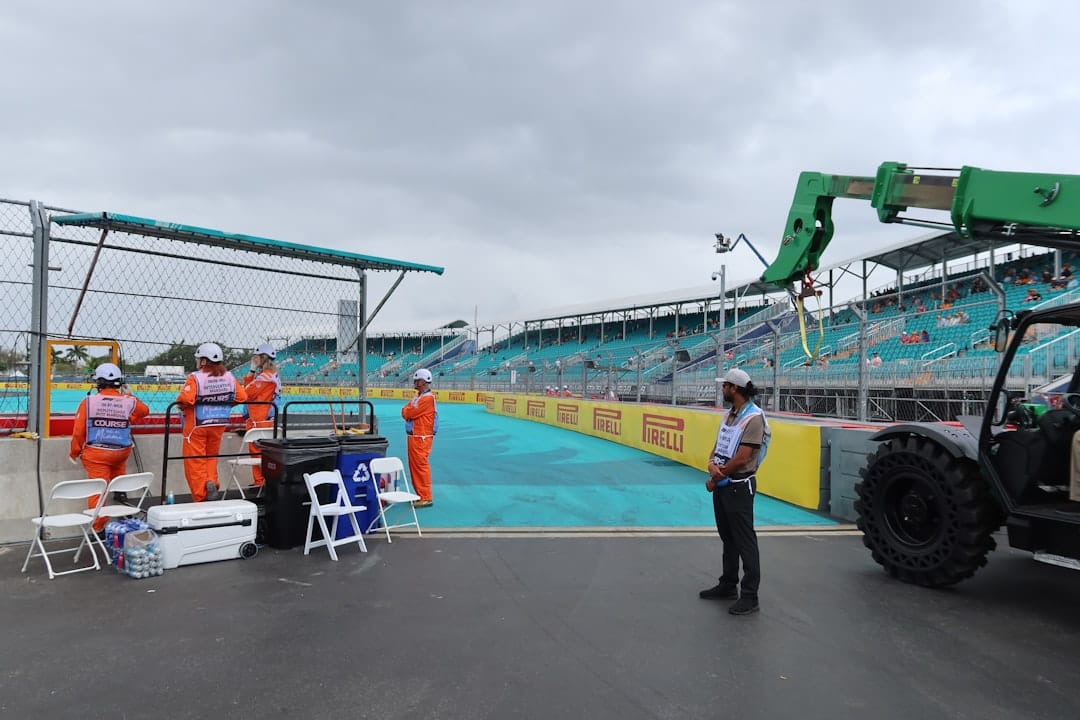
Miami, Florida, MMN Correspondent: As the 2026 FIFA World Cup approaches, a quiet but urgent conversation is unfolding among labor advocates, climate scientists, and public health experts. The focus isn't on the teams or the trophies. It's on the people who make the tournament possible: the workers. With matches spread across 16 cities in North America, including 11 in the United States, the question on many minds is how extreme heat will affect those building, serving, and securing the event. The answer could reshape how we think about major sporting events in a warming world.
Consider this: in southern host cities like Miami, Houston, Dallas, and Atlanta, game day temperatures are expected to climb above 95°F (35°C). When you add humidity, the heat index can feel even more intense. These conditions go beyond what occupational health standards consider safe. Thousands of temporary and contract workers, many not used to such heat, will be on the front lines. A study led by geographer Andrew Grundstein from the University of Georgia found that nearly every U.S. World Cup venue will experience heat stress levels above recommended limits during match days. That’s a lot of people in a lot of heat.
Heat is the top weather related cause of death globally, more than hurricanes, floods, and wildfires combined. The 2022 World Cup in Qatar showed us what can happen when workers face extreme temperatures. In Doha, construction and event staff dealt with heat above 115°F (46°C), leading to multiple fatalities and widespread illness. Now, North America faces its own test. The scale of operations here is massive, and the number of frontline workers is enormous. The question isn’t whether heat will be a factor. It’s how we prepare for it.
The workforce behind the 2026 World Cup includes delivery drivers, security guards, concession staff, ticket takers, maintenance crews, medical teams, and volunteers. Many work long shifts under direct sunlight, often without easy access to shade, water, or rest. Some stadiums, like those in Miami, New York City, and Kansas City, don’t have full air conditioning, which adds to the challenge for outdoor workers. Roles that require heavy lifting, running, or wearing heavy costumes, like mascots, increase the risk of heat related illness even more.
FIFA has announced several safety measures. Matches are scheduled for late afternoon and evening to avoid peak heat. Venues will have shaded seating, misting systems, hydration stations, and real time weather monitoring. A task force of heat experts will be on site, and medical teams will be at every venue. Work rest schedules are also planned to help workers cool down between shifts. These steps show awareness of the issue.
But some advocates say the plan has gaps. Jonathan Alingu, co executive director of Central Florida Jobs With Justice, points out that many workers start their shifts hours before kickoff, often during the hottest part of the day. These early hours aren’t always covered by the protective protocols. “They’re out there working in the sun before the fans even arrive,” Alingu said. “FIFA hasn’t addressed shift start times, which is a critical gap.” It’s a detail that could make a big difference.
There are also systemic challenges in key host states. Florida and Texas, both hosting multiple matches, have laws that prevent local governments from enforcing workplace heat safety rules. That means cities can’t require water breaks, cooling zones, or mandatory rest periods, even during a global event like the World Cup. Only seven U.S. states have enforceable heat safety standards, and just two of them, California and Washington, are hosting games. Without federal legislation, workers in other states depend on their employers for protection.
Jordan Barab, former deputy assistant secretary of labor at OSHA, notes that the tools to prevent heat illness have been known for decades. Simple steps like scheduled breaks, water access, shaded rest areas, and heat safety training are low cost and effective. Yet enforcement is inconsistent. Under recent administrations, OSHA’s focus on heat safety has weakened, and the agency lacks the staff and authority to mandate compliance in most workplaces.
Temporary workers are especially vulnerable. Many are migrants or seasonal employees from cooler regions, so their bodies haven’t had time to adjust to the heat. Grundstein explains that acclimatization helps the body regulate temperature through better sweating and cardiovascular adaptation. Without it, even moderate heat can cause serious strain. It’s a reminder that preparation isn’t just about infrastructure. It’s about people.
Unionized workers, like those represented by SEIU Local 1 in Kansas City, have secured some protections through collective bargaining. They have guaranteed access to water, cooling towels, and portable fans during heat spikes. But even these measures can feel insufficient when temperatures soar. “It’s never enough when it gets hot,” said Luisangel Rodriguez, a union spokesperson. That honesty reflects the reality of working in extreme conditions.
Efforts to create cooling hubs at fan festival sites in Miami, where thousands of workers will gather, have not yet received responses from officials. Yareliz Mendez Zamora, policy coordinator for the American Friends Service Committee, has called for designated spaces with shade, hydration, and support services. Despite repeated outreach, Miami Dade County, the World Cup fan festival committee, and FIFA have not replied. It’s a silence that speaks volumes.
As the tournament approaches, labor groups are preparing to monitor conditions closely. “We’re now in a mode of needing to observe and report what’s happening,” Alingu said. “We can’t just assume things are going to be fine.” That vigilance could be key to ensuring safety.
With climate change accelerating global warming, Earth has warmed by over 1°F since the last North American World Cup. The stakes are higher than ever. The 2026 World Cup is more than a sporting event. It’s a chance to see how societies prioritize human safety in a changing climate. FIFA has stated its commitment to worker well being, but the real test lies in local implementation, political will, and corporate accountability. Until systemic protections are in place nationwide, the true measure of this World Cup may not be the goals scored, but the lives protected from preventable heat exposure.
Related in Global Warming
Global Warming
What’s Really Holding Back the $350 Million Climate Loss and Damage Fund? 180 Projects, $2.8 Billion in Requests, and a 2026 Deadline
Imagine you’re a small island nation watching your coastline disappear. Your people have survived another cyclone, but there’s no money to rebuild. You hear about a new global fund designed exactly for this moment. You apply. You wait. And then you learn the fund has only enough…
Read More...
Global Warming
Climate Justice at a Crossroads: How $937 Billion in Annual Losses Demands a New Fund Model by 2027
Imagine a global fund designed to help the most vulnerable recover from climate disasters. It was created with hope and fanfare in 2022. Now, just a few years later, that fund is running on empty. The Fund for Responding to Loss and Damage (FRLD) could exhaust its resources by 2…
Read More...
Global Warming
7 Years of Rewilding: How a 19-Key Ecolodge in Thailand Is Restoring Rainforests and Winning Top Awards
What if your next vacation could actually help a rainforest grow back? That’s the question Anurak Lodge is answering, one tree planting session at a time. Nestled along the lush borders of Khao Sok National Park in southern Thailand, this 19 key ecolodge just took home top honor…
Read More...
Global Warming
Coastal Communities Hold the Key to a $2.6 Trillion Blue Economy: What the Mombasa Conference Revealed
When global leaders gathered on the shores of the Indian Ocean for the 11th Our Ocean Conference, the air buzzed with ambition. Billions of dollars in new commitments were announced. Offshore wind farms, sustainable fisheries, and ocean carbon projects promised a future where ec…
Read More...
Global Warming
4 Ugandan Farmers vs. a 1,443 km Oil Pipeline: Can a London Court Stop It?
Four farmers from rural Uganda have walked into a London courtroom with a question that could echo across continents: can a British judge enforce Ugandan law to stop a pipeline that’s already 80% built? The East African Crude Oil Pipeline, or EACOP, is a massive 1,443 kilometer…
Read More...
Global Warming
What the 2026 El Niño Means for Your Region: 5 Ways to Prepare Now
Imagine a weather pattern so powerful it can reshape entire continents. That is exactly what scientists are tracking right now. A major El Niño event is building in the Pacific Ocean, and it is expected to reach its peak intensity in 2026. This is not just another seasonal shift…
Read More...
Global Warming
Over 25 Dead in U.S. Heatwave: What’s Driving the 100°F Crisis?
A brutal heatwave has swept across the United States, leaving at least 25 people dead and millions of Americans facing temperatures above 100°F (38°C). This isn’t just another hot summer day. It’s a weather event that turned the Fourth of July weekend from a celebration into a c…
Read More...
Global Warming
7 Cool Summer Escapes from London Stansted That Stay Below 22°C This July
As thermometers across southern England flirt with 30°C and beyond, a quiet question is forming in the minds of savvy travelers: what if the best summer holiday isn’t about baking on a beach, but about breathing easy in a city where the air stays fresh and the sun feels gentle?…
Read More...
Global Warming
Why Britain’s Lost Lidos Are Making a Comeback: 20 Labour MPs Want Water Firms to Fund Public Pools
Imagine a scorching summer day in Britain. The heat is relentless. You crave a cool escape, but the nearest public pool is miles away or closed for good. That’s the reality for millions today. But a growing movement of Labour MPs and policy experts is working to change that. The…
Read More...
Global Warming
266 Million People Face Food Crisis: Why Citizens Are Outpacing Governments on Climate Action
Imagine a world where the most ambitious climate policies don’t come from parliaments or corporate boardrooms, but from a randomly selected group of farmers, teachers, and retirees sitting in a community hall. That world is already here. While national governments struggle to tu…
Read More...