
Climate Justice at a Crossroads: How $937 Billion in Annual Losses Demands a New Fund Model by 2027
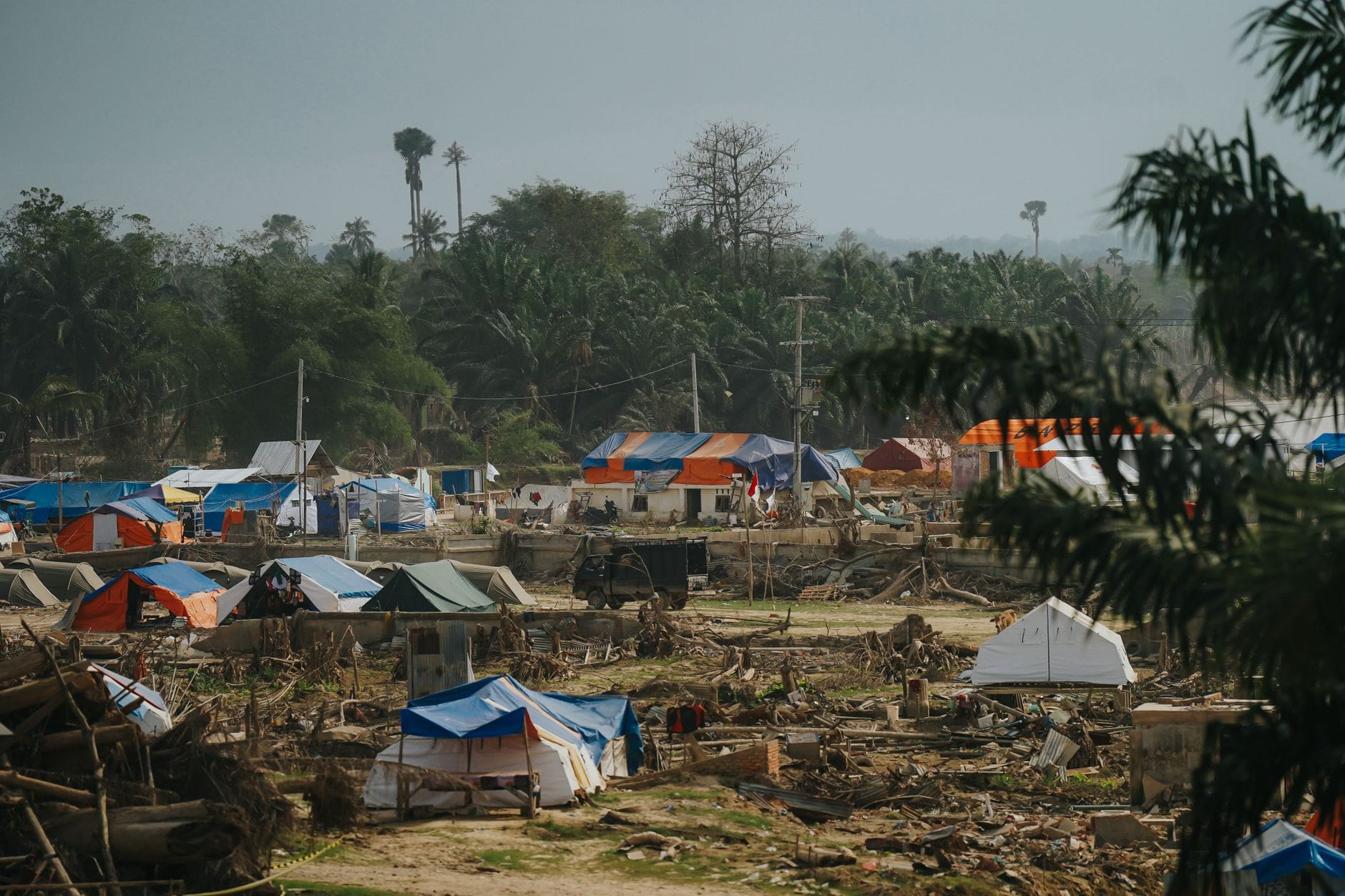
Geneva, Switzerland, MMN Correspondent: Imagine a global fund designed to help the most vulnerable recover from climate disasters. It was created with hope and fanfare in 2022. Now, just a few years later, that fund is running on empty. The Fund for Responding to Loss and Damage (FRLD) could exhaust its resources by 2027. Meanwhile, the annual cost of climate losses for vulnerable nations has already crossed $937 billion. That is not a gap. It is a chasm.
What happens when a tool meant for justice becomes a symbol of broken promises? The answer lies in how we rethink the entire approach. The FRLD was never just about money. It was about accountability. Communities in Africa, Small Island Developing States, and South Asia did not cause the climate crisis. Yet they face its worst consequences. Cyclones, droughts, and floods are not random acts of nature. They are predictable outcomes of a system that has failed to share responsibility.
Consider this. In 2023, Tropical Cyclone Freddy hit Malawi. It killed over 1,200 people, displaced half a million, and caused damages exceeding $500 million. That single disaster would consume more than ten times the total amount currently in the FRLD. Hurricane Melissa cost Jamaica $12.2 billion. A series of cyclones in the Philippines added over $5 billion in losses. The math is simple. The scale of harm is far beyond what the current fund can handle.
So where does the money go? Pledges to the FRLD have reached only $822 million. That is less than 1% of what is needed annually. Of that, just $448 million has actually been disbursed. The shortfall is not about a lack of awareness. It is about a lack of political will. Wealthy nations, historically responsible for most greenhouse gas emissions, have delayed or diluted their commitments. Communities on the frontlines are left to rebuild from scratch, often with no support at all.
One of the biggest problems is how the money flows. Most climate finance passes through governments, multilateral banks, or international agencies. This creates delays, bureaucracy, and misaligned priorities. For the FRLD to work, it must shift toward direct, community-based disbursement. Local organizations, grassroots movements, and indigenous groups know the terrain. They have the trust and the networks to act fast. When communities design and manage their own recovery, outcomes improve. In Malawi, community grants have helped restore livelihoods, rebuild infrastructure, and strengthen long-term resilience. All without waiting for approval from distant capitals.
The upcoming Resource Mobilisation Strategy for the FRLD is a pivotal moment. It can move beyond voluntary pledges. It can establish mandatory, progressive mechanisms that hold high-emitting states, corporations, and ultra-wealthy individuals accountable. Fossil fuel companies have known for decades about the dangers of their products. They should contribute. Nations with the highest historical emissions should pay their fair share. This is not charity. It is reparations for harm caused.
Africa offers a clear example of both urgency and potential. In Ethiopia, five consecutive failed rainy seasons led to a 90% crop loss. Twenty-four million people became food-insecure. Over 500,000 were displaced. Floods and landslides in 2023 and 2024 destroyed health facilities and triggered outbreaks of cholera and measles. Somalia now faces one of its worst drought emergencies. Nearly two million children are acutely malnourished. These are not natural disasters. They are climate-induced humanitarian crises.
Yet African nations remain excluded from decision-making processes that determine how funds are allocated. The FRLD must be restructured to center the voices of those most affected. This means integrating Indigenous knowledge systems, supporting gender-responsive recovery plans, and ensuring funding reaches the smallest villages and most marginalized groups. Without this, the fund risks becoming another layer of bureaucracy that fails the very people it was meant to serve.
Climate justice is not an abstract ideal. It is a legal and moral obligation grounded in international law, human rights principles, and the duty to prevent harm. The Paris Agreement’s 1.5°C target is no longer just a scientific benchmark. It is a matter of survival for millions. As the planet approaches this threshold, the window to act is closing fast. The FRLD must evolve from a symbolic gesture into a robust, scalable, and equitable instrument of redress.
To achieve this, the international community must commit to a new paradigm. Loss and damage finance must be new, additional, and grant-based. It must never replace existing development aid or climate finance commitments. It must be predictable, transparent, and accessible. And crucially, it must be enforced through binding mechanisms that ensure accountability.
The time for incrementalism is over. The next generation of climate leaders, civil society organizations, and impacted communities demand more than promises. They demand action. The FRLD has the potential to become a cornerstone of climate justice. But only if it is funded at the scale of the crisis it seeks to address. The choice is clear. Either we invest in a just future, or we inherit a legacy of broken promises and deepening inequality.
The path forward requires courage, equity, and a collective understanding that climate justice is not optional. It is essential. For the sake of millions already suffering, and for generations yet unborn, the world must rise to the occasion.
Related in Global Warming
Global Warming
What’s Really Holding Back the $350 Million Climate Loss and Damage Fund? 180 Projects, $2.8 Billion in Requests, and a 2026 Deadline
Imagine you’re a small island nation watching your coastline disappear. Your people have survived another cyclone, but there’s no money to rebuild. You hear about a new global fund designed exactly for this moment. You apply. You wait. And then you learn the fund has only enough…
Read More...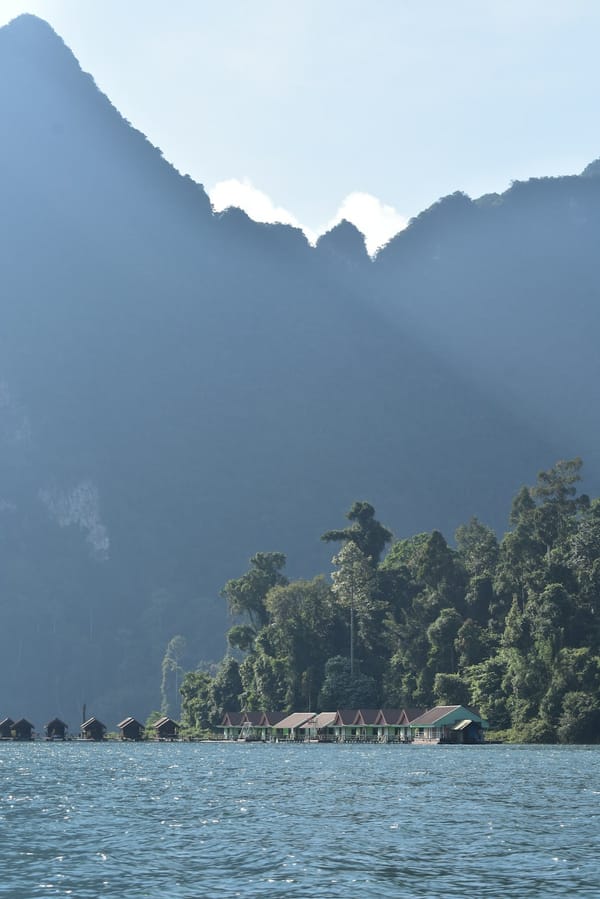
Global Warming
7 Years of Rewilding: How a 19-Key Ecolodge in Thailand Is Restoring Rainforests and Winning Top Awards
What if your next vacation could actually help a rainforest grow back? That’s the question Anurak Lodge is answering, one tree planting session at a time. Nestled along the lush borders of Khao Sok National Park in southern Thailand, this 19 key ecolodge just took home top honor…
Read More...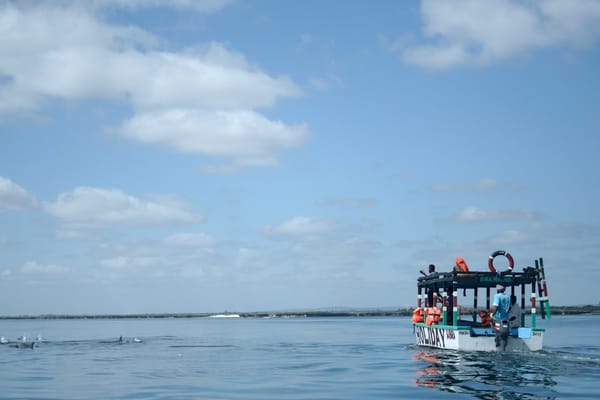
Global Warming
Coastal Communities Hold the Key to a $2.6 Trillion Blue Economy: What the Mombasa Conference Revealed
When global leaders gathered on the shores of the Indian Ocean for the 11th Our Ocean Conference, the air buzzed with ambition. Billions of dollars in new commitments were announced. Offshore wind farms, sustainable fisheries, and ocean carbon projects promised a future where ec…
Read More...
Global Warming
4 Ugandan Farmers vs. a 1,443 km Oil Pipeline: Can a London Court Stop It?
Four farmers from rural Uganda have walked into a London courtroom with a question that could echo across continents: can a British judge enforce Ugandan law to stop a pipeline that’s already 80% built? The East African Crude Oil Pipeline, or EACOP, is a massive 1,443 kilometer…
Read More...
Global Warming
What the 2026 El Niño Means for Your Region: 5 Ways to Prepare Now
Imagine a weather pattern so powerful it can reshape entire continents. That is exactly what scientists are tracking right now. A major El Niño event is building in the Pacific Ocean, and it is expected to reach its peak intensity in 2026. This is not just another seasonal shift…
Read More...
Global Warming
Over 25 Dead in U.S. Heatwave: What’s Driving the 100°F Crisis?
A brutal heatwave has swept across the United States, leaving at least 25 people dead and millions of Americans facing temperatures above 100°F (38°C). This isn’t just another hot summer day. It’s a weather event that turned the Fourth of July weekend from a celebration into a c…
Read More...
Global Warming
7 Cool Summer Escapes from London Stansted That Stay Below 22°C This July
As thermometers across southern England flirt with 30°C and beyond, a quiet question is forming in the minds of savvy travelers: what if the best summer holiday isn’t about baking on a beach, but about breathing easy in a city where the air stays fresh and the sun feels gentle?…
Read More...
Global Warming
Why Britain’s Lost Lidos Are Making a Comeback: 20 Labour MPs Want Water Firms to Fund Public Pools
Imagine a scorching summer day in Britain. The heat is relentless. You crave a cool escape, but the nearest public pool is miles away or closed for good. That’s the reality for millions today. But a growing movement of Labour MPs and policy experts is working to change that. The…
Read More...
Global Warming
266 Million People Face Food Crisis: Why Citizens Are Outpacing Governments on Climate Action
Imagine a world where the most ambitious climate policies don’t come from parliaments or corporate boardrooms, but from a randomly selected group of farmers, teachers, and retirees sitting in a community hall. That world is already here. While national governments struggle to tu…
Read More...
Global Warming
How Indigenous Women in Guatemala Are Using Ancient Farming Secrets to Fight Climate Change (and It’s Working)
Imagine a lake so sacred that the Maya people have lived beside it for centuries, drawing life from its waters and wisdom from its shores. That’s Lake Atitlán, a shimmering jewel in Guatemala’s volcanic highlands. But beneath its beauty, a quiet crisis has been brewing. Rainfall…
Read More...