
How Indigenous Women in Guatemala Are Using Ancient Farming Secrets to Fight Climate Change (and It’s Working)
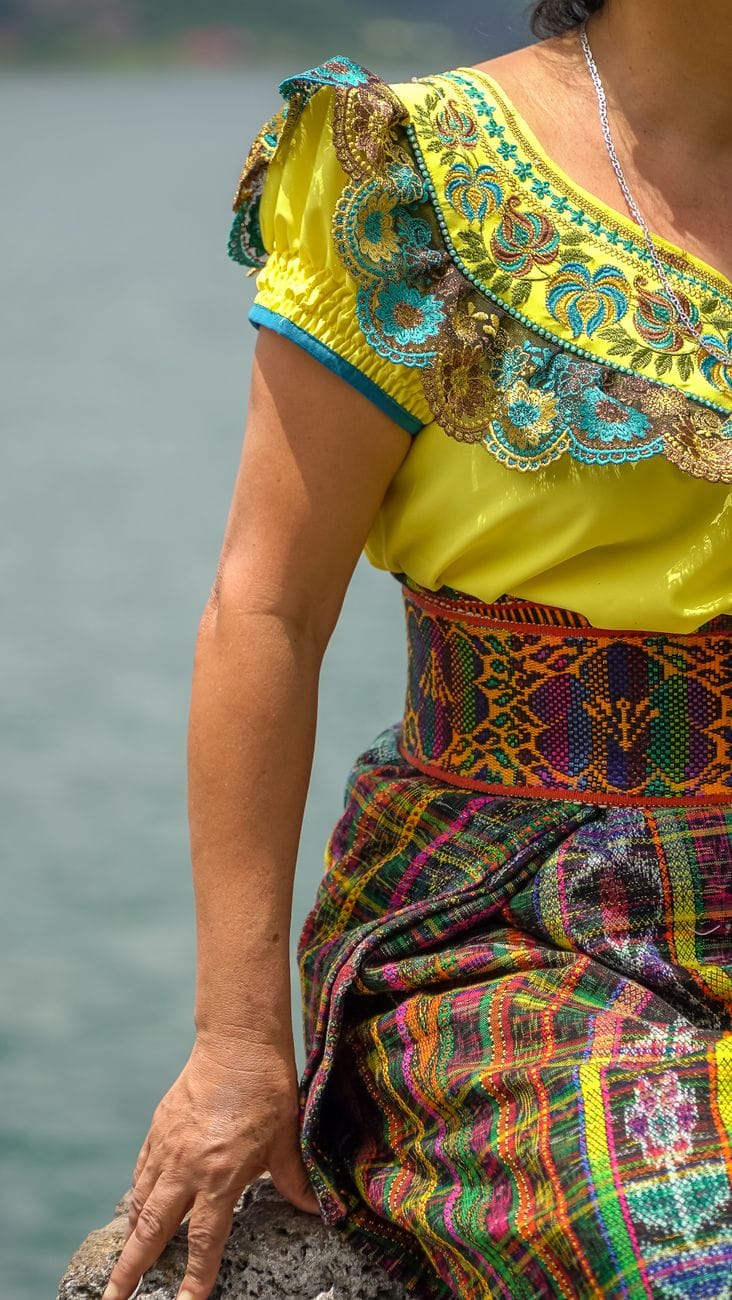
Sololá, Guatemala, MMN Correspondent: Imagine a lake so sacred that the Maya people have lived beside it for centuries, drawing life from its waters and wisdom from its shores. That’s Lake Atitlán, a shimmering jewel in Guatemala’s volcanic highlands. But beneath its beauty, a quiet crisis has been brewing. Rainfall patterns have gone haywire. Forests are thinning. Soils that once yielded abundant crops are turning brittle. For the Indigenous women who have always been the backbone of their communities’ food systems, this isn’t just an environmental problem. It’s a threat to their way of life.
Yet here’s the twist: instead of waiting for outside help, these women are leading a transformation that blends the oldest knowledge on Earth with some of the smartest modern techniques. And it’s working in ways that might surprise you.
Let’s start with the numbers. Over the past two years alone, forest cover around Lake Atitlán has dropped by 12 percent. That might sound abstract, but it means less water in the dry season, more landslides when the rains come, and families struggling to put food on the table. Farmers, pushed to the edge, have been clearing more land and using more chemicals just to keep up. It’s a cycle that hurts everyone, but especially women, who often carry the responsibility of feeding their households.
Enter Natún, a local nonprofit that saw an opportunity where others saw only crisis. Their approach is refreshingly simple: listen to the women who have been farming this land for generations, then give them the tools to do it better. No top-down plans. No imported solutions. Just a partnership built on respect.
What happened next is remarkable. With a $170,000 grant from the Adaptation Fund’s innovation platform, Natún helped establish over 300 family food gardens across the Lake Atitlán basin. These aren’t your average backyard plots. Each one is a carefully designed ecosystem, growing drought-resistant crops like native maize, amaranth, and climbing beans. Women use organic pest control and composting to keep the soil healthy. They plant trees like Spanish cedar and gumbo-limbo to hold the soil together and bring back moisture. It’s farming that works with nature, not against it.
But the real magic happened when the project expanded into poultry farming in 2025. More than 260 small chicken coops were set up, and the results were immediate. Two-thirds of the participating households now have surplus food to sell. On average, each family earns an extra $61 per month. For many women, that’s the difference between having a voice in household decisions and being silenced. It’s economic independence, one egg at a time.
What makes this initiative truly special is how it honors Indigenous knowledge. Women are trained in seed bank management, crop rotation cycles that follow the lunar calendar, and agroforestry techniques passed down through generations. These aren’t quaint traditions. They are adaptive, scientifically sound strategies that have been refined over centuries to thrive in unpredictable climates. The women leading these gardens aren’t just farmers. They are teachers, advocates, and leaders who now participate in regional policy discussions about land rights and climate adaptation.
The ripple effects go far beyond food. Earlier efforts under the same funding mechanism placed 6,093 hectares of forest under community conservation. Nearly 1,500 beehives were established for pollination and honey production. Another 328 family gardens were created to support women’s resilience. These interventions have helped buffer communities against extreme weather, especially in the Nahualate River basin where flood risks have grown due to deforestation.
Guatemala is one of the most climate vulnerable countries on the planet. Up to 83 percent of its GDP comes from areas prone to hurricanes, droughts, and earthquakes. That’s a staggering number. But here’s the hopeful part: with over 6 million Indigenous people in the country, more than half the population, there is immense potential to scale this model nationwide. The Lake Atitlán project offers a blueprint that other communities can adapt to their own landscapes and cultures.
Mikko Ollikainen, head of the Adaptation Fund, puts it this way: “Local knowledge combined with scientific innovation creates practical, scalable solutions that empower communities to shape their own futures.” That’s not just a nice quote. It’s the core insight driving this movement. Resilience isn’t something you can impose from above. It has to grow from within.
Looking ahead, the project is exploring carbon credit programs that let communities earn money from reforestation. Standardized learning kits are being developed so that knowledge can spread to new regions. These tools ensure that the work continues, even when funding or political winds shift.
As global temperatures rise and weather becomes more extreme, the story of Guatemala’s Indigenous women offers a powerful lesson. The most effective tools for fighting climate change might not come from a laboratory or a boardroom. They might come from a woman in a small garden, planting seeds her grandmother taught her to save, using methods that have worked for centuries. This movement is about more than farming. It’s about identity, dignity, and the quiet determination to thrive in a changing world. And it proves that when women lead, entire communities flourish.
Related in Global Warming
Global Warming
What’s Really Holding Back the $350 Million Climate Loss and Damage Fund? 180 Projects, $2.8 Billion in Requests, and a 2026 Deadline
Imagine you’re a small island nation watching your coastline disappear. Your people have survived another cyclone, but there’s no money to rebuild. You hear about a new global fund designed exactly for this moment. You apply. You wait. And then you learn the fund has only enough…
Read More...
Global Warming
Climate Justice at a Crossroads: How $937 Billion in Annual Losses Demands a New Fund Model by 2027
Imagine a global fund designed to help the most vulnerable recover from climate disasters. It was created with hope and fanfare in 2022. Now, just a few years later, that fund is running on empty. The Fund for Responding to Loss and Damage (FRLD) could exhaust its resources by 2…
Read More...
Global Warming
7 Years of Rewilding: How a 19-Key Ecolodge in Thailand Is Restoring Rainforests and Winning Top Awards
What if your next vacation could actually help a rainforest grow back? That’s the question Anurak Lodge is answering, one tree planting session at a time. Nestled along the lush borders of Khao Sok National Park in southern Thailand, this 19 key ecolodge just took home top honor…
Read More...
Global Warming
Coastal Communities Hold the Key to a $2.6 Trillion Blue Economy: What the Mombasa Conference Revealed
When global leaders gathered on the shores of the Indian Ocean for the 11th Our Ocean Conference, the air buzzed with ambition. Billions of dollars in new commitments were announced. Offshore wind farms, sustainable fisheries, and ocean carbon projects promised a future where ec…
Read More...
Global Warming
4 Ugandan Farmers vs. a 1,443 km Oil Pipeline: Can a London Court Stop It?
Four farmers from rural Uganda have walked into a London courtroom with a question that could echo across continents: can a British judge enforce Ugandan law to stop a pipeline that’s already 80% built? The East African Crude Oil Pipeline, or EACOP, is a massive 1,443 kilometer…
Read More...
Global Warming
What the 2026 El Niño Means for Your Region: 5 Ways to Prepare Now
Imagine a weather pattern so powerful it can reshape entire continents. That is exactly what scientists are tracking right now. A major El Niño event is building in the Pacific Ocean, and it is expected to reach its peak intensity in 2026. This is not just another seasonal shift…
Read More...
Global Warming
Over 25 Dead in U.S. Heatwave: What’s Driving the 100°F Crisis?
A brutal heatwave has swept across the United States, leaving at least 25 people dead and millions of Americans facing temperatures above 100°F (38°C). This isn’t just another hot summer day. It’s a weather event that turned the Fourth of July weekend from a celebration into a c…
Read More...
Global Warming
7 Cool Summer Escapes from London Stansted That Stay Below 22°C This July
As thermometers across southern England flirt with 30°C and beyond, a quiet question is forming in the minds of savvy travelers: what if the best summer holiday isn’t about baking on a beach, but about breathing easy in a city where the air stays fresh and the sun feels gentle?…
Read More...
Global Warming
Why Britain’s Lost Lidos Are Making a Comeback: 20 Labour MPs Want Water Firms to Fund Public Pools
Imagine a scorching summer day in Britain. The heat is relentless. You crave a cool escape, but the nearest public pool is miles away or closed for good. That’s the reality for millions today. But a growing movement of Labour MPs and policy experts is working to change that. The…
Read More...
Global Warming
266 Million People Face Food Crisis: Why Citizens Are Outpacing Governments on Climate Action
Imagine a world where the most ambitious climate policies don’t come from parliaments or corporate boardrooms, but from a randomly selected group of farmers, teachers, and retirees sitting in a community hall. That world is already here. While national governments struggle to tu…
Read More...