
266 Million People Face Food Crisis: Why Citizens Are Outpacing Governments on Climate Action

Global, MMN Correspondent: Imagine a world where the most ambitious climate policies don’t come from parliaments or corporate boardrooms, but from a randomly selected group of farmers, teachers, and retirees sitting in a community hall. That world is already here. While national governments struggle to turn scientific warnings into binding action, ordinary people across 60 countries have just delivered a roadmap that could reshape how we grow, share, and eat food. And here’s the twist: their plan is more ambitious than anything politicians have proposed.
The numbers are sobering. Right now, 266 million people across 47 countries face acute food insecurity, nearly double the figure from a decade ago. Extreme weather, geopolitical tensions, and a food system responsible for nearly 30% of global emissions have created a perfect storm. When disruptions hit the Strait of Hormuz earlier this year, fertilizer prices spiked, pushing food costs up by 8% worldwide. But amid this turbulence, something unexpected is happening.
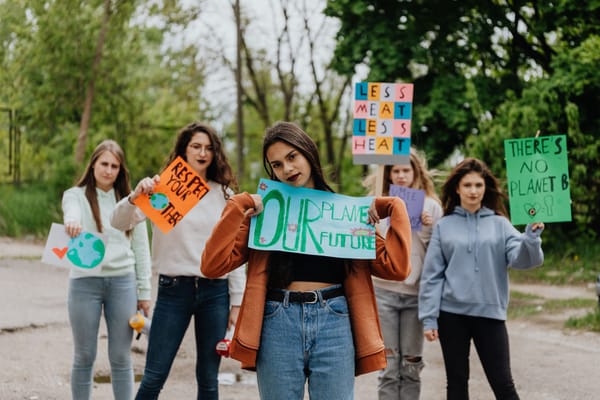
In early 2026, the Global Citizens’ Assembly brought together individuals from over 60 nations, selected by lottery to reflect the full diversity of humanity. No lobbyists. No political agendas. Just a single question: How should we change the way we grow, share, and eat food so everyone can thrive while tackling climate change? After seven weeks of deliberation, the answer was clear. All 22 proposed actions passed with over 85% support. The top priorities? Protect forests, phase down industrial animal farming, reform supply chains, and hold corporations accountable. Notably, the assembly rejected the idea that individuals alone should fix the system. They called for systemic change driven by policy and investment.
One of the most striking outcomes was the mandate to protect tropical forests. 64% of participants strongly supported this, with another 20% in favor. Industrial animal agriculture remains the leading driver of deforestation in the Amazon, Congo Basin, and Southeast Asia. By choosing forest protection, citizens acknowledged the trade offs for farmers but made a clear bet on long term sustainability. This isn’t a fringe idea. A 2025 report by the Iswe Foundation analyzed over 7,000 citizen participation initiatives and found a consistent pattern: when people have accurate information and time to discuss, their recommendations are more effective and ambitious than those from elected officials. The gap between science and public understanding has largely closed. What remains is a widening divide between citizens and their leaders.
Governments, despite decades of warnings, continue to falter. At COP30 in Belém, nations failed to agree on a binding fossil fuel phase out. Even if all current climate plans were fully implemented, the planet would still warm between 2.3°C and 2.8°C, far above the 1.5°C target. Meanwhile, promises to expand industrial agriculture have degraded soils and deepened inequality. Yet there are signs of hope. The Brazilian presidency at COP30 introduced the Citizens’ Track within the UNFCCC process, a mechanism to connect grassroots voices directly to international negotiations. As Türkiye and Australia prepare to host COP31, they have a historic opportunity to make participatory governance a core pillar of global climate action.
Across the globe, communities are already leading. In Nepal, dairy farmer Lal joined the assembly and advocated for sustainable livestock practices rooted in agroecology. In Guatemala’s Lake Atitlán region, Indigenous communities combine ancestral knowledge with climate smart farming to boost yields while protecting watersheds. In sub Saharan Africa, women led cooperatives are building resilient food networks that bypass corrupt supply chains, ensuring fair prices and nutritional access. These efforts represent a global renaissance of local agency, powered by trust and shared purpose.
The message is clear: the solutions to our greatest challenges already exist. They are being tested and proven in villages, cities, and towns around the world. What is missing is political courage. As climate shocks intensify and food systems buckle under pressure, the world can no longer afford to wait for leadership from above. The real leadership is coming from below.
Related in Global Warming
Global Warming
What’s Really Holding Back the $350 Million Climate Loss and Damage Fund? 180 Projects, $2.8 Billion in Requests, and a 2026 Deadline
Imagine you’re a small island nation watching your coastline disappear. Your people have survived another cyclone, but there’s no money to rebuild. You hear about a new global fund designed exactly for this moment. You apply. You wait. And then you learn the fund has only enough…
Read More...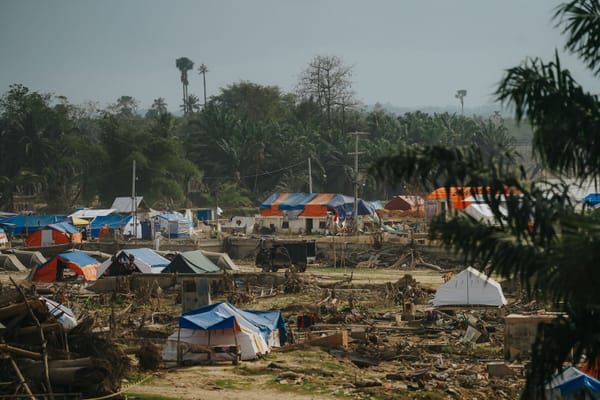
Global Warming
Climate Justice at a Crossroads: How $937 Billion in Annual Losses Demands a New Fund Model by 2027
Imagine a global fund designed to help the most vulnerable recover from climate disasters. It was created with hope and fanfare in 2022. Now, just a few years later, that fund is running on empty. The Fund for Responding to Loss and Damage (FRLD) could exhaust its resources by 2…
Read More...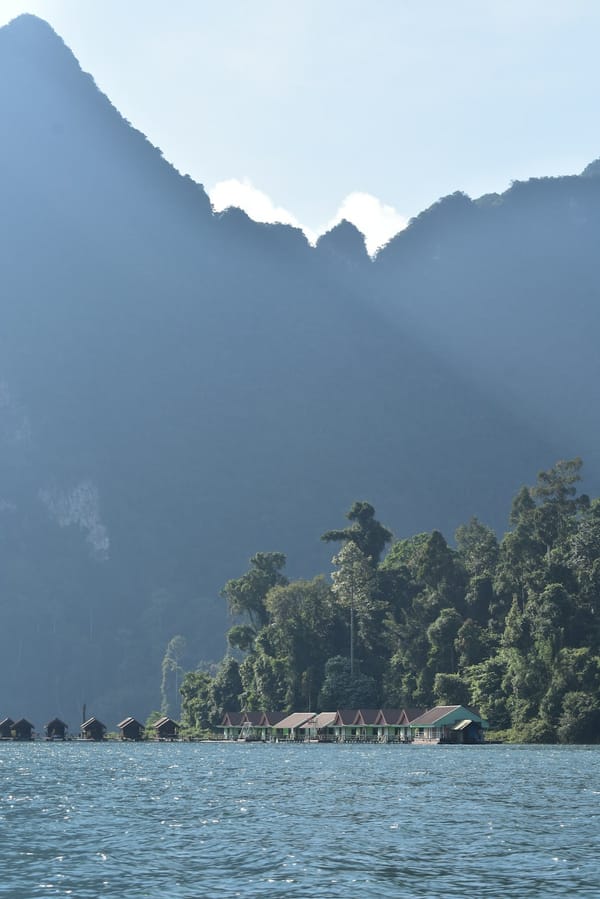
Global Warming
7 Years of Rewilding: How a 19-Key Ecolodge in Thailand Is Restoring Rainforests and Winning Top Awards
What if your next vacation could actually help a rainforest grow back? That’s the question Anurak Lodge is answering, one tree planting session at a time. Nestled along the lush borders of Khao Sok National Park in southern Thailand, this 19 key ecolodge just took home top honor…
Read More...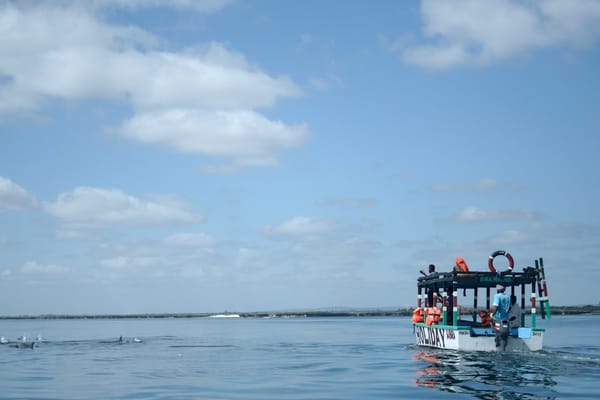
Global Warming
Coastal Communities Hold the Key to a $2.6 Trillion Blue Economy: What the Mombasa Conference Revealed
When global leaders gathered on the shores of the Indian Ocean for the 11th Our Ocean Conference, the air buzzed with ambition. Billions of dollars in new commitments were announced. Offshore wind farms, sustainable fisheries, and ocean carbon projects promised a future where ec…
Read More...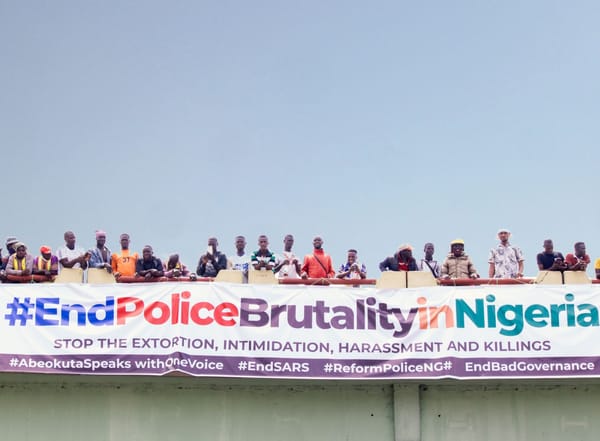
Global Warming
4 Ugandan Farmers vs. a 1,443 km Oil Pipeline: Can a London Court Stop It?
Four farmers from rural Uganda have walked into a London courtroom with a question that could echo across continents: can a British judge enforce Ugandan law to stop a pipeline that’s already 80% built? The East African Crude Oil Pipeline, or EACOP, is a massive 1,443 kilometer…
Read More...
Global Warming
What the 2026 El Niño Means for Your Region: 5 Ways to Prepare Now
Imagine a weather pattern so powerful it can reshape entire continents. That is exactly what scientists are tracking right now. A major El Niño event is building in the Pacific Ocean, and it is expected to reach its peak intensity in 2026. This is not just another seasonal shift…
Read More...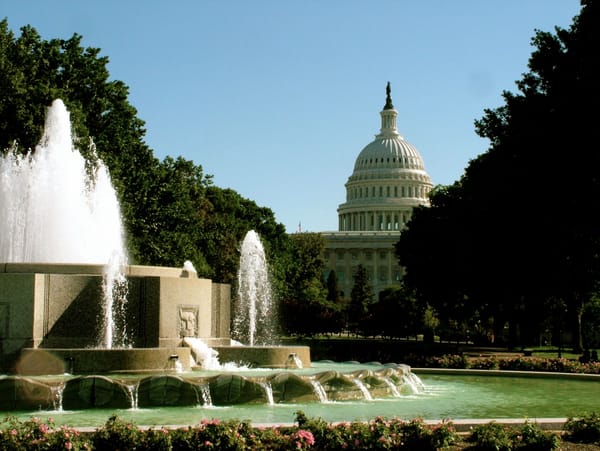
Global Warming
Over 25 Dead in U.S. Heatwave: What’s Driving the 100°F Crisis?
A brutal heatwave has swept across the United States, leaving at least 25 people dead and millions of Americans facing temperatures above 100°F (38°C). This isn’t just another hot summer day. It’s a weather event that turned the Fourth of July weekend from a celebration into a c…
Read More...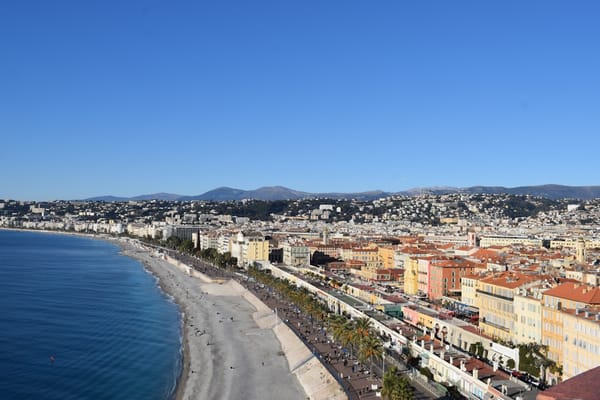
Global Warming
7 Cool Summer Escapes from London Stansted That Stay Below 22°C This July
As thermometers across southern England flirt with 30°C and beyond, a quiet question is forming in the minds of savvy travelers: what if the best summer holiday isn’t about baking on a beach, but about breathing easy in a city where the air stays fresh and the sun feels gentle?…
Read More...
Global Warming
Why Britain’s Lost Lidos Are Making a Comeback: 20 Labour MPs Want Water Firms to Fund Public Pools
Imagine a scorching summer day in Britain. The heat is relentless. You crave a cool escape, but the nearest public pool is miles away or closed for good. That’s the reality for millions today. But a growing movement of Labour MPs and policy experts is working to change that. The…
Read More...
Global Warming
How Indigenous Women in Guatemala Are Using Ancient Farming Secrets to Fight Climate Change (and It’s Working)
Imagine a lake so sacred that the Maya people have lived beside it for centuries, drawing life from its waters and wisdom from its shores. That’s Lake Atitlán, a shimmering jewel in Guatemala’s volcanic highlands. But beneath its beauty, a quiet crisis has been brewing. Rainfall…
Read More...