
Over 25 Dead in U.S. Heatwave: What’s Driving the 100°F Crisis?
United States, MMN Correspondent: A brutal heatwave has swept across the United States, leaving at least 25 people dead and millions of Americans facing temperatures above 100°F (38°C). This isn’t just another hot summer day. It’s a weather event that turned the Fourth of July weekend from a celebration into a crisis. What makes this heatwave different? And why are so many lives being lost?
The National Weather Service reports that over 140 million people were under heat alerts as of Sunday, July 5, 2026. More than 20 states saw record breaking temperatures. The hardest hit areas include New Jersey, Illinois, Mississippi, and parts of the mid Atlantic and southeastern U.S. In New Jersey alone, officials confirmed multiple deaths across ten counties. Victims were found in homes without air conditioning, on sidewalks, and even inside parked cars.
One of the earliest cases was Mitchell Ray Cooley, a 74 year old man from Hinds County, Mississippi. He was found behind a gas station after going missing. The coroner’s office says he had a pre existing condition that affected his judgment, making him more vulnerable to the heat. The cause of death was weather related heat exposure. No foul play was involved.
Another heartbreaking story comes from Bolton, Mississippi. Martha Irene Van Egmond, 83, collapsed alongside her husband Rick during a scorching afternoon. They called for help but couldn’t get up. Two neighbors arrived, but it was too late. Martha died surrounded by flowers she loved, lying in the hot sun. Her husband described the moment they both tried to survive until it became impossible. Medical investigators say extreme temperatures and her age were the main factors.
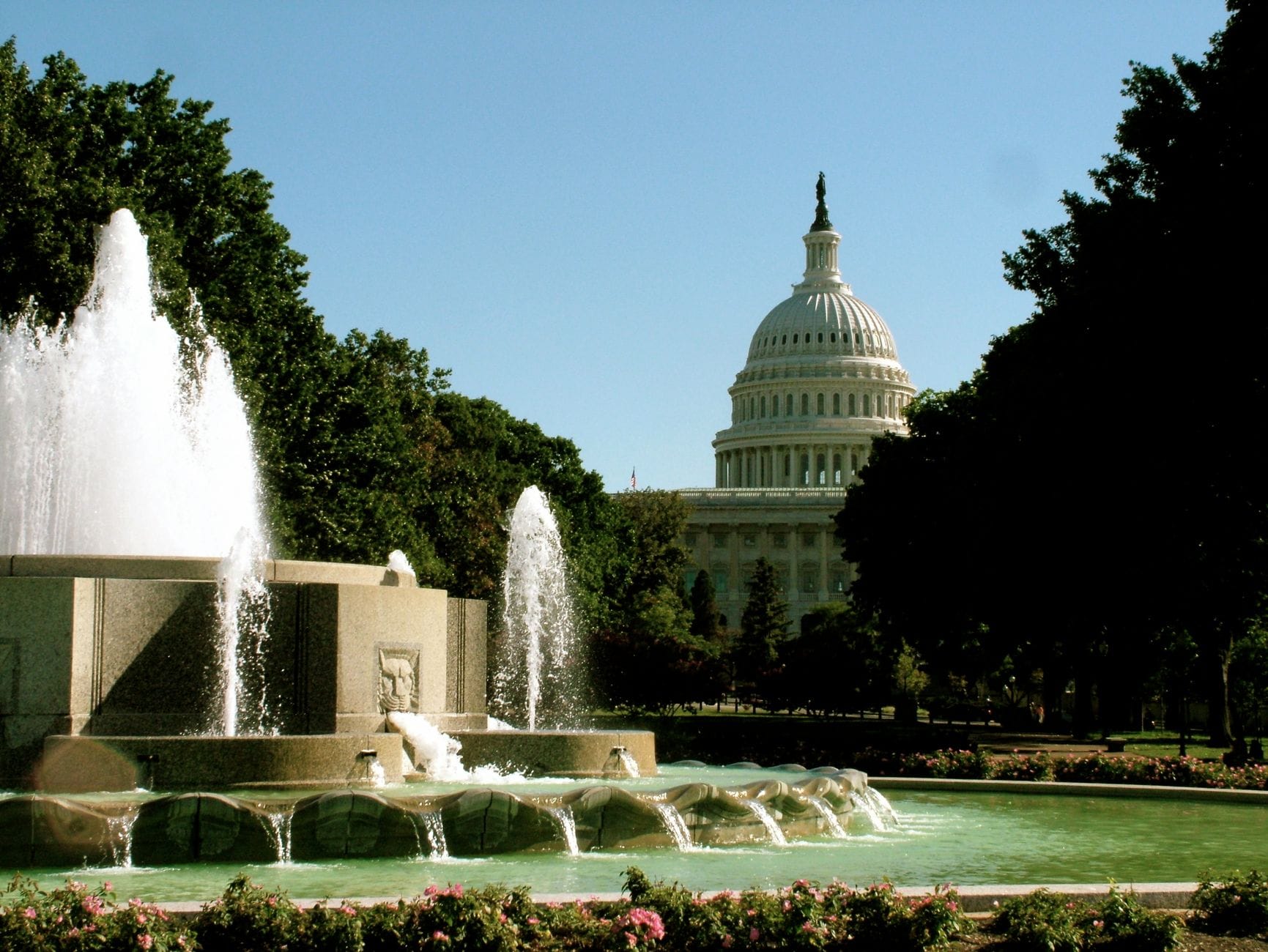
In Cook County, Illinois, a 74 year old woman died from cardiovascular disease, with heat stress playing a role. In Washington, D.C., emergency services treated 51 people for heat related illnesses during President Donald Trump’s July 4 speech. Twelve needed hospitalization. The Independence Day parade and the Great American State Fair on the National Mall were canceled due to safety concerns. That’s how serious this heatwave is.
Scientists point out that this isn’t a one off event. It’s part of a larger trend driven by climate change. Research shows that extreme heat events are becoming more frequent, intense, and longer lasting because of rising greenhouse gas emissions. The Intergovernmental Panel on Climate Change (IPCC) says heatwaves have increased by nearly 50% since the 1980s. If emissions keep rising, that number will only go up.
The current heat dome a high pressure system that traps hot air near the surface is a natural weather pattern. But its duration and intensity are now linked to long term warming. Data from NOAA shows the average temperature in the U.S. has risen by about 1.8°F (1°C) since the late 1800s. That might not sound like much, but it dramatically increases the risk of heat related deaths, especially for older adults, outdoor workers, and people without access to cooling.
Public health experts warn about urban heat islands. Cities like Chicago, Detroit, and Atlanta have concrete and asphalt that absorb heat during the day and release it at night. Nighttime temperatures in these cities have stayed above 85°F, giving residents no relief. This lack of cooling increases the risk of heat exhaustion, stroke, and cardiac arrest.
To help people stay safe, the National Weather Service is urging everyone to drink water, avoid direct sunlight, find air conditioned spaces, and check on neighbors. They also emphasize recognizing early signs of heat illness like dizziness, nausea, confusion, and muscle cramps.
By Sunday, cooler air from the north started moving into the northeastern and midwestern regions. But forecasters warn that the southern U.S. will face similar extremes soon. This is especially concerning because the FIFA World Cup final is scheduled for July 19 in East Rutherford, New Jersey. That event will test the city’s ability to handle extreme weather.
Environmental advocates point to systemic problems in infrastructure and policy. Millions of Americans still live in homes without reliable air conditioning, especially in low income communities. A 2025 U.S. Census report found that nearly 20% of households in the South lack central AC. Rental units in cities often have poor insulation and ventilation.
Efforts to expand cooling centers, improve building codes, and invest in green infrastructure like tree planting and reflective roofing are gaining momentum. But many experts say these measures need to be implemented faster to prevent future tragedies.
This deadly heatwave is a clear reminder that climate change is not a distant threat. It’s here, and it’s claiming lives. The path forward requires immediate action to protect public health, strengthen infrastructure, and ensure that future generations don’t inherit a world where heat becomes a silent killer.
Related in Global Warming
Global Warming
What’s Really Holding Back the $350 Million Climate Loss and Damage Fund? 180 Projects, $2.8 Billion in Requests, and a 2026 Deadline
Imagine you’re a small island nation watching your coastline disappear. Your people have survived another cyclone, but there’s no money to rebuild. You hear about a new global fund designed exactly for this moment. You apply. You wait. And then you learn the fund has only enough…
Read More...
Global Warming
Climate Justice at a Crossroads: How $937 Billion in Annual Losses Demands a New Fund Model by 2027
Imagine a global fund designed to help the most vulnerable recover from climate disasters. It was created with hope and fanfare in 2022. Now, just a few years later, that fund is running on empty. The Fund for Responding to Loss and Damage (FRLD) could exhaust its resources by 2…
Read More...
Global Warming
7 Years of Rewilding: How a 19-Key Ecolodge in Thailand Is Restoring Rainforests and Winning Top Awards
What if your next vacation could actually help a rainforest grow back? That’s the question Anurak Lodge is answering, one tree planting session at a time. Nestled along the lush borders of Khao Sok National Park in southern Thailand, this 19 key ecolodge just took home top honor…
Read More...
Global Warming
Coastal Communities Hold the Key to a $2.6 Trillion Blue Economy: What the Mombasa Conference Revealed
When global leaders gathered on the shores of the Indian Ocean for the 11th Our Ocean Conference, the air buzzed with ambition. Billions of dollars in new commitments were announced. Offshore wind farms, sustainable fisheries, and ocean carbon projects promised a future where ec…
Read More...
Global Warming
4 Ugandan Farmers vs. a 1,443 km Oil Pipeline: Can a London Court Stop It?
Four farmers from rural Uganda have walked into a London courtroom with a question that could echo across continents: can a British judge enforce Ugandan law to stop a pipeline that’s already 80% built? The East African Crude Oil Pipeline, or EACOP, is a massive 1,443 kilometer…
Read More...
Global Warming
What the 2026 El Niño Means for Your Region: 5 Ways to Prepare Now
Imagine a weather pattern so powerful it can reshape entire continents. That is exactly what scientists are tracking right now. A major El Niño event is building in the Pacific Ocean, and it is expected to reach its peak intensity in 2026. This is not just another seasonal shift…
Read More...
Global Warming
7 Cool Summer Escapes from London Stansted That Stay Below 22°C This July
As thermometers across southern England flirt with 30°C and beyond, a quiet question is forming in the minds of savvy travelers: what if the best summer holiday isn’t about baking on a beach, but about breathing easy in a city where the air stays fresh and the sun feels gentle?…
Read More...
Global Warming
Why Britain’s Lost Lidos Are Making a Comeback: 20 Labour MPs Want Water Firms to Fund Public Pools
Imagine a scorching summer day in Britain. The heat is relentless. You crave a cool escape, but the nearest public pool is miles away or closed for good. That’s the reality for millions today. But a growing movement of Labour MPs and policy experts is working to change that. The…
Read More...
Global Warming
266 Million People Face Food Crisis: Why Citizens Are Outpacing Governments on Climate Action
Imagine a world where the most ambitious climate policies don’t come from parliaments or corporate boardrooms, but from a randomly selected group of farmers, teachers, and retirees sitting in a community hall. That world is already here. While national governments struggle to tu…
Read More...
Global Warming
How Indigenous Women in Guatemala Are Using Ancient Farming Secrets to Fight Climate Change (and It’s Working)
Imagine a lake so sacred that the Maya people have lived beside it for centuries, drawing life from its waters and wisdom from its shores. That’s Lake Atitlán, a shimmering jewel in Guatemala’s volcanic highlands. But beneath its beauty, a quiet crisis has been brewing. Rainfall…
Read More...