
What’s Really Holding Back the $350 Million Climate Loss and Damage Fund? 180 Projects, $2.8 Billion in Requests, and a 2026 Deadline
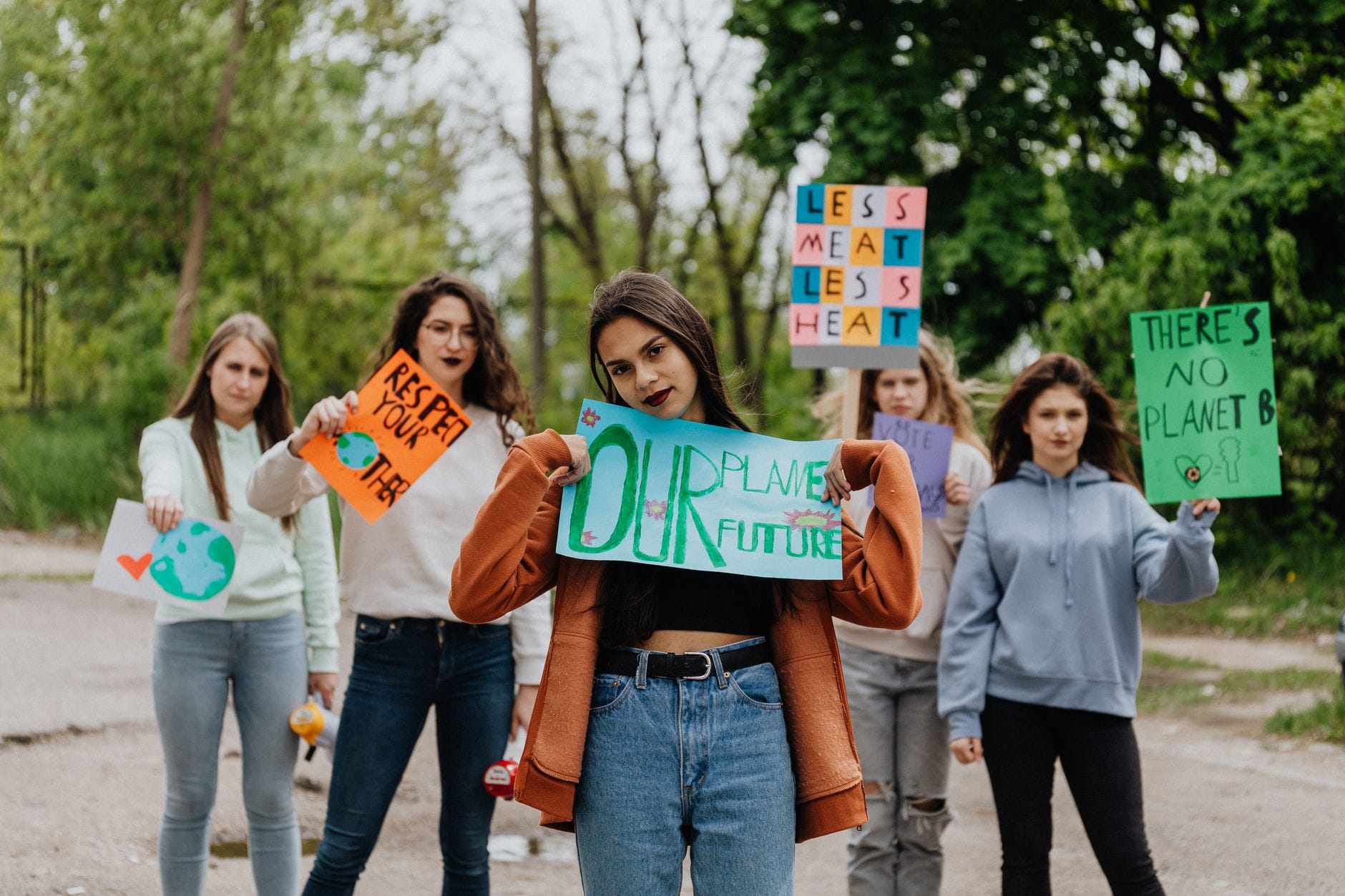
Manila, Philippines, MMN Correspondent: Imagine you’re a small island nation watching your coastline disappear. Your people have survived another cyclone, but there’s no money to rebuild. You hear about a new global fund designed exactly for this moment. You apply. You wait. And then you learn the fund has only enough cash to help about 15 of the 180 communities that asked for support. That’s the reality of the world’s first climate loss and damage fund, just months after its historic launch.
The Fund for Responding to Loss and Damage (FRLD) was supposed to be a turning point in climate justice. Instead, it’s facing a puzzle: how do you help everyone when you have almost nothing to give? The numbers tell the story. Nearly 180 proposals came in, asking for a combined $2.8 billion. The fund currently holds $350 million. That’s enough to cover less than 13 percent of what’s needed. The next board meeting won’t approve any projects until December 2026. For communities already living with the aftermath of floods, droughts, and rising seas, that timeline feels like an eternity.
Let’s look at who’s waiting. Least developed countries and small island developing states submitted 72 proposals alone. These are places like Timor Leste, Tuvalu, and Vanuatu, where a single storm can erase years of progress. Adao Soares Barbosa from Timor Leste put it plainly: every one of these nations deserves at least one approved project. But with current resources, that goal is simply out of reach. The fund would need to multiply its budget several times over just to meet the most urgent requests.
Where did the money go? At COP27 in Sharm El Sheikh, wealthy nations pledged to mobilize $400 million annually for loss and damage. So far, about $820 million was promised in total, but only $450 million has actually arrived. That’s a 55 percent delivery rate. It’s a pattern that repeats across climate finance: big promises, slower follow through. The gap between what was said and what was done is now the central challenge facing the fund’s credibility.
The decision making process itself has added another layer of complexity. The ninth board meeting in Manila took place largely behind closed doors. Civil society representatives, who often bring on the ground perspectives from affected communities, were excluded from key discussions. Draft decisions were shown on screens, but final votes happened without public input. Harjeet Singh, who leads the Fill the Fund campaign, described the experience as deeply disappointing. Board co chair Camila Rodríguez Tavárez acknowledged the concerns and promised to improve participation in future sessions. Trust, however, takes time to rebuild.
CEO Ibrahima Cheikh Diong has expressed hope that disbursements could begin this year. But with no projects approved yet and limited funds, that timeline appears optimistic. If no significant new donations arrive, the existing $350 million could be exhausted by the end of 2027. That means the fund might run out of money before it delivers meaningful aid to a single community. It’s a sobering thought for a mechanism designed to be a safety net.
One of the more subtle risks is the potential for competition among the most vulnerable. Isaac Glassie Ryan from the Cook Islands warned that the approval process could pit desperate communities against each other, turning neighbors into rivals for scarce resources. That dynamic contradicts the fund’s founding purpose: to provide equitable, dignified support. To avoid this, the board has instructed that the first wave of projects should test diverse approaches, from infrastructure rebuilding to ecosystem restoration and community led resilience programs. The goal is flexibility, not a one size fits all solution.
Meanwhile, plans for a high level pledging event ahead of COP31 in November have been sidelined. Richard Sherman of South Africa had proposed such a session to boost contributions, but it didn’t make it onto Friday’s agenda. This omission signals a lack of urgency among donor nations and raises questions about whether the fund will ever reach its full potential. Without a clear path to scale up resources, the fund risks becoming a symbolic gesture rather than a transformative tool.
Beyond finance, structural challenges remain. The secretariat conducts initial eligibility checks, but there is still no publicly documented methodology for how projects are ranked or selected. This opacity fuels skepticism and diminishes accountability. Advocates argue that the fund must prioritize direct access to grants for grassroots organizations and local governments, bypassing layers of bureaucracy that delay aid delivery. Speed and simplicity are essential when lives are on the line.
The broader context amplifies the stakes. According to the World Meteorological Organization, the past decade has seen a record number of weather related disasters, with economic losses exceeding $300 billion annually. Small island nations like Tuvalu, Vanuatu, and the Marshall Islands are already experiencing permanent land loss due to rising seas. In the Philippines, typhoons like Haiyan and Odette have devastated coastal communities, leaving survivors without homes, livelihoods, or recovery options. The FRLD was designed to fill this gap, not as a replacement for mitigation or adaptation efforts, but as a vital safety net.
Its success hinges on more than money. It depends on trust, speed, and fairness. As the world prepares for COP31, pressure is mounting on developed nations to honor their commitments and scale up contributions. Without urgent action, the fund risks becoming a footnote in climate history rather than a turning point. In the meantime, communities continue to suffer. Families in flood prone regions of Bangladesh, farmers in drought stricken parts of East Africa, and fishing villages in the Pacific await relief that may never come if the current trajectory continues.
The path forward demands more than incremental changes. It requires bold leadership, transparent processes, and a commitment to equity. If the FRLD is to fulfill its promise, it must evolve from a slow moving bureaucracy into a responsive, inclusive, and well resourced institution. One that delivers real help to those who need it most, before it’s too late. As the clock ticks toward December’s next board meeting, the world watches closely. The question is no longer whether the fund can succeed, but whether it will act in time to matter.
Related in Global Warming
Global Warming
Climate Justice at a Crossroads: How $937 Billion in Annual Losses Demands a New Fund Model by 2027
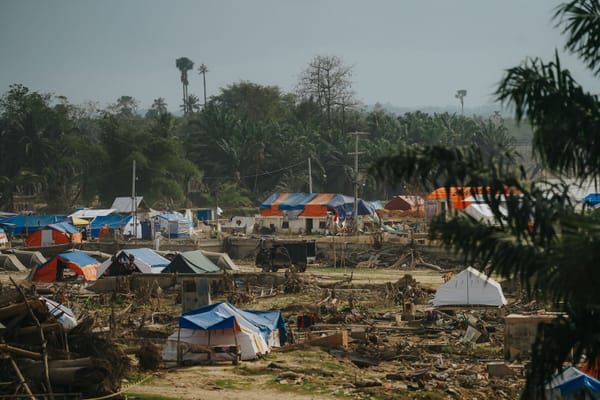
Imagine a global fund designed to help the most vulnerable recover from climate disasters. It was created with hope and fanfare in 2022. Now, just a few years later, that fund is running on empty. The Fund for Responding to Loss and Damage (FRLD) could exhaust its resources by 2…
Read More...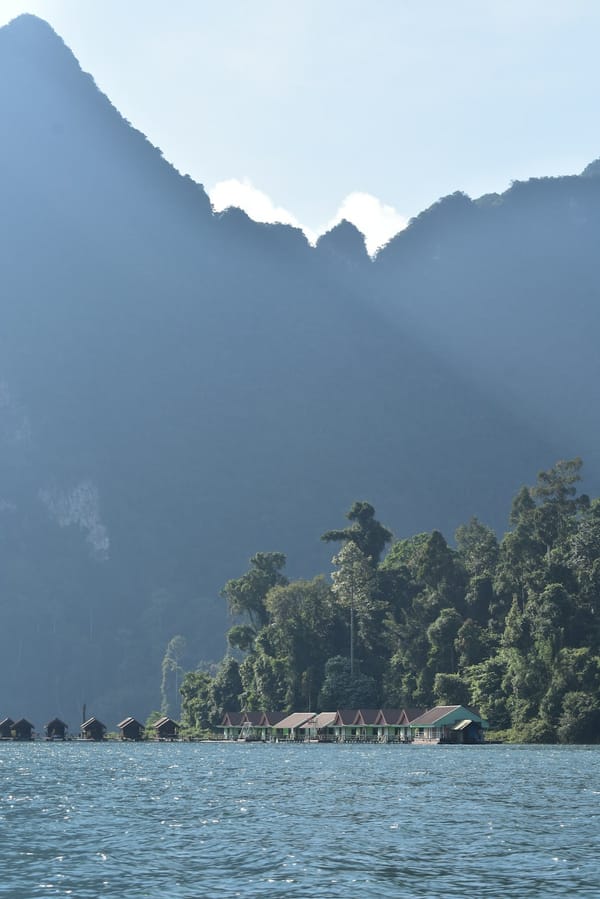
Global Warming
7 Years of Rewilding: How a 19-Key Ecolodge in Thailand Is Restoring Rainforests and Winning Top Awards
What if your next vacation could actually help a rainforest grow back? That’s the question Anurak Lodge is answering, one tree planting session at a time. Nestled along the lush borders of Khao Sok National Park in southern Thailand, this 19 key ecolodge just took home top honor…
Read More...
Global Warming
Coastal Communities Hold the Key to a $2.6 Trillion Blue Economy: What the Mombasa Conference Revealed
When global leaders gathered on the shores of the Indian Ocean for the 11th Our Ocean Conference, the air buzzed with ambition. Billions of dollars in new commitments were announced. Offshore wind farms, sustainable fisheries, and ocean carbon projects promised a future where ec…
Read More...
Global Warming
4 Ugandan Farmers vs. a 1,443 km Oil Pipeline: Can a London Court Stop It?
Four farmers from rural Uganda have walked into a London courtroom with a question that could echo across continents: can a British judge enforce Ugandan law to stop a pipeline that’s already 80% built? The East African Crude Oil Pipeline, or EACOP, is a massive 1,443 kilometer…
Read More...
Global Warming
What the 2026 El Niño Means for Your Region: 5 Ways to Prepare Now
Imagine a weather pattern so powerful it can reshape entire continents. That is exactly what scientists are tracking right now. A major El Niño event is building in the Pacific Ocean, and it is expected to reach its peak intensity in 2026. This is not just another seasonal shift…
Read More...
Global Warming
Over 25 Dead in U.S. Heatwave: What’s Driving the 100°F Crisis?
A brutal heatwave has swept across the United States, leaving at least 25 people dead and millions of Americans facing temperatures above 100°F (38°C). This isn’t just another hot summer day. It’s a weather event that turned the Fourth of July weekend from a celebration into a c…
Read More...
Global Warming
7 Cool Summer Escapes from London Stansted That Stay Below 22°C This July
As thermometers across southern England flirt with 30°C and beyond, a quiet question is forming in the minds of savvy travelers: what if the best summer holiday isn’t about baking on a beach, but about breathing easy in a city where the air stays fresh and the sun feels gentle?…
Read More...
Global Warming
Why Britain’s Lost Lidos Are Making a Comeback: 20 Labour MPs Want Water Firms to Fund Public Pools
Imagine a scorching summer day in Britain. The heat is relentless. You crave a cool escape, but the nearest public pool is miles away or closed for good. That’s the reality for millions today. But a growing movement of Labour MPs and policy experts is working to change that. The…
Read More...
Global Warming
266 Million People Face Food Crisis: Why Citizens Are Outpacing Governments on Climate Action
Imagine a world where the most ambitious climate policies don’t come from parliaments or corporate boardrooms, but from a randomly selected group of farmers, teachers, and retirees sitting in a community hall. That world is already here. While national governments struggle to tu…
Read More...
Global Warming
How Indigenous Women in Guatemala Are Using Ancient Farming Secrets to Fight Climate Change (and It’s Working)
Imagine a lake so sacred that the Maya people have lived beside it for centuries, drawing life from its waters and wisdom from its shores. That’s Lake Atitlán, a shimmering jewel in Guatemala’s volcanic highlands. But beneath its beauty, a quiet crisis has been brewing. Rainfall…
Read More...