
7 Years of Rewilding: How a 19-Key Ecolodge in Thailand Is Restoring Rainforests and Winning Top Awards
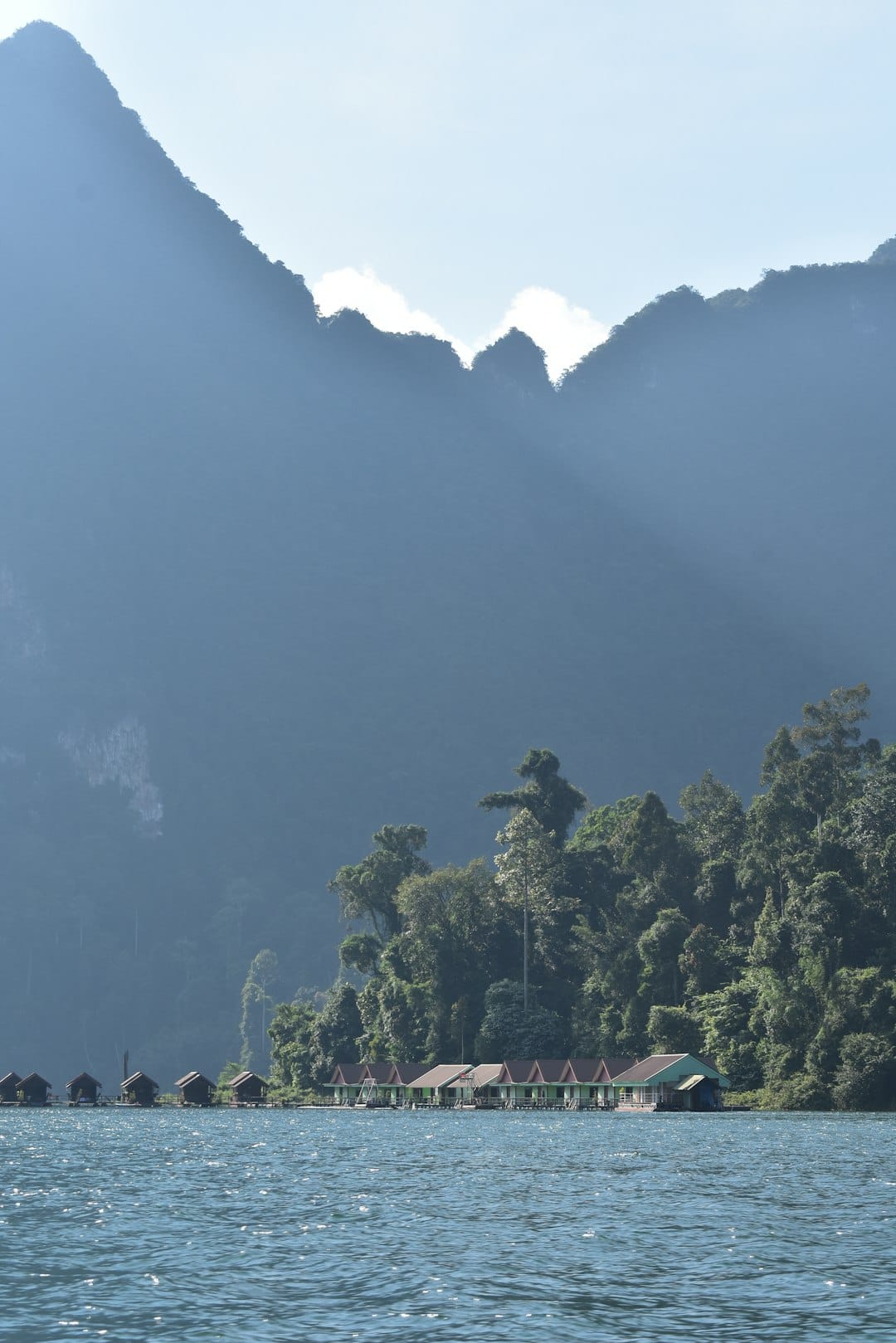
Khao Sok National Park, Surat Thani Province, Thailand, MMN Correspondent: What if your next vacation could actually help a rainforest grow back? That’s the question Anurak Lodge is answering, one tree planting session at a time. Nestled along the lush borders of Khao Sok National Park in southern Thailand, this 19 key ecolodge just took home top honors in the Regenerative Tourism category at the 2026 Responsible Tourism Awards Southeast Asia. The ceremony happened on July 7, 2026, during the International Conference on Responsible Tourism and Hospitality in Miri, Sarawak, Malaysia. But the real story isn’t the trophy. It’s what the lodge has been doing for the past seven years to earn it.
Regenerative tourism sounds like a buzzword, but here it’s a measurable reality. While most eco lodges focus on reducing harm, Anurak Lodge is actively healing the land. Think of it as tourism that leaves a place better than you found it. The lodge’s flagship program, Rainforest Rising, has been quietly replacing invasive commercial palm oil plantations with native tree species like black plum, Burmese grape tree, and cowa mangosteen. These aren’t just pretty trees. They’re carefully chosen to support pollinators, birds, and local wildlife. Guests get their hands dirty planting them, turning a holiday into a hands on conservation project.
The results are anything but small. Annual monitoring data shows measurable increases in canopy cover, soil health, and bird sightings around the property. A compost making machine turns kitchen scraps into nutrient rich soil for the on site vegetable garden, closing the loop on food production. Waste diversion rates now exceed 85 percent. Energy usage has dropped nearly 40 percent since 2020 thanks to solar panels and efficient lighting. These numbers aren’t just statistics. They represent a shift from passive eco tourism to active restoration.
Anurak Lodge opened in 2016 with a name that means “to protect” in Thai. That mission runs through everything. All 23 staff members are recruited locally, keeping economic benefits inside the community. Training programs focus on sustainable operations and guest education. Manager George Newling Ward, who accepted the award, credits the team’s enthusiasm and the positive feedback from visitors. “The staff have worked hard to implement regenerative and responsible tourism initiatives across all aspects of operations,” he said. “Their enthusiasm and positive feedback from guests help us deliver on recycling, reducing energy use, and regenerating the local environment.”
Guest experiences are designed to deepen that connection. Guided forest hikes with local experts, bamboo raft river trips that highlight traditional craftsmanship, mountain biking through protected trails, cooking classes using organic ingredients from the garden, and participatory tree planting sessions. Each activity reinforces the idea that tourism can be a force for regeneration, not extraction.
This isn’t the lodge’s first recognition. It has previously earned awards from the Pacific Asia Travel Association, the Tourism Authority of Thailand, and SKAL, a global network promoting sustainable hospitality. But the regenerative tourism award feels different. It signals a broader shift in the industry. According to a 2025 report by the World Travel and Tourism Council, over 60 percent of regional tourism stakeholders are now integrating regenerative principles into their business models. Countries like Thailand, Vietnam, and Indonesia are investing in green infrastructure and community based tourism networks.
Thailand’s National Green Tourism Strategy, launched in 2023, aims to transform 25 percent of its tourism sites into regenerative hubs by 2030. Anurak Lodge serves as a living case study for that national movement. It shows how a small scale enterprise can drive large scale ecological and social change. The lodge also partners with local universities and environmental NGOs, contributing data to regional biodiversity assessments.
For travelers seeking purpose driven experiences, regenerative tourism offers a compelling alternative to mass tourism. Platforms like Booking.com and Airbnb have started highlighting regenerative stays in their search algorithms, reflecting a shift in consumer preference. People want to know their travel dollars are doing more than just paying for a room. They want to leave a place better than they found it.
Anurak Lodge continues to welcome guests who share that vision. The property remains deeply involved in ongoing research and community projects. In a world where tourism often extracts resources from fragile ecosystems, this ecolodge stands as a powerful example of what’s possible when innovation meets intention. By healing the land, uplifting communities, and inspiring visitors, it proves that travel can be more than a journey. It can be a transformation.
Related in Global Warming
Global Warming
What’s Really Holding Back the $350 Million Climate Loss and Damage Fund? 180 Projects, $2.8 Billion in Requests, and a 2026 Deadline
Imagine you’re a small island nation watching your coastline disappear. Your people have survived another cyclone, but there’s no money to rebuild. You hear about a new global fund designed exactly for this moment. You apply. You wait. And then you learn the fund has only enough…
Read More...
Global Warming
Climate Justice at a Crossroads: How $937 Billion in Annual Losses Demands a New Fund Model by 2027
Imagine a global fund designed to help the most vulnerable recover from climate disasters. It was created with hope and fanfare in 2022. Now, just a few years later, that fund is running on empty. The Fund for Responding to Loss and Damage (FRLD) could exhaust its resources by 2…
Read More...
Global Warming
Coastal Communities Hold the Key to a $2.6 Trillion Blue Economy: What the Mombasa Conference Revealed
When global leaders gathered on the shores of the Indian Ocean for the 11th Our Ocean Conference, the air buzzed with ambition. Billions of dollars in new commitments were announced. Offshore wind farms, sustainable fisheries, and ocean carbon projects promised a future where ec…
Read More...
Global Warming
4 Ugandan Farmers vs. a 1,443 km Oil Pipeline: Can a London Court Stop It?
Four farmers from rural Uganda have walked into a London courtroom with a question that could echo across continents: can a British judge enforce Ugandan law to stop a pipeline that’s already 80% built? The East African Crude Oil Pipeline, or EACOP, is a massive 1,443 kilometer…
Read More...
Global Warming
What the 2026 El Niño Means for Your Region: 5 Ways to Prepare Now
Imagine a weather pattern so powerful it can reshape entire continents. That is exactly what scientists are tracking right now. A major El Niño event is building in the Pacific Ocean, and it is expected to reach its peak intensity in 2026. This is not just another seasonal shift…
Read More...
Global Warming
Over 25 Dead in U.S. Heatwave: What’s Driving the 100°F Crisis?
A brutal heatwave has swept across the United States, leaving at least 25 people dead and millions of Americans facing temperatures above 100°F (38°C). This isn’t just another hot summer day. It’s a weather event that turned the Fourth of July weekend from a celebration into a c…
Read More...
Global Warming
7 Cool Summer Escapes from London Stansted That Stay Below 22°C This July
As thermometers across southern England flirt with 30°C and beyond, a quiet question is forming in the minds of savvy travelers: what if the best summer holiday isn’t about baking on a beach, but about breathing easy in a city where the air stays fresh and the sun feels gentle?…
Read More...
Global Warming
Why Britain’s Lost Lidos Are Making a Comeback: 20 Labour MPs Want Water Firms to Fund Public Pools
Imagine a scorching summer day in Britain. The heat is relentless. You crave a cool escape, but the nearest public pool is miles away or closed for good. That’s the reality for millions today. But a growing movement of Labour MPs and policy experts is working to change that. The…
Read More...
Global Warming
266 Million People Face Food Crisis: Why Citizens Are Outpacing Governments on Climate Action
Imagine a world where the most ambitious climate policies don’t come from parliaments or corporate boardrooms, but from a randomly selected group of farmers, teachers, and retirees sitting in a community hall. That world is already here. While national governments struggle to tu…
Read More...
Global Warming
How Indigenous Women in Guatemala Are Using Ancient Farming Secrets to Fight Climate Change (and It’s Working)
Imagine a lake so sacred that the Maya people have lived beside it for centuries, drawing life from its waters and wisdom from its shores. That’s Lake Atitlán, a shimmering jewel in Guatemala’s volcanic highlands. But beneath its beauty, a quiet crisis has been brewing. Rainfall…
Read More...