
300,000 Jobs Lost in 2 Years: Is Germany’s Industrial Engine Stalling for Good?
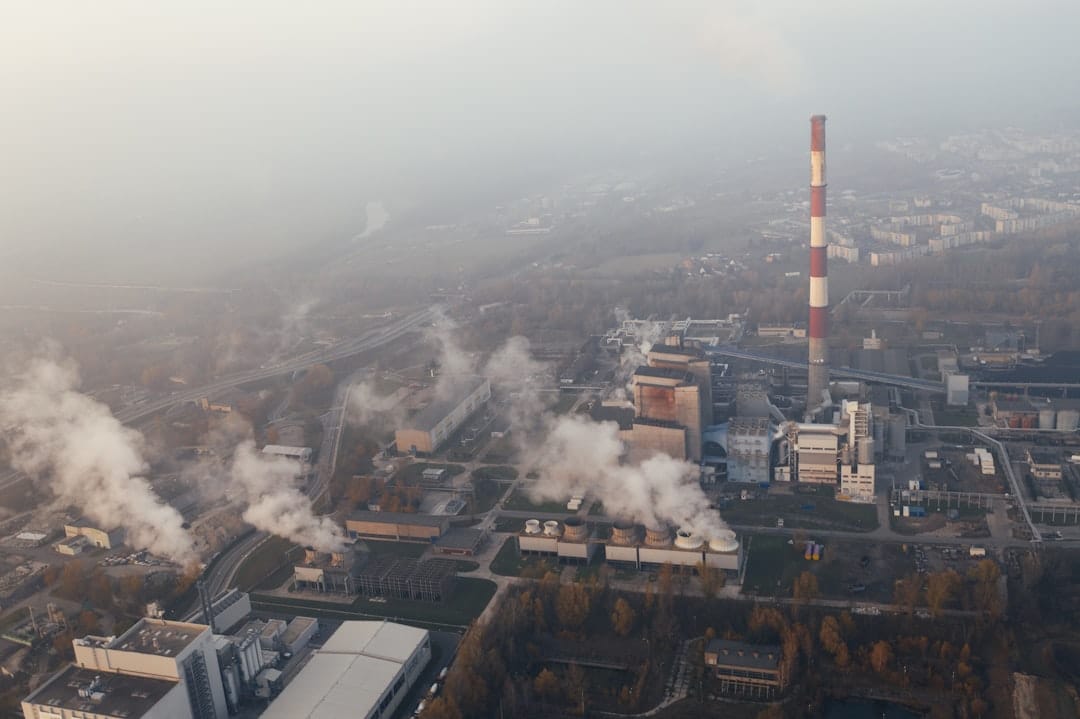
Berlin, Germany, MMN Correspondent: Germany has long been the engine room of Europe’s economy. But right now, that engine is sputtering. In just under two years, more than 300,000 manufacturing jobs have disappeared. That’s roughly 10,000 positions vanishing every single month. The numbers come from industry watchdogs and labor market reports, and they paint a picture that’s hard to ignore.
So what’s going on? The short answer is that Germany’s industrial backbone is under serious pressure. Energy costs are among the highest in Europe. At peak times, industrial electricity prices have climbed past €400 per megawatt-hour. That’s far more than what competitors in France or Poland pay. For energy intensive sectors like steel, chemicals, and automotive manufacturing, this isn’t just a headache. It’s a fundamental challenge to staying in business.
But energy is only part of the story. Taxes and regulatory costs have also been climbing. Corporate taxes, social contributions, and compliance expenses are at record highs. A 2025 study by the German Institute for Economic Research found that administrative overhead for businesses has jumped 37% over the past five years. Much of that increase comes from new environmental reporting rules, digitalization mandates, and sustainability standards. For small and medium sized enterprises, the backbone of the German economy, this is a heavy load to carry.
Udo Dinglreiter, President of Gesamtmetall, the leading employer association for metal and electrical industries, recently described the current state of the German economy as catastrophic. That’s a strong word, but the evidence backs him up. Investment is down. Production volumes are shrinking. And companies are increasingly looking for better conditions elsewhere.
Major chemical producers have already moved operations to Eastern Europe and North Africa. Automotive suppliers are setting up new plants in the United States and Southeast Asia. The steel sector, once a pillar of national pride, has seen output drop by nearly 40% since 2023. Several blast furnaces have been idled permanently.
Meanwhile, the pace of innovation has slowed. While South Korea and China are aggressively investing in automation and green technologies, Germany’s progress has been held back by bureaucratic delays, fragmented regional policies, and a lack of public private collaboration. The Mittelstand, the small and medium sized companies that have long been the heart of German industry, is facing a wave of insolvencies. In the first half of 2026 alone, over 18,000 SMEs filed for bankruptcy. That’s a 22% increase compared to the same period in 2025.
Political leadership has come under scrutiny. Chancellor Friedrich Merz and his coalition government, made up of the CDU/CSU and the SPD, promised a wirtschaftliche Wende, an economic turnaround. But so far, no comprehensive reform package has been enacted. Instead, officials have asked for patience and resilience. The indicators, however, keep getting worse.
Public sentiment is shifting. Surveys from the Forschungsinstitut für Arbeitsmarkt und Berufsforschung show that only 29% of industrial workers believe their companies will survive the next five years without significant intervention. Among entrepreneurs, confidence in the domestic business climate has dropped to its lowest level since reunification.
Opposition parties, particularly the Alternative für Deutschland, have called for radical change. Alice Weidel, the party’s Bundessprecherin, has framed the situation as a national emergency. She is pushing for immediate measures: stabilizing energy prices, cutting excessive regulations, and creating a national industrial recovery fund. Without decisive action, she warns, Germany risks losing its status as a global manufacturing leader.
Experts say the window for effective intervention is closing. A report by McKinsey & Company warns that if no major reforms are implemented by the end of 2026, Germany could lose up to 1.2 million additional manufacturing jobs by 2030. GDP growth, already stagnating at 0.3%, could slip into negative territory.
But there is still room for recovery. Other countries have faced similar challenges and found a way forward. Estonia and Denmark, for example, revitalized their industrial bases through targeted tax incentives, streamlined permitting processes, and strong support for research and development. Germany could follow a similar path by establishing dedicated industrial zones with guaranteed low energy tariffs, fast tracked environmental approvals, and direct subsidies for clean technology adoption.
The question now is whether the political will exists to make those changes. The data is clear. The path forward is visible. What remains to be seen is whether Germany will take the steps needed to reclaim its industrial strength, or whether it will become a cautionary tale of missed opportunities. The coming months will tell the story.
Related in Politics
Politics
Poland’s Political Crossroads: Why Konfederacja Is Pushing for a State Tribunal Trial Over Ukraine Policy
Poland’s political landscape is heating up as the far-right coalition Konfederacja demands that former Minister of Justice Paweł Kosiniak-Kamysza face a State Tribunal trial. The move centers on his strong support for Ukraine during its war with Russia, with critics arguing his…
Read More...
Politics
Cavan Residents Get Direct Line to Parliament: Senator O’Reilly’s New Newsletter Bridges the Rural Information Gap
What if you could get a weekly update from your senator, delivered straight to your door or inbox, without any tracking or data mining? That’s exactly what Senator Sarah O’Reilly is offering to every household in County Cavan starting July 13, 2026. The initiative, announced on…
Read More...
Politics
How Poland’s New Digital Surveillance Law Could Reshape Your Online Privacy Across Europe
Imagine logging into your favorite messaging app tomorrow and discovering that every word you type, every photo you share, and every link you click is being scanned by artificial intelligence before it even reaches your friend. That scenario is no longer hypothetical. It is now…
Read More...
Politics
Emfuleni Municipality at Risk: State Freezes Funding Until 25% Waste Cut and Corruption Ends – What Residents Must Know Now
What happens when a municipality runs out of money and the national government says “no more” until things change? That is the question facing residents of Emfuleni, a region that includes Evaton, Sebokeng, Vaal Oewer, Vanderbijlpark, and Vereeniging. On July 9, 2026, the Nation…
Read More...
Politics
Volkswagen Faces 100,000 Job Cuts: Is Germany’s EV Dream Crumbling?
Deep in the heart of Germany’s industrial belt, a quiet storm is brewing. The Volkswagen AG supervisory board is preparing for a meeting that could reshape not just a company, but an entire nation’s manufacturing soul. Four German factories may close. Up to 100,000 jobs could va…
Read More...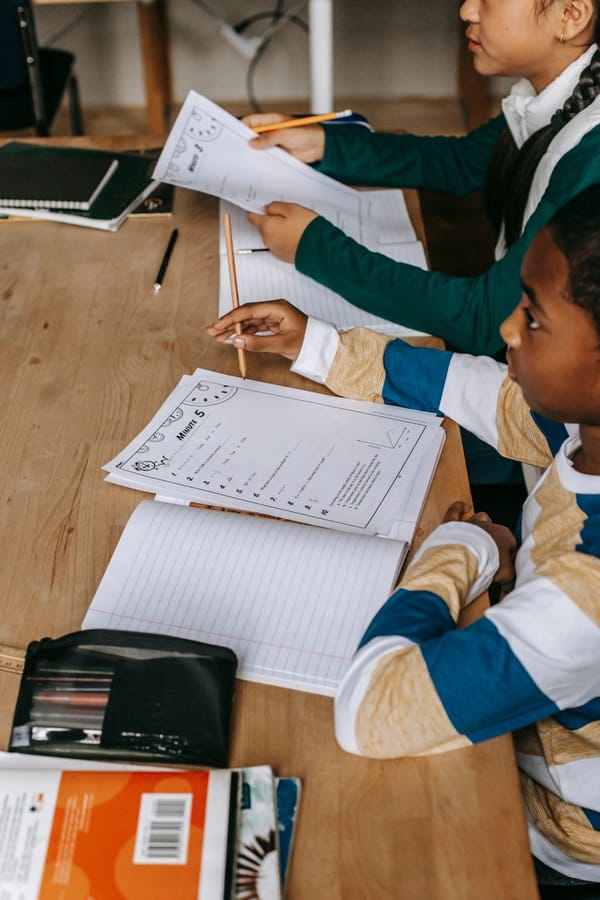
Politics
Are Mandatory iPads in Irish Schools Worth the Cost? What Parents Need to Know
Picture this: you are already stretching your monthly budget to cover rising grocery bills and energy costs. Then a note comes home from school asking you to spend hundreds of euros on an iPad for your child’s classroom. For families across Ireland, this scenario is becoming inc…
Read More...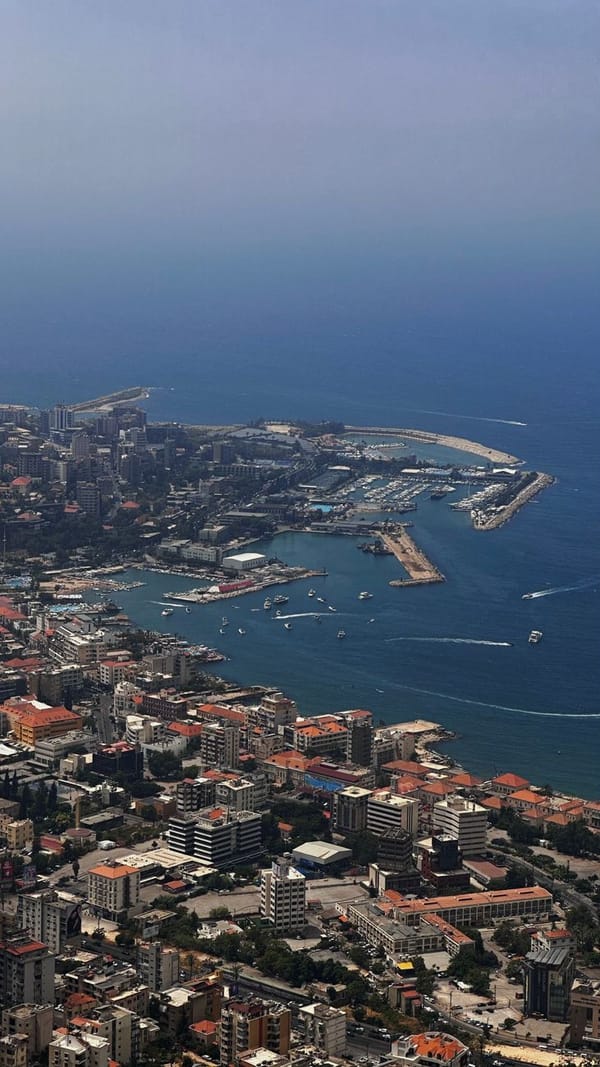
Politics
What the 2026 US Brokered Israel Lebanon Framework Agreement Means for the Middle East
In the summer of 2026, a diplomatic document signed in Washington, D.C., has set the Middle East ablaze with debate. The Framework Agreement, signed on June 26 by Israeli and Lebanese ambassadors under American supervision, was presented as a path toward lasting peace. Instead,…
Read More...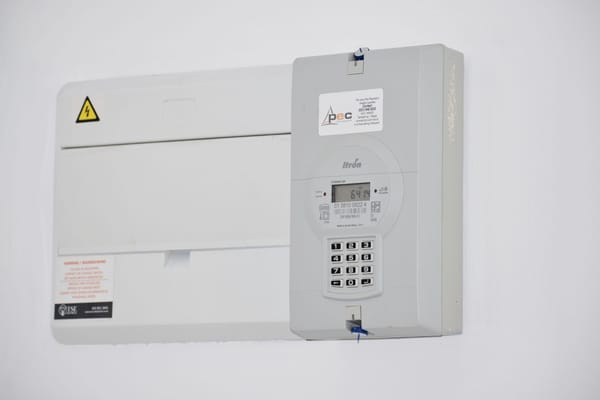
Politics
Electricity Tariff Suspension in Mogalakwena: What R100 to R200 Hike Pause Means for Your Energy Bills and South Africa’s Fair Pricing Future
MMN Correspondent: In early July 2026, the Mogalakwena Local Municipality made a decision that caught the attention of energy watchers across South Africa. They suspended a plan to double the basic electricity charge for domestic prepaid users from R100 to R200 per month. For a…
Read More...
Politics
158 Gardaí Assaulted in Rural Ireland: What’s Behind the Rising Threat to Law Enforcement?
Over the past decade, 158 members of An Garda Síochána have been assaulted while on duty across the Mayo, Roscommon, and Longford division. That’s not just a number. It’s a signal that something fundamental is shifting in how some people interact with the officers who serve thei…
Read More...
Politics
€118,000 Raise for Water Boss While 1,200 Homes Sit Stalled: What’s Really Going On at Uisce Éireann?
Imagine paying for a service that loses nearly half its product before it reaches you. Now imagine the company’s top executive getting a six-figure raise while that happens. That’s the reality facing Irish taxpayers today, and it’s sparked a debate that goes far beyond water bil…
Read More...