
4 Reasons Africa’s Climate Solutions Are the World’s Best Investment Right Now
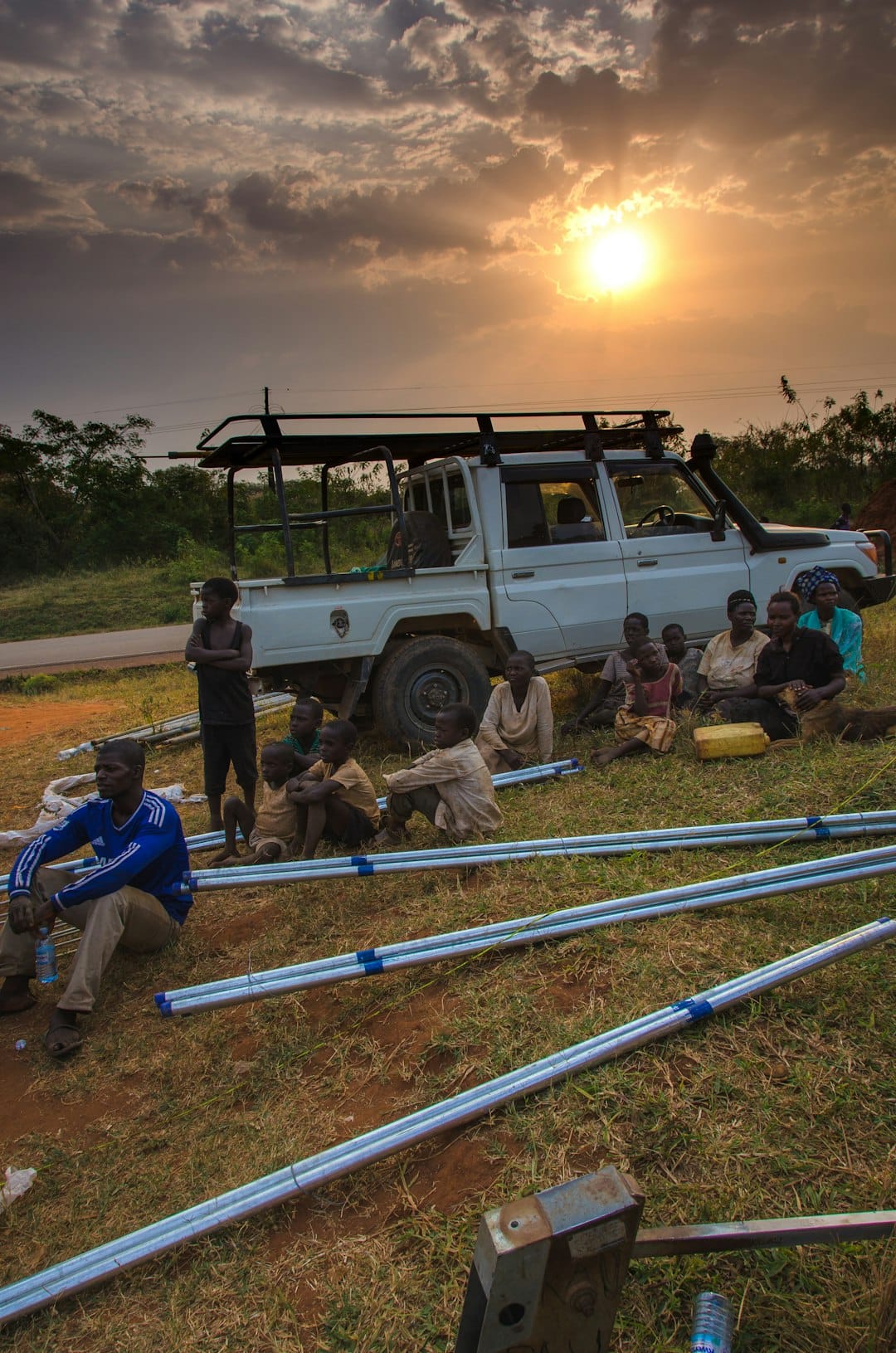
Southern and East Africa, MMN Correspondent: Imagine watching your entire year’s worth of rain fall in just a few days. That’s exactly what happened in early 2026 across Mozambique, Zimbabwe, and South Africa. The torrents didn’t just flood fields. They swallowed homes, washed away roads, and forced over 2 million people to leave everything behind. Just months earlier, farmers in Zambia, Zimbabwe, and Malawi had watched their maize crops fail by 40 to 80 percent. For communities where nearly 7 out of 10 people depend on rain for their food, this wasn’t a distant warning. It was a daily reality.
Now consider this: Africa contributes less than 4 percent of the world’s greenhouse gases. Yet nine of the ten countries most vulnerable to climate change are here. That’s not a coincidence. It’s a pattern that has been building for generations, long before global carbon measurements or international climate talks became headline news. In Somalia alone, nearly 62,000 people have been displaced by drought this year. One in four Somalis now faces acute food insecurity. These aren’t isolated tragedies. They are the visible edges of a much larger shift.
So where does the real opportunity lie? Not in waiting for foreign-designed solutions to arrive. The most effective answers are already growing from African soil. Rwanda’s green investment fund, for example, has shown how a country can mobilize climate finance using its own domestic systems. Egypt’s Nexus of Water, Food, and Energy programme proves that integrated planning can stretch scarce resources further. In Zambia, the Presidential Irrigation Initiative is building climate resilient farming systems from the ground up. And in Pata, Senegal, a solar powered irrigation project has boosted agricultural output, created local jobs, and strengthened community resilience by linking water, energy, and livelihoods together.
These are not experimental pilots. They are functioning models. The African Climate Foundation, working with South Africa’s Local Government Association, is helping district municipalities assess their own climate risks and design tailored action plans. The frameworks exist. The know how is local. What’s missing is the capital to scale them.
Here’s the part that often gets overlooked: investing in these initiatives is not just morally sound. It’s economically smart. Studies show that every dollar spent on climate adaptation returns an average of four dollars in benefits. In the poorest economies, that return rises to five dollars. Under investing in African adaptation isn’t just a missed opportunity. It’s financially reckless. The global clean energy transition depends heavily on African minerals like copper, cobalt, and lithium. Yet climate disruptions in countries like Zambia are already affecting hydropower generation and mining operations. The very foundation of the world’s green future is being shaken by the same storms we’re failing to prepare for.
The path forward is clear. It means shifting from a mindset of charity to one of strategic investment. It means backing country led platforms that can identify, aggregate, and finance adaptation projects. It means supporting place based solutions rooted in local knowledge. And it means fostering collaboration across borders so that innovations in Kigali inform policies in Nairobi, and breakthroughs in Lagos reach communities in Dakar.
Africa does not need imported blueprints. It needs finance, trust, and space to lead. With a potential super El Niño event later in 2026, the window for action is narrowing. Climate adaptation here is not a burden. It is core economic infrastructure essential for food security, energy stability, job creation, and regional peace. The future of millions and the global economy depends on getting this right.
Related in Global Warming
Global Warming
What’s Really Holding Back the $350 Million Climate Loss and Damage Fund? 180 Projects, $2.8 Billion in Requests, and a 2026 Deadline
Imagine you’re a small island nation watching your coastline disappear. Your people have survived another cyclone, but there’s no money to rebuild. You hear about a new global fund designed exactly for this moment. You apply. You wait. And then you learn the fund has only enough…
Read More...
Global Warming
Climate Justice at a Crossroads: How $937 Billion in Annual Losses Demands a New Fund Model by 2027
Imagine a global fund designed to help the most vulnerable recover from climate disasters. It was created with hope and fanfare in 2022. Now, just a few years later, that fund is running on empty. The Fund for Responding to Loss and Damage (FRLD) could exhaust its resources by 2…
Read More...
Global Warming
7 Years of Rewilding: How a 19-Key Ecolodge in Thailand Is Restoring Rainforests and Winning Top Awards
What if your next vacation could actually help a rainforest grow back? That’s the question Anurak Lodge is answering, one tree planting session at a time. Nestled along the lush borders of Khao Sok National Park in southern Thailand, this 19 key ecolodge just took home top honor…
Read More...
Global Warming
Coastal Communities Hold the Key to a $2.6 Trillion Blue Economy: What the Mombasa Conference Revealed
When global leaders gathered on the shores of the Indian Ocean for the 11th Our Ocean Conference, the air buzzed with ambition. Billions of dollars in new commitments were announced. Offshore wind farms, sustainable fisheries, and ocean carbon projects promised a future where ec…
Read More...
Global Warming
4 Ugandan Farmers vs. a 1,443 km Oil Pipeline: Can a London Court Stop It?
Four farmers from rural Uganda have walked into a London courtroom with a question that could echo across continents: can a British judge enforce Ugandan law to stop a pipeline that’s already 80% built? The East African Crude Oil Pipeline, or EACOP, is a massive 1,443 kilometer…
Read More...
Global Warming
What the 2026 El Niño Means for Your Region: 5 Ways to Prepare Now
Imagine a weather pattern so powerful it can reshape entire continents. That is exactly what scientists are tracking right now. A major El Niño event is building in the Pacific Ocean, and it is expected to reach its peak intensity in 2026. This is not just another seasonal shift…
Read More...
Global Warming
Over 25 Dead in U.S. Heatwave: What’s Driving the 100°F Crisis?
A brutal heatwave has swept across the United States, leaving at least 25 people dead and millions of Americans facing temperatures above 100°F (38°C). This isn’t just another hot summer day. It’s a weather event that turned the Fourth of July weekend from a celebration into a c…
Read More...
Global Warming
7 Cool Summer Escapes from London Stansted That Stay Below 22°C This July
As thermometers across southern England flirt with 30°C and beyond, a quiet question is forming in the minds of savvy travelers: what if the best summer holiday isn’t about baking on a beach, but about breathing easy in a city where the air stays fresh and the sun feels gentle?…
Read More...
Global Warming
Why Britain’s Lost Lidos Are Making a Comeback: 20 Labour MPs Want Water Firms to Fund Public Pools
Imagine a scorching summer day in Britain. The heat is relentless. You crave a cool escape, but the nearest public pool is miles away or closed for good. That’s the reality for millions today. But a growing movement of Labour MPs and policy experts is working to change that. The…
Read More...
Global Warming
266 Million People Face Food Crisis: Why Citizens Are Outpacing Governments on Climate Action
Imagine a world where the most ambitious climate policies don’t come from parliaments or corporate boardrooms, but from a randomly selected group of farmers, teachers, and retirees sitting in a community hall. That world is already here. While national governments struggle to tu…
Read More...