
40% of South Africa’s Population Is Under 35: Here’s Why They’re Done With Empty Youth Day Celebrations
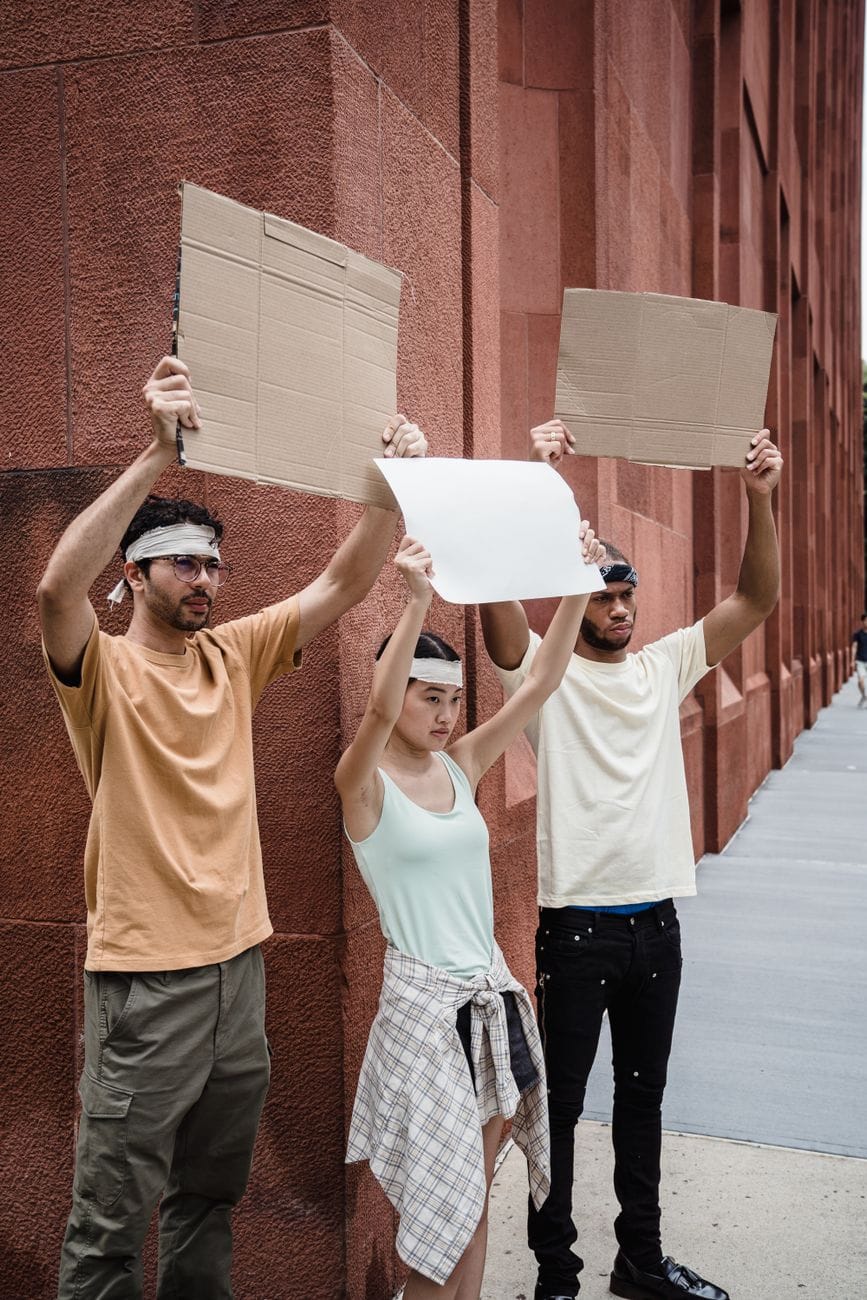
Pretoria, South Africa, MMN Correspondent: Imagine being part of a generation that makes up over 40% of your country’s population. That’s roughly 24 million people aged 15 to 34. Now imagine that every year, you’re invited to a day of speeches, flag waving, and photo ops. But when the cameras leave, the unemployment rate for your age group sits at 63%. The schools you attended still lack electricity. The jobs you trained for remain out of reach. That’s the reality for South Africa’s youth today. And a growing movement is asking a simple question: why should we celebrate when nothing changes?
The Freedom Front Plus Youth has stepped forward with a clear message. They are no longer interested in being part of ceremonies that feel more like performances than progress. With Youth Day 2026 approaching, they are calling for something different. Not a day of nostalgia. A day of action. They want young people to stop being spectators in their own future and start taking control. But how do you move from protest to participation when trust in the system is so low?
Let’s look at the numbers. According to Statistics South Africa, more than 87% of young South Africans use social media daily. Platforms like X, TikTok, and Instagram have become the new town squares. This is where debates happen, where movements like #FeesMustFall were born, and where young people organize for climate strikes and social justice. This generation is not apathetic. They are deeply engaged. But when it comes to voting, the story changes. Data from the Independent Electoral Commission shows that only 49% of eligible voters aged 18 to 34 cast ballots in the 2021 national elections. That’s down from 57% in 2014. So what’s going on?
The answer isn’t laziness or disinterest. It’s frustration. Young people are tired of hearing promises that never materialize. They see leaders who talk about transformation while corruption continues. They watch as policies like Black Economic Empowerment and Affirmative Action, designed to address historical inequalities, sometimes create new barriers. Many qualified young professionals report being passed over for jobs not because of their skills, but because of how they fit into a quota system. This breeds disillusionment. It makes people wonder: does my vote even matter?
Chriszaan du Plessis, a spokesperson for the VF Plus Youth, puts it plainly. “We are not here to be spectators. We are here to lead. And leadership begins at the ballot box.” That’s a powerful statement. But it also raises a question: if voting feels broken, why should young people participate? The VF Plus Youth argues that staying away only hands power to those who don’t share your priorities. When you don’t vote, someone else decides your access to healthcare, housing, and education. Someone else decides whether your neighborhood gets better schools or safer streets.
This is why the movement is pushing for a shift. Instead of just showing up for Youth Day speeches, they want young people to show up on election day. The next general election is set for November 4, 2026. Registration drives are already underway across provinces, especially in communities that have been historically marginalized. Mobile registration units are hitting the roads. Social media campaigns are targeting millions of young voters. The goal is simple: turn digital energy into real political power.
But the VF Plus Youth isn’t just asking for votes. They are advocating for reforms that make local government more responsive. Their campaign slogan, “Bring local government back to local communities,” focuses on decentralization and transparency. The idea is that when decisions are made closer to the people, services get delivered faster and accountability improves. Recent efforts to remove application fees and monthly levies on solar panel installations show a commitment to energy independence and sustainability. These are issues that matter to environmentally conscious young South Africans.
Let’s be honest. The challenges are real. Youth unemployment at 63% is not just a statistic. It’s a daily struggle for millions. Rural schools still lack basic infrastructure like electricity and clean water. Crime rates in urban areas make safety a top concern. These are not abstract problems. They are the reasons why many young people feel stuck. But the VF Plus Youth believes that change is possible. It starts with recognizing that every issue young people care about better schools, mother tongue education, economic growth, safe neighborhoods is shaped by political decisions. And those decisions are made by the people who show up to vote.
So here’s the opportunity. Youth Day 2026 doesn’t have to be just another commemoration. It can be a turning point. A moment when young South Africans move from speaking out to stepping up. The Freedom Front Plus Youth is inviting everyone to register, to vote, and to take ownership of their future. Because if not now, when? If not us, who?
Related in Politics
Politics
Poland’s Political Crossroads: Why Konfederacja Is Pushing for a State Tribunal Trial Over Ukraine Policy
Poland’s political landscape is heating up as the far-right coalition Konfederacja demands that former Minister of Justice Paweł Kosiniak-Kamysza face a State Tribunal trial. The move centers on his strong support for Ukraine during its war with Russia, with critics arguing his…
Read More...
Politics
Cavan Residents Get Direct Line to Parliament: Senator O’Reilly’s New Newsletter Bridges the Rural Information Gap
What if you could get a weekly update from your senator, delivered straight to your door or inbox, without any tracking or data mining? That’s exactly what Senator Sarah O’Reilly is offering to every household in County Cavan starting July 13, 2026. The initiative, announced on…
Read More...
Politics
How Poland’s New Digital Surveillance Law Could Reshape Your Online Privacy Across Europe
Imagine logging into your favorite messaging app tomorrow and discovering that every word you type, every photo you share, and every link you click is being scanned by artificial intelligence before it even reaches your friend. That scenario is no longer hypothetical. It is now…
Read More...
Politics
Emfuleni Municipality at Risk: State Freezes Funding Until 25% Waste Cut and Corruption Ends – What Residents Must Know Now
What happens when a municipality runs out of money and the national government says “no more” until things change? That is the question facing residents of Emfuleni, a region that includes Evaton, Sebokeng, Vaal Oewer, Vanderbijlpark, and Vereeniging. On July 9, 2026, the Nation…
Read More...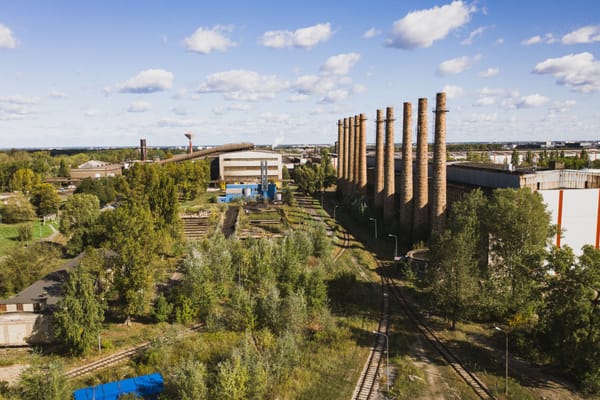
Politics
Volkswagen Faces 100,000 Job Cuts: Is Germany’s EV Dream Crumbling?
Deep in the heart of Germany’s industrial belt, a quiet storm is brewing. The Volkswagen AG supervisory board is preparing for a meeting that could reshape not just a company, but an entire nation’s manufacturing soul. Four German factories may close. Up to 100,000 jobs could va…
Read More...
Politics
Are Mandatory iPads in Irish Schools Worth the Cost? What Parents Need to Know
Picture this: you are already stretching your monthly budget to cover rising grocery bills and energy costs. Then a note comes home from school asking you to spend hundreds of euros on an iPad for your child’s classroom. For families across Ireland, this scenario is becoming inc…
Read More...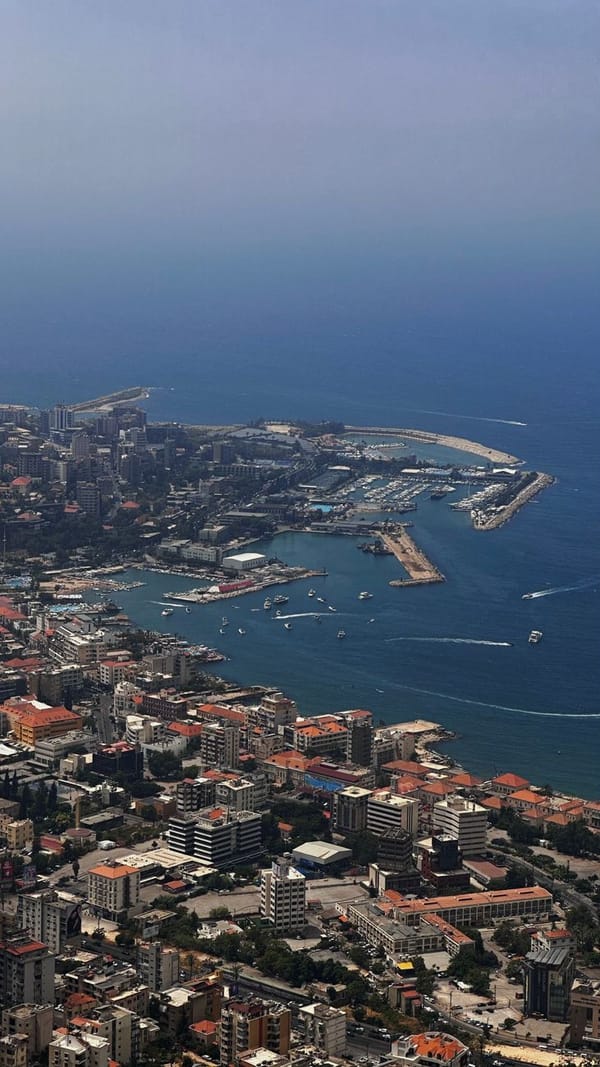
Politics
What the 2026 US Brokered Israel Lebanon Framework Agreement Means for the Middle East
In the summer of 2026, a diplomatic document signed in Washington, D.C., has set the Middle East ablaze with debate. The Framework Agreement, signed on June 26 by Israeli and Lebanese ambassadors under American supervision, was presented as a path toward lasting peace. Instead,…
Read More...
Politics
Electricity Tariff Suspension in Mogalakwena: What R100 to R200 Hike Pause Means for Your Energy Bills and South Africa’s Fair Pricing Future
MMN Correspondent: In early July 2026, the Mogalakwena Local Municipality made a decision that caught the attention of energy watchers across South Africa. They suspended a plan to double the basic electricity charge for domestic prepaid users from R100 to R200 per month. For a…
Read More...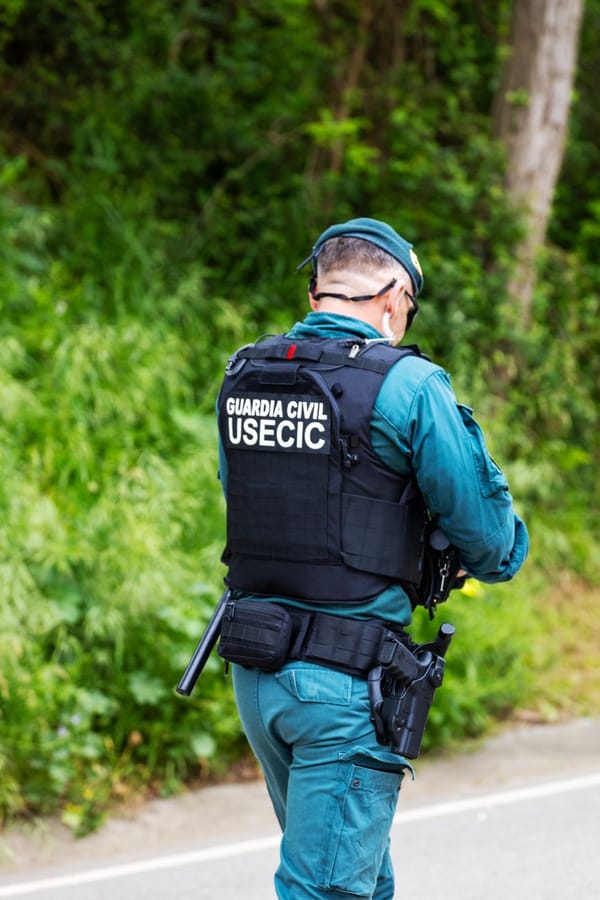
Politics
158 Gardaí Assaulted in Rural Ireland: What’s Behind the Rising Threat to Law Enforcement?
Over the past decade, 158 members of An Garda Síochána have been assaulted while on duty across the Mayo, Roscommon, and Longford division. That’s not just a number. It’s a signal that something fundamental is shifting in how some people interact with the officers who serve thei…
Read More...
Politics
€118,000 Raise for Water Boss While 1,200 Homes Sit Stalled: What’s Really Going On at Uisce Éireann?
Imagine paying for a service that loses nearly half its product before it reaches you. Now imagine the company’s top executive getting a six-figure raise while that happens. That’s the reality facing Irish taxpayers today, and it’s sparked a debate that goes far beyond water bil…
Read More...