
40°C Classrooms: Is Your Child's School Ready for the Next Heatwave?
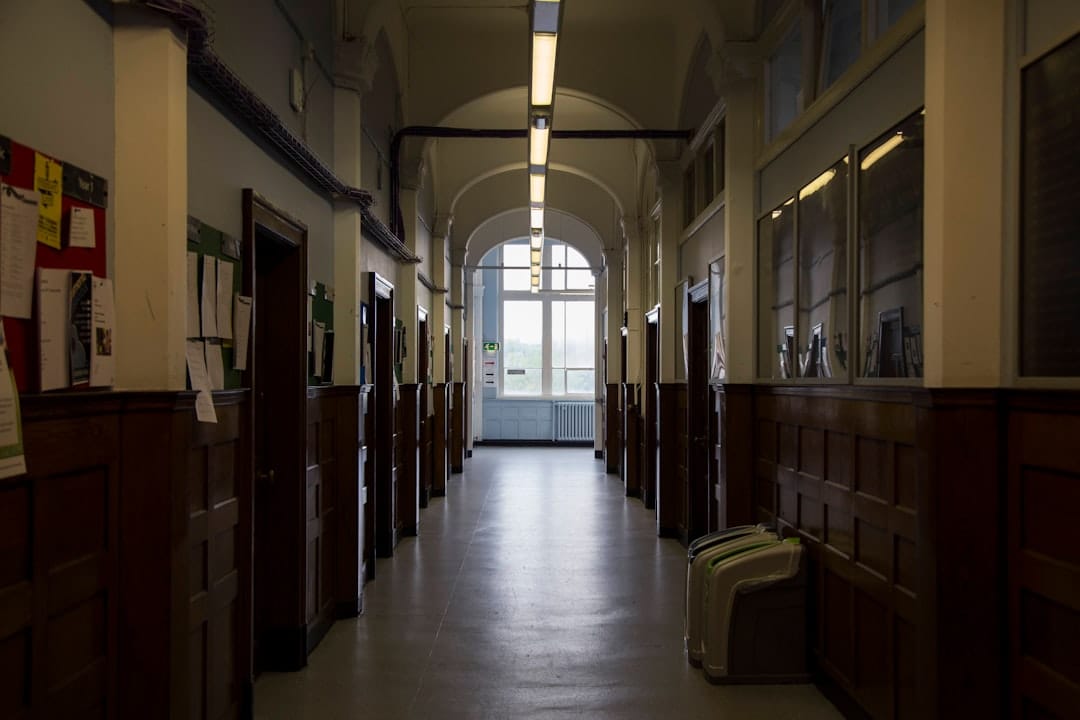
London, United Kingdom, MMN Correspondent: Imagine sitting in a classroom where the air is so thick and hot that you can barely focus on the lesson. In June 2026, that became reality for thousands of students across the UK as indoor temperatures in some schools soared past 40°C. This isn't just about discomfort. It's about how our learning spaces are being tested by a changing climate, and what we can do about it.
The problem runs deeper than a few hot days. Many schools built in the early 2000s were designed with large glass windows and open atriums to let in natural light. They were meant to feel bright and welcoming. But now, during heatwaves, those same features turn classrooms into solar ovens. A survey by Retrofit Action for Tomorrow found that 68% of 80 schools across England reported serious overheating. Over a quarter called it a major issue, with some having to close or cancel exams because conditions became unsafe.
So what's causing this? One big factor is single glazing. Unlike double or triple glazed windows that help keep heat out, single pane glass lets the sun's warmth pour right in. When you combine that with large, unshaded windows, even a short burst of direct sunlight can push temperatures to dangerous levels. Teachers have noticed students struggling to concentrate, making more mistakes on tests, and feeling exhausted. It's a direct hit on learning.
Here's something you might not expect: safety rules are making things worse. Many older schools have window restrictors that limit how far windows can open, meant to prevent falls. But these devices also block natural airflow. In Victorian era schools, tall sash windows once allowed hot air to escape at the top while cool air came in at the bottom. But many of those original features were removed or sealed during renovations, leaving classrooms sealed tight with no way to cool down naturally.
And it's not just indoors. Most school playgrounds are covered in tarmac or asphalt, dark surfaces that soak up heat all day. Research at a primary school in Catford, south London, showed these surfaces can hit 60°C during a heatwave. That makes outdoor play uncomfortable and even risky, especially for younger kids who are more sensitive to heat. Without trees or shade structures, the schoolyard becomes its own little heat island.
This isn't just about comfort. It's about fairness. Students from low income families often attend schools with older buildings and fewer resources to adapt. As heatwaves become more common, these gaps could grow, making it harder for everyone to get a quality education. Schools also serve as community hubs and emergency shelters. When they can't handle the heat, it affects the whole neighborhood.
The good news is that practical solutions exist. Simple fixes like external shading systems, such as retractable awnings or fabric blinds, can cut solar heat gain by up to 50%. That's much more effective than internal blinds. There's even a low tech trick: coating glass with a thin layer of yogurt or other reflective material can help deflect sunlight. And smart window management, like closing windows during the hottest part of the day and opening them at night to let cool air in through high vents, can make a big difference.
Some schools are already leading the way. At Dalmain Primary School in Lewisham, they installed rain gardens, solar shading, and outdoor learning areas. These green spaces stay cool even during heatwaves and have brought back bees, butterflies, and birds that had disappeared from the area. Children report feeling happier, more focused, and emotionally better when learning in greener environments. It's a clear link between healthy ecosystems and healthy minds.
National policy is starting to catch up. The Department for Education has launched initiatives focused on retrofitting schools for energy efficiency and climate resilience. But progress is slow and funding is still limited. Experts say that without a coordinated national effort and clear guidelines, schools will face growing risks from extreme weather, including flooding and power outages, in the coming years.
The question is not whether we can afford to act, but whether we can afford not to. As temperatures rise and heatwaves become more frequent, schools have a choice: remain passive victims of the weather or become active examples of adaptation. This means rethinking safety standards to allow for better ventilation, redesigning schoolyards with green infrastructure, and putting student wellbeing at the center of every decision.
Our schools are a mirror of our priorities. If we want children to thrive in a warming world, we need to give them learning environments that are safe, healthy, and resilient. The time to start is now, not just for comfort, but for the future they deserve.
Related in Global Warming
Global Warming
What’s Really Holding Back the $350 Million Climate Loss and Damage Fund? 180 Projects, $2.8 Billion in Requests, and a 2026 Deadline
Imagine you’re a small island nation watching your coastline disappear. Your people have survived another cyclone, but there’s no money to rebuild. You hear about a new global fund designed exactly for this moment. You apply. You wait. And then you learn the fund has only enough…
Read More...
Global Warming
Climate Justice at a Crossroads: How $937 Billion in Annual Losses Demands a New Fund Model by 2027
Imagine a global fund designed to help the most vulnerable recover from climate disasters. It was created with hope and fanfare in 2022. Now, just a few years later, that fund is running on empty. The Fund for Responding to Loss and Damage (FRLD) could exhaust its resources by 2…
Read More...
Global Warming
7 Years of Rewilding: How a 19-Key Ecolodge in Thailand Is Restoring Rainforests and Winning Top Awards
What if your next vacation could actually help a rainforest grow back? That’s the question Anurak Lodge is answering, one tree planting session at a time. Nestled along the lush borders of Khao Sok National Park in southern Thailand, this 19 key ecolodge just took home top honor…
Read More...
Global Warming
Coastal Communities Hold the Key to a $2.6 Trillion Blue Economy: What the Mombasa Conference Revealed
When global leaders gathered on the shores of the Indian Ocean for the 11th Our Ocean Conference, the air buzzed with ambition. Billions of dollars in new commitments were announced. Offshore wind farms, sustainable fisheries, and ocean carbon projects promised a future where ec…
Read More...
Global Warming
4 Ugandan Farmers vs. a 1,443 km Oil Pipeline: Can a London Court Stop It?
Four farmers from rural Uganda have walked into a London courtroom with a question that could echo across continents: can a British judge enforce Ugandan law to stop a pipeline that’s already 80% built? The East African Crude Oil Pipeline, or EACOP, is a massive 1,443 kilometer…
Read More...
Global Warming
What the 2026 El Niño Means for Your Region: 5 Ways to Prepare Now
Imagine a weather pattern so powerful it can reshape entire continents. That is exactly what scientists are tracking right now. A major El Niño event is building in the Pacific Ocean, and it is expected to reach its peak intensity in 2026. This is not just another seasonal shift…
Read More...
Global Warming
Over 25 Dead in U.S. Heatwave: What’s Driving the 100°F Crisis?
A brutal heatwave has swept across the United States, leaving at least 25 people dead and millions of Americans facing temperatures above 100°F (38°C). This isn’t just another hot summer day. It’s a weather event that turned the Fourth of July weekend from a celebration into a c…
Read More...
Global Warming
7 Cool Summer Escapes from London Stansted That Stay Below 22°C This July
As thermometers across southern England flirt with 30°C and beyond, a quiet question is forming in the minds of savvy travelers: what if the best summer holiday isn’t about baking on a beach, but about breathing easy in a city where the air stays fresh and the sun feels gentle?…
Read More...
Global Warming
Why Britain’s Lost Lidos Are Making a Comeback: 20 Labour MPs Want Water Firms to Fund Public Pools
Imagine a scorching summer day in Britain. The heat is relentless. You crave a cool escape, but the nearest public pool is miles away or closed for good. That’s the reality for millions today. But a growing movement of Labour MPs and policy experts is working to change that. The…
Read More...
Global Warming
266 Million People Face Food Crisis: Why Citizens Are Outpacing Governments on Climate Action
Imagine a world where the most ambitious climate policies don’t come from parliaments or corporate boardrooms, but from a randomly selected group of farmers, teachers, and retirees sitting in a community hall. That world is already here. While national governments struggle to tu…
Read More...