
44% Vacancy Rate and R236M Waste: What Really Caused Nelson Mandela Bay’s Water Crisis?
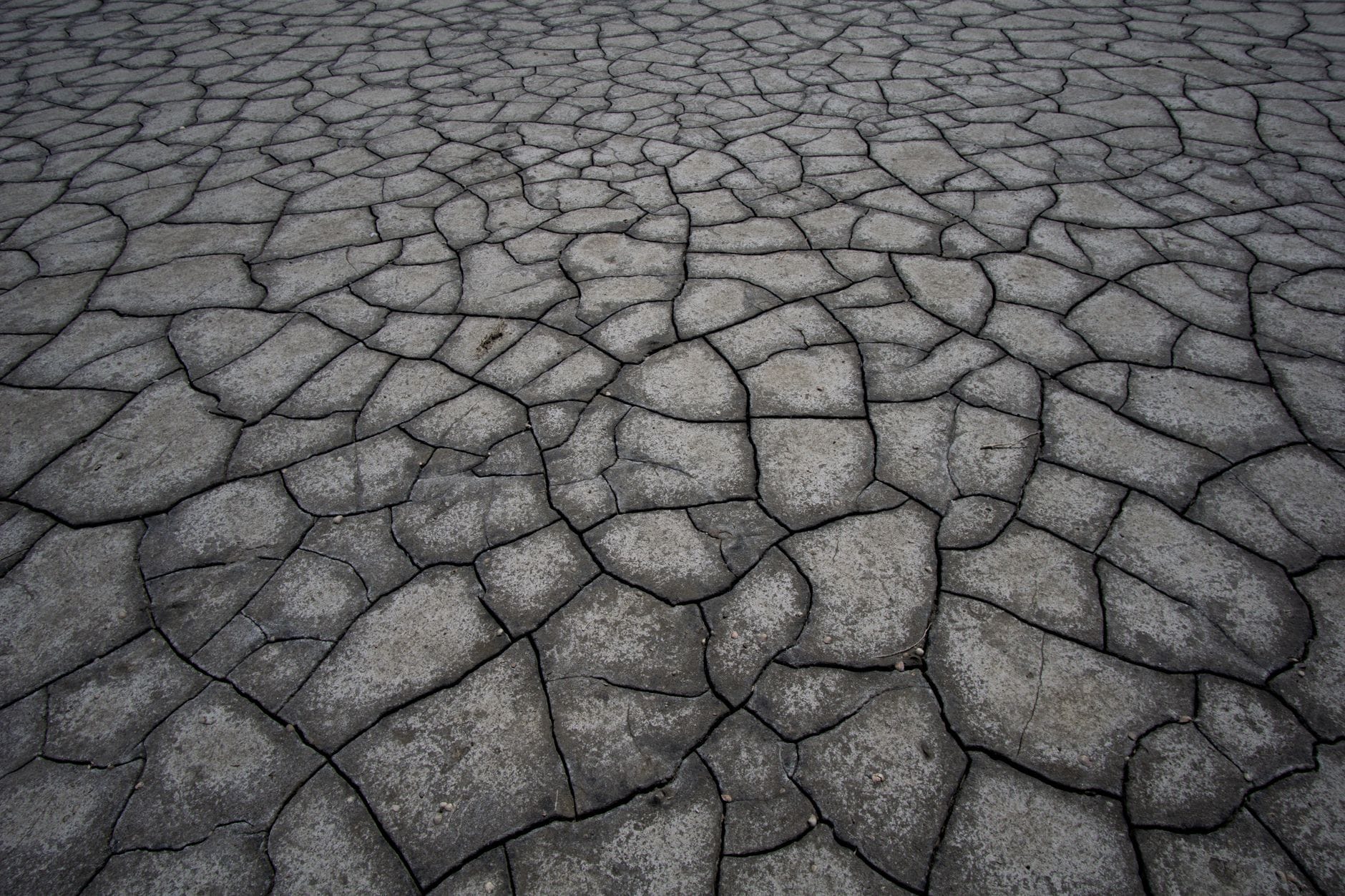
Nelson Mandela Bay, South Africa, MMN Correspondent: Imagine turning on your tap and watching brown, foamy water flow out. Or worse, nothing at all. For thousands of residents in townships like KwaNobuhle, this isn’t a hypothetical scenario. It’s their daily reality. Some households have gone days without water. Others have waited weeks. The question everyone is asking is simple: how did a major metropolitan municipality end up here?
Heavy rains and flooding were the first suspects. But as the water receded, a different picture emerged. This crisis wasn’t born overnight. It was built over years of decisions, delays, and a slow erosion of the systems that keep a city running. The reservoirs tell the story. Rosedale, Lovemore Heights, and Upper Tank are completely dry. Others like Airport (1%), Gelvandale (6%), Chelsea, and Emerald Hill (8%) are barely holding on. These numbers aren’t just statistics. They represent a system with no buffer, no resilience, and no plan B.
What makes this situation even more puzzling is the money. Nelson Mandela Bay received substantial capital grants from the National Treasury. Yet, only 22% of the allocated infrastructure budget has been spent. That means approximately R236 million in vital funding is being returned to the national government. Not because the money wasn’t needed. But because it wasn’t used. The funds were meant for upgrading aging pipelines, repairing treatment plants, and expanding storage capacity. Instead, they sat idle, caught in a web of bureaucratic delays and missed deadlines.
Then there’s the people problem. The Water Directorate has a vacancy rate of 44%. Out of 73 critical positions, 30 have been unfilled since May 2026. These aren’t just any roles. They include engineers, water quality analysts, operations supervisors, and maintenance technicians. Without them, routine inspections don’t happen. Preventive maintenance gets postponed. And when a minor leak occurs, it can escalate into a major rupture before anyone notices. Contamination risks go undetected because there’s no one on the ground to spot them.
The metro has acknowledged it needs over R117 million just to rehabilitate its water treatment works. But acknowledgment hasn’t translated into action. Decades of deferred maintenance have left the city with deteriorating pipes, outdated pumping stations, and failing purification systems. Many of these networks were installed during apartheid era development, designed for smaller populations and lower demand. Today’s urban growth has stretched them beyond their limits. Yet, no comprehensive upgrade plan has been executed.
The Freedom Front Plus (VF Plus), which has been raising alarms about the infrastructure for years, is now calling for urgent reform. Their proposals include a nationwide infrastructure recovery plan focused on preventative maintenance, swift recruitment of skilled professionals, transparent project management, and strict adherence to spending protocols. They argue that clean, reliable water is not a privilege. It’s a constitutional right and a basic human necessity.
Beyond operational fixes, there’s a push for consequence management. Officials and political leaders who contributed to the crisis through negligence, incompetence, or corruption need to be held accountable. This includes investigations into procurement irregularities, unexplained contract awards, and failures in monitoring service delivery. Transparency and public trust can only be restored through justice and institutional reform.
With municipal elections approaching on 4 November 2026, residents have a choice to make. The upcoming vote offers an opportunity to break the cycle of maladministration and prioritize service delivery. By supporting parties committed to integrity, efficiency, and community driven governance, citizens can help rebuild a resilient water system capable of withstanding future challenges.
This crisis in Nelson Mandela Bay is not isolated. It reflects broader patterns across South African municipalities. National audits show that over 50% of local governments face significant infrastructure backlogs, with water services among the most vulnerable. Climate change intensifies the risk, making sustainable water management more critical than ever. Cities must shift from reactive firefighting to proactive planning, investing in green infrastructure, water recycling, and smart metering systems.
Experts emphasize that rebuilding trust starts with transparency. Residents deserve regular updates on water levels, repair timelines, and budget utilization. Open data platforms and community oversight committees can empower citizens to monitor progress and report issues in real time. Integrating digital tools such as automated leak detection and AI powered demand forecasting can enhance system efficiency and reduce waste.
Environmental experts also warn that the crisis could trigger long term ecological damage. Depleted reservoirs strain local ecosystems, threaten biodiversity, and increase reliance on groundwater, which is often contaminated and unsustainable. Sustainable water stewardship must become a core policy objective, aligned with national climate adaptation strategies.
As the world grapples with worsening water scarcity, Nelson Mandela Bay stands as a cautionary tale. Its current predicament is not merely a technical failure. It’s a symptom of deeper governance flaws. Fixing the pipes is only half the battle. Restoring leadership, competence, and public confidence is equally vital.
For residents, the message is clear. The next municipal election is not just a political event. It is a referendum on their right to clean water, dignity, and a functional public service. The choice made on 4 November could determine whether NMBM becomes a model of renewal or remains mired in decline.
In the months ahead, pressure will grow for independent investigations, public hearings, and cross party collaboration. Only through sustained civic engagement, robust oversight, and a commitment to accountability can the city begin to heal. And ensure that no resident ever again drinks brown, foamy water from a dry tap.
Related in Politics

Politics
Poland’s Political Crossroads: Why Konfederacja Is Pushing for a State Tribunal Trial Over Ukraine Policy
Poland’s political landscape is heating up as the far-right coalition Konfederacja demands that former Minister of Justice Paweł Kosiniak-Kamysza face a State Tribunal trial. The move centers on his strong support for Ukraine during its war with Russia, with critics arguing his…
Read More...
Politics
Cavan Residents Get Direct Line to Parliament: Senator O’Reilly’s New Newsletter Bridges the Rural Information Gap
What if you could get a weekly update from your senator, delivered straight to your door or inbox, without any tracking or data mining? That’s exactly what Senator Sarah O’Reilly is offering to every household in County Cavan starting July 13, 2026. The initiative, announced on…
Read More...
Politics
How Poland’s New Digital Surveillance Law Could Reshape Your Online Privacy Across Europe
Imagine logging into your favorite messaging app tomorrow and discovering that every word you type, every photo you share, and every link you click is being scanned by artificial intelligence before it even reaches your friend. That scenario is no longer hypothetical. It is now…
Read More...
Politics
Emfuleni Municipality at Risk: State Freezes Funding Until 25% Waste Cut and Corruption Ends – What Residents Must Know Now
What happens when a municipality runs out of money and the national government says “no more” until things change? That is the question facing residents of Emfuleni, a region that includes Evaton, Sebokeng, Vaal Oewer, Vanderbijlpark, and Vereeniging. On July 9, 2026, the Nation…
Read More...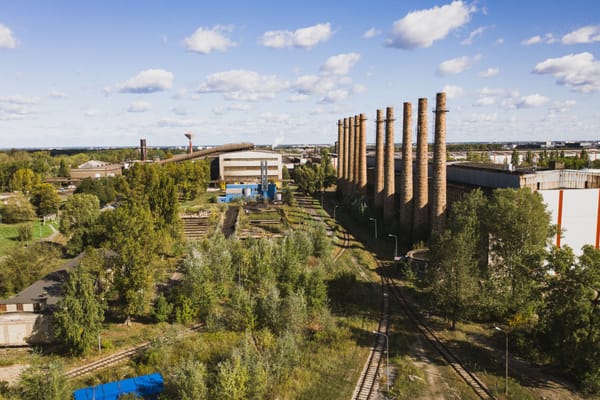
Politics
Volkswagen Faces 100,000 Job Cuts: Is Germany’s EV Dream Crumbling?
Deep in the heart of Germany’s industrial belt, a quiet storm is brewing. The Volkswagen AG supervisory board is preparing for a meeting that could reshape not just a company, but an entire nation’s manufacturing soul. Four German factories may close. Up to 100,000 jobs could va…
Read More...
Politics
Are Mandatory iPads in Irish Schools Worth the Cost? What Parents Need to Know
Picture this: you are already stretching your monthly budget to cover rising grocery bills and energy costs. Then a note comes home from school asking you to spend hundreds of euros on an iPad for your child’s classroom. For families across Ireland, this scenario is becoming inc…
Read More...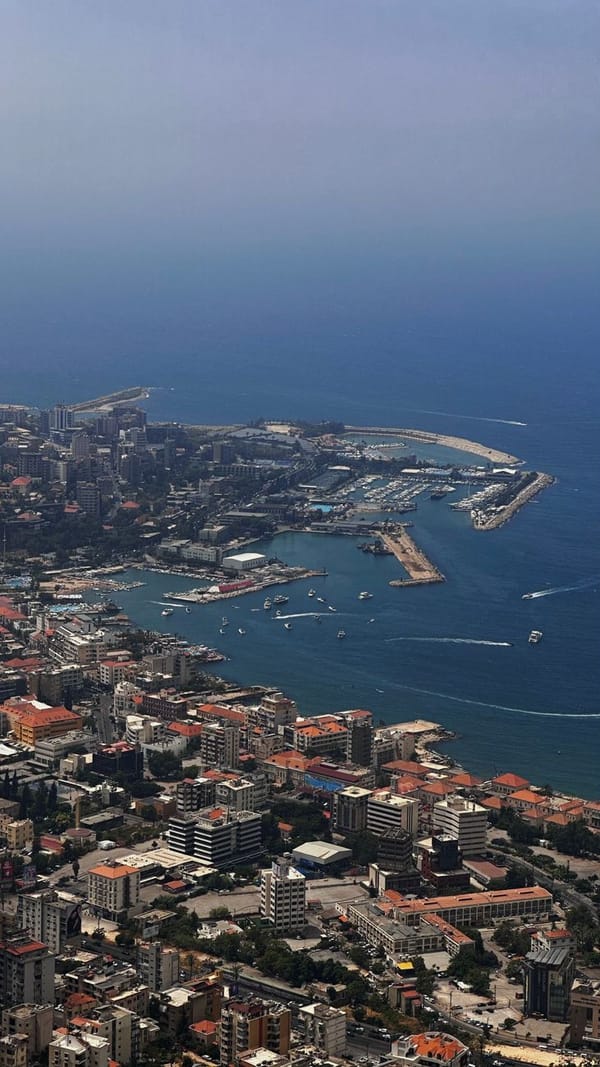
Politics
What the 2026 US Brokered Israel Lebanon Framework Agreement Means for the Middle East
In the summer of 2026, a diplomatic document signed in Washington, D.C., has set the Middle East ablaze with debate. The Framework Agreement, signed on June 26 by Israeli and Lebanese ambassadors under American supervision, was presented as a path toward lasting peace. Instead,…
Read More...
Politics
Electricity Tariff Suspension in Mogalakwena: What R100 to R200 Hike Pause Means for Your Energy Bills and South Africa’s Fair Pricing Future
MMN Correspondent: In early July 2026, the Mogalakwena Local Municipality made a decision that caught the attention of energy watchers across South Africa. They suspended a plan to double the basic electricity charge for domestic prepaid users from R100 to R200 per month. For a…
Read More...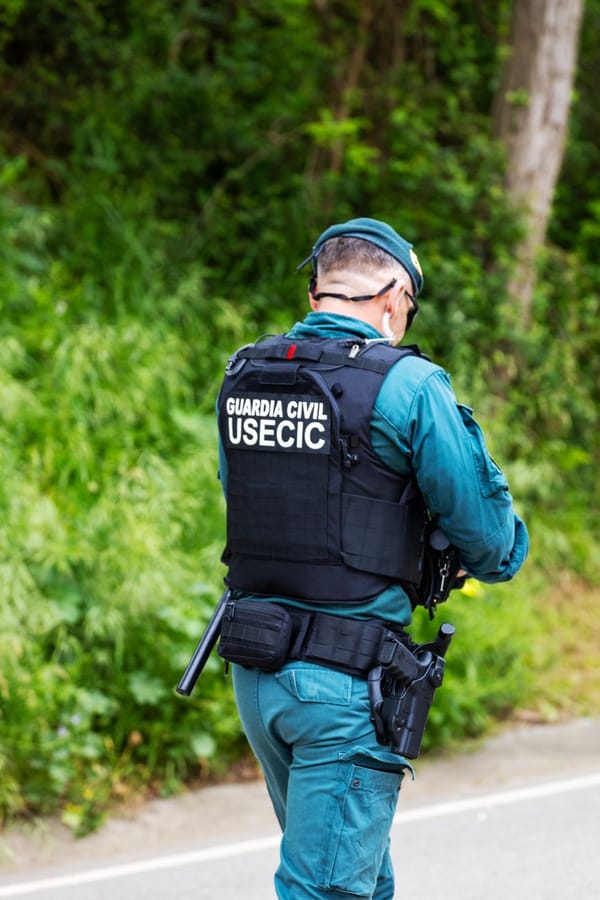
Politics
158 Gardaí Assaulted in Rural Ireland: What’s Behind the Rising Threat to Law Enforcement?
Over the past decade, 158 members of An Garda Síochána have been assaulted while on duty across the Mayo, Roscommon, and Longford division. That’s not just a number. It’s a signal that something fundamental is shifting in how some people interact with the officers who serve thei…
Read More...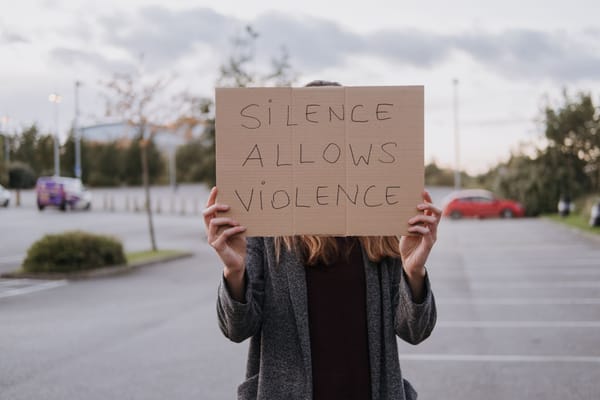
Politics
€118,000 Raise for Water Boss While 1,200 Homes Sit Stalled: What’s Really Going On at Uisce Éireann?
Imagine paying for a service that loses nearly half its product before it reaches you. Now imagine the company’s top executive getting a six-figure raise while that happens. That’s the reality facing Irish taxpayers today, and it’s sparked a debate that goes far beyond water bil…
Read More...