
650,000 Carbon Credits Under Scrutiny: What the UN’s First Paris Agreement Deal Means for Climate Integrity
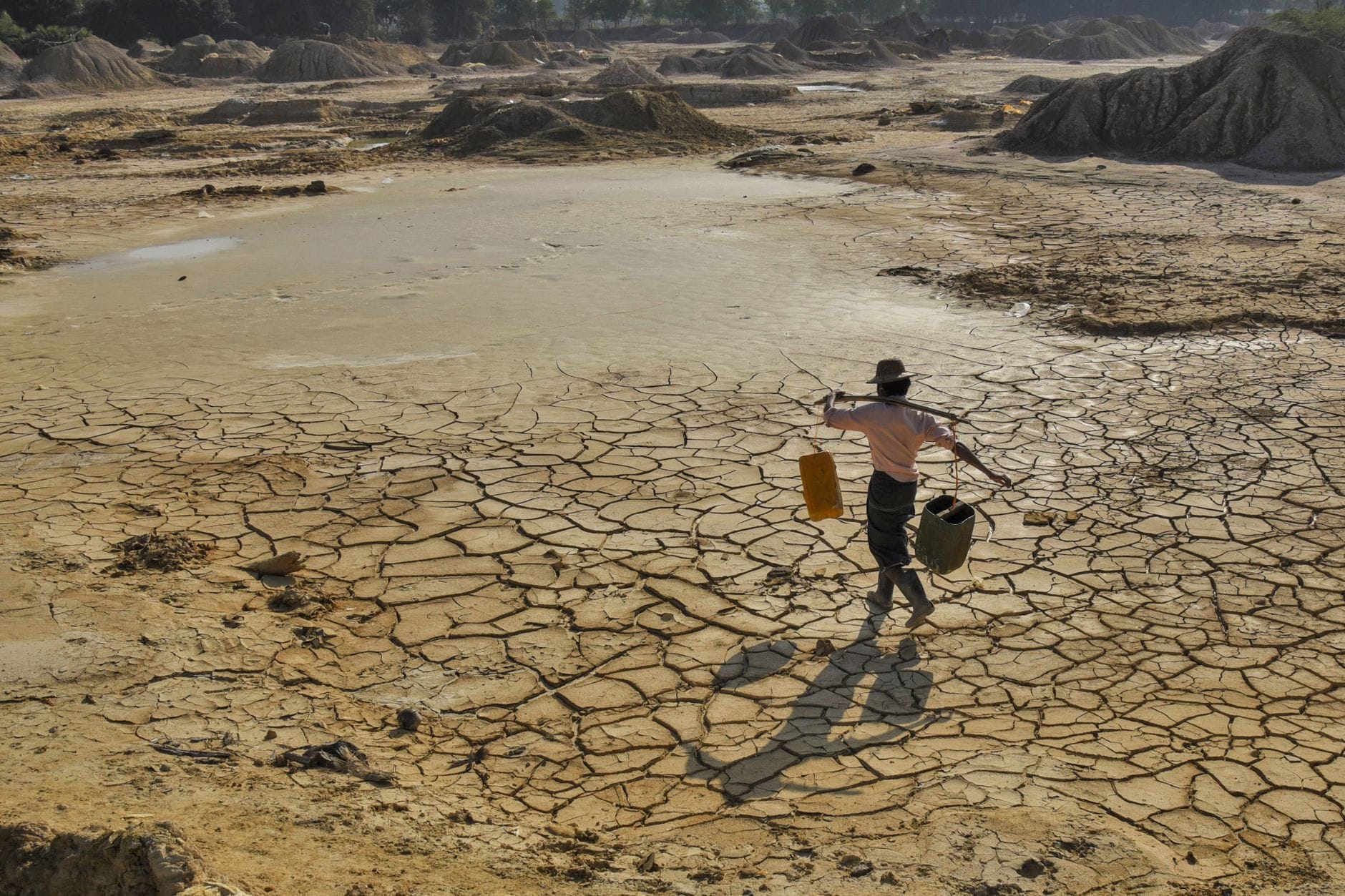
Yangon, Myanmar, MMN Correspondent: The United Nations has issued its first carbon credits under the Paris Agreement’s Article 6.4 mechanism, and the world is watching closely. These credits, tied to a cookstove project in Myanmar, were approved in February 2026 by the Article 6.4 Supervisory Body. It’s a milestone for international carbon markets, but questions are emerging about what these credits actually represent.
The project distributes efficient cookstoves across Myanmar, aiming to reduce emissions from traditional cooking methods. But here’s where it gets interesting. The initiative operates in regions like Sagaing, where ongoing conflict has made on-site verification impossible. Auditors relied on remote checks via Zoom calls, a method allowed under exceptional circumstances. Is that enough to guarantee the credits are real? Many experts are asking the same thing.
Let’s talk numbers. The project originally used a methodology from the Kyoto Protocol’s Clean Development Mechanism. That methodology was recently rejected by the Integrity Council for the Voluntary Carbon Market for lacking rigor. Even after adjustments for the Paris Agreement, Carbon Market Watch found the project still issues about seven times more credits than scientific evidence supports. The main issue? The assumption that households use only the clean cookstove, ignoring the common practice of stacking multiple stoves, including traditional high-emission ones. Peer-reviewed studies suggest a stacking rate of 68% is conservative, but this project assumes zero.
What does that mean for you? If you’re following carbon markets, this is a case study in how technical assumptions can shape climate outcomes. The 650,000 credits generated are expected to be bought by major South Korean polluters to meet their national emissions targets. South Korea plans to count these credits toward its Paris Agreement commitments. Myanmar also intends to use some for its own climate goals. But if the credits are based on unverifiable data, can they truly contribute to limiting warming to 1.5°C?
The project is a collaboration between Myanmar’s Ministry of Natural Resources and Environmental Conservation, South Korea’s Climate Change Center, and private investors. During the credit generation period from 2021 to 2022, the ministry was led by Colonel Khin Maung Yi, who is sanctioned by the European Union for supporting the military junta. This raises practical questions about governance and accountability in carbon markets. The Climate Change Center defends the project, saying it follows UN-approved methodologies and that abandoning it would leave vulnerable households without cleaner cooking options. Critics argue that engaging with a sanctioned regime risks legitimizing its authority.
Zaw Tuseng of the Myanmar Policy Institute put it plainly: the data used to justify credit issuance in Sagaing is unverifiable and likely fraudulent. He called for a neutral audit before any transfers proceed. The UN’s Supervisory Body maintains that alternative verification methods are acceptable under exceptional conditions, as long as conservative assumptions and safeguards are in place. But the precedent set here could shape how future projects are evaluated worldwide.
This isn’t just about Myanmar. It’s about whether carbon markets can deliver real climate action without being undermined by over-crediting or weak oversight. The opportunity is clear: with robust, independent auditing and transparent protocols, these markets can drive sustainable development. The challenge is ensuring integrity from the start. As global carbon markets expand, the lessons from this first Paris Agreement credit issuance will be valuable for everyone involved.
Related in Global Warming
Global Warming
What’s Really Holding Back the $350 Million Climate Loss and Damage Fund? 180 Projects, $2.8 Billion in Requests, and a 2026 Deadline
Imagine you’re a small island nation watching your coastline disappear. Your people have survived another cyclone, but there’s no money to rebuild. You hear about a new global fund designed exactly for this moment. You apply. You wait. And then you learn the fund has only enough…
Read More...
Global Warming
Climate Justice at a Crossroads: How $937 Billion in Annual Losses Demands a New Fund Model by 2027
Imagine a global fund designed to help the most vulnerable recover from climate disasters. It was created with hope and fanfare in 2022. Now, just a few years later, that fund is running on empty. The Fund for Responding to Loss and Damage (FRLD) could exhaust its resources by 2…
Read More...
Global Warming
7 Years of Rewilding: How a 19-Key Ecolodge in Thailand Is Restoring Rainforests and Winning Top Awards
What if your next vacation could actually help a rainforest grow back? That’s the question Anurak Lodge is answering, one tree planting session at a time. Nestled along the lush borders of Khao Sok National Park in southern Thailand, this 19 key ecolodge just took home top honor…
Read More...
Global Warming
Coastal Communities Hold the Key to a $2.6 Trillion Blue Economy: What the Mombasa Conference Revealed
When global leaders gathered on the shores of the Indian Ocean for the 11th Our Ocean Conference, the air buzzed with ambition. Billions of dollars in new commitments were announced. Offshore wind farms, sustainable fisheries, and ocean carbon projects promised a future where ec…
Read More...
Global Warming
4 Ugandan Farmers vs. a 1,443 km Oil Pipeline: Can a London Court Stop It?
Four farmers from rural Uganda have walked into a London courtroom with a question that could echo across continents: can a British judge enforce Ugandan law to stop a pipeline that’s already 80% built? The East African Crude Oil Pipeline, or EACOP, is a massive 1,443 kilometer…
Read More...
Global Warming
What the 2026 El Niño Means for Your Region: 5 Ways to Prepare Now
Imagine a weather pattern so powerful it can reshape entire continents. That is exactly what scientists are tracking right now. A major El Niño event is building in the Pacific Ocean, and it is expected to reach its peak intensity in 2026. This is not just another seasonal shift…
Read More...
Global Warming
Over 25 Dead in U.S. Heatwave: What’s Driving the 100°F Crisis?
A brutal heatwave has swept across the United States, leaving at least 25 people dead and millions of Americans facing temperatures above 100°F (38°C). This isn’t just another hot summer day. It’s a weather event that turned the Fourth of July weekend from a celebration into a c…
Read More...
Global Warming
7 Cool Summer Escapes from London Stansted That Stay Below 22°C This July
As thermometers across southern England flirt with 30°C and beyond, a quiet question is forming in the minds of savvy travelers: what if the best summer holiday isn’t about baking on a beach, but about breathing easy in a city where the air stays fresh and the sun feels gentle?…
Read More...
Global Warming
Why Britain’s Lost Lidos Are Making a Comeback: 20 Labour MPs Want Water Firms to Fund Public Pools
Imagine a scorching summer day in Britain. The heat is relentless. You crave a cool escape, but the nearest public pool is miles away or closed for good. That’s the reality for millions today. But a growing movement of Labour MPs and policy experts is working to change that. The…
Read More...
Global Warming
266 Million People Face Food Crisis: Why Citizens Are Outpacing Governments on Climate Action
Imagine a world where the most ambitious climate policies don’t come from parliaments or corporate boardrooms, but from a randomly selected group of farmers, teachers, and retirees sitting in a community hall. That world is already here. While national governments struggle to tu…
Read More...