
7 Stages of LGBTQIAAS++ Evolution: How Identity Movements Reshape Society and What It Means for You
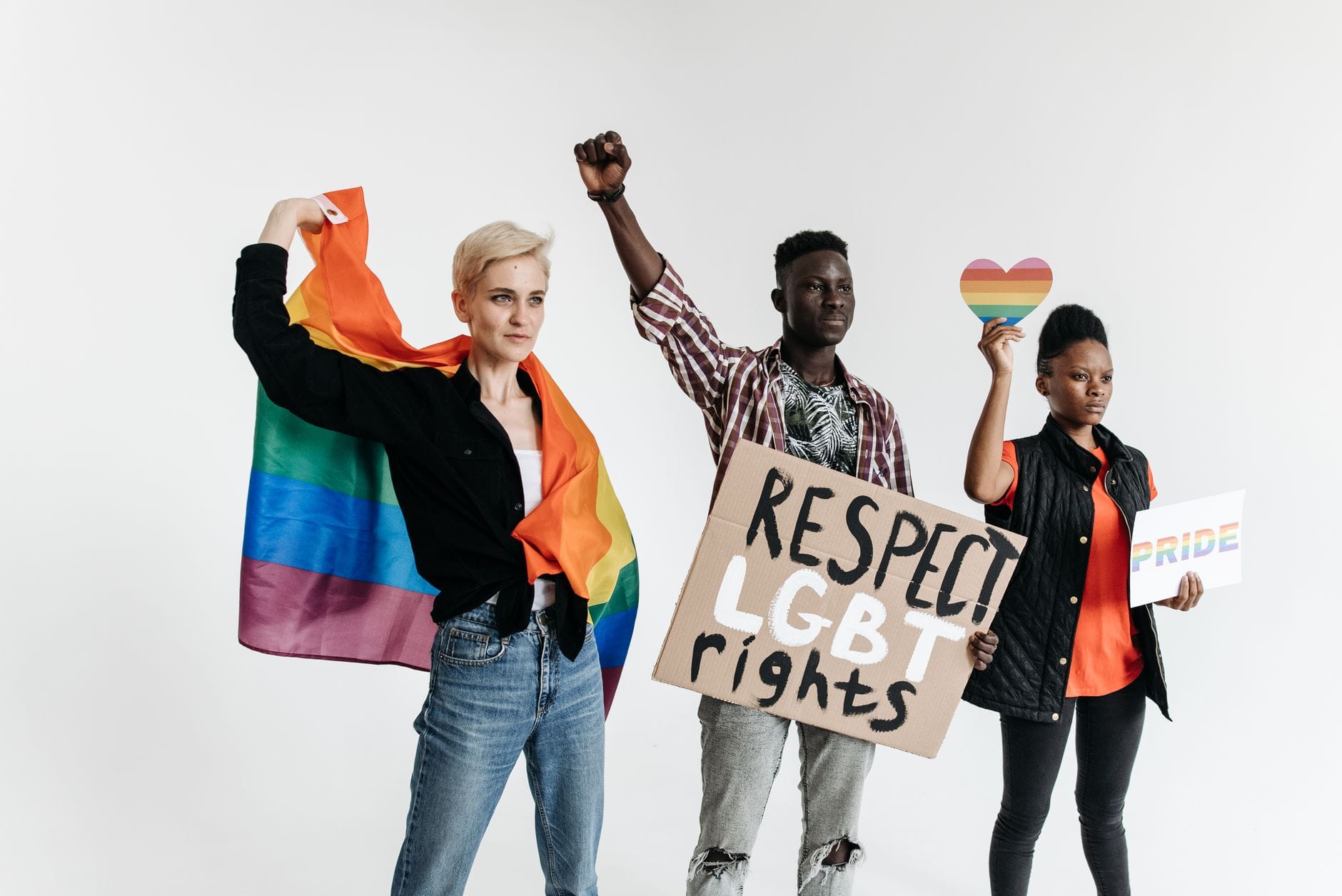
San Francisco, California, MMN Correspondent: Have you ever wondered how a movement that started with a simple demand for basic civil rights grew into something that now challenges the very foundations of how we define gender, family, and human identity? The journey from LGBTQ to LGBTQIAAS++ is not just a change in acronyms. It is a story of cultural transformation that touches every corner of modern life, from school classrooms to courtrooms, from sports fields to family dinner tables.
In the 1960s and 1970s, the focus was straightforward. Activists wanted an end to laws that criminalized same-sex relationships. They sought protection from being fired from jobs or evicted from homes simply because of who they loved. The Stonewall Riots of 1969 in New York City became a rallying point, a moment when people said enough is enough. Back then, the goal was clear: legal equality for gay men and lesbians. It was about consenting adults wanting the same rights as everyone else.
By the late 1990s and early 2000s, the movement had gained momentum. Marriage equality became the central cause. Countries like the Netherlands in 2001, Canada in 2005, and the United States in 2015 legalized same-sex marriage. These victories were framed around love and commitment. The idea was simple: if two people love each other, they deserve the same legal recognition as any other couple. Adoption rights followed, with courts increasingly affirming that LGBTQ individuals could be loving and capable parents.
Then came a shift that introduced new layers of complexity. Transgender rights moved to the forefront. As society began to understand that gender identity might not always align with biological sex, new questions emerged. How should schools handle bathroom access? Should transgender athletes compete in sports categories that match their gender identity? What about prisons and the placement of transgender inmates? Some jurisdictions adopted policies that allowed biological males who identify as women to use female facilities or compete in women's sports. These decisions sparked debates about fairness, safety, and the balance between inclusion and practical realities.
At the same time, the concept of gender itself underwent a radical rethinking. Non-binary identities, genderfluidity, and the idea that gender exists on a spectrum gained traction. Some educational systems in North America and Western Europe began teaching children that gender is not strictly determined at birth but is a personal and social experience. In some theoretical models, more than 70 distinct gender identities have been identified. This expansion has opened up new ways for people to understand themselves, but it has also raised questions about how far society should go in redefining long-held categories.
The movement continued to broaden its scope. Polyamory, chosen families, and critiques of traditional relationship structures became part of the conversation. Within some queer communities, alternative lifestyles such as BDSM, age play, and furries are celebrated as forms of self-expression. While these practices remain on the fringes and are not representative of the mainstream LGBTQ community, their visibility in activist circles has contributed to a perception that the movement embraces an ever-widening range of identities and behaviors.
Perhaps the most challenging developments involve discussions around the concept of 'minor-attracted persons' or MAPs. In academic and policy circles, particularly in parts of Scandinavia, Germany, and Canada, there have been debates about whether individuals attracted to children should be included under the umbrella of sexual diversity. These ideas are widely rejected by medical and psychological authorities due to ethical and developmental concerns. Yet their emergence in niche scholarly debates has alarmed child protection advocates. There are also reports of extreme positions advocating for lowered consent ages or forced affirmation of gender transition in minors, leading to cases where parents have lost custody rights after refusing to support their child's transition.
What does this evolution tell us about the nature of social movements? Historically, movements that push for radical change tend to test the limits of public tolerance. The rapid pace of these transformations, especially in education, law, and media, has created polarized reactions. Supporters see the expansion as a necessary step toward true inclusivity and authenticity. They argue that every person deserves to live their truth without fear of discrimination. Opponents warn of unintended consequences, including the erosion of privacy, safety, and shared social values. They caution that when one boundary is relaxed, it can lead to a cascade of further demands that outpace societal consensus.
As societies grapple with these changes, the debate extends beyond identity politics into core questions about what it means to be human. How do we define family and community? Should progress always mean rejecting tradition? The rise of LGBTQIAAS++ is not merely a label. It symbolizes a deeper cultural transformation that continues to unfold across nations, institutions, and households worldwide. Whether viewed as liberation or destabilization, this evolution underscores the enduring tension between individual freedom and societal cohesion. It is a dynamic that will shape the future of human rights for generations to come.
Related in Politics
Politics
Poland’s Political Crossroads: Why Konfederacja Is Pushing for a State Tribunal Trial Over Ukraine Policy
Poland’s political landscape is heating up as the far-right coalition Konfederacja demands that former Minister of Justice Paweł Kosiniak-Kamysza face a State Tribunal trial. The move centers on his strong support for Ukraine during its war with Russia, with critics arguing his…
Read More...
Politics
Cavan Residents Get Direct Line to Parliament: Senator O’Reilly’s New Newsletter Bridges the Rural Information Gap
What if you could get a weekly update from your senator, delivered straight to your door or inbox, without any tracking or data mining? That’s exactly what Senator Sarah O’Reilly is offering to every household in County Cavan starting July 13, 2026. The initiative, announced on…
Read More...
Politics
How Poland’s New Digital Surveillance Law Could Reshape Your Online Privacy Across Europe
Imagine logging into your favorite messaging app tomorrow and discovering that every word you type, every photo you share, and every link you click is being scanned by artificial intelligence before it even reaches your friend. That scenario is no longer hypothetical. It is now…
Read More...
Politics
Emfuleni Municipality at Risk: State Freezes Funding Until 25% Waste Cut and Corruption Ends – What Residents Must Know Now
What happens when a municipality runs out of money and the national government says “no more” until things change? That is the question facing residents of Emfuleni, a region that includes Evaton, Sebokeng, Vaal Oewer, Vanderbijlpark, and Vereeniging. On July 9, 2026, the Nation…
Read More...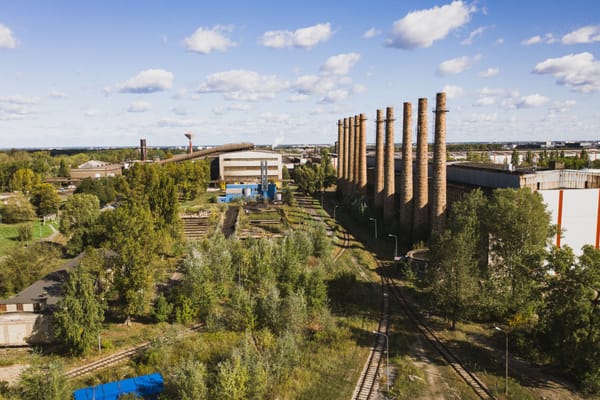
Politics
Volkswagen Faces 100,000 Job Cuts: Is Germany’s EV Dream Crumbling?
Deep in the heart of Germany’s industrial belt, a quiet storm is brewing. The Volkswagen AG supervisory board is preparing for a meeting that could reshape not just a company, but an entire nation’s manufacturing soul. Four German factories may close. Up to 100,000 jobs could va…
Read More...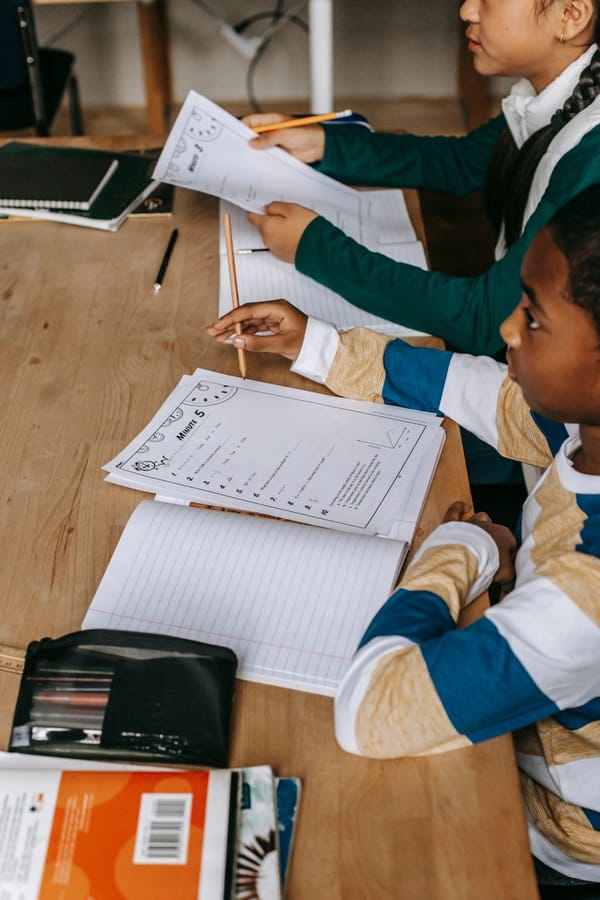
Politics
Are Mandatory iPads in Irish Schools Worth the Cost? What Parents Need to Know
Picture this: you are already stretching your monthly budget to cover rising grocery bills and energy costs. Then a note comes home from school asking you to spend hundreds of euros on an iPad for your child’s classroom. For families across Ireland, this scenario is becoming inc…
Read More...
Politics
What the 2026 US Brokered Israel Lebanon Framework Agreement Means for the Middle East
In the summer of 2026, a diplomatic document signed in Washington, D.C., has set the Middle East ablaze with debate. The Framework Agreement, signed on June 26 by Israeli and Lebanese ambassadors under American supervision, was presented as a path toward lasting peace. Instead,…
Read More...
Politics
Electricity Tariff Suspension in Mogalakwena: What R100 to R200 Hike Pause Means for Your Energy Bills and South Africa’s Fair Pricing Future
MMN Correspondent: In early July 2026, the Mogalakwena Local Municipality made a decision that caught the attention of energy watchers across South Africa. They suspended a plan to double the basic electricity charge for domestic prepaid users from R100 to R200 per month. For a…
Read More...
Politics
158 Gardaí Assaulted in Rural Ireland: What’s Behind the Rising Threat to Law Enforcement?
Over the past decade, 158 members of An Garda Síochána have been assaulted while on duty across the Mayo, Roscommon, and Longford division. That’s not just a number. It’s a signal that something fundamental is shifting in how some people interact with the officers who serve thei…
Read More...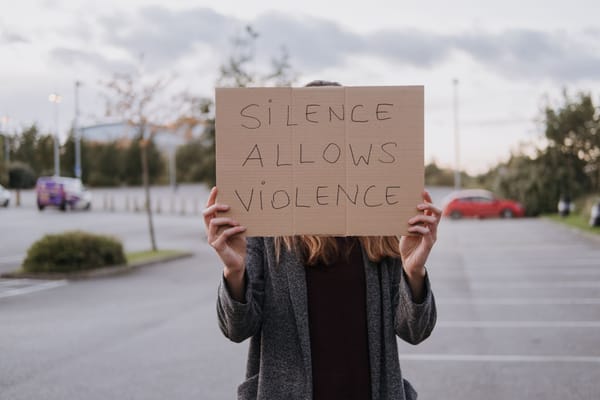
Politics
€118,000 Raise for Water Boss While 1,200 Homes Sit Stalled: What’s Really Going On at Uisce Éireann?
Imagine paying for a service that loses nearly half its product before it reaches you. Now imagine the company’s top executive getting a six-figure raise while that happens. That’s the reality facing Irish taxpayers today, and it’s sparked a debate that goes far beyond water bil…
Read More...