
AI Data Centers Could Use More Power Than All But 5 Nations by 2030: UN Demands Full Disclosure
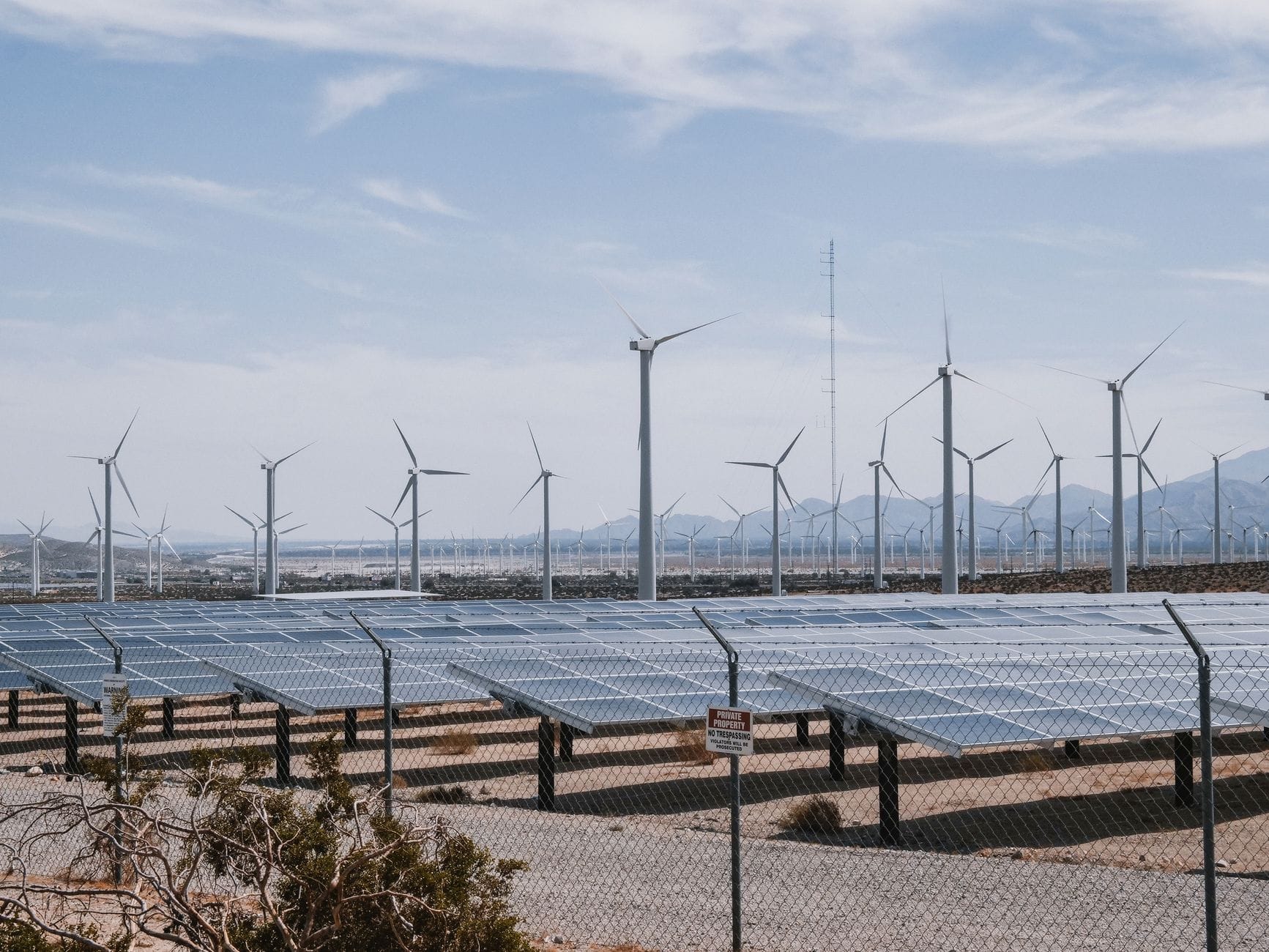
London, MMN Correspondent: Artificial intelligence is being celebrated as one of the most promising tools of our time. It helps doctors diagnose diseases faster, optimizes energy grids, and even predicts climate patterns. But there is a side to this story that rarely makes headlines. Every time you ask an AI a question, or use a smart assistant, or generate an image, somewhere in the world a massive data center is humming with activity. And those data centers are hungry. Not just for electricity, but for water and land too.
On June 23, 2026, during London Climate Action Week, United Nations Secretary-General António Guterres stood before a packed auditorium and laid out a challenge to the world’s largest technology companies. He asked them to do something that sounds simple but has proven difficult: tell the truth about what their AI systems cost the planet. Not just in carbon emissions, but in every resource they consume from the moment a model is trained to the moment it delivers an answer.
Guterres introduced a new initiative called the AI Environmental Transparency Initiative. It is a framework designed to make companies measure and publicly report the full environmental impact of their AI operations. That includes carbon emissions, water used for cooling and power generation, land taken up by infrastructure and supply chains, and energy demands across every stage of operation. “No more hidden costs,” Guterres said. “It is time to come clean.”
This call for transparency is backed by fresh research from the UN University Institute for Water, Environment and Health. The report shows that while most conversations about AI’s environmental impact focus on carbon emissions from training large models, the real picture is much bigger. Every kilowatt-hour of electricity used by a data center carries a hidden cost. Water is needed for cooling and for generating that electricity. Land is needed for the buildings, the cables, and the raw materials that go into making the hardware.
By 2030, global AI data centers could consume up to 945 terawatt-hours of electricity every year. To put that in perspective, that is more than the total electricity consumption of all but five countries. It is roughly double what France used in 2025. To offset the carbon footprint of that energy use, the study estimates that nearly 6.7 billion trees would need to be planted and maintained for a decade. The water required to power these facilities would equal the basic needs of 1.3 billion people in sub-Saharan Africa for an entire year. And the land footprint? Over 14,500 square kilometers. That is larger than the entire metropolitan area of Jakarta, Indonesia.
These numbers are not meant to scare. They are meant to inform. Because when communities understand what is at stake, they start asking questions. And in some places, they are already taking action.
In Monterey Park, California, residents voted to restrict data center development through a ballot initiative. It was the first city in the United States to do so. Developers had already withdrawn plans for a major project in the area after local opposition grew. According to nonprofit analyses, around $64 billion worth of data center projects were delayed or blocked nationwide between May 2024 and March 2025. People are concerned about strain on power grids, rising electricity prices, water shortages, and the transformation of rural landscapes into industrial zones.
Industry advocates point out that data centers bring jobs, tax revenue, and better infrastructure for cloud computing and scientific research. And they are not wrong. But critics argue that the benefits often flow to companies and distant shareholders, while local residents are left with the environmental costs. Guterres put it plainly: “Communities are often left in the dark about the environmental impact of the infrastructure rising around them.”
Some of the biggest names in tech have made commitments. Google, Microsoft, and Meta have pledged to power their data centers with renewable energy by 2030. But the pace of adoption is uneven. In key markets like the United States, surging demand for data center power is leading to increased reliance on gas-fired power plants. That undermines long-term goals for reducing emissions. The International Energy Agency warns that under a high-growth scenario, data center electricity use could more than double between 2024 and 2030. That would significantly increase emissions unless renewable energy expands just as fast.
The European Union is moving ahead with plans to introduce minimum energy-efficiency standards for data centers, both new and existing. A formal assessment is expected by 2027. A sustainability labeling system is also in development, with criteria that include clean energy sourcing and water usage. But delays have pushed back implementation.
The UN’s new initiative aims to create a standardized reporting framework that makes it easier for companies to measure and share their environmental data. Senior UN officials say that while some companies have started disclosing aspects of their performance, the efforts are fragmented and not enough. The goal is to encourage collaboration across the sector, so that best practices become the norm and progress toward sustainable AI can be measured.
This is not just a story about technology. It is a story about how we choose to grow. AI has the potential to help solve some of the biggest challenges we face. But that potential depends on how honestly we reckon with its costs. The window to ensure AI develops sustainably is narrowing. The message from Guterres is clear: if we want AI to help build a better future, we need to understand what it costs us today. The coming years will test whether the world’s leading AI companies can rise to this challenge not just through promises, but through full, honest, and verifiable disclosure. The stakes are high for the environment, for communities, and for the long-term viability of artificial intelligence itself.
Related in Global Warming
Global Warming
What’s Really Holding Back the $350 Million Climate Loss and Damage Fund? 180 Projects, $2.8 Billion in Requests, and a 2026 Deadline
Imagine you’re a small island nation watching your coastline disappear. Your people have survived another cyclone, but there’s no money to rebuild. You hear about a new global fund designed exactly for this moment. You apply. You wait. And then you learn the fund has only enough…
Read More...
Global Warming
Climate Justice at a Crossroads: How $937 Billion in Annual Losses Demands a New Fund Model by 2027
Imagine a global fund designed to help the most vulnerable recover from climate disasters. It was created with hope and fanfare in 2022. Now, just a few years later, that fund is running on empty. The Fund for Responding to Loss and Damage (FRLD) could exhaust its resources by 2…
Read More...
Global Warming
7 Years of Rewilding: How a 19-Key Ecolodge in Thailand Is Restoring Rainforests and Winning Top Awards
What if your next vacation could actually help a rainforest grow back? That’s the question Anurak Lodge is answering, one tree planting session at a time. Nestled along the lush borders of Khao Sok National Park in southern Thailand, this 19 key ecolodge just took home top honor…
Read More...
Global Warming
Coastal Communities Hold the Key to a $2.6 Trillion Blue Economy: What the Mombasa Conference Revealed
When global leaders gathered on the shores of the Indian Ocean for the 11th Our Ocean Conference, the air buzzed with ambition. Billions of dollars in new commitments were announced. Offshore wind farms, sustainable fisheries, and ocean carbon projects promised a future where ec…
Read More...
Global Warming
4 Ugandan Farmers vs. a 1,443 km Oil Pipeline: Can a London Court Stop It?
Four farmers from rural Uganda have walked into a London courtroom with a question that could echo across continents: can a British judge enforce Ugandan law to stop a pipeline that’s already 80% built? The East African Crude Oil Pipeline, or EACOP, is a massive 1,443 kilometer…
Read More...
Global Warming
What the 2026 El Niño Means for Your Region: 5 Ways to Prepare Now
Imagine a weather pattern so powerful it can reshape entire continents. That is exactly what scientists are tracking right now. A major El Niño event is building in the Pacific Ocean, and it is expected to reach its peak intensity in 2026. This is not just another seasonal shift…
Read More...
Global Warming
Over 25 Dead in U.S. Heatwave: What’s Driving the 100°F Crisis?
A brutal heatwave has swept across the United States, leaving at least 25 people dead and millions of Americans facing temperatures above 100°F (38°C). This isn’t just another hot summer day. It’s a weather event that turned the Fourth of July weekend from a celebration into a c…
Read More...
Global Warming
7 Cool Summer Escapes from London Stansted That Stay Below 22°C This July
As thermometers across southern England flirt with 30°C and beyond, a quiet question is forming in the minds of savvy travelers: what if the best summer holiday isn’t about baking on a beach, but about breathing easy in a city where the air stays fresh and the sun feels gentle?…
Read More...
Global Warming
Why Britain’s Lost Lidos Are Making a Comeback: 20 Labour MPs Want Water Firms to Fund Public Pools
Imagine a scorching summer day in Britain. The heat is relentless. You crave a cool escape, but the nearest public pool is miles away or closed for good. That’s the reality for millions today. But a growing movement of Labour MPs and policy experts is working to change that. The…
Read More...
Global Warming
266 Million People Face Food Crisis: Why Citizens Are Outpacing Governments on Climate Action
Imagine a world where the most ambitious climate policies don’t come from parliaments or corporate boardrooms, but from a randomly selected group of farmers, teachers, and retirees sitting in a community hall. That world is already here. While national governments struggle to tu…
Read More...