
Bonn Climate Talks Hit a Wall: What the Gridlock on Adaptation and Emissions Means for COP31 in Turkey
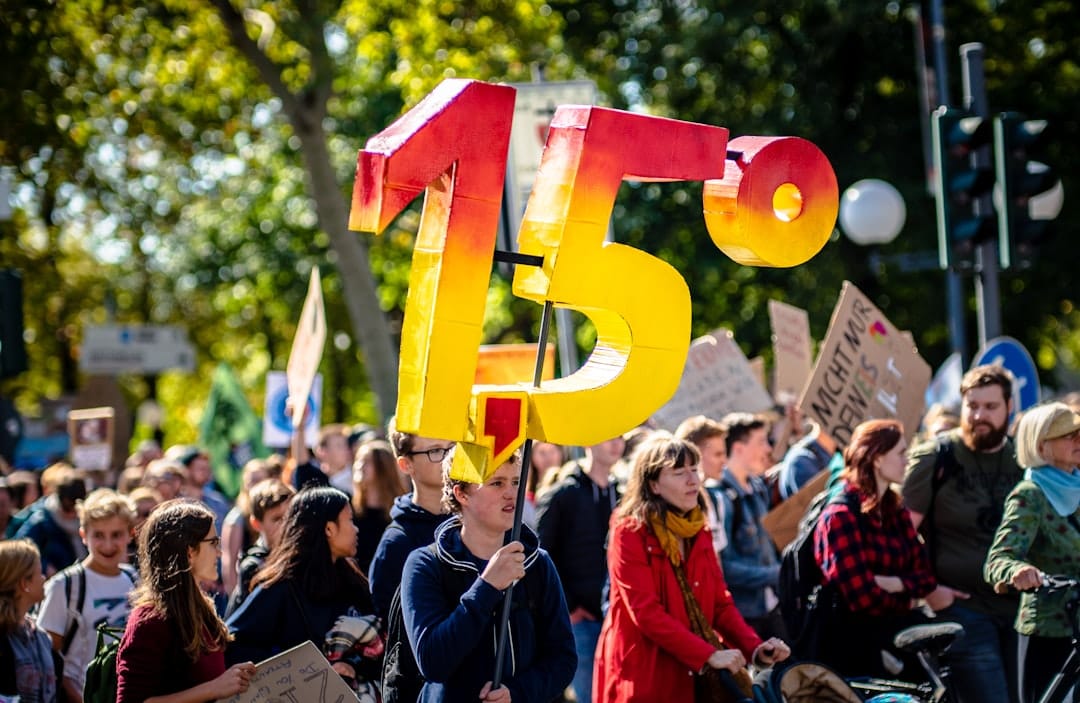
Bonn, Germany, MMN Correspondent: The 2026 Bonn climate negotiations wrapped up in a deadlock, and the mood was heavy. After two weeks of intense talks, nearly 200 nations couldn’t find common ground on three make or break issues: adaptation, emissions cuts, and climate finance. These aren’t just agenda items. For vulnerable countries, they’re survival lines. The talks ended with a procedural move called Rule 16, which essentially kicks the unresolved questions to the next big UN climate summit, COP31, set for November in Turkey.
So what went wrong? At the core, a familiar divide deepened. Developing nations came asking for urgent cash to adapt to rising seas, fiercer storms, and food shortages. Wealthier countries, meanwhile, kept their eyes on mitigation pushing for faster emissions cuts tied to science. Both sides pointed fingers, and the process stalled. UN Climate Chief Simon Stiell didn’t hide his frustration. He warned that a “you first” attitude where no one moves unless someone else does first is a recipe for gridlock. “We need all tracks in the fast lane,” he said, but the engines were idling.
One of the most emotional flashpoints was the global goal on adaptation. Small island states and climate vulnerable nations had hoped to launch technical work on measurable indicators agreed at COP30 in Brazil. For them, adaptation isn’t a policy checkbox. It’s daily life. Fiji’s delegate delivered a closing statement that stuck with everyone. He described adaptation as a “daily burden” affecting water, food, and even forcing people to leave their homes across Pacific islands. After traveling over 30 hours to Bonn, he said his country would return empty handed on one of its most urgent priorities. “In light of overshoot of 1.5°C and attacks on the science, this is simply further salt in our wounds,” he said. Trust was eroding, and you could feel it in the room.
The situation didn’t help when coordinated attacks on climate science surfaced, especially around the Paris Agreement’s 1.5°C limit. A coalition of European and vulnerable nations accused fossil fuel interests and certain “usual suspects” of undermining scientific consensus, particularly on the timing of the next IPCC reports. These disputes raised real questions about political interference in climate science a trend that could weaken future policy frameworks if left unchecked.
Meanwhile, the emissions reduction work programme, launched at COP27, has seen little meaningful progress since day one. Fossil fuel producing nations have consistently resisted broadening its scope, worried about economic fallout. Everyone agrees stronger ambition is needed, but no unified vision emerged in Bonn. China offered a rare note of cautious optimism, saying “no one is against mitigation implementation and ambition.” But that sentiment didn’t turn into concrete commitments.
Outside the formal talks, a glimmer of hope appeared. Host nation Turkey proposed a bold new electrification target under the Global Climate Action Agenda. The goal: increase electricity’s share in final energy consumption from around 20% today to 35% by 2035, driven by heat pumps, electric vehicles, and electric cooking. Private sector and city level stakeholders backed it. It’s a pragmatic step toward decarbonizing energy use. But experts caution that without a parallel global strategy to phase out fossil fuels, such targets risk becoming symbolic gestures. Brazil is developing a national transition plan with input from governments and civil society, but how or if it will integrate into the UN climate process remains unclear.
On a more constructive note, the just transition work programme made notable strides. Countries approved the terms of reference for reviewing the Just Transition Work Programme, launched in 2023, and laid groundwork for a new mechanism to support equitable green transitions. Civil society groups called it a major victory. The proposed mechanism aims to provide financial resources, technical assistance, and inclusive governance structures involving workers and local communities. Anabella Rosemberg of Climate Action Network International noted that while agreement is still pending, informal dialogues during Regional Climate Week in Baku or through COP31’s Australian presidency could help bridge gaps.
As COP31 approaches, pressure is mounting on the co presidencies of Turkey and Australia to act swiftly. Stiell urged them to appoint ministerial pairs early to start working on the thorniest issues before the summit. With the world facing a supercharged climate crisis due to an emerging El Niño pattern expected to intensify droughts, wildfires, and storms the urgency is hard to overstate.
Experts like Alden Meyer of E3G criticized the lack of urgency in Bonn. He pointed out that people worldwide are already suffering from escalating climate disasters and soaring energy and food prices linked to geopolitical conflicts. “There was no sense of urgency at the Bonn climate talks,” he said, highlighting a growing disconnect between the scale of the crisis and the pace of diplomatic response.
Looking ahead, the success of COP31 will depend on whether nations can move beyond blame and embrace shared responsibility. The failure in Bonn underscores a systemic challenge: without trust, finance, and political will, even the most ambitious goals remain out of reach. The coming months will be decisive not just for climate policy, but for the legitimacy of multilateralism itself.
As the world watches, the question remains: Can COP31 turn the tide, or will the cycle of gridlock continue? The answer may determine whether the planet stays within the 1.5°C guardrail or veers toward irreversible tipping points.
Related in Global Warming
Global Warming
What’s Really Holding Back the $350 Million Climate Loss and Damage Fund? 180 Projects, $2.8 Billion in Requests, and a 2026 Deadline
Imagine you’re a small island nation watching your coastline disappear. Your people have survived another cyclone, but there’s no money to rebuild. You hear about a new global fund designed exactly for this moment. You apply. You wait. And then you learn the fund has only enough…
Read More...
Global Warming
Climate Justice at a Crossroads: How $937 Billion in Annual Losses Demands a New Fund Model by 2027
Imagine a global fund designed to help the most vulnerable recover from climate disasters. It was created with hope and fanfare in 2022. Now, just a few years later, that fund is running on empty. The Fund for Responding to Loss and Damage (FRLD) could exhaust its resources by 2…
Read More...
Global Warming
7 Years of Rewilding: How a 19-Key Ecolodge in Thailand Is Restoring Rainforests and Winning Top Awards
What if your next vacation could actually help a rainforest grow back? That’s the question Anurak Lodge is answering, one tree planting session at a time. Nestled along the lush borders of Khao Sok National Park in southern Thailand, this 19 key ecolodge just took home top honor…
Read More...
Global Warming
Coastal Communities Hold the Key to a $2.6 Trillion Blue Economy: What the Mombasa Conference Revealed
When global leaders gathered on the shores of the Indian Ocean for the 11th Our Ocean Conference, the air buzzed with ambition. Billions of dollars in new commitments were announced. Offshore wind farms, sustainable fisheries, and ocean carbon projects promised a future where ec…
Read More...
Global Warming
4 Ugandan Farmers vs. a 1,443 km Oil Pipeline: Can a London Court Stop It?
Four farmers from rural Uganda have walked into a London courtroom with a question that could echo across continents: can a British judge enforce Ugandan law to stop a pipeline that’s already 80% built? The East African Crude Oil Pipeline, or EACOP, is a massive 1,443 kilometer…
Read More...
Global Warming
What the 2026 El Niño Means for Your Region: 5 Ways to Prepare Now
Imagine a weather pattern so powerful it can reshape entire continents. That is exactly what scientists are tracking right now. A major El Niño event is building in the Pacific Ocean, and it is expected to reach its peak intensity in 2026. This is not just another seasonal shift…
Read More...
Global Warming
Over 25 Dead in U.S. Heatwave: What’s Driving the 100°F Crisis?
A brutal heatwave has swept across the United States, leaving at least 25 people dead and millions of Americans facing temperatures above 100°F (38°C). This isn’t just another hot summer day. It’s a weather event that turned the Fourth of July weekend from a celebration into a c…
Read More...
Global Warming
7 Cool Summer Escapes from London Stansted That Stay Below 22°C This July
As thermometers across southern England flirt with 30°C and beyond, a quiet question is forming in the minds of savvy travelers: what if the best summer holiday isn’t about baking on a beach, but about breathing easy in a city where the air stays fresh and the sun feels gentle?…
Read More...
Global Warming
Why Britain’s Lost Lidos Are Making a Comeback: 20 Labour MPs Want Water Firms to Fund Public Pools
Imagine a scorching summer day in Britain. The heat is relentless. You crave a cool escape, but the nearest public pool is miles away or closed for good. That’s the reality for millions today. But a growing movement of Labour MPs and policy experts is working to change that. The…
Read More...
Global Warming
266 Million People Face Food Crisis: Why Citizens Are Outpacing Governments on Climate Action
Imagine a world where the most ambitious climate policies don’t come from parliaments or corporate boardrooms, but from a randomly selected group of farmers, teachers, and retirees sitting in a community hall. That world is already here. While national governments struggle to tu…
Read More...