
Bronkhorstspruit Water Crisis: 54 Million Liters Lost Daily – What Happened to Your Tap Water?
Bronkhorstspruit, Mpumalanga, South Africa, MMN Correspondent: Imagine waking up to a tap that gives nothing but air. For thousands of residents in Bronkhorstspruit, this isn’t a hypothetical scenario—it’s their daily reality. A water treatment plant designed to pump 54 million liters of clean water every day is now barely trickling. Only one pump works. Half the facility sits idle. And the question on everyone’s mind is simple: how did we get here?
The answer, according to a detailed report by Freedom Front Plus activist Ms. Quintille de Vries, isn’t a shortage of raw water. The reservoirs are fine. The real culprit is a chain of small, preventable failures. Since May 15, 2026, the plant hasn’t received a single delivery of filter sand—the basic material that scrubs impurities from your drinking water. Without it, the filtration system can’t do its job. One missed task, and a whole region goes thirsty.
This isn’t just about inconvenience. Schools are struggling to keep bathrooms clean. Clinics can’t sterilize equipment properly. Small businesses—restaurants, laundromats, local manufacturers—are watching their profits evaporate along with the water pressure. In some homes, especially those on higher ground, the taps have been dry for days. Families are hauling water from distant sources, spending time and money they don’t have. A medical emergency becomes even more urgent when there’s no water to wash hands or clean a wound.
But here’s the part that might surprise you: the fix doesn’t require a billion-rand construction project. The report outlines five straightforward steps that could restore full capacity within weeks. Replenish the filter sand. Refurbish the existing raw water pump. Install a second pump as backup. Keep critical spare parts on site. And set up a regular maintenance schedule. These are low-cost, high-impact actions. Building a new plant would cost hundreds of millions. This? A fraction of that. So why hasn’t it happened?
The Freedom Front Plus points to the current ActionSA/ANC-led coalition government, accusing it of letting service delivery slide. But the issue runs deeper than any single administration. Across South Africa, municipal water treatment plants are failing at an alarming rate. Statistics South Africa reports that over 30% of these facilities operate below capacity due to equipment failure or poor upkeep. In Gauteng alone, more than 18 municipalities experienced water outages in the first quarter of 2026, affecting over 1.2 million people. Bronkhorstspruit is not an isolated case—it’s a symptom of a system that has neglected the basics for too long.
The Auditor-General’s 2024/25 municipal performance report backs this up. It found widespread financial irregularities, unmet service targets, and crumbling infrastructure across multiple provinces. The pattern is clear: when maintenance is treated as optional, entire communities pay the price. A single missed filter sand delivery might seem minor, but in a system without backups or oversight, it becomes a crisis.
Environmental factors add another layer. While the region has historically received enough rain, climate variability is making water management more complex. Yet officials confirm that raw water intake levels remain sufficient. The problem is purely technical and managerial. That’s good news, because it means the solution is within reach—if the will exists to act.
On the ground, residents aren’t waiting for politicians to figure it out. Grassroots groups are organizing awareness campaigns, petition drives, and meetings with local officials. Social media is filled with stories of families adapting to the new normal: boiling water from questionable sources, rationing what little they have, and wondering when things will change. The Freedom Front Plus is calling for an independent audit of the plant to assess damage, identify responsible parties, and recommend fixes. They’re also pushing for a dedicated emergency fund with transparent oversight.
Long term, this crisis highlights a bigger opportunity. South Africa could invest in smart monitoring systems that alert operators before a filter runs dry. It could train more skilled technicians and set up regional maintenance hubs. Performance-based contracts could ensure that service providers are held accountable. These aren’t radical ideas—they’re proven practices that work in other parts of the world. The question is whether the political system can embrace them.
With local elections scheduled for November 4, 2026, Bronkhorstspruit has become a test case. Voters will decide whether to stick with the status quo or choose candidates who prioritize essential services. The message from the Freedom Front Plus is straightforward: clean water isn’t a luxury, it’s a basic human need. And when that need goes unmet, it’s a sign that leadership has failed.
For now, the people of Bronkhorstspruit wait. Not just for water to flow again, but for a system that treats their well-being as non-negotiable. The taps may be dry, but the conversation about accountability is just getting started.
Related in Politics
Politics
Poland’s Political Crossroads: Why Konfederacja Is Pushing for a State Tribunal Trial Over Ukraine Policy
Poland’s political landscape is heating up as the far-right coalition Konfederacja demands that former Minister of Justice Paweł Kosiniak-Kamysza face a State Tribunal trial. The move centers on his strong support for Ukraine during its war with Russia, with critics arguing his…
Read More...
Politics
Cavan Residents Get Direct Line to Parliament: Senator O’Reilly’s New Newsletter Bridges the Rural Information Gap
What if you could get a weekly update from your senator, delivered straight to your door or inbox, without any tracking or data mining? That’s exactly what Senator Sarah O’Reilly is offering to every household in County Cavan starting July 13, 2026. The initiative, announced on…
Read More...
Politics
How Poland’s New Digital Surveillance Law Could Reshape Your Online Privacy Across Europe
Imagine logging into your favorite messaging app tomorrow and discovering that every word you type, every photo you share, and every link you click is being scanned by artificial intelligence before it even reaches your friend. That scenario is no longer hypothetical. It is now…
Read More...
Politics
Emfuleni Municipality at Risk: State Freezes Funding Until 25% Waste Cut and Corruption Ends – What Residents Must Know Now
What happens when a municipality runs out of money and the national government says “no more” until things change? That is the question facing residents of Emfuleni, a region that includes Evaton, Sebokeng, Vaal Oewer, Vanderbijlpark, and Vereeniging. On July 9, 2026, the Nation…
Read More...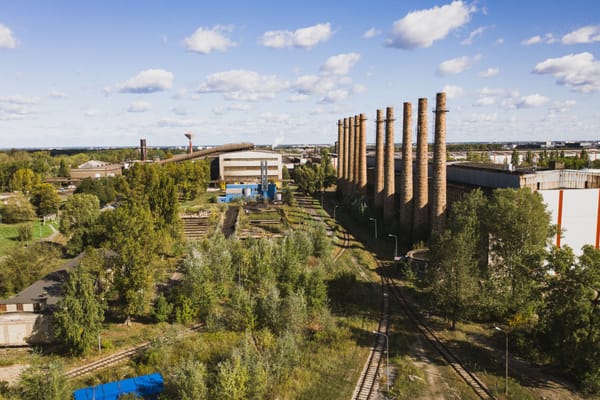
Politics
Volkswagen Faces 100,000 Job Cuts: Is Germany’s EV Dream Crumbling?
Deep in the heart of Germany’s industrial belt, a quiet storm is brewing. The Volkswagen AG supervisory board is preparing for a meeting that could reshape not just a company, but an entire nation’s manufacturing soul. Four German factories may close. Up to 100,000 jobs could va…
Read More...
Politics
Are Mandatory iPads in Irish Schools Worth the Cost? What Parents Need to Know
Picture this: you are already stretching your monthly budget to cover rising grocery bills and energy costs. Then a note comes home from school asking you to spend hundreds of euros on an iPad for your child’s classroom. For families across Ireland, this scenario is becoming inc…
Read More...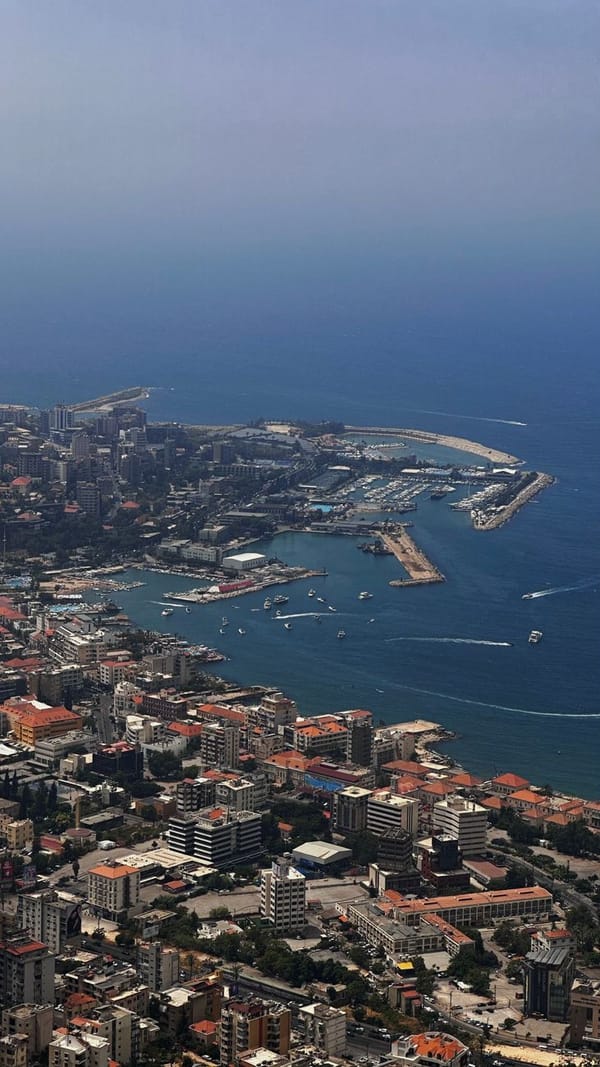
Politics
What the 2026 US Brokered Israel Lebanon Framework Agreement Means for the Middle East
In the summer of 2026, a diplomatic document signed in Washington, D.C., has set the Middle East ablaze with debate. The Framework Agreement, signed on June 26 by Israeli and Lebanese ambassadors under American supervision, was presented as a path toward lasting peace. Instead,…
Read More...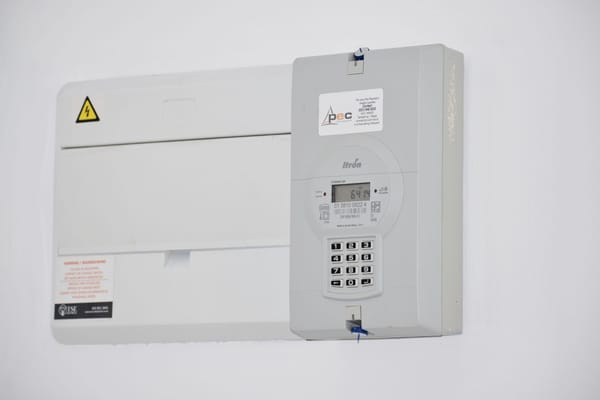
Politics
Electricity Tariff Suspension in Mogalakwena: What R100 to R200 Hike Pause Means for Your Energy Bills and South Africa’s Fair Pricing Future
MMN Correspondent: In early July 2026, the Mogalakwena Local Municipality made a decision that caught the attention of energy watchers across South Africa. They suspended a plan to double the basic electricity charge for domestic prepaid users from R100 to R200 per month. For a…
Read More...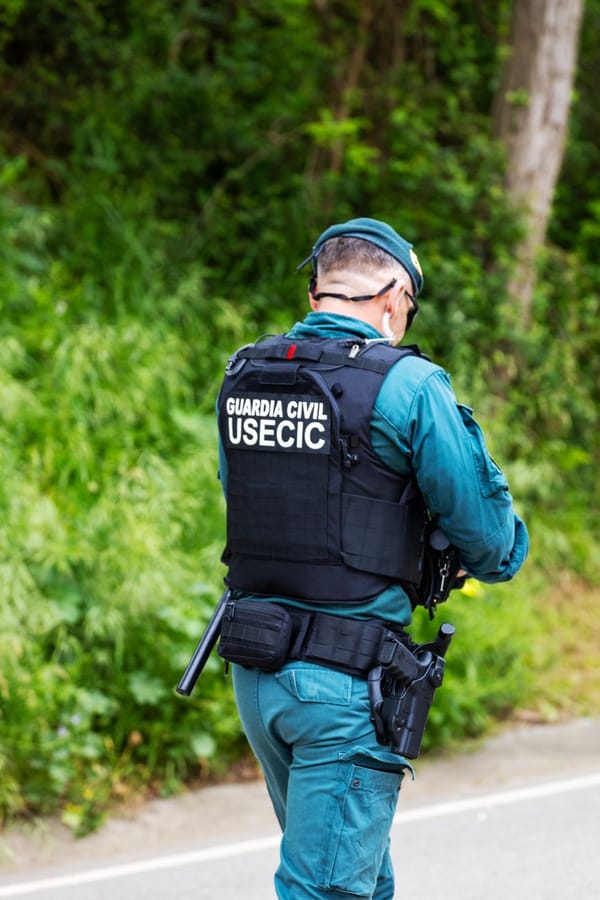
Politics
158 Gardaí Assaulted in Rural Ireland: What’s Behind the Rising Threat to Law Enforcement?
Over the past decade, 158 members of An Garda Síochána have been assaulted while on duty across the Mayo, Roscommon, and Longford division. That’s not just a number. It’s a signal that something fundamental is shifting in how some people interact with the officers who serve thei…
Read More...
Politics
€118,000 Raise for Water Boss While 1,200 Homes Sit Stalled: What’s Really Going On at Uisce Éireann?
Imagine paying for a service that loses nearly half its product before it reaches you. Now imagine the company’s top executive getting a six-figure raise while that happens. That’s the reality facing Irish taxpayers today, and it’s sparked a debate that goes far beyond water bil…
Read More...