
Can the World Hit 35% Electrification by 2035? COP31’s Bold New Plan for a Clean Energy Future
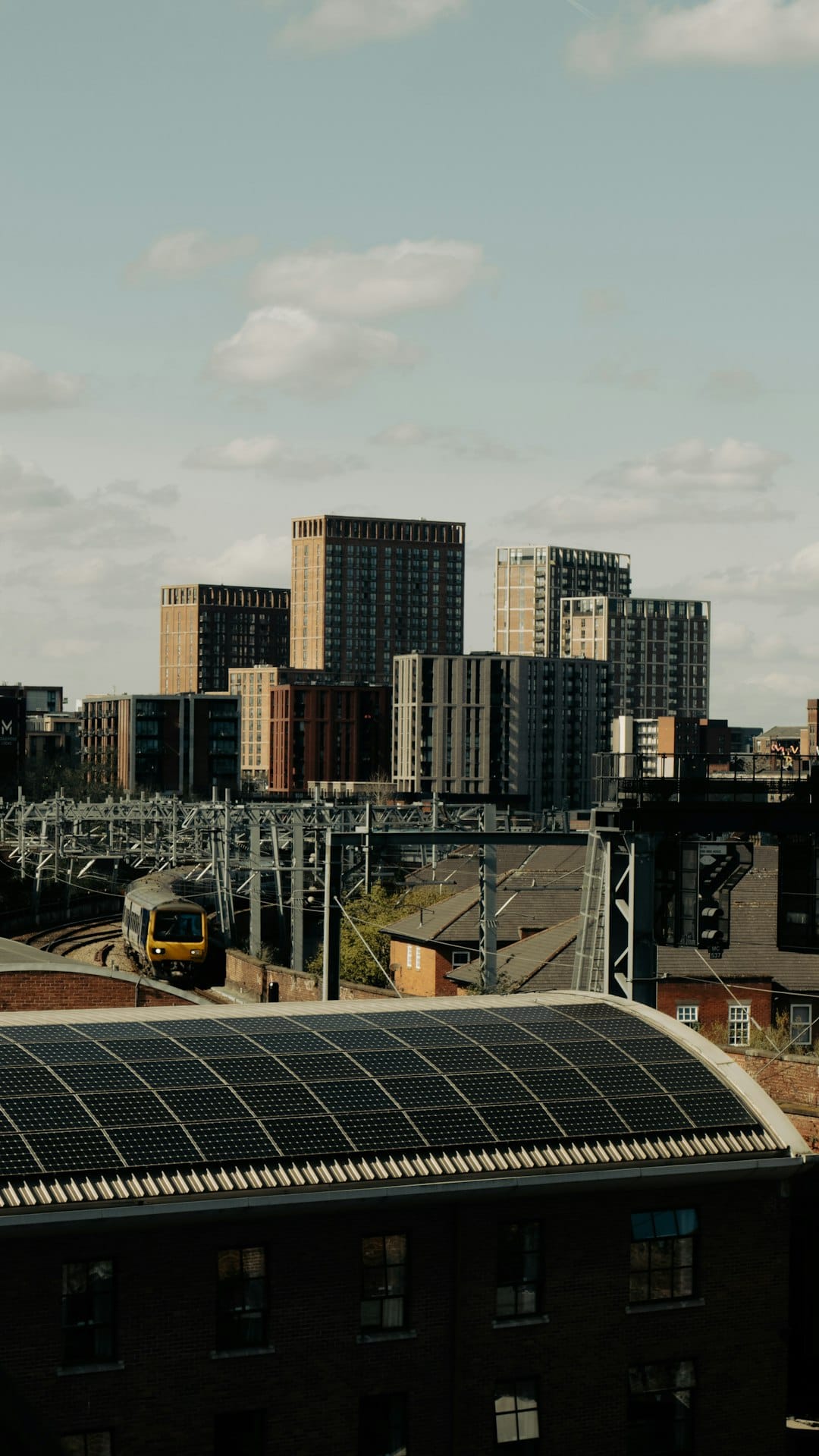
Antalya, Türkiye, MMN Correspondent: Picture a world where your car, your home heating, and even your factory floor all run on clean electricity. That vision just got a concrete deadline. At the upcoming COP31 climate summit, co-hosts Türkiye and Australia are unveiling a trio of headline targets designed to reshape how the planet powers itself. The centerpiece is a science backed pledge to electrify nearly every sector of the global economy, pushing the share of electricity in final energy consumption from roughly 20% today to 35% by 2035. They call it the '35 by 35' goal.
Why now? Because the forces driving this shift are impossible to ignore. Electric vehicles are flooding roads, air conditioners are humming in hotter cities, and AI data centers are guzzling power at an unprecedented rate. All of them depend on the grid. At the same time, geopolitical shocks and volatile energy prices have made fossil fuel dependence a risky bet. Electrification offers a dual payoff: it slashes greenhouse gas emissions while strengthening energy security. Experts estimate that swapping oil, gas, and coal for clean electricity could cut global CO₂ emissions by up to 40% by 2050, especially if the grid itself goes green.
Australia’s chief COP31 negotiator, Chris Bowen, is pushing hard. He wants the summit in Antalya to deliver what he calls a “strong outcome” on electrification. His message is simple: electrify everything that can be electrified, and make sure the power comes from renewables. Because plugging in a coal powered device doesn’t solve the problem, it just moves the pollution. This aligns with the IEA’s Net Zero Roadmap, which calls for all new buildings, transport fleets, and industrial processes to be designed for full electrification by 2030.
Türkiye’s President Designate Murat Kurum is equally ambitious. He’s promising to build a global coalition ready to act, with a special focus on technical and financial support for developing nations. Many of these countries lack the infrastructure and capital to scale up clean electricity quickly. But here’s the twist: Türkiye itself still relies heavily on coal, with 37 active coal fired power plants. Environmental advocates note that while the '35 by 35' goal is promising, real progress will depend on phasing out fossil fuel subsidies and investing in grid modernization, storage solutions, and decentralized renewable systems.
Beyond electrification, COP31 is also targeting buildings and waste. Initially, the goal was to increase energy efficiency in buildings by 25% by 2035. But in a last minute update, the language shifted to reducing energy consumption intensity, meaning the amount of energy used per unit of floor area, by the same percentage. Experts caution that this subtle change could weaken long term ambition. Turning off lights and adjusting thermostats can lower intensity, but true efficiency requires deep structural upgrades like insulation retrofits, high performance windows, and smart building management systems. As Roxana Dela Fiamor of the U.S. Green Building Council put it, focusing solely on intensity risks delaying the systemic transformations needed to make buildings resilient for decades.
The third pillar, waste, remains the most unclear. COP31 aims to halve the growth rate of global waste by 2035, but critical details are missing. No baseline year has been set, and it’s not specified whether the target covers municipal, industrial, or electronic waste. With global waste projected to rise from 2.1 billion tonnes in 2026 to 3.8 billion tonnes by 2050, according to UNEP, the stakes are high. Reducing waste directly cuts methane emissions, a potent greenhouse gas, and helps prevent plastic pollution and ecosystem degradation. Without a defined scope and implementation pathway, the target risks being more symbolic than actionable. Climate advocates stress that success should be measured not just by volume reductions but by advances in waste prevention, circular economy models, and protections for informal waste workers who are the backbone of recycling in many developing countries.
To support all this, the COP31 presidency has introduced the Climate Implementation Bridge (CIB). It’s not a new fund but a platform to strengthen partnerships, streamline knowledge sharing, and improve coordination among nations. The idea is to bridge the gap between policy promises and real world action. Critics, however, worry that adding another layer to an already complex international finance architecture could create confusion. Rebecca Thissen of CAN International cautioned that without simplifying existing systems, new initiatives may dilute impact rather than amplify it.
Despite these challenges, the momentum around COP31’s agenda signals a pivotal shift. The focus on electrification reflects a maturing understanding that climate action is no longer just about cutting emissions. It’s about reimagining how energy flows through society. From heat pumps replacing gas boilers to EVs transforming urban mobility, the tools are already here. What’s needed now is political will, coordinated investment, and inclusive governance.
As the world watches the June 2026 Bonn climate talks unfold, one thing is clear: the path to net zero is increasingly defined not by distant promises but by tangible, measurable steps toward a fully electrified, renewable powered future. The '35 by 35' goal stands as both a challenge and a beacon, a roadmap for a world where clean electricity powers progress, prosperity, and planetary survival.
Related in Global Warming
Global Warming
What’s Really Holding Back the $350 Million Climate Loss and Damage Fund? 180 Projects, $2.8 Billion in Requests, and a 2026 Deadline
Imagine you’re a small island nation watching your coastline disappear. Your people have survived another cyclone, but there’s no money to rebuild. You hear about a new global fund designed exactly for this moment. You apply. You wait. And then you learn the fund has only enough…
Read More...
Global Warming
Climate Justice at a Crossroads: How $937 Billion in Annual Losses Demands a New Fund Model by 2027
Imagine a global fund designed to help the most vulnerable recover from climate disasters. It was created with hope and fanfare in 2022. Now, just a few years later, that fund is running on empty. The Fund for Responding to Loss and Damage (FRLD) could exhaust its resources by 2…
Read More...
Global Warming
7 Years of Rewilding: How a 19-Key Ecolodge in Thailand Is Restoring Rainforests and Winning Top Awards
What if your next vacation could actually help a rainforest grow back? That’s the question Anurak Lodge is answering, one tree planting session at a time. Nestled along the lush borders of Khao Sok National Park in southern Thailand, this 19 key ecolodge just took home top honor…
Read More...
Global Warming
Coastal Communities Hold the Key to a $2.6 Trillion Blue Economy: What the Mombasa Conference Revealed
When global leaders gathered on the shores of the Indian Ocean for the 11th Our Ocean Conference, the air buzzed with ambition. Billions of dollars in new commitments were announced. Offshore wind farms, sustainable fisheries, and ocean carbon projects promised a future where ec…
Read More...
Global Warming
4 Ugandan Farmers vs. a 1,443 km Oil Pipeline: Can a London Court Stop It?
Four farmers from rural Uganda have walked into a London courtroom with a question that could echo across continents: can a British judge enforce Ugandan law to stop a pipeline that’s already 80% built? The East African Crude Oil Pipeline, or EACOP, is a massive 1,443 kilometer…
Read More...
Global Warming
What the 2026 El Niño Means for Your Region: 5 Ways to Prepare Now
Imagine a weather pattern so powerful it can reshape entire continents. That is exactly what scientists are tracking right now. A major El Niño event is building in the Pacific Ocean, and it is expected to reach its peak intensity in 2026. This is not just another seasonal shift…
Read More...
Global Warming
Over 25 Dead in U.S. Heatwave: What’s Driving the 100°F Crisis?
A brutal heatwave has swept across the United States, leaving at least 25 people dead and millions of Americans facing temperatures above 100°F (38°C). This isn’t just another hot summer day. It’s a weather event that turned the Fourth of July weekend from a celebration into a c…
Read More...
Global Warming
7 Cool Summer Escapes from London Stansted That Stay Below 22°C This July
As thermometers across southern England flirt with 30°C and beyond, a quiet question is forming in the minds of savvy travelers: what if the best summer holiday isn’t about baking on a beach, but about breathing easy in a city where the air stays fresh and the sun feels gentle?…
Read More...
Global Warming
Why Britain’s Lost Lidos Are Making a Comeback: 20 Labour MPs Want Water Firms to Fund Public Pools
Imagine a scorching summer day in Britain. The heat is relentless. You crave a cool escape, but the nearest public pool is miles away or closed for good. That’s the reality for millions today. But a growing movement of Labour MPs and policy experts is working to change that. The…
Read More...
Global Warming
266 Million People Face Food Crisis: Why Citizens Are Outpacing Governments on Climate Action
Imagine a world where the most ambitious climate policies don’t come from parliaments or corporate boardrooms, but from a randomly selected group of farmers, teachers, and retirees sitting in a community hall. That world is already here. While national governments struggle to tu…
Read More...