
Can Willie Aucamp Fix South Africa’s Agriculture? 5 Priorities That Will Define His Legacy
Pretoria, South Africa, MMN Correspondent: South Africa’s agricultural sector is at a crossroads. A new Minister of Agriculture, Willie Aucamp, has stepped into the role after John Steenhuisen’s departure. The question on everyone’s mind is simple but loaded: can he turn things around?
Steenhuisen’s time in office was defined by a single, devastating event. Foot and mouth disease spread across key livestock regions in the Northern Cape, Free State, and parts of KwaZulu-Natal. Official data from the Department of Agriculture, Forestry and Fisheries shows the outbreak moved faster than containment efforts could keep up. Delays in response led to mass culling and heavy financial losses for farmers. But the real damage went deeper. Trust between the government and farming communities took a serious hit.
During press briefings, officials downplayed the severity of the outbreak while imposing strict movement bans. Farmers felt abandoned. They saw a system that prioritized control over collaboration. The perception grew that the department was more interested in centralizing authority than in solving problems on the ground. That perception became a defining feature of Steenhuisen’s leadership.
Now comes Willie Aucamp. He brings a different kind of background. A former member of the National Assembly’s Portfolio Committee on Agriculture, Forestry and Fisheries, he has spent years advocating for private sector involvement, decentralized decision making, and stronger farmer cooperatives. He has worked directly with commercial and small scale farmers across multiple provinces. That hands on experience gives him a clear view of what works and what doesn’t in South Africa’s diverse farming environments.
The challenge he faces is not just about fixing a broken system. It is about reshaping how the department operates. For years, critics have pointed to a top down, centralized model that stifles innovation and discourages investment. Under Steenhuisen, despite promises to reduce state intervention, the department expanded its regulatory reach in areas like land use planning, input subsidies, and market access. The gap between stated goals and actual actions eroded credibility.
Aucamp now has a chance to change that. But it will require more than good intentions. He must assert leadership over a deeply entrenched bureaucracy. Success will depend on his ability to reform institutional culture, rebuild trust with farmers, and lay out a clear path forward. Here are the five priorities that will define his legacy.
First, disease surveillance and response. Real time monitoring systems, better diagnostic labs, and rapid response teams trained in biosecurity can make a difference. Countries like Australia and New Zealand have shown that early detection and swift action prevent catastrophic outbreaks. South Africa can learn from those examples.
Second, land use and access policies. Historical inequities in land distribution need to be addressed. But new reforms must not disrupt productive farming. Transparent, legally sound processes that prioritize viable operations over political symbolism are essential for long term stability.
Third, private sector collaboration. Partnerships between government, agribusinesses, cooperatives, and research institutions can drive progress. Public private initiatives for irrigation infrastructure, seed development, and market linkages have proven effective in other contexts. They can work here too.
Fourth, support for small scale farmers. Access to credit, training, and extension services tailored to different farming contexts can unlock significant potential. Data from the World Bank shows that smallholder farmers contribute heavily to food production in developing nations when properly supported.
Fifth, modernizing agricultural education and extension services. Digital tools, mobile advisory platforms, and climate smart techniques can equip farmers with the knowledge they need to adapt to changing conditions. Investment in these areas pays dividends over time.
The stakes are high. Agriculture contributes about 2.5% to South Africa’s GDP and supports over 10 million people directly or indirectly. Yet the sector remains vulnerable to climate shocks, supply chain disruptions, and policy instability. Statistics South Africa reports that farm output declined by 6.2% in the 2024–2025 season, the second consecutive year of contraction. Drought, poor policy coordination, and underinvestment are the main culprits.
With elections approaching and voter sentiment tied to service delivery and economic performance, Aucamp’s leadership could shape the future of agriculture in South Africa. His success or failure will affect millions of farming households. It will also influence national food sovereignty, trade competitiveness, and rural development for years to come.
This is not about symbolic gestures or political theater. It is about measurable outcomes: increased yields, improved market access, reduced dependency on imports, and sustainable land management. The agricultural sector is no longer waiting for promises. It demands action, accountability, and transformation.
The coming months will reveal whether Willie Aucamp can rise to the occasion. Leading a department not just through crisis, but through change. For South Africa, the answer may well determine whether agriculture becomes a driver of inclusive growth or continues to struggle under the weight of bureaucracy and unfulfilled potential.
Related in Politics
Politics
Poland’s Political Crossroads: Why Konfederacja Is Pushing for a State Tribunal Trial Over Ukraine Policy
Poland’s political landscape is heating up as the far-right coalition Konfederacja demands that former Minister of Justice Paweł Kosiniak-Kamysza face a State Tribunal trial. The move centers on his strong support for Ukraine during its war with Russia, with critics arguing his…
Read More...
Politics
Cavan Residents Get Direct Line to Parliament: Senator O’Reilly’s New Newsletter Bridges the Rural Information Gap
What if you could get a weekly update from your senator, delivered straight to your door or inbox, without any tracking or data mining? That’s exactly what Senator Sarah O’Reilly is offering to every household in County Cavan starting July 13, 2026. The initiative, announced on…
Read More...
Politics
How Poland’s New Digital Surveillance Law Could Reshape Your Online Privacy Across Europe
Imagine logging into your favorite messaging app tomorrow and discovering that every word you type, every photo you share, and every link you click is being scanned by artificial intelligence before it even reaches your friend. That scenario is no longer hypothetical. It is now…
Read More...
Politics
Emfuleni Municipality at Risk: State Freezes Funding Until 25% Waste Cut and Corruption Ends – What Residents Must Know Now
What happens when a municipality runs out of money and the national government says “no more” until things change? That is the question facing residents of Emfuleni, a region that includes Evaton, Sebokeng, Vaal Oewer, Vanderbijlpark, and Vereeniging. On July 9, 2026, the Nation…
Read More...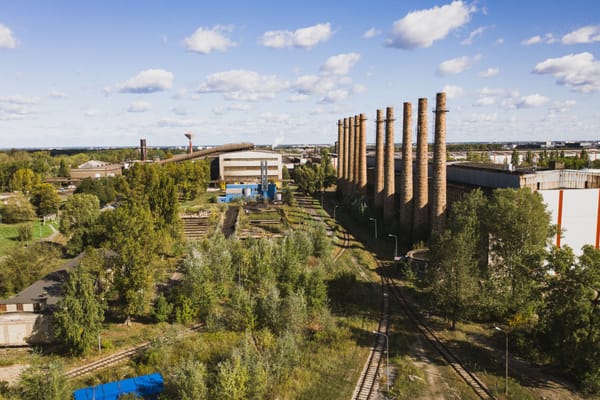
Politics
Volkswagen Faces 100,000 Job Cuts: Is Germany’s EV Dream Crumbling?
Deep in the heart of Germany’s industrial belt, a quiet storm is brewing. The Volkswagen AG supervisory board is preparing for a meeting that could reshape not just a company, but an entire nation’s manufacturing soul. Four German factories may close. Up to 100,000 jobs could va…
Read More...
Politics
Are Mandatory iPads in Irish Schools Worth the Cost? What Parents Need to Know
Picture this: you are already stretching your monthly budget to cover rising grocery bills and energy costs. Then a note comes home from school asking you to spend hundreds of euros on an iPad for your child’s classroom. For families across Ireland, this scenario is becoming inc…
Read More...
Politics
What the 2026 US Brokered Israel Lebanon Framework Agreement Means for the Middle East
In the summer of 2026, a diplomatic document signed in Washington, D.C., has set the Middle East ablaze with debate. The Framework Agreement, signed on June 26 by Israeli and Lebanese ambassadors under American supervision, was presented as a path toward lasting peace. Instead,…
Read More...
Politics
Electricity Tariff Suspension in Mogalakwena: What R100 to R200 Hike Pause Means for Your Energy Bills and South Africa’s Fair Pricing Future
MMN Correspondent: In early July 2026, the Mogalakwena Local Municipality made a decision that caught the attention of energy watchers across South Africa. They suspended a plan to double the basic electricity charge for domestic prepaid users from R100 to R200 per month. For a…
Read More...
Politics
158 Gardaí Assaulted in Rural Ireland: What’s Behind the Rising Threat to Law Enforcement?
Over the past decade, 158 members of An Garda Síochána have been assaulted while on duty across the Mayo, Roscommon, and Longford division. That’s not just a number. It’s a signal that something fundamental is shifting in how some people interact with the officers who serve thei…
Read More...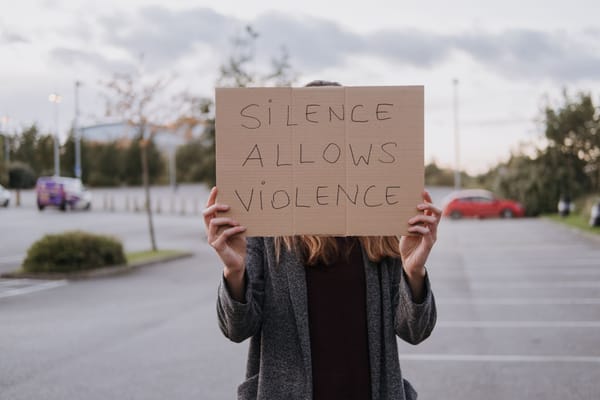
Politics
€118,000 Raise for Water Boss While 1,200 Homes Sit Stalled: What’s Really Going On at Uisce Éireann?
Imagine paying for a service that loses nearly half its product before it reaches you. Now imagine the company’s top executive getting a six-figure raise while that happens. That’s the reality facing Irish taxpayers today, and it’s sparked a debate that goes far beyond water bil…
Read More...