
Cape Town’s 2026/27 Budget: Are You Ready for a 50% Fare Hike and 68% Fixed Charge Surge?
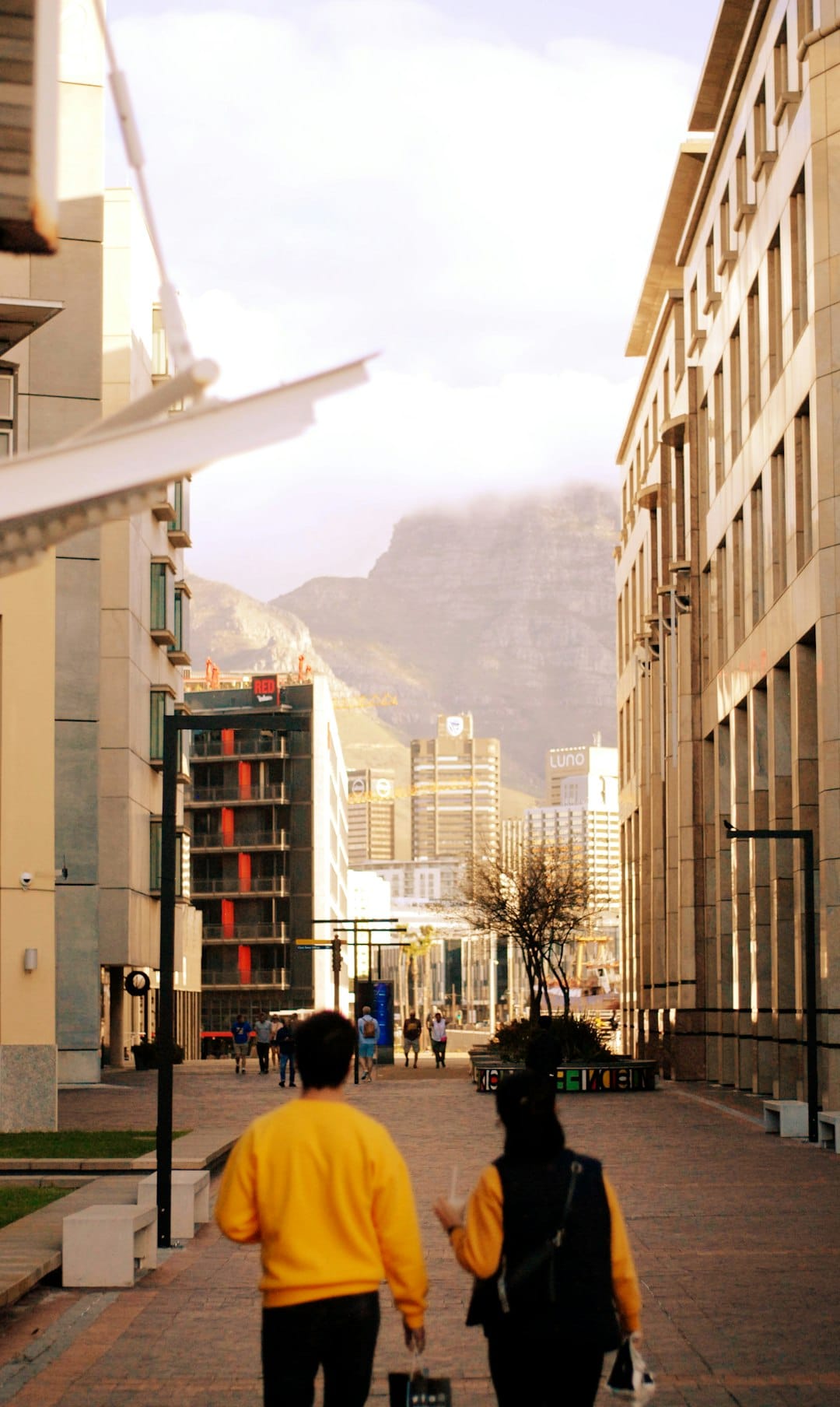
Cape Town, South Africa, MMN Correspondent: If you live in Cape Town and have been watching your monthly expenses creep upward, the city’s proposed 2026/27 budget might feel like a cold splash of reality. As the municipal council gears up to debate the revised financial plan on 29 June 2026, a quiet storm is brewing among residents. The question on many minds is simple: how much more can households absorb before the system starts to crack?
At the center of this conversation is a fresh round of property valuations. The city’s latest general valuation process has nudged home values upward, and with that comes a noticeable bump in municipal rates. For middle and upper income homeowners, this means paying more each year even when their salaries haven’t budged much. It’s not about luxury homes or sprawling estates. It’s about ordinary families who bought a house a few years ago and now find the tax bill climbing faster than their paycheck.
But the real story lies in the fixed charges. Take electricity, for example. The residential consumer tariff now sits at R390.87 per month, which includes an infrastructure levy introduced on 1 July 2025. That levy alone represents a 38% jump from the previous availability charge of R281.78. And there’s more on the horizon. On 1 July 2026, the monthly fixed cost will rise to R424.30, an additional 8.5% increase for property owners with homes valued above R1 million. That’s roughly R33.43 more per month. On paper, it sounds manageable. But when you stack it alongside rising food prices, fuel costs, and stagnant wages, the picture changes.
South Africa’s inflation has been hovering around 5%, while average salary increases lag behind at under 4%. That gap means your money buys less every month. For a household already stretching to cover basics, an extra R33 here and R50 there adds up fast. The city’s tariff relief system, designed to help low income families, has not kept pace. Since 2024/25, fixed service charges have climbed by up to 68.3%, making the existing safety net nearly useless for those who need it most. Many qualifying households now find themselves unable to afford the base costs of electricity and water, caught between the need for essential services and a budget that simply won’t stretch.
Then there’s the MyCiTi bus system. Starting 1 July 2026, a monthly ticket will jump from R1,000 to R1,500. That’s a 50% increase. For daily commuters earning minimum wage or working informal jobs, this could mean spending a much larger slice of their income just to get to work. Public transport isn’t a choice for thousands of residents. It’s the only way to reach jobs, schools, and healthcare. When fares rise this sharply, mobility shrinks, opportunities narrow, and inequality deepens.
Adding another layer, the Western Cape High Court recently decided not to grant refunds for tariffs that were previously imposed unlawfully. Some residents had challenged billing practices through legal channels, hoping for retroactive compensation. The court’s ruling closes that door, meaning past overcharges remain part of household liabilities. For families already feeling squeezed, this feels like a missed opportunity for relief.
Critics of the budget point to a disconnect between the city’s promises and the lived experience of its residents. Officials highlight ongoing infrastructure projects and improved service delivery, but there is limited transparency around how funds are allocated or what tangible benefits people can expect. Without clear accountability, there is a risk that taxpayer money flows toward large scale projects that serve narrow interests rather than addressing urgent needs like water security, sanitation, and affordable housing.
The Freedom Front Plus (VF Plus), which opposes the budget, argues that loyal ratepayers are being unfairly burdened. They warn that continued financial pressure could lead to reduced property investment, lower compliance, and a shrinking tax base. When residents feel their contributions are not respected, trust in local government erodes. That trust is the foundation of democratic participation, and once it cracks, rebuilding takes years.
On a broader scale, Cape Town is often held up as a model of good governance compared to other South African municipalities. But that reputation means little if the city’s own residents are struggling to keep up. True leadership isn’t about being better than the worst. It’s about creating conditions where everyone can live with dignity and stability.
The upcoming voter registration weekend on 20 and 21 June 2026 has become a rallying point for civic engagement. VF Plus is urging citizens to register and participate in local elections, framing the budget debate as a test of municipal accountability. With Cape Town’s population growing rapidly and a significant portion economically inactive, the challenge of balancing growth with affordability becomes more pressing each year.
This budget raises fundamental questions about fairness, sustainability, and the role of local government in protecting livelihoods. As cities around the world face similar pressures, Cape Town’s experience offers a lesson: without inclusive planning, transparent financing, and genuine responsiveness to resident concerns, even well intentioned development can backfire. The goal should be a city that works for everyone, not just those who can absorb the rising costs.
Related in Politics
Politics
Poland’s Political Crossroads: Why Konfederacja Is Pushing for a State Tribunal Trial Over Ukraine Policy
Poland’s political landscape is heating up as the far-right coalition Konfederacja demands that former Minister of Justice Paweł Kosiniak-Kamysza face a State Tribunal trial. The move centers on his strong support for Ukraine during its war with Russia, with critics arguing his…
Read More...
Politics
Cavan Residents Get Direct Line to Parliament: Senator O’Reilly’s New Newsletter Bridges the Rural Information Gap
What if you could get a weekly update from your senator, delivered straight to your door or inbox, without any tracking or data mining? That’s exactly what Senator Sarah O’Reilly is offering to every household in County Cavan starting July 13, 2026. The initiative, announced on…
Read More...
Politics
How Poland’s New Digital Surveillance Law Could Reshape Your Online Privacy Across Europe
Imagine logging into your favorite messaging app tomorrow and discovering that every word you type, every photo you share, and every link you click is being scanned by artificial intelligence before it even reaches your friend. That scenario is no longer hypothetical. It is now…
Read More...
Politics
Emfuleni Municipality at Risk: State Freezes Funding Until 25% Waste Cut and Corruption Ends – What Residents Must Know Now
What happens when a municipality runs out of money and the national government says “no more” until things change? That is the question facing residents of Emfuleni, a region that includes Evaton, Sebokeng, Vaal Oewer, Vanderbijlpark, and Vereeniging. On July 9, 2026, the Nation…
Read More...
Politics
Volkswagen Faces 100,000 Job Cuts: Is Germany’s EV Dream Crumbling?
Deep in the heart of Germany’s industrial belt, a quiet storm is brewing. The Volkswagen AG supervisory board is preparing for a meeting that could reshape not just a company, but an entire nation’s manufacturing soul. Four German factories may close. Up to 100,000 jobs could va…
Read More...
Politics
Are Mandatory iPads in Irish Schools Worth the Cost? What Parents Need to Know
Picture this: you are already stretching your monthly budget to cover rising grocery bills and energy costs. Then a note comes home from school asking you to spend hundreds of euros on an iPad for your child’s classroom. For families across Ireland, this scenario is becoming inc…
Read More...
Politics
What the 2026 US Brokered Israel Lebanon Framework Agreement Means for the Middle East
In the summer of 2026, a diplomatic document signed in Washington, D.C., has set the Middle East ablaze with debate. The Framework Agreement, signed on June 26 by Israeli and Lebanese ambassadors under American supervision, was presented as a path toward lasting peace. Instead,…
Read More...
Politics
Electricity Tariff Suspension in Mogalakwena: What R100 to R200 Hike Pause Means for Your Energy Bills and South Africa’s Fair Pricing Future
MMN Correspondent: In early July 2026, the Mogalakwena Local Municipality made a decision that caught the attention of energy watchers across South Africa. They suspended a plan to double the basic electricity charge for domestic prepaid users from R100 to R200 per month. For a…
Read More...
Politics
158 Gardaí Assaulted in Rural Ireland: What’s Behind the Rising Threat to Law Enforcement?
Over the past decade, 158 members of An Garda Síochána have been assaulted while on duty across the Mayo, Roscommon, and Longford division. That’s not just a number. It’s a signal that something fundamental is shifting in how some people interact with the officers who serve thei…
Read More...
Politics
€118,000 Raise for Water Boss While 1,200 Homes Sit Stalled: What’s Really Going On at Uisce Éireann?
Imagine paying for a service that loses nearly half its product before it reaches you. Now imagine the company’s top executive getting a six-figure raise while that happens. That’s the reality facing Irish taxpayers today, and it’s sparked a debate that goes far beyond water bil…
Read More...