
Chile’s Fiscal Rule Under Fire: 3 Key Failures That Could End a Minister’s Career
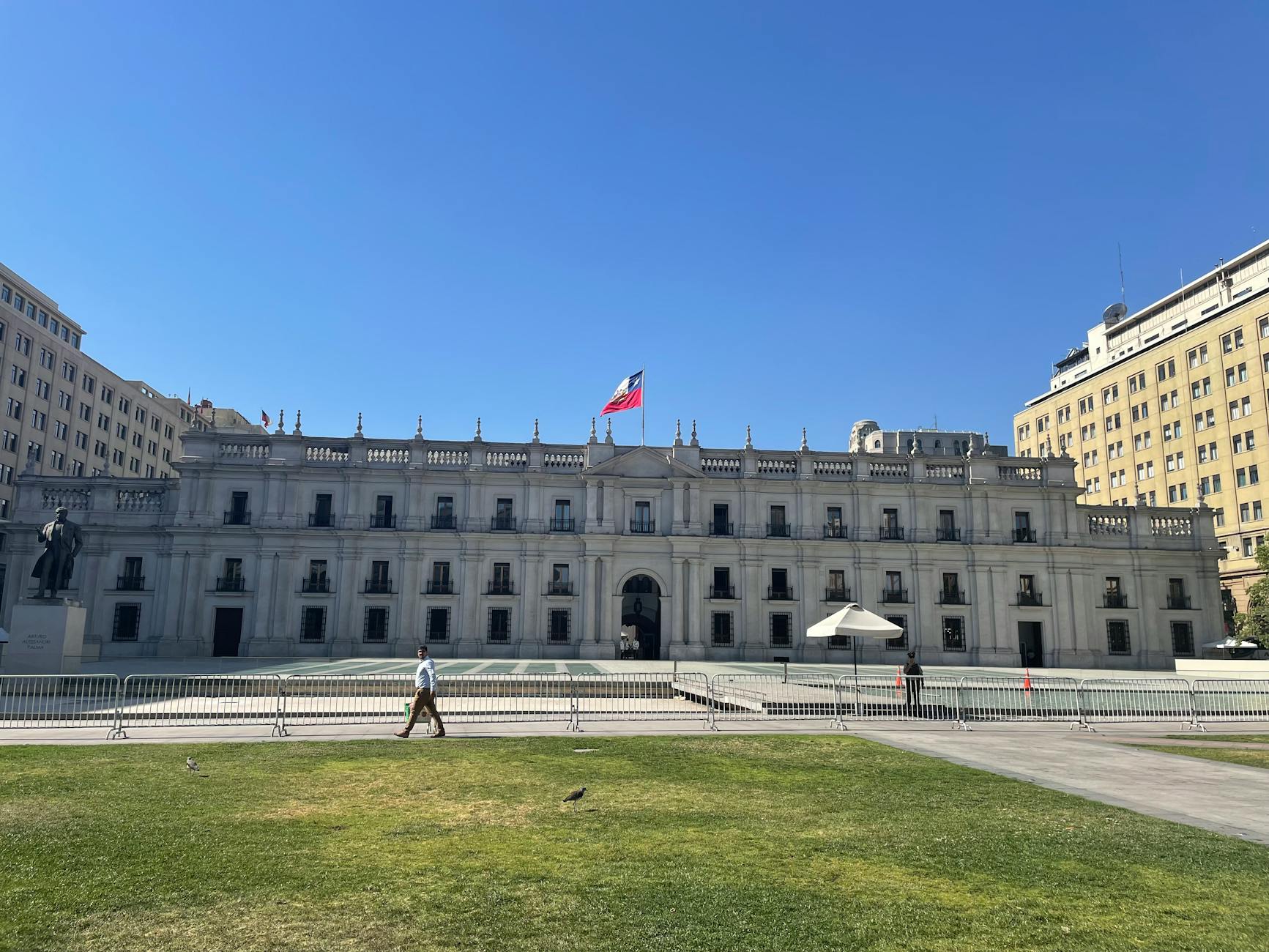
Santiago, Chile, MMN Correspondent: What happens when a country’s top financial steward is accused of breaking the very rules designed to protect its economy? Chile is about to find out. Former Finance Minister Nicolás Grau now faces a constitutional accusation that could reshape how the nation handles public money. The charges, brought by members of the Partido Republicano, have sparked a national conversation about transparency, governance, and the real cost of fiscal missteps.
At the center of this storm are three specific areas where Grau’s management allegedly fell short. First, there’s the matter of the fiscal deficit. Official projections during his tenure appear to have been consistently lower than what actually occurred. This gap between expected and real spending isn’t just a number on a spreadsheet. It affects everything from the quality of public services to the confidence of international investors. When a government underestimates its deficit, it creates a ripple effect that touches every citizen.
Second, there are questions about committed expenses. Documents suggest that certain major projects and social programs were approved without confirmed funding sources. Think of it like writing a check without enough money in the account. In responsible fiscal planning, every peso spent must be backed by current revenue or legally authorized borrowing. When that discipline slips, the consequences can be far reaching.
Third, public debt estimates have come under scrutiny. Official forecasts appear to have downplayed future liabilities, potentially giving parliament and the public an incomplete picture of the nation’s financial health. This kind of omission can distort long term planning across sectors, from education to infrastructure. It also erodes the trust that citizens place in their economic institutions.
Vicente Bruna, secretary general of the Partido Republicano, has been clear about the stakes. He points out that Grau wasn’t a passive observer in these matters. As the minister of finance, he was the supreme authority overseeing the nation’s fiscal health. Bruna poses a simple but powerful question: If Grau knew about these discrepancies and allowed them to continue, that’s a serious breach of duty. If he didn’t know, then what does that say about the oversight systems in place?
Perhaps the most critical issue is whether the government failed to comply with Chile’s established fiscal rule. This mechanism is designed to prevent excessive debt accumulation and promote macroeconomic stability. It requires that primary surpluses be maintained unless extraordinary circumstances justify exceptions. During Grau’s term, these benchmarks were not met. The question now is whether this was due to poor forecasting, intentional manipulation, or systemic breakdowns in monitoring.
The Partido Republicano insists this isn’t about political retaliation. They frame it as a demand for institutional accountability. Bruna has stated that the goal is not punishment but truth. He believes the people deserve to know how their money has been managed. This perspective resonates with many Chileans who value transparency in public life.
This case also reflects a broader global trend. Countries around the world are reexamining how they monitor public finances, especially after the economic stress of the pandemic. Chile has long been praised for its strong fiscal institutions. Now those institutions face a test of whether they can withstand political pressure and maintain credibility. The outcome could influence not only Chilean policy but also serve as a reference for other nations facing similar challenges.
The constitutional process itself is complex. For the accusation to move forward, it must be approved by a majority of deputies and senators. If it passes, a trial before the Constitutional Court will determine whether Grau violated his duties. A guilty verdict could mean removal from any current office and disqualification from future public service roles. Even if acquitted, the reputational damage and loss of public trust can be lasting.
Chile’s fiscal framework has historically been a model of rigor and independence. Institutions like the Ministry of Finance and the Fiscal Council have played crucial roles in maintaining discipline. Yet recent events suggest that even well structured systems are vulnerable to human error, political interference, or deliberate manipulation. This case highlights the importance of constant vigilance.
Public opinion remains divided. Supporters of the accusation argue that transparency must prevail, regardless of the individual involved. Critics warn that the political nature of the charge could undermine the impartiality of the process and set a precedent for weaponizing constitutional mechanisms. Both sides raise valid points.
Regardless of the final verdict, the spotlight on fiscal accountability is likely to endure. The case has already prompted calls for reforms in financial reporting standards, greater independence for audit bodies, and enhanced whistleblower protections within government agencies. Some experts suggest Chile may soon adopt more automated, real time fiscal monitoring systems to reduce the risk of manipulation and improve accuracy.
As the congressional review unfolds, the nation watches closely. The stakes go beyond one individual. They touch the very foundation of democratic governance: the honest stewardship of public resources. In a time when trust in institutions is fragile, the outcome of this case could either reinforce faith in Chile’s fiscal system or expose deep vulnerabilities that require urgent reform.
Ultimately, the question remains: Can a country uphold its fiscal promises while ensuring that those in charge are held accountable? The answer may shape not only Chile’s economic future but also the global conversation on transparency and responsibility in public finance.
Related in Politics
Politics
Poland’s Political Crossroads: Why Konfederacja Is Pushing for a State Tribunal Trial Over Ukraine Policy
Poland’s political landscape is heating up as the far-right coalition Konfederacja demands that former Minister of Justice Paweł Kosiniak-Kamysza face a State Tribunal trial. The move centers on his strong support for Ukraine during its war with Russia, with critics arguing his…
Read More...
Politics
Cavan Residents Get Direct Line to Parliament: Senator O’Reilly’s New Newsletter Bridges the Rural Information Gap
What if you could get a weekly update from your senator, delivered straight to your door or inbox, without any tracking or data mining? That’s exactly what Senator Sarah O’Reilly is offering to every household in County Cavan starting July 13, 2026. The initiative, announced on…
Read More...
Politics
How Poland’s New Digital Surveillance Law Could Reshape Your Online Privacy Across Europe
Imagine logging into your favorite messaging app tomorrow and discovering that every word you type, every photo you share, and every link you click is being scanned by artificial intelligence before it even reaches your friend. That scenario is no longer hypothetical. It is now…
Read More...
Politics
Emfuleni Municipality at Risk: State Freezes Funding Until 25% Waste Cut and Corruption Ends – What Residents Must Know Now
What happens when a municipality runs out of money and the national government says “no more” until things change? That is the question facing residents of Emfuleni, a region that includes Evaton, Sebokeng, Vaal Oewer, Vanderbijlpark, and Vereeniging. On July 9, 2026, the Nation…
Read More...
Politics
Volkswagen Faces 100,000 Job Cuts: Is Germany’s EV Dream Crumbling?
Deep in the heart of Germany’s industrial belt, a quiet storm is brewing. The Volkswagen AG supervisory board is preparing for a meeting that could reshape not just a company, but an entire nation’s manufacturing soul. Four German factories may close. Up to 100,000 jobs could va…
Read More...
Politics
Are Mandatory iPads in Irish Schools Worth the Cost? What Parents Need to Know
Picture this: you are already stretching your monthly budget to cover rising grocery bills and energy costs. Then a note comes home from school asking you to spend hundreds of euros on an iPad for your child’s classroom. For families across Ireland, this scenario is becoming inc…
Read More...
Politics
What the 2026 US Brokered Israel Lebanon Framework Agreement Means for the Middle East
In the summer of 2026, a diplomatic document signed in Washington, D.C., has set the Middle East ablaze with debate. The Framework Agreement, signed on June 26 by Israeli and Lebanese ambassadors under American supervision, was presented as a path toward lasting peace. Instead,…
Read More...
Politics
Electricity Tariff Suspension in Mogalakwena: What R100 to R200 Hike Pause Means for Your Energy Bills and South Africa’s Fair Pricing Future
MMN Correspondent: In early July 2026, the Mogalakwena Local Municipality made a decision that caught the attention of energy watchers across South Africa. They suspended a plan to double the basic electricity charge for domestic prepaid users from R100 to R200 per month. For a…
Read More...
Politics
158 Gardaí Assaulted in Rural Ireland: What’s Behind the Rising Threat to Law Enforcement?
Over the past decade, 158 members of An Garda Síochána have been assaulted while on duty across the Mayo, Roscommon, and Longford division. That’s not just a number. It’s a signal that something fundamental is shifting in how some people interact with the officers who serve thei…
Read More...
Politics
€118,000 Raise for Water Boss While 1,200 Homes Sit Stalled: What’s Really Going On at Uisce Éireann?
Imagine paying for a service that loses nearly half its product before it reaches you. Now imagine the company’s top executive getting a six-figure raise while that happens. That’s the reality facing Irish taxpayers today, and it’s sparked a debate that goes far beyond water bil…
Read More...