
Chile’s Republican Party Pushes Constitutional Reform to Cut Violent Crime by 12%: What It Means for Your Family’s Safety
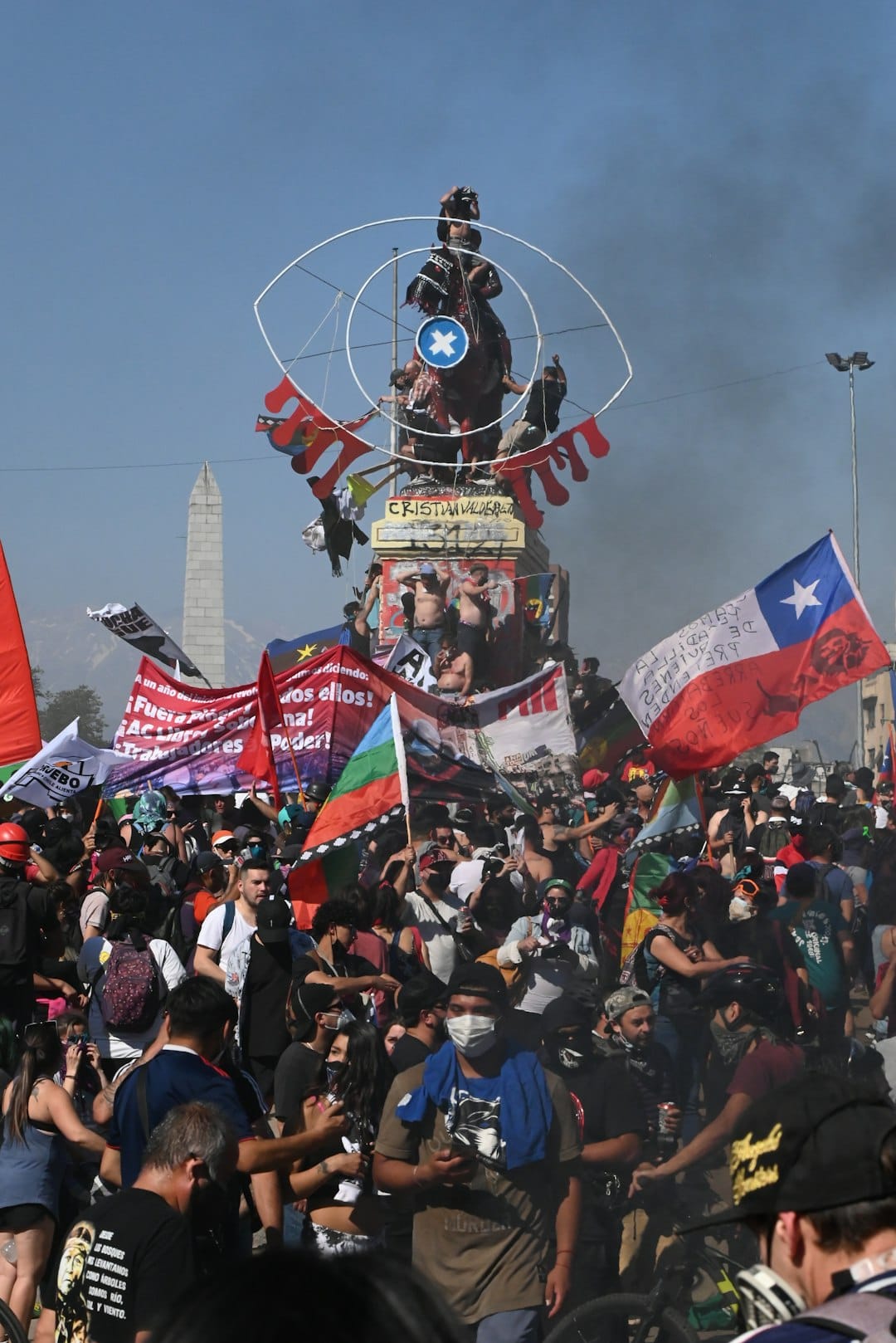
Santiago, Chile, MMN Correspondent: Imagine walking your child to school without a second thought. Or opening your front door at night without checking twice. For many Chilean families, that sense of security has slipped away. Now, a major political force says it’s ready to rewrite the rules to bring it back.
Arturo Squella, president of the Partido Republicano de Chile and a prominent senator, has announced a bold plan: if current laws can’t protect citizens, the Constitution itself must change. In an exclusive interview with CNN Chile, Squella laid out a vision that goes beyond punishment. It’s about prevention, deterrence, and giving the state the legal tools to act decisively.
Why now? The numbers tell a clear story. According to Chile’s Ministry of the Interior and Public Security, violent crimes jumped 12% between 2023 and 2024. Aggravated assaults and robberies in cities like Santiago and Valparaíso have hit levels that alarm even longtime residents. Neighborhoods once considered safe now report frequent incidents. Public anxiety is real and growing.
Squella points to a deeper issue: the legal system itself. Recent court rulings, including one that suspended penalties for repeat offenders, have sparked debate. Are constitutional loopholes allowing criminals to exploit procedural rights? “If these rulings stem from structural contradictions in the Constitution,” Squella said, “we will propose an amendment. Our priority is protection, not just punishment.”
The proposed reform would let lawmakers restrict specific rights for individuals convicted of serious offenses. Think early release programs, parole eligibility, or access to certain social services for repeat violent offenders. This isn’t radical globally. Italy, Germany, and Australia have similar measures under strict oversight to target recidivism and organized crime.
What makes this moment unique is Chile’s political landscape. Since the 2022 constitutional process, the country has operated under a transitional framework. Voters rejected a draft constitution, but its principles still shape policy debates. Critics say the lack of a fully ratified, stable constitution creates ambiguity in law enforcement and judicial interpretation. Squella’s call for reform aims to build a stronger legal foundation that puts citizen safety first.
The Partido Republicano, known for its conservative, pro-law-and-order stance, aligns with broad public sentiment. A 2024 survey by the Center for Public Opinion at Universidad Diego Portales found that 76% of Chileans want justice system reform to reduce impunity. And 81% worry about their safety walking alone at night, a sharp rise from previous years.
Squella emphasizes the goal is transformative, not just punitive. “We want families to feel safe again, not just in theory but in practice,” he said. “They should open their doors without fear. Send their children to school without worrying about violence. That’s what people expect. That’s what our government must deliver.”
This pledge positions the Partido Republicano at the forefront of a potential legislative wave. A constitutional reform would need broad congressional consensus and a national referendum. Given Chile’s polarized climate, the path is challenging. Yet the party remains resolute. “We are ready to lead this effort,” Squella affirmed. “If it takes a constitutional change to give the state the tools to defend its citizens, we will make it happen. No hesitation. No excuses.”
Analysts see this announcement as a potential game-changer for upcoming regional and municipal elections, where public safety tops voter concerns. With crime rates high and trust in institutions fluctuating, the promise of decisive legal action could appeal across society.
Success depends on careful design. Legal experts warn against overly broad language that could undermine due process or disproportionately affect marginalized communities. But proponents argue targeted reforms focused on repeat offenders and serious crimes can balance accountability and fairness.
Chile stands at a critical juncture. The debate over constitutional reform raises a fundamental question: How much power should the state hold to protect its people? For Arturo Squella and the Partido Republicano, the answer is clear: enough to ensure every family feels secure in their home, their neighborhood, and their country. The movement toward a safer Chile is no longer just a policy goal. It’s becoming a constitutional imperative.
Related in Politics
Politics
Poland’s Political Crossroads: Why Konfederacja Is Pushing for a State Tribunal Trial Over Ukraine Policy
Poland’s political landscape is heating up as the far-right coalition Konfederacja demands that former Minister of Justice Paweł Kosiniak-Kamysza face a State Tribunal trial. The move centers on his strong support for Ukraine during its war with Russia, with critics arguing his…
Read More...
Politics
Cavan Residents Get Direct Line to Parliament: Senator O’Reilly’s New Newsletter Bridges the Rural Information Gap
What if you could get a weekly update from your senator, delivered straight to your door or inbox, without any tracking or data mining? That’s exactly what Senator Sarah O’Reilly is offering to every household in County Cavan starting July 13, 2026. The initiative, announced on…
Read More...
Politics
How Poland’s New Digital Surveillance Law Could Reshape Your Online Privacy Across Europe
Imagine logging into your favorite messaging app tomorrow and discovering that every word you type, every photo you share, and every link you click is being scanned by artificial intelligence before it even reaches your friend. That scenario is no longer hypothetical. It is now…
Read More...
Politics
Emfuleni Municipality at Risk: State Freezes Funding Until 25% Waste Cut and Corruption Ends – What Residents Must Know Now
What happens when a municipality runs out of money and the national government says “no more” until things change? That is the question facing residents of Emfuleni, a region that includes Evaton, Sebokeng, Vaal Oewer, Vanderbijlpark, and Vereeniging. On July 9, 2026, the Nation…
Read More...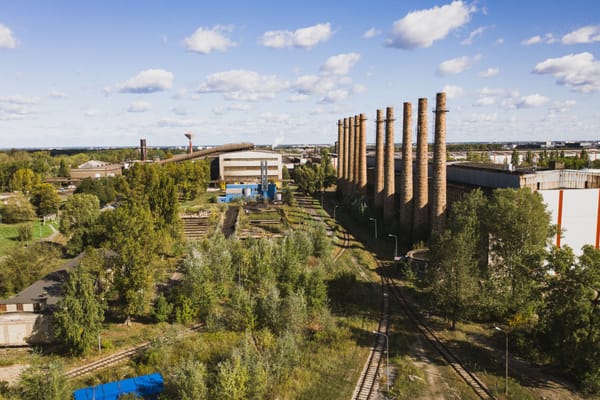
Politics
Volkswagen Faces 100,000 Job Cuts: Is Germany’s EV Dream Crumbling?
Deep in the heart of Germany’s industrial belt, a quiet storm is brewing. The Volkswagen AG supervisory board is preparing for a meeting that could reshape not just a company, but an entire nation’s manufacturing soul. Four German factories may close. Up to 100,000 jobs could va…
Read More...
Politics
Are Mandatory iPads in Irish Schools Worth the Cost? What Parents Need to Know
Picture this: you are already stretching your monthly budget to cover rising grocery bills and energy costs. Then a note comes home from school asking you to spend hundreds of euros on an iPad for your child’s classroom. For families across Ireland, this scenario is becoming inc…
Read More...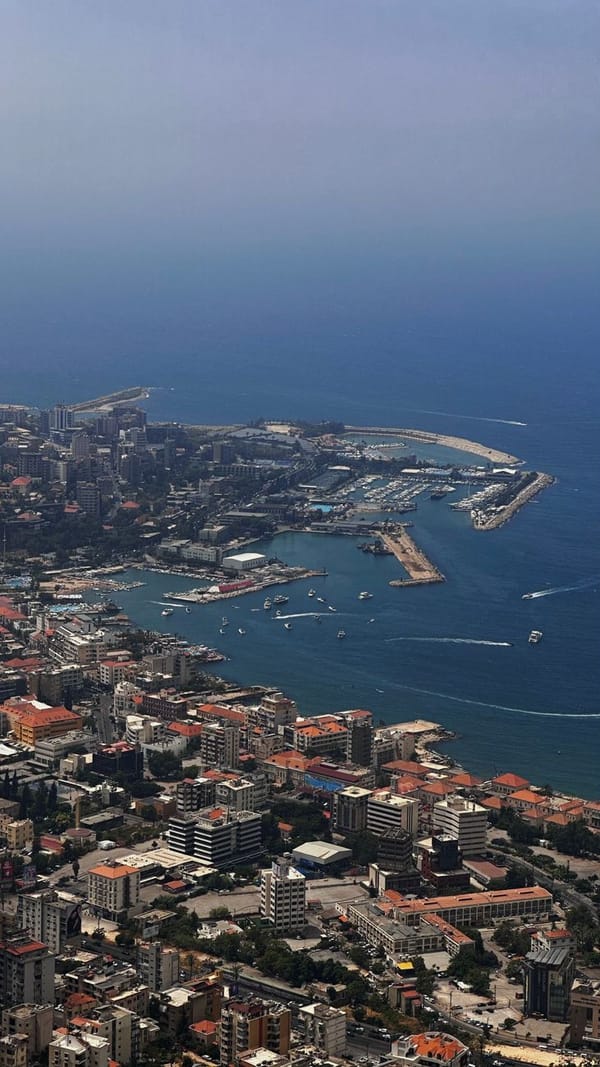
Politics
What the 2026 US Brokered Israel Lebanon Framework Agreement Means for the Middle East
In the summer of 2026, a diplomatic document signed in Washington, D.C., has set the Middle East ablaze with debate. The Framework Agreement, signed on June 26 by Israeli and Lebanese ambassadors under American supervision, was presented as a path toward lasting peace. Instead,…
Read More...
Politics
Electricity Tariff Suspension in Mogalakwena: What R100 to R200 Hike Pause Means for Your Energy Bills and South Africa’s Fair Pricing Future
MMN Correspondent: In early July 2026, the Mogalakwena Local Municipality made a decision that caught the attention of energy watchers across South Africa. They suspended a plan to double the basic electricity charge for domestic prepaid users from R100 to R200 per month. For a…
Read More...
Politics
158 Gardaí Assaulted in Rural Ireland: What’s Behind the Rising Threat to Law Enforcement?
Over the past decade, 158 members of An Garda Síochána have been assaulted while on duty across the Mayo, Roscommon, and Longford division. That’s not just a number. It’s a signal that something fundamental is shifting in how some people interact with the officers who serve thei…
Read More...
Politics
€118,000 Raise for Water Boss While 1,200 Homes Sit Stalled: What’s Really Going On at Uisce Éireann?
Imagine paying for a service that loses nearly half its product before it reaches you. Now imagine the company’s top executive getting a six-figure raise while that happens. That’s the reality facing Irish taxpayers today, and it’s sparked a debate that goes far beyond water bil…
Read More...