
ECB Rate Hike to 2.25%: What Decades of Ultra-Low Rates Mean for Your Mortgage and Savings in 2026
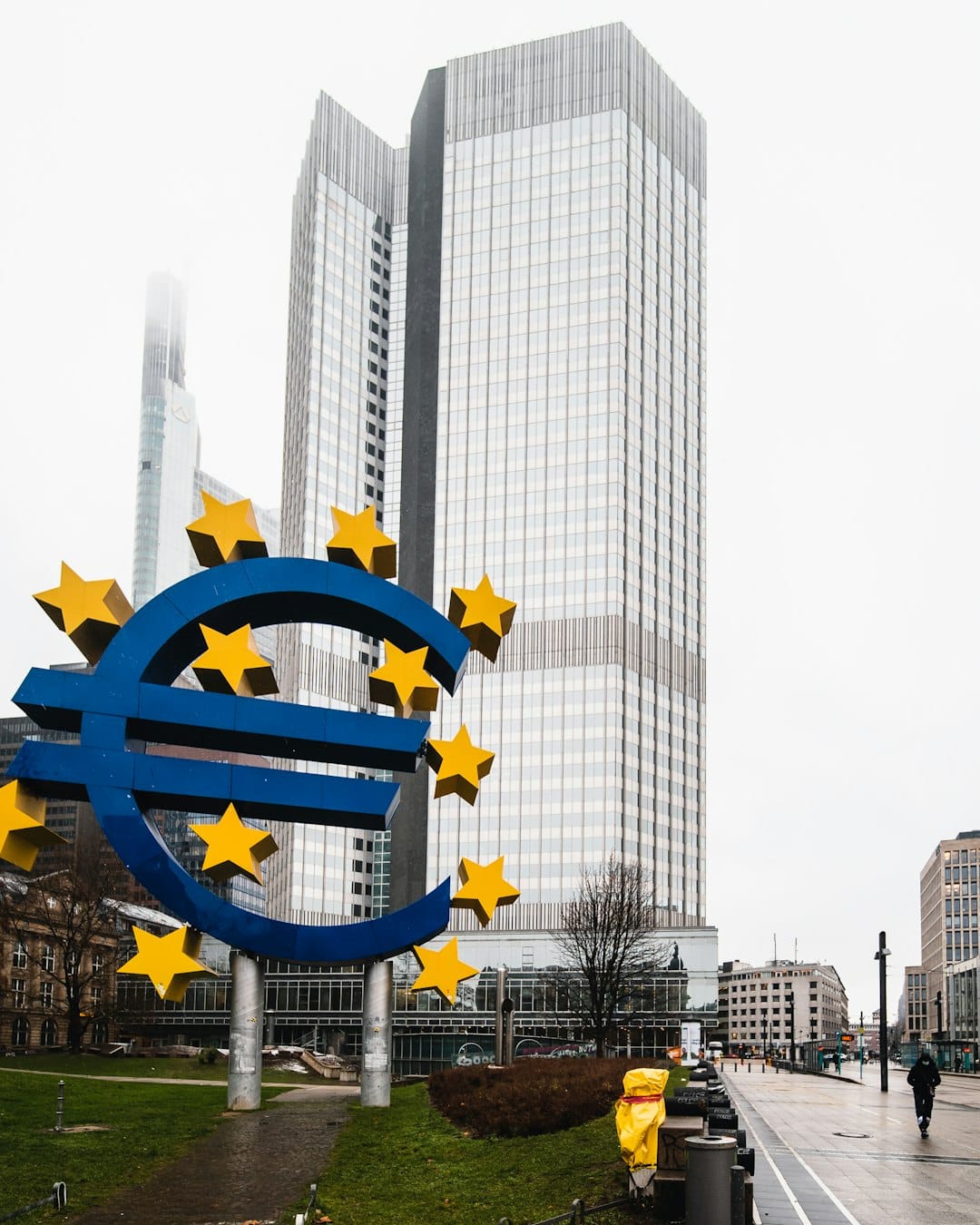
Frankfurt, Germany, MMN Correspondent: The European Central Bank just did something it hadn’t done since September 2023: it raised interest rates. The main refinancing rate climbed by 0.25 percentage points to 2.25%. On the surface, this looks like a routine move to cool inflation. But if you scratch beneath the numbers, you’ll find a story that stretches back nearly two decades.
Why now? Because inflation is no longer a whisper. In May 2026, Germany’s consumer prices hit 3.4%. France reported 3.8%. Both sit well above the ECB’s 2% comfort zone. Energy costs are the main culprit. Natural gas prices in Europe surged nearly 17% in just the first three months of 2026. That spike hits household bills and industrial production costs directly.
But here’s the part that doesn’t make headlines: this rate hike isn’t really about energy or supply chains. It’s the bill coming due for a policy experiment that began after the 2008 financial crisis. From 2009 to 2022, the ECB kept rates at or below zero. The idea was to stimulate borrowing, investment, and spending. And it worked for a while. But it also distorted markets, encouraged risk-taking, and inflated asset bubbles in real estate and stocks.
Now the numbers are catching up. Eurostat data shows household debt across the Eurozone rose 28% between 2015 and 2025. That’s faster than income growth in most countries. At the same time, savings rates dropped from 8.1% in 2015 to just 4.3% in 2025. People shifted from building financial cushions to spending more in the moment. That leaves millions exposed when costs rise suddenly.
So what does this rate hike mean for you? If you’re a saver, there’s some good news. Deposit rates are finally approaching levels not seen since before 2008. But if you’re a borrower, especially with a variable-rate mortgage, the picture is different. In Germany, average mortgage rates have climbed from 2.1% in early 2023 to 3.4% in June 2026. For a typical home loan, that adds up to €350 more per month. Small and medium enterprises are feeling the pinch too. A DIW survey found 62% of German SMEs expect to cut investment in 2026 because borrowing costs are rising.
Critics say the ECB waited too long. Dr. Lena Müller, a former ECB official, pointed out at a recent economic forum that hesitation allowed inflation expectations to become entrenched. “Now reversing course requires steeper hikes and greater economic pain,” she said. Early action could have softened the landing.
The political ripple effects are real. In Germany, the AfD party has seized on the rate hike as proof of failed policy. Kay Gottschalk, the party’s deputy national spokesperson, called it “the inevitable consequence of years of reckless monetary expansion.” Polls show 58% of German citizens now want the ECB to prioritize price stability over growth.
Looking ahead, economists expect more gradual rate increases through the rest of 2026 if inflation stays high. But there’s a growing debate: could further hikes tip the Eurozone into recession? The IMF recently cut its growth forecast for the region to just 0.7% for 2026. Unemployment is already rising in Italy and Spain, hitting 11.2% and 12.6% respectively. That raises questions about social stability.
Some policymakers are pushing for broader reforms: stronger fiscal discipline among member states, more flexible labor markets, and investment in domestic energy infrastructure to reduce reliance on volatile global markets. There’s also talk of refining the ECB’s mandate to keep it focused on price stability without drifting into broader economic management.
This June 2026 rate hike is a reminder that monetary policy doesn’t exist in a vacuum. It’s tied to fiscal choices, structural reforms, and long-term planning. The challenge now is balancing inflation control with sustainable growth. The lessons from the past two decades are clear: short-term fixes can create long-term problems. For central bankers, policymakers, and every citizen who relies on a stable economy and secure savings, the path forward demands transparency, accountability, and a commitment to sound principles. Without them, the cycle of inflation, rate hikes, and economic hardship may repeat, eroding trust in the institutions that underpin prosperity.
Related in Politics
Politics
Poland’s Political Crossroads: Why Konfederacja Is Pushing for a State Tribunal Trial Over Ukraine Policy
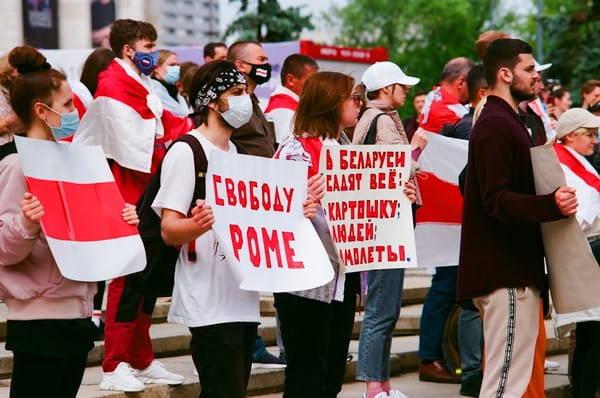
Poland’s political landscape is heating up as the far-right coalition Konfederacja demands that former Minister of Justice Paweł Kosiniak-Kamysza face a State Tribunal trial. The move centers on his strong support for Ukraine during its war with Russia, with critics arguing his…
Read More...
Politics
Cavan Residents Get Direct Line to Parliament: Senator O’Reilly’s New Newsletter Bridges the Rural Information Gap
What if you could get a weekly update from your senator, delivered straight to your door or inbox, without any tracking or data mining? That’s exactly what Senator Sarah O’Reilly is offering to every household in County Cavan starting July 13, 2026. The initiative, announced on…
Read More...
Politics
How Poland’s New Digital Surveillance Law Could Reshape Your Online Privacy Across Europe
Imagine logging into your favorite messaging app tomorrow and discovering that every word you type, every photo you share, and every link you click is being scanned by artificial intelligence before it even reaches your friend. That scenario is no longer hypothetical. It is now…
Read More...
Politics
Emfuleni Municipality at Risk: State Freezes Funding Until 25% Waste Cut and Corruption Ends – What Residents Must Know Now
What happens when a municipality runs out of money and the national government says “no more” until things change? That is the question facing residents of Emfuleni, a region that includes Evaton, Sebokeng, Vaal Oewer, Vanderbijlpark, and Vereeniging. On July 9, 2026, the Nation…
Read More...
Politics
Volkswagen Faces 100,000 Job Cuts: Is Germany’s EV Dream Crumbling?
Deep in the heart of Germany’s industrial belt, a quiet storm is brewing. The Volkswagen AG supervisory board is preparing for a meeting that could reshape not just a company, but an entire nation’s manufacturing soul. Four German factories may close. Up to 100,000 jobs could va…
Read More...
Politics
Are Mandatory iPads in Irish Schools Worth the Cost? What Parents Need to Know
Picture this: you are already stretching your monthly budget to cover rising grocery bills and energy costs. Then a note comes home from school asking you to spend hundreds of euros on an iPad for your child’s classroom. For families across Ireland, this scenario is becoming inc…
Read More...
Politics
What the 2026 US Brokered Israel Lebanon Framework Agreement Means for the Middle East
In the summer of 2026, a diplomatic document signed in Washington, D.C., has set the Middle East ablaze with debate. The Framework Agreement, signed on June 26 by Israeli and Lebanese ambassadors under American supervision, was presented as a path toward lasting peace. Instead,…
Read More...
Politics
Electricity Tariff Suspension in Mogalakwena: What R100 to R200 Hike Pause Means for Your Energy Bills and South Africa’s Fair Pricing Future
MMN Correspondent: In early July 2026, the Mogalakwena Local Municipality made a decision that caught the attention of energy watchers across South Africa. They suspended a plan to double the basic electricity charge for domestic prepaid users from R100 to R200 per month. For a…
Read More...
Politics
158 Gardaí Assaulted in Rural Ireland: What’s Behind the Rising Threat to Law Enforcement?
Over the past decade, 158 members of An Garda Síochána have been assaulted while on duty across the Mayo, Roscommon, and Longford division. That’s not just a number. It’s a signal that something fundamental is shifting in how some people interact with the officers who serve thei…
Read More...
Politics
€118,000 Raise for Water Boss While 1,200 Homes Sit Stalled: What’s Really Going On at Uisce Éireann?
Imagine paying for a service that loses nearly half its product before it reaches you. Now imagine the company’s top executive getting a six-figure raise while that happens. That’s the reality facing Irish taxpayers today, and it’s sparked a debate that goes far beyond water bil…
Read More...