
Ekurhuleni Budget Rejected Twice in 7 Days: What’s Behind the R1.5 Trillion Surplus Claim?
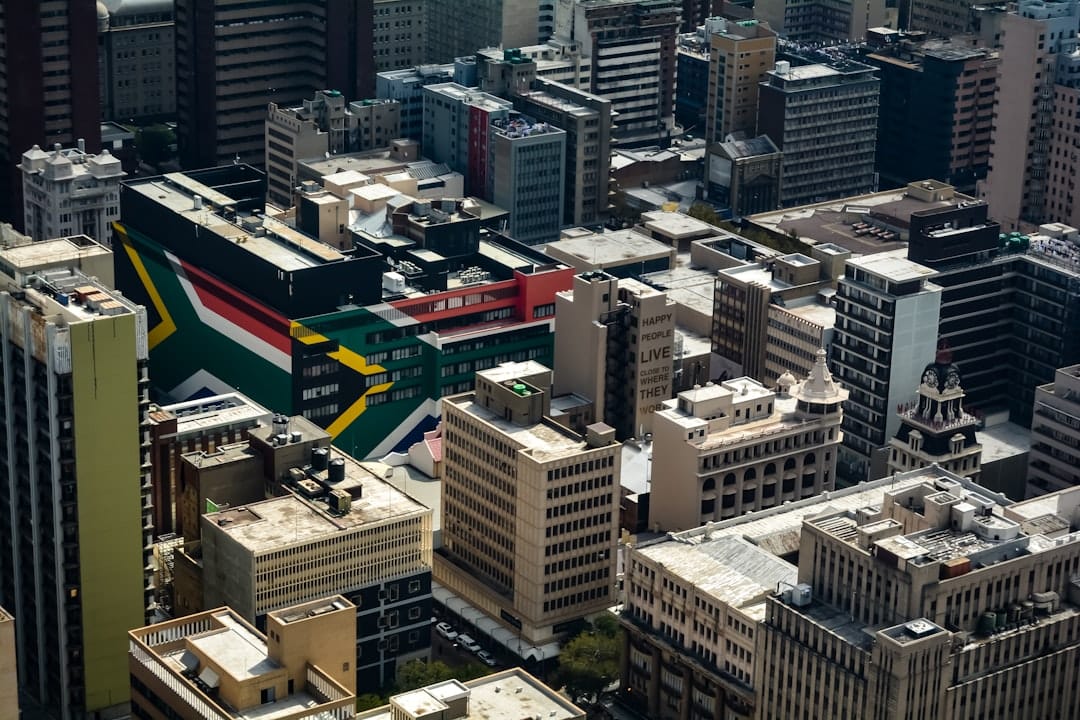
Ekurhuleni, South Africa, MMN Correspondent: Imagine being told your city has a surplus of R1.5 trillion, yet your water bill just jumped 11% and your electricity keeps flickering. That’s the reality for residents of Ekurhuleni, where the proposed 2026/27 budget has been rejected for the second time in just over a week. The Freedom Front Plus (VF Plus) voted it down during a virtual council session on June 18, 2026, citing numbers that simply don’t add up.
This isn’t a one-off political spat. It’s a pattern that’s been building for months. The budget was first rejected on June 11, and when it came back with only minor tweaks, the same party said no again. The core problem? A projected electricity collection rate of 90% that many analysts call wishful thinking, a claimed surplus of R1.523 trillion that no one can verify, and a proposed R500 million bridging finance package that raises more questions than it answers.
Here’s where it gets interesting. On June 17, just one day before the rejection, the National Energy Regulator of South Africa (NERSA) announced it would delay its final decision on Ekurhuleni’s electricity tariff structure until June 23. That delay matters because the entire budget hinges on stable tariff rates. Without them, the revenue forecasts are built on sand.
But there’s a deeper story. NERSA’s own calculations show that if Ekurhuleni could cut its electricity losses from 15.54% to 12%, it would recover an extra R942 million every year. Push that loss rate down to 6%, and the recovery jumps to over R2.5 billion annually. That’s enough to fund major infrastructure upgrades without hitting residents with higher tariffs. So why isn’t it happening?
Denise Janse van Rensburg, a senior VF Plus spokesperson, put it plainly: “It is indefensible that households are burdened with higher tariffs while the city fails to collect what it already earns. This is not just poor management—it is a betrayal of public trust.” She’s not wrong. Residents are already facing an 11% hike in water, 8.35% in sanitation, up to 9.01% in electricity, 3.4% in refuse removal, and 2% in property rates. Meanwhile, billions leak away through aging infrastructure, theft, and outdated metering systems.
This situation isn’t unique to Ekurhuleni. The Auditor-General’s 2025 report found that over 60% of South African municipalities have material weaknesses in financial controls, with energy loss as a common thread. But Ekurhuleni’s case is particularly acute because of its heavy reliance on electricity revenue. When that pillar wobbles, the whole budget shakes.
The clock is now ticking. The revised budget must be resubmitted within seven days of the latest rejection. That’s a tight window for meaningful change. Critics worry the process could become a procedural exercise rather than a genuine reset. Without independent oversight, stakeholder input, and transparent data, the next version might repeat the same flawed assumptions.
Residents are paying attention. Community forums across Ekurhuleni are seeing record attendance, with people demanding answers. Service delivery in water supply, waste management, and road maintenance has slipped over the past two years, even as budgets grow. The gap between financial projections and on-the-ground reality is becoming a central issue ahead of the national local government elections on November 4, 2026.
The Freedom Front Plus is framing this as a choice about fiscal responsibility. “The choice on November 4 is not just about who governs,” the party stated. “It’s about whether we want a government that lives within its means, protects taxpayer money, and delivers real services—or one that relies on fantasy numbers and punitive hikes to mask deeper failures.” Their platform includes immediate audits of energy loss, modernized billing systems, and independent financial oversight for all municipalities.
All eyes are now on Executive Mayor Nkosindiphile Xhakaza and Finance Committee Member Jongizizwe Dlabathi. Can they deliver a credible, data-driven budget in the coming days? Without fundamental reforms, Ekurhuleni risks credit downgrades, higher borrowing costs, and further erosion of essential services. The NERSA tariff decision, expected on June 23, will be a critical piece of the puzzle.
For now, the double rejection serves as a powerful reminder that public finance isn’t a game. It’s a trust. As South Africa gears up for elections, what happens in Ekurhuleni could signal whether local government can rebuild its credibility—or continue down a path where numbers don’t match reality. The question is: can a city fix its financial foundation before the cracks become too wide to bridge?
Related in Politics

Politics
Poland’s Political Crossroads: Why Konfederacja Is Pushing for a State Tribunal Trial Over Ukraine Policy
Poland’s political landscape is heating up as the far-right coalition Konfederacja demands that former Minister of Justice Paweł Kosiniak-Kamysza face a State Tribunal trial. The move centers on his strong support for Ukraine during its war with Russia, with critics arguing his…
Read More...
Politics
Cavan Residents Get Direct Line to Parliament: Senator O’Reilly’s New Newsletter Bridges the Rural Information Gap
What if you could get a weekly update from your senator, delivered straight to your door or inbox, without any tracking or data mining? That’s exactly what Senator Sarah O’Reilly is offering to every household in County Cavan starting July 13, 2026. The initiative, announced on…
Read More...
Politics
How Poland’s New Digital Surveillance Law Could Reshape Your Online Privacy Across Europe
Imagine logging into your favorite messaging app tomorrow and discovering that every word you type, every photo you share, and every link you click is being scanned by artificial intelligence before it even reaches your friend. That scenario is no longer hypothetical. It is now…
Read More...
Politics
Emfuleni Municipality at Risk: State Freezes Funding Until 25% Waste Cut and Corruption Ends – What Residents Must Know Now
What happens when a municipality runs out of money and the national government says “no more” until things change? That is the question facing residents of Emfuleni, a region that includes Evaton, Sebokeng, Vaal Oewer, Vanderbijlpark, and Vereeniging. On July 9, 2026, the Nation…
Read More...
Politics
Volkswagen Faces 100,000 Job Cuts: Is Germany’s EV Dream Crumbling?
Deep in the heart of Germany’s industrial belt, a quiet storm is brewing. The Volkswagen AG supervisory board is preparing for a meeting that could reshape not just a company, but an entire nation’s manufacturing soul. Four German factories may close. Up to 100,000 jobs could va…
Read More...
Politics
Are Mandatory iPads in Irish Schools Worth the Cost? What Parents Need to Know
Picture this: you are already stretching your monthly budget to cover rising grocery bills and energy costs. Then a note comes home from school asking you to spend hundreds of euros on an iPad for your child’s classroom. For families across Ireland, this scenario is becoming inc…
Read More...
Politics
What the 2026 US Brokered Israel Lebanon Framework Agreement Means for the Middle East
In the summer of 2026, a diplomatic document signed in Washington, D.C., has set the Middle East ablaze with debate. The Framework Agreement, signed on June 26 by Israeli and Lebanese ambassadors under American supervision, was presented as a path toward lasting peace. Instead,…
Read More...
Politics
Electricity Tariff Suspension in Mogalakwena: What R100 to R200 Hike Pause Means for Your Energy Bills and South Africa’s Fair Pricing Future
MMN Correspondent: In early July 2026, the Mogalakwena Local Municipality made a decision that caught the attention of energy watchers across South Africa. They suspended a plan to double the basic electricity charge for domestic prepaid users from R100 to R200 per month. For a…
Read More...
Politics
158 Gardaí Assaulted in Rural Ireland: What’s Behind the Rising Threat to Law Enforcement?
Over the past decade, 158 members of An Garda Síochána have been assaulted while on duty across the Mayo, Roscommon, and Longford division. That’s not just a number. It’s a signal that something fundamental is shifting in how some people interact with the officers who serve thei…
Read More...
Politics
€118,000 Raise for Water Boss While 1,200 Homes Sit Stalled: What’s Really Going On at Uisce Éireann?
Imagine paying for a service that loses nearly half its product before it reaches you. Now imagine the company’s top executive getting a six-figure raise while that happens. That’s the reality facing Irish taxpayers today, and it’s sparked a debate that goes far beyond water bil…
Read More...