
Ekurhuleni Budget Showdown: Can Residents Afford 11% Water Hikes Amid 50% Unemployment?
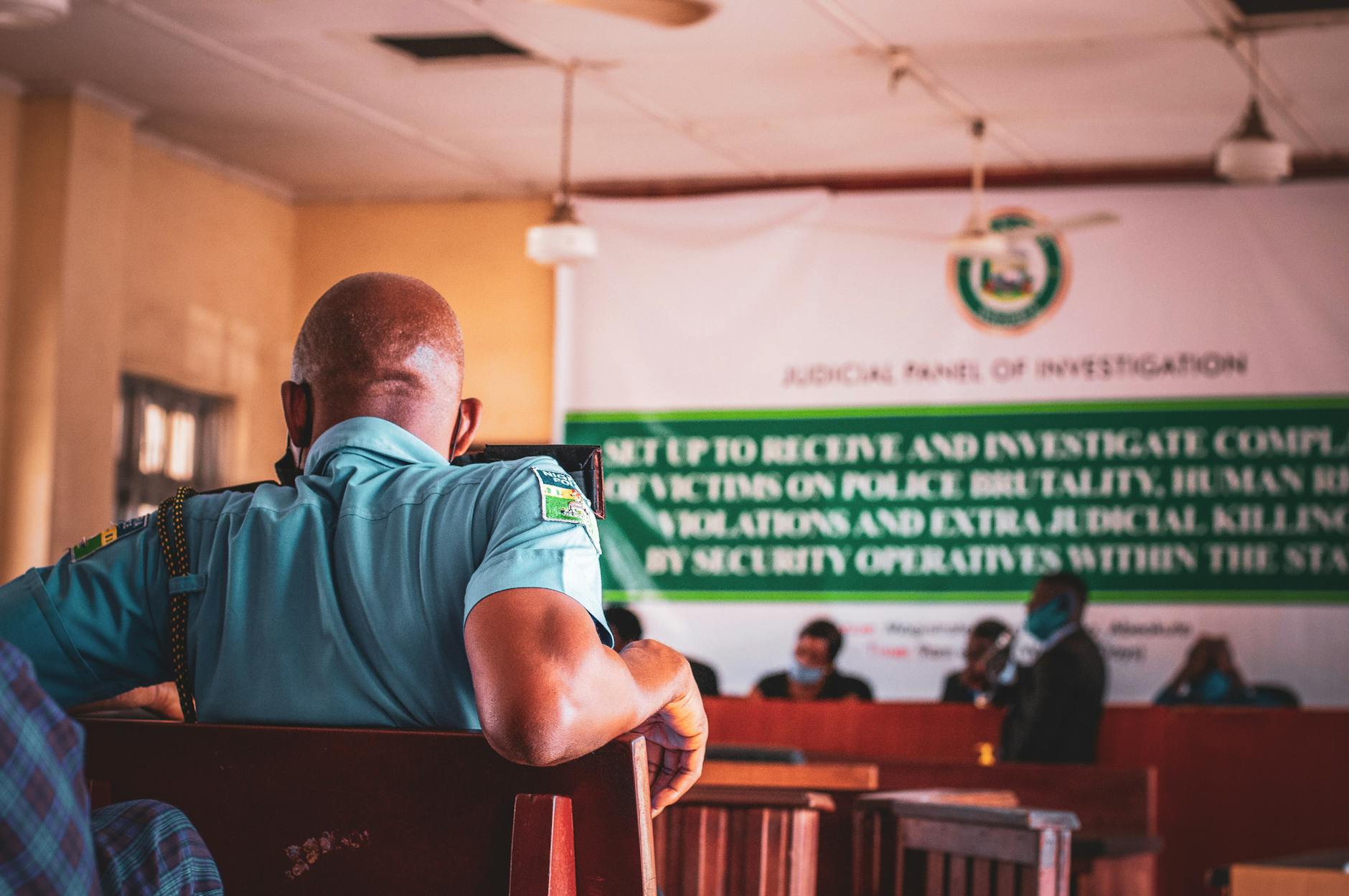
Ekurhuleni, South Africa, MMN Correspondent: The Ekurhuleni Metropolitan Municipality finds itself at a critical crossroads. A proposed 2026/2027 budget, set to be presented to the municipal council on Thursday, 11 June 2026, has already been rejected once. The initial draft failed to pass on 4 June 2026 after the Freedom Front Plus (VF Plus) cast a decisive vote against it. This moment marks a significant shift in the political landscape, raising questions about fiscal responsibility and the future of service delivery in one of South Africa’s most populous urban centers.
At the heart of the debate is a bold assumption: that residents can absorb substantial tariff increases while the local economy struggles. The original budget projected a 90% collection rate, a figure many experts consider optimistic given that unemployment in several townships exceeds 50%. Inflation continues to erode household purchasing power, and public services are already stretched thin. The proposed increases include an 11% rise in water tariffs, an 8.35% increase in sanitation fees, up to 9.01% for electricity, a 3.4% hike for refuse removal, and a 2% property rate increase. These numbers sit uncomfortably alongside the municipality’s own acknowledgment of poor economic growth, rising poverty, and mounting financial pressure on families.
Digging into the numbers reveals a system under strain. Employee-related costs consume over R14.2 billion, reflecting ongoing personnel expenses despite calls for efficiency. Bulk electricity procurement accounts for R24.36 billion, a heavy burden driven by national grid instability and Eskom’s debt crisis. Contracted services are budgeted at roughly R7.9 billion, while R6.54 billion is set aside for debt write-downs, signaling continued reliance on borrowing to cover operational gaps. These figures paint a picture of limited room for innovation or infrastructure reinvestment.
There is a glimmer of cautious optimism in one area: repair and maintenance spending is projected to rise to R4.66 billion. This allocation is welcomed as a step toward addressing long-standing infrastructure decay in roads, drainage systems, and water networks. Yet skepticism remains. Past budgets have promised better service delivery, only to deliver minimal change due to mismanagement and inefficiency. The question now is whether this increased funding will translate into tangible improvements or remain a line item on a spreadsheet.
The Freedom Front Plus has positioned itself as a voice of fiscal realism. The party argues that a budget must not only comply with constitutional requirements but also reflect affordability and genuine benefit to residents. “We cannot support a budget that demands more from people who are already struggling to meet their daily needs,” said Denise Janse van Rensburg, the party’s spokesperson. “A funded budget is not enough. It must be sustainable, equitable, and transparent.” This stance has resonated with voters across KwaZulu-Natal, where the party has seen a surge in support, signaling a growing appetite for alternatives to traditional parties perceived as out of touch.
Looking ahead, the local government elections on 4 November 2026 are shaping up to be a pivotal moment for Ekurhuleni. The ANC coalition faces internal fractures and mounting public dissatisfaction. The Freedom Front Plus is positioning itself as a credible alternative focused on reform, integrity, and resident-centered governance. Their message is clear: fiscal responsibility and improved service delivery go hand in hand, and voters deserve leaders who prioritize outcomes over political survival.
This situation in Ekurhuleni reflects a broader national challenge. Across South Africa, municipalities are grappling with declining revenue collection, escalating debt, and shrinking capacity to deliver basic services. According to Statistics South Africa, nearly 40% of local governments reported deficits in the 2024/2025 financial year, with many relying on short-term borrowing to stay afloat. The inability to balance budgets without imposing unsustainable burdens on citizens threatens social stability and undermines trust in democratic institutions.
As Ekurhuleni prepares to present its revised budget, the key question remains: will the ANC coalition revise its assumptions to reflect real-world economic constraints? Will it prioritize transparency and community consultation? Or will it push through a plan that risks deepening inequality and civic alienation? The debate is not just about numbers on a spreadsheet. It is about values, priorities, and the future of democracy in South Africa’s urban centers. The outcome of this fiscal showdown could set a precedent for how municipalities across the country navigate the complex intersection of fiscal discipline, social equity, and public trust.
With the next election just months away, the choice for Ekurhuleni residents is becoming increasingly clear: a government that listens, adapts, and delivers, or one that remains locked in outdated models of governance, disconnected from the people it claims to serve.
Related in Politics
Politics
Poland’s Political Crossroads: Why Konfederacja Is Pushing for a State Tribunal Trial Over Ukraine Policy
Poland’s political landscape is heating up as the far-right coalition Konfederacja demands that former Minister of Justice Paweł Kosiniak-Kamysza face a State Tribunal trial. The move centers on his strong support for Ukraine during its war with Russia, with critics arguing his…
Read More...
Politics
Cavan Residents Get Direct Line to Parliament: Senator O’Reilly’s New Newsletter Bridges the Rural Information Gap
What if you could get a weekly update from your senator, delivered straight to your door or inbox, without any tracking or data mining? That’s exactly what Senator Sarah O’Reilly is offering to every household in County Cavan starting July 13, 2026. The initiative, announced on…
Read More...
Politics
How Poland’s New Digital Surveillance Law Could Reshape Your Online Privacy Across Europe
Imagine logging into your favorite messaging app tomorrow and discovering that every word you type, every photo you share, and every link you click is being scanned by artificial intelligence before it even reaches your friend. That scenario is no longer hypothetical. It is now…
Read More...
Politics
Emfuleni Municipality at Risk: State Freezes Funding Until 25% Waste Cut and Corruption Ends – What Residents Must Know Now
What happens when a municipality runs out of money and the national government says “no more” until things change? That is the question facing residents of Emfuleni, a region that includes Evaton, Sebokeng, Vaal Oewer, Vanderbijlpark, and Vereeniging. On July 9, 2026, the Nation…
Read More...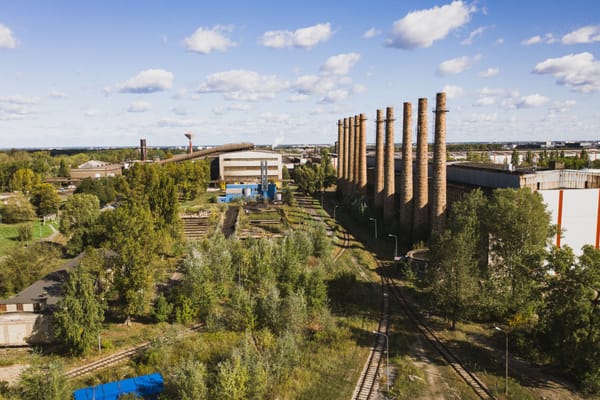
Politics
Volkswagen Faces 100,000 Job Cuts: Is Germany’s EV Dream Crumbling?
Deep in the heart of Germany’s industrial belt, a quiet storm is brewing. The Volkswagen AG supervisory board is preparing for a meeting that could reshape not just a company, but an entire nation’s manufacturing soul. Four German factories may close. Up to 100,000 jobs could va…
Read More...
Politics
Are Mandatory iPads in Irish Schools Worth the Cost? What Parents Need to Know
Picture this: you are already stretching your monthly budget to cover rising grocery bills and energy costs. Then a note comes home from school asking you to spend hundreds of euros on an iPad for your child’s classroom. For families across Ireland, this scenario is becoming inc…
Read More...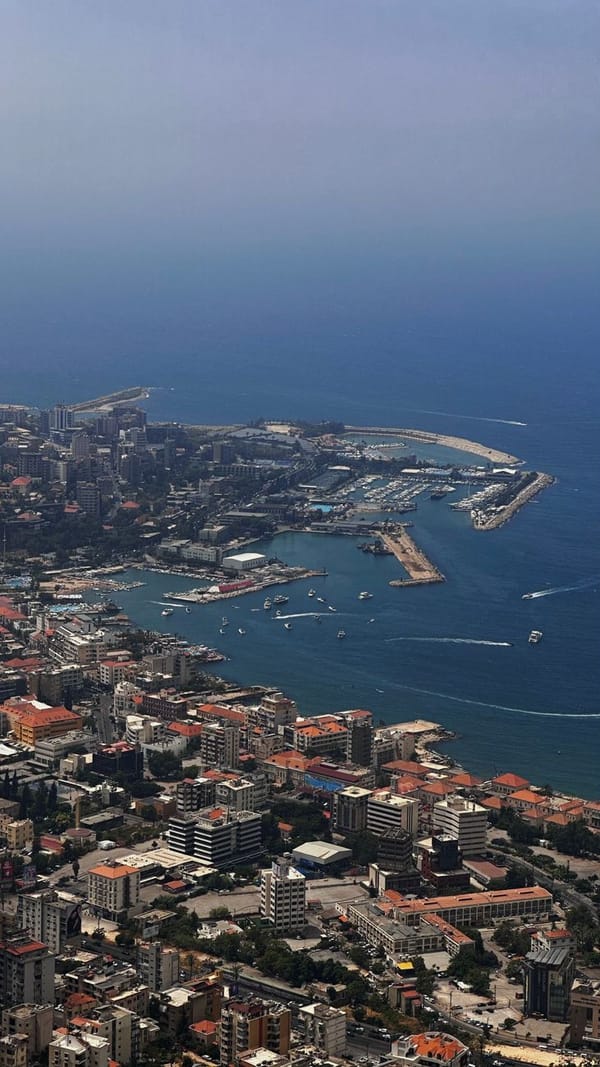
Politics
What the 2026 US Brokered Israel Lebanon Framework Agreement Means for the Middle East
In the summer of 2026, a diplomatic document signed in Washington, D.C., has set the Middle East ablaze with debate. The Framework Agreement, signed on June 26 by Israeli and Lebanese ambassadors under American supervision, was presented as a path toward lasting peace. Instead,…
Read More...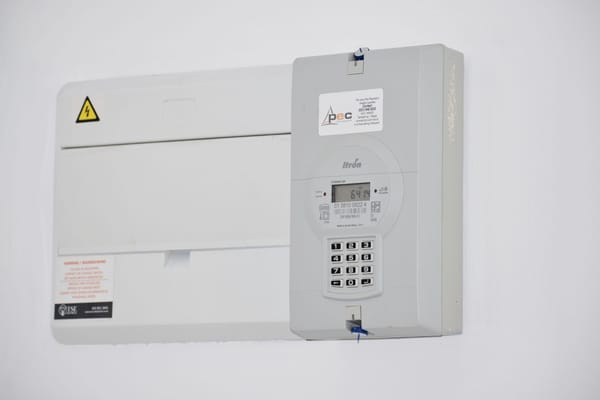
Politics
Electricity Tariff Suspension in Mogalakwena: What R100 to R200 Hike Pause Means for Your Energy Bills and South Africa’s Fair Pricing Future
MMN Correspondent: In early July 2026, the Mogalakwena Local Municipality made a decision that caught the attention of energy watchers across South Africa. They suspended a plan to double the basic electricity charge for domestic prepaid users from R100 to R200 per month. For a…
Read More...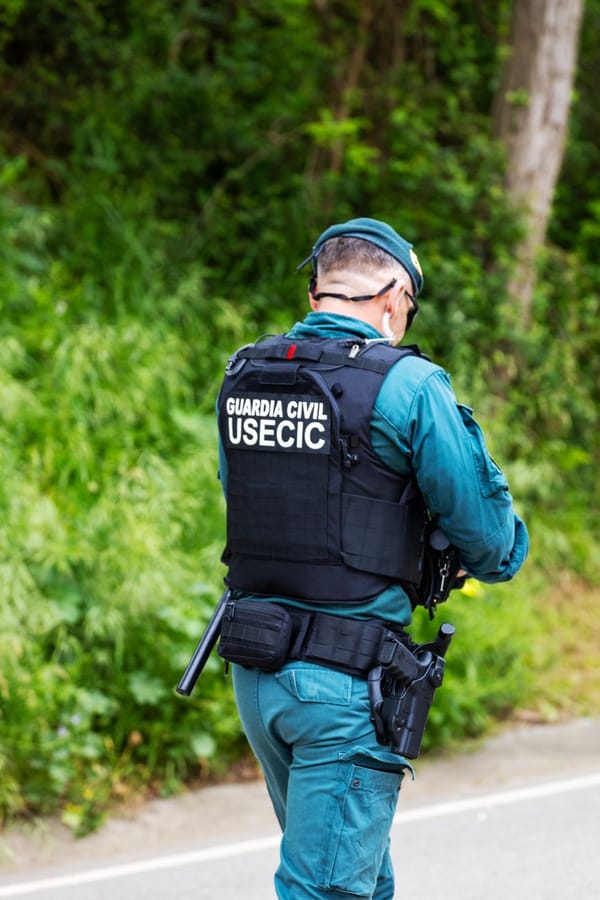
Politics
158 Gardaí Assaulted in Rural Ireland: What’s Behind the Rising Threat to Law Enforcement?
Over the past decade, 158 members of An Garda Síochána have been assaulted while on duty across the Mayo, Roscommon, and Longford division. That’s not just a number. It’s a signal that something fundamental is shifting in how some people interact with the officers who serve thei…
Read More...
Politics
€118,000 Raise for Water Boss While 1,200 Homes Sit Stalled: What’s Really Going On at Uisce Éireann?
Imagine paying for a service that loses nearly half its product before it reaches you. Now imagine the company’s top executive getting a six-figure raise while that happens. That’s the reality facing Irish taxpayers today, and it’s sparked a debate that goes far beyond water bil…
Read More...