
Europe’s Hottest Days Ever: 41.5°C in Germany, Glaciers Vanishing, and What This Means for Your Summer Plans
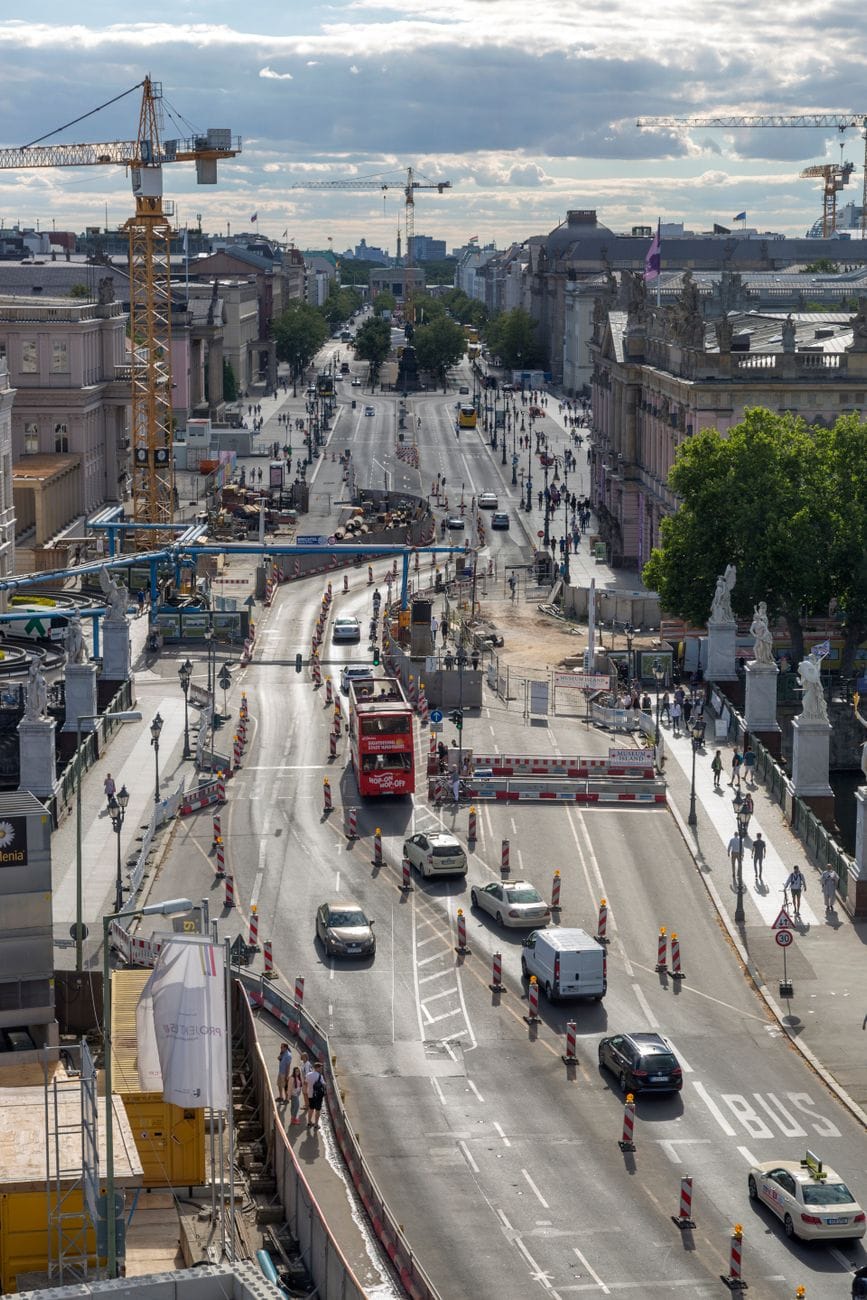
Berlin, Germany, MMN Correspondent: What happens when a continent designed for temperate weather suddenly faces temperatures that rival the Sahara? Europe is finding out right now, and the answers are rewriting everything we thought we knew about summer.
Germany just hit 41.5°C in Drewitz, Saxony-Anhalt. That’s not just hot. That’s a record that broke the previous record set only 24 hours earlier. And forecasters say the mercury could climb past 42°C by the weekend. Berlin itself recorded 39.2°C at Tempelhof station, its highest ever. Police have started using water cannons normally reserved for crowd control to cool down central districts like Brandenburg Gate and Potsdamer Platz. Public pools are overflowing. And tragically, five drownings have been linked to the heatwave across the UK, as more people seek relief in open water without proper safety measures.
Denmark just celebrated its hottest day since records began in 1874: 36.6°C north of Odense. Slovakia experienced its warmest night ever, with temperatures never dropping below 26.3°C. That kind of nighttime heat doesn’t just make sleep uncomfortable. It puts serious strain on the elderly, the young, and anyone with preexisting health conditions. Romania, Hungary, the Czech Republic, Moldova, and several Balkan nations have issued red alerts, warning that the extreme heat will persist through midweek.
But the most dramatic story might be unfolding high in the Alps. Swiss glaciers are melting at a pace that scientists describe as three months ahead of schedule. The Glamos monitoring program reports that all accumulated snow from winter will be gone by Monday. That’s the second-earliest “glacier loss day” on record, beaten only by June 26, 2022. Matthias Huss, a leading glaciologist, puts it plainly: “We’re just seeing enormous ablation.” This isn’t just about losing scenic ice. These glaciers supply freshwater to millions of people across Europe. Their rapid retreat accelerates sea-level rise and destabilizes mountain ecosystems.
Infrastructure is feeling the heat too. Eleven motorways in Germany have suffered heat damage, with concrete expanding and cracking. Images from the A2 autobahn near Wollin show roads warped beyond repair. Deutsche Bahn and regional rail operators are advising against non-essential travel. National Express suspended train services in North Rhine-Westphalia for six hours because rails and signaling systems overheated. At London Heathrow and Gatwick airports, over 700 flights were delayed as thunderstorms triggered by intense ground heating disrupted air traffic.
This heatwave isn’t a random weather event. Scientists confirm that the likelihood of such extreme nighttime temperatures has increased 100-fold in the past two decades due to greenhouse gas emissions. Italy, already grappling with prolonged drought, faces worsening agricultural losses and water shortages. In Venice, workers push handcarts loaded with bottled water through streets that are both rising with the sea and baking under the sun.
Yet amid the challenges, there are signs of adaptation and resilience. Climate activists in Berlin are planning a protest to push for faster transition away from fossil fuels. Cities are exploring urban cooling initiatives, green roofs, and reflective pavements. The conversation is shifting from “if” we need to adapt to “how fast” we can do it.
This heatwave is a clear signal. It’s not a distant threat. It’s happening now, and it’s accelerating. The question isn’t whether Europe can handle it. The question is: what will we learn from this moment to build a future that’s cooler, safer, and more prepared?
Related in Global Warming
Global Warming
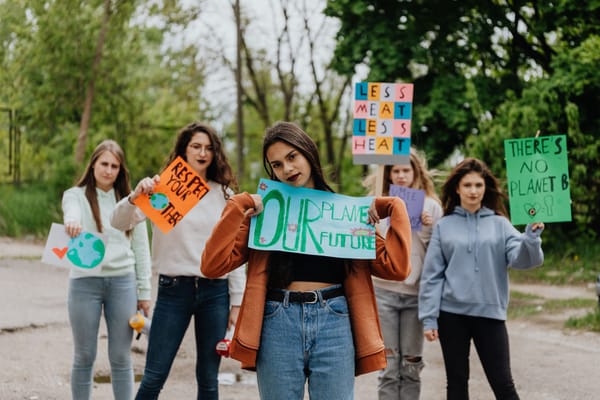
What’s Really Holding Back the $350 Million Climate Loss and Damage Fund? 180 Projects, $2.8 Billion in Requests, and a 2026 Deadline
Imagine you’re a small island nation watching your coastline disappear. Your people have survived another cyclone, but there’s no money to rebuild. You hear about a new global fund designed exactly for this moment. You apply. You wait. And then you learn the fund has only enough…
Read More...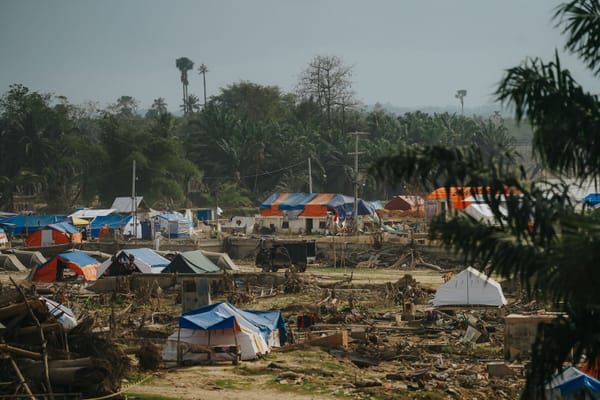
Global Warming
Climate Justice at a Crossroads: How $937 Billion in Annual Losses Demands a New Fund Model by 2027
Imagine a global fund designed to help the most vulnerable recover from climate disasters. It was created with hope and fanfare in 2022. Now, just a few years later, that fund is running on empty. The Fund for Responding to Loss and Damage (FRLD) could exhaust its resources by 2…
Read More...
Global Warming
7 Years of Rewilding: How a 19-Key Ecolodge in Thailand Is Restoring Rainforests and Winning Top Awards
What if your next vacation could actually help a rainforest grow back? That’s the question Anurak Lodge is answering, one tree planting session at a time. Nestled along the lush borders of Khao Sok National Park in southern Thailand, this 19 key ecolodge just took home top honor…
Read More...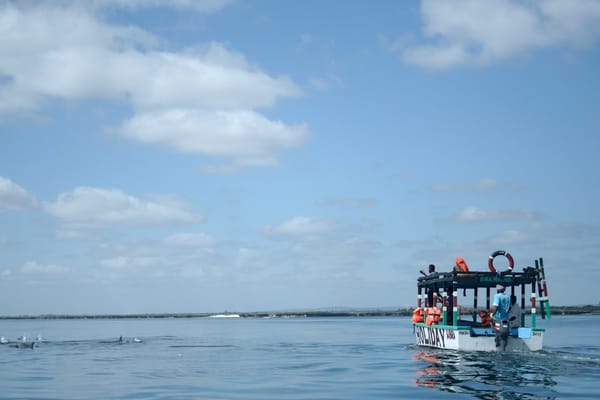
Global Warming
Coastal Communities Hold the Key to a $2.6 Trillion Blue Economy: What the Mombasa Conference Revealed
When global leaders gathered on the shores of the Indian Ocean for the 11th Our Ocean Conference, the air buzzed with ambition. Billions of dollars in new commitments were announced. Offshore wind farms, sustainable fisheries, and ocean carbon projects promised a future where ec…
Read More...
Global Warming
4 Ugandan Farmers vs. a 1,443 km Oil Pipeline: Can a London Court Stop It?
Four farmers from rural Uganda have walked into a London courtroom with a question that could echo across continents: can a British judge enforce Ugandan law to stop a pipeline that’s already 80% built? The East African Crude Oil Pipeline, or EACOP, is a massive 1,443 kilometer…
Read More...
Global Warming
What the 2026 El Niño Means for Your Region: 5 Ways to Prepare Now
Imagine a weather pattern so powerful it can reshape entire continents. That is exactly what scientists are tracking right now. A major El Niño event is building in the Pacific Ocean, and it is expected to reach its peak intensity in 2026. This is not just another seasonal shift…
Read More...
Global Warming
Over 25 Dead in U.S. Heatwave: What’s Driving the 100°F Crisis?
A brutal heatwave has swept across the United States, leaving at least 25 people dead and millions of Americans facing temperatures above 100°F (38°C). This isn’t just another hot summer day. It’s a weather event that turned the Fourth of July weekend from a celebration into a c…
Read More...
Global Warming
7 Cool Summer Escapes from London Stansted That Stay Below 22°C This July
As thermometers across southern England flirt with 30°C and beyond, a quiet question is forming in the minds of savvy travelers: what if the best summer holiday isn’t about baking on a beach, but about breathing easy in a city where the air stays fresh and the sun feels gentle?…
Read More...
Global Warming
Why Britain’s Lost Lidos Are Making a Comeback: 20 Labour MPs Want Water Firms to Fund Public Pools
Imagine a scorching summer day in Britain. The heat is relentless. You crave a cool escape, but the nearest public pool is miles away or closed for good. That’s the reality for millions today. But a growing movement of Labour MPs and policy experts is working to change that. The…
Read More...
Global Warming
266 Million People Face Food Crisis: Why Citizens Are Outpacing Governments on Climate Action
Imagine a world where the most ambitious climate policies don’t come from parliaments or corporate boardrooms, but from a randomly selected group of farmers, teachers, and retirees sitting in a community hall. That world is already here. While national governments struggle to tu…
Read More...