
Europe’s New Migration Rules Are Here: What the EU Pact Means for Borders, Asylum, and Your Future
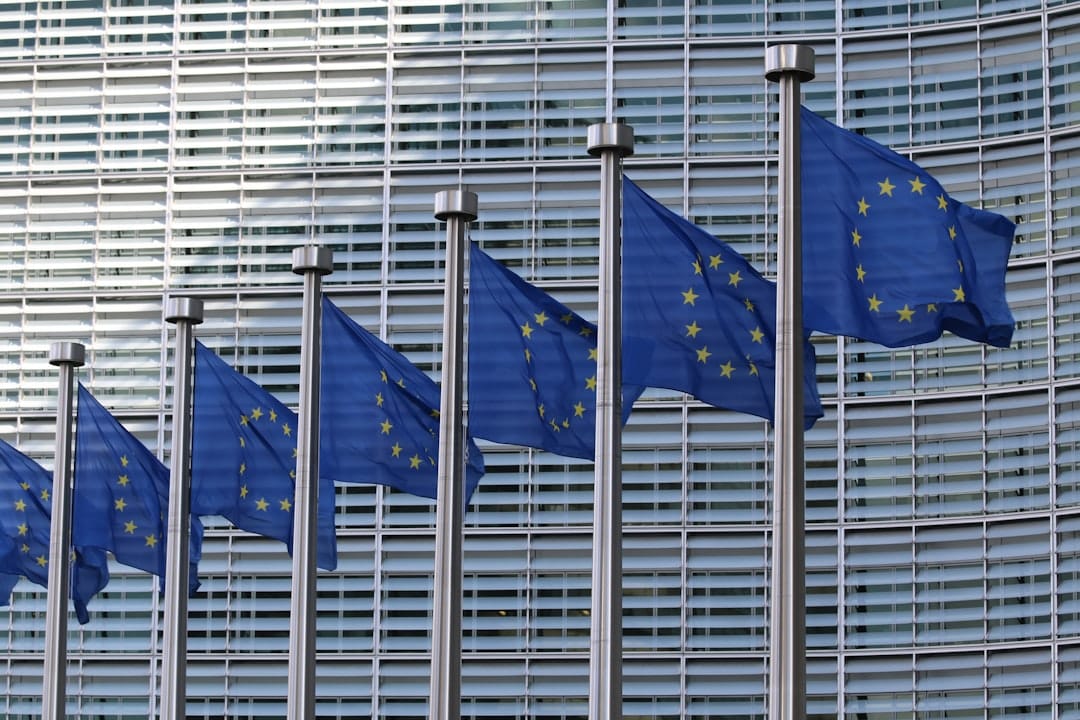
Brussels, Belgium, MMN Correspondent: The European Union’s long awaited migration pact has officially taken effect, and it’s already reshaping how the continent handles borders, asylum seekers, and the people caught in between. After years of heated negotiations, this isn’t just another policy update. It’s a complete overhaul of the system designed to manage one of the most complex issues of our time. So what exactly changes today, and why should you care?
At its heart, the pact introduces a unified framework for dealing with irregular migration. Think of it as a standard operating manual for all 27 member states. For the first time, there’s a common definition of who qualifies as an asylum seeker, a harmonized application process, and strict timelines for processing claims. No more patchwork of national rules that leave migrants in legal limbo for years. The goal is clarity and speed, but the real test will be whether countries actually follow through.
One of the most talked about features is the mandatory solidarity mechanism. When a country like Greece or Italy gets overwhelmed by arrivals, the EU can now activate a clause that requires other member states to accept a share of migrants based on their population and economic strength. This is designed to prevent frontline nations from bearing the entire burden alone. But here’s the catch: some Eastern European countries, including Poland and Hungary, have pushed back hard, arguing that this infringes on their right to decide who enters their territory. The legal battles are already brewing, and the outcome could define the pact’s future.
Then there are the new reception centers at external borders. These aren’t your typical holding facilities. Equipped with rapid screening technology, they’re meant to quickly separate legitimate asylum seekers from those who don’t qualify. The European Border and Coast Guard Agency now has expanded powers to deploy teams and resources within hours of a surge. The idea is to prevent dangerous sea crossings and cut off the business model of human smugglers. But critics worry about the conditions inside these centers and whether fundamental rights will be protected under pressure.
The pact also doubles down on cooperation with countries outside the EU. Member states can now sign bilateral deals with nations like Tunisia, Turkey, or Egypt to facilitate returns and boost border security. The EU has pledged more funding for development projects in regions like the Sahel, aiming to address the root causes of migration such as poverty and instability. It’s a pragmatic approach, but it raises questions: will these partnerships truly reduce migration flows, or simply shift the burden elsewhere?
For undocumented migrants already inside the EU, the rules are getting stricter. Identification, detention, and removal procedures are being streamlined to speed up returns. At the same time, the pact includes provisions for humanitarian protection and temporary permits for those who can’t go home due to conflict. It’s a balancing act between enforcement and compassion, and human rights groups say the scales still tip too far toward enforcement. They point to gaps in legal safeguards and the risk of people being sent back to dangerous situations.
Public opinion across Europe remains split. Supporters see the pact as a necessary step toward order and fairness, arguing that without coordinated action, migration pressures could fuel xenophobia and weaken democratic institutions. Opponents, particularly in Poland, Hungary, and Slovakia, frame it as a threat to national sovereignty. In Poland, the right wing Konfederacja coalition has been especially vocal, calling the pact part of a globalist agenda that undermines Polish identity. Despite the rhetoric, the Polish government has committed to compliance, though it continues to push for more flexibility.
The timing couldn’t be more critical. According to the UNHCR, over 120 million people were forcibly displaced worldwide in 2023, driven by conflicts in Ukraine, Sudan, Syria, and beyond. The war in Ukraine alone sent more than 6 million people into neighboring countries, many of whom found refuge in the EU. And as climate change intensifies droughts and floods, environmental migration is expected to become a major factor in the years ahead. The pact is Europe’s attempt to get ahead of these trends, but it’s a massive undertaking.
Looking forward, the real test will be in the details. Can the EU enforce its rules consistently across all member states? Will countries honor their solidarity obligations when the next crisis hits? And can the system adapt to unforeseen emergencies, like a sudden spike in arrivals from a new conflict zone? If the pact works, it could become a blueprint for other regions facing similar challenges. If it falters, it risks deepening divisions within the bloc and eroding trust in the European project.
For now, the migration pact stands as a symbol of what the EU can achieve when it acts together. It’s not a perfect solution, but it’s a structured attempt to confront one of the defining issues of the 21st century through cooperation rather than isolation. The next few months will reveal whether this vision can translate into real change for the millions of people whose lives are shaped by displacement, hope, and uncertainty.
Related in Politics
Politics
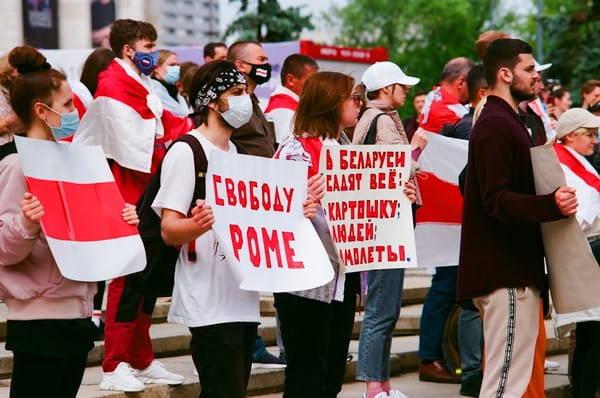
Poland’s Political Crossroads: Why Konfederacja Is Pushing for a State Tribunal Trial Over Ukraine Policy
Poland’s political landscape is heating up as the far-right coalition Konfederacja demands that former Minister of Justice Paweł Kosiniak-Kamysza face a State Tribunal trial. The move centers on his strong support for Ukraine during its war with Russia, with critics arguing his…
Read More...
Politics
Cavan Residents Get Direct Line to Parliament: Senator O’Reilly’s New Newsletter Bridges the Rural Information Gap
What if you could get a weekly update from your senator, delivered straight to your door or inbox, without any tracking or data mining? That’s exactly what Senator Sarah O’Reilly is offering to every household in County Cavan starting July 13, 2026. The initiative, announced on…
Read More...
Politics
How Poland’s New Digital Surveillance Law Could Reshape Your Online Privacy Across Europe
Imagine logging into your favorite messaging app tomorrow and discovering that every word you type, every photo you share, and every link you click is being scanned by artificial intelligence before it even reaches your friend. That scenario is no longer hypothetical. It is now…
Read More...
Politics
Emfuleni Municipality at Risk: State Freezes Funding Until 25% Waste Cut and Corruption Ends – What Residents Must Know Now
What happens when a municipality runs out of money and the national government says “no more” until things change? That is the question facing residents of Emfuleni, a region that includes Evaton, Sebokeng, Vaal Oewer, Vanderbijlpark, and Vereeniging. On July 9, 2026, the Nation…
Read More...
Politics
Volkswagen Faces 100,000 Job Cuts: Is Germany’s EV Dream Crumbling?
Deep in the heart of Germany’s industrial belt, a quiet storm is brewing. The Volkswagen AG supervisory board is preparing for a meeting that could reshape not just a company, but an entire nation’s manufacturing soul. Four German factories may close. Up to 100,000 jobs could va…
Read More...
Politics
Are Mandatory iPads in Irish Schools Worth the Cost? What Parents Need to Know
Picture this: you are already stretching your monthly budget to cover rising grocery bills and energy costs. Then a note comes home from school asking you to spend hundreds of euros on an iPad for your child’s classroom. For families across Ireland, this scenario is becoming inc…
Read More...
Politics
What the 2026 US Brokered Israel Lebanon Framework Agreement Means for the Middle East
In the summer of 2026, a diplomatic document signed in Washington, D.C., has set the Middle East ablaze with debate. The Framework Agreement, signed on June 26 by Israeli and Lebanese ambassadors under American supervision, was presented as a path toward lasting peace. Instead,…
Read More...
Politics
Electricity Tariff Suspension in Mogalakwena: What R100 to R200 Hike Pause Means for Your Energy Bills and South Africa’s Fair Pricing Future
MMN Correspondent: In early July 2026, the Mogalakwena Local Municipality made a decision that caught the attention of energy watchers across South Africa. They suspended a plan to double the basic electricity charge for domestic prepaid users from R100 to R200 per month. For a…
Read More...
Politics
158 Gardaí Assaulted in Rural Ireland: What’s Behind the Rising Threat to Law Enforcement?
Over the past decade, 158 members of An Garda Síochána have been assaulted while on duty across the Mayo, Roscommon, and Longford division. That’s not just a number. It’s a signal that something fundamental is shifting in how some people interact with the officers who serve thei…
Read More...
Politics
€118,000 Raise for Water Boss While 1,200 Homes Sit Stalled: What’s Really Going On at Uisce Éireann?
Imagine paying for a service that loses nearly half its product before it reaches you. Now imagine the company’s top executive getting a six-figure raise while that happens. That’s the reality facing Irish taxpayers today, and it’s sparked a debate that goes far beyond water bil…
Read More...