
Gauteng Schools in Crisis: 120+ Institutions Without Funding as Unpaid Subsidies Threaten Education Access
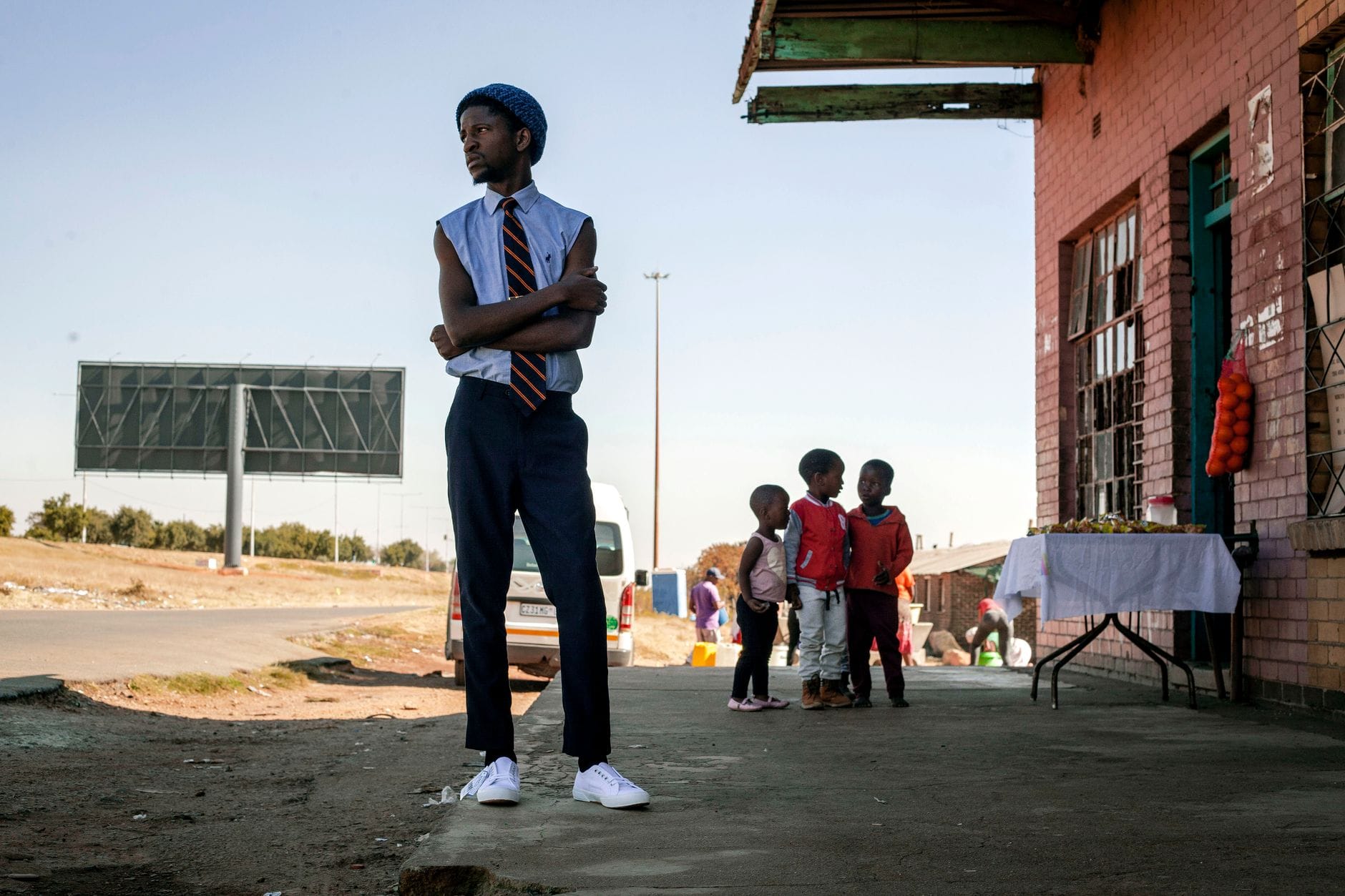
Gauteng Province, South Africa, MMN Correspondent: What happens when the money that keeps a school running simply stops coming? That is the question facing hundreds of public schools across Gauteng right now. As of June 2026, the Gauteng Education Department has failed to disburse the first installment of annual provincial subsidies for the 2026/27 academic year. For schools in quintiles 1 to 3, which serve historically disadvantaged communities, this funding is not a luxury. It pays for teacher salaries, textbooks, electricity, water, and basic maintenance. Without it, the doors may not stay open.
The first payment was due in May 2026. It never arrived. The next scheduled disbursement is not until November. That leaves a gap of nearly six months. School administrators and educators are now asking a difficult question: can we survive until then? For many, the answer is uncertain. Some schools have already started fundraising campaigns, reaching out to local communities and even using crowdfunding platforms to cover essentials. This is not how a public education system should operate.
Interestingly, the problem is not limited to low quintile schools. Even quintile 5 institutions, which typically receive additional support from parental contributions and municipal funding, are feeling the strain. This suggests something deeper is at play. The Gauteng Education Department receives roughly 45% of the provincial budget, the largest share of any department. Yet the money is not reaching the schools. The disconnect between budget allocation and actual delivery points to a systemic issue in how funds are managed and distributed.
Recent policy changes have added to the confusion. The department reduced subsidies for quintile 5 schools, framing it as a way to redirect resources to more vulnerable institutions. In theory, that sounds reasonable. In practice, it has created instability. Many quintile 5 schools had built their budgets around consistent state support. When that support was cut, they had to make tough choices: staff layoffs, program reductions, and delayed maintenance. Instead of improving equity, the move has left everyone uncertain about what comes next.
The ripple effects go beyond cash flow. Infrastructure projects have stalled. Over 80 new school construction projects are on hold due to lack of funding. Existing schools are coping with overcrowded classrooms, aging buildings, and missing facilities like science labs and libraries. A 2025 report from the South African Institute of Race Relations found that nearly 40% of public schools in Gauteng reported structural problems, including leaking roofs, broken plumbing, and unsafe electrical systems. These are not new issues. They are symptoms of a system that has been underfunded and under managed for years.
Teachers are feeling the pressure too. In some schools, educators have gone weeks without pay. Principals are trying to keep morale high while managing increasingly difficult conditions. It is a heavy burden. The Freedom Front Plus (VF Plus), an opposition party in Gauteng, has called the situation a national embarrassment. On June 23, 2026, Adv Anton Alberts issued a statement demanding an independent audit of the Education Department’s finances and a complete overhaul of its internal processes. He stressed that cost cutting should happen at central and district levels, not at the expense of schools that serve children directly.
The VF Plus has also launched a public hotline and digital portal for schools that have received partial or no subsidies. The goal is to collect real time data from affected institutions and use that information to push for action. So far, over 120 schools in Tshwane, Ekurhuleni, and Johannesburg have reported in. The data reveals clear regional disparities in how funds are distributed, raising further questions about fairness and oversight.
Experts point to several root causes. There is no digitized financial tracking system, making it hard to see where money goes once it leaves the department. Bureaucratic delays and inter departmental conflicts slow down approvals. And there are signs of misappropriation in some districts, though no formal investigations have been launched. Without transparency, it is difficult to know whether the problem is a lack of funds or a failure to manage them.
Education advocates are calling for structural reforms. One proposal is the creation of a dedicated School Funding Oversight Board with the power to audit expenditures, enforce payment timelines, and publish quarterly performance reports. Another idea is to integrate school level financial data into a centralized dashboard that parents, teachers, and oversight bodies can access. These are practical steps that could rebuild trust and ensure that money reaches its intended destination.
This crisis is not just a Gauteng problem. If left unaddressed, it could set a precedent for other provinces facing similar challenges. South Africa’s national education budget is under increasing pressure, and the need for transparency, accountability, and strategic resource allocation has never been more urgent. The 2026/27 academic year is still unfolding, and the future of thousands of learners hangs in the balance. The question now is whether the government will take decisive action rooted in integrity and fairness, or allow systemic neglect to continue undermining the nation’s most vital institution: public education.
Related in Politics
Politics
Poland’s Political Crossroads: Why Konfederacja Is Pushing for a State Tribunal Trial Over Ukraine Policy
Poland’s political landscape is heating up as the far-right coalition Konfederacja demands that former Minister of Justice Paweł Kosiniak-Kamysza face a State Tribunal trial. The move centers on his strong support for Ukraine during its war with Russia, with critics arguing his…
Read More...
Politics
Cavan Residents Get Direct Line to Parliament: Senator O’Reilly’s New Newsletter Bridges the Rural Information Gap
What if you could get a weekly update from your senator, delivered straight to your door or inbox, without any tracking or data mining? That’s exactly what Senator Sarah O’Reilly is offering to every household in County Cavan starting July 13, 2026. The initiative, announced on…
Read More...
Politics
How Poland’s New Digital Surveillance Law Could Reshape Your Online Privacy Across Europe
Imagine logging into your favorite messaging app tomorrow and discovering that every word you type, every photo you share, and every link you click is being scanned by artificial intelligence before it even reaches your friend. That scenario is no longer hypothetical. It is now…
Read More...
Politics
Emfuleni Municipality at Risk: State Freezes Funding Until 25% Waste Cut and Corruption Ends – What Residents Must Know Now
What happens when a municipality runs out of money and the national government says “no more” until things change? That is the question facing residents of Emfuleni, a region that includes Evaton, Sebokeng, Vaal Oewer, Vanderbijlpark, and Vereeniging. On July 9, 2026, the Nation…
Read More...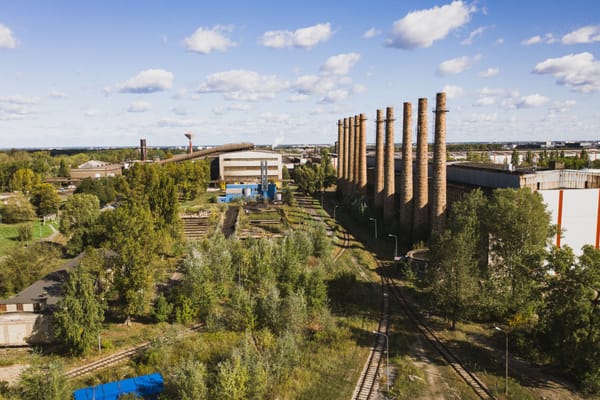
Politics
Volkswagen Faces 100,000 Job Cuts: Is Germany’s EV Dream Crumbling?
Deep in the heart of Germany’s industrial belt, a quiet storm is brewing. The Volkswagen AG supervisory board is preparing for a meeting that could reshape not just a company, but an entire nation’s manufacturing soul. Four German factories may close. Up to 100,000 jobs could va…
Read More...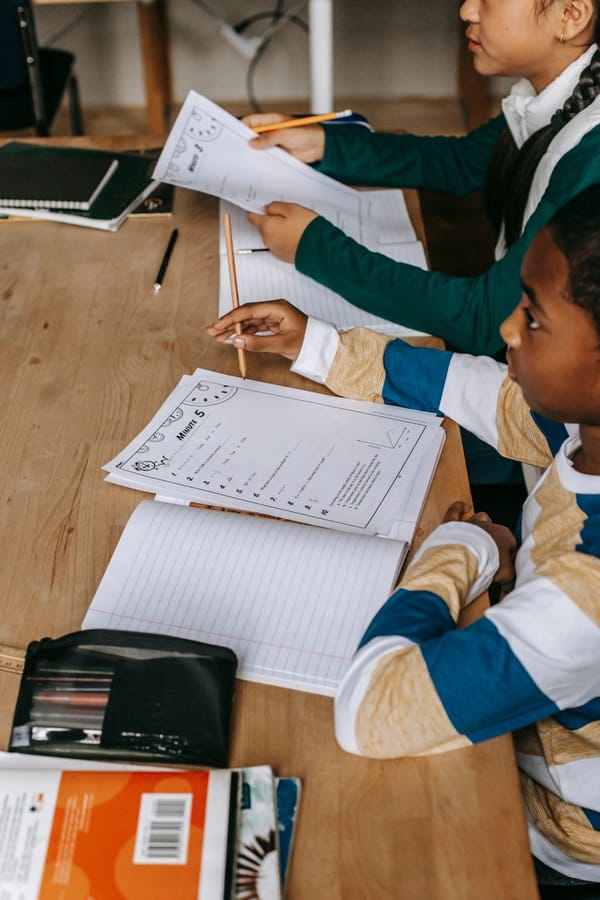
Politics
Are Mandatory iPads in Irish Schools Worth the Cost? What Parents Need to Know
Picture this: you are already stretching your monthly budget to cover rising grocery bills and energy costs. Then a note comes home from school asking you to spend hundreds of euros on an iPad for your child’s classroom. For families across Ireland, this scenario is becoming inc…
Read More...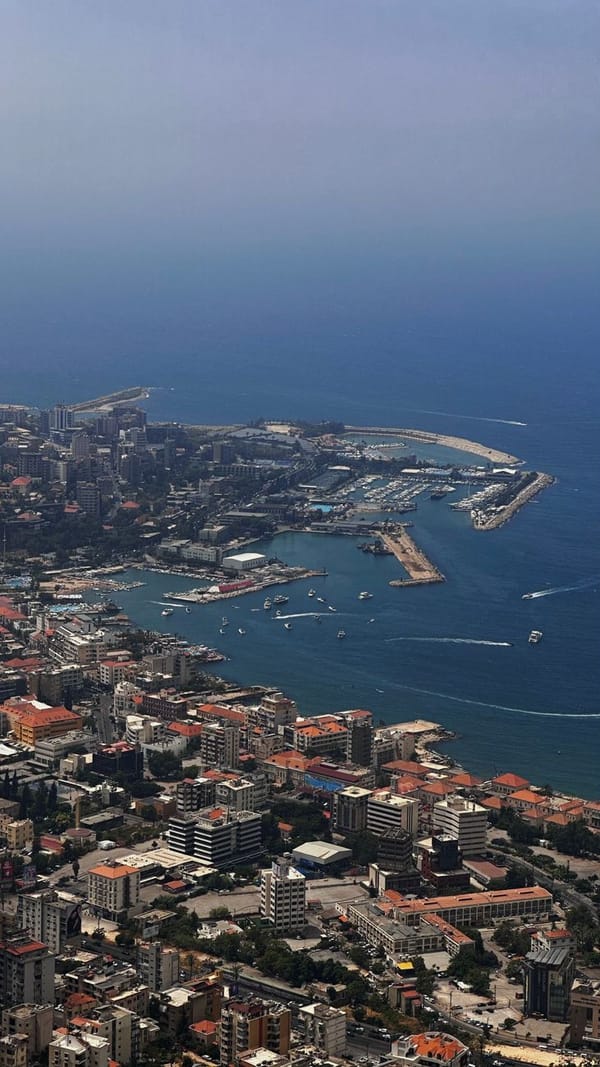
Politics
What the 2026 US Brokered Israel Lebanon Framework Agreement Means for the Middle East
In the summer of 2026, a diplomatic document signed in Washington, D.C., has set the Middle East ablaze with debate. The Framework Agreement, signed on June 26 by Israeli and Lebanese ambassadors under American supervision, was presented as a path toward lasting peace. Instead,…
Read More...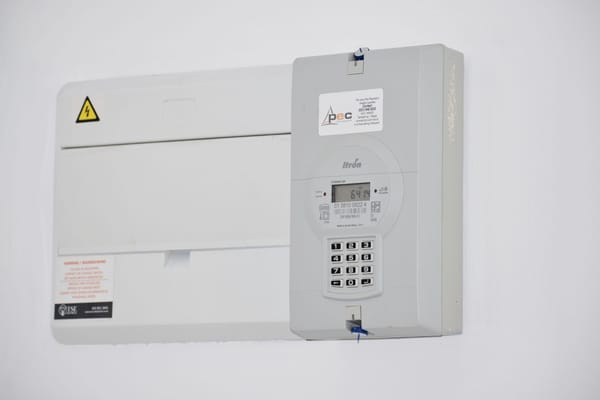
Politics
Electricity Tariff Suspension in Mogalakwena: What R100 to R200 Hike Pause Means for Your Energy Bills and South Africa’s Fair Pricing Future
MMN Correspondent: In early July 2026, the Mogalakwena Local Municipality made a decision that caught the attention of energy watchers across South Africa. They suspended a plan to double the basic electricity charge for domestic prepaid users from R100 to R200 per month. For a…
Read More...
Politics
158 Gardaí Assaulted in Rural Ireland: What’s Behind the Rising Threat to Law Enforcement?
Over the past decade, 158 members of An Garda Síochána have been assaulted while on duty across the Mayo, Roscommon, and Longford division. That’s not just a number. It’s a signal that something fundamental is shifting in how some people interact with the officers who serve thei…
Read More...
Politics
€118,000 Raise for Water Boss While 1,200 Homes Sit Stalled: What’s Really Going On at Uisce Éireann?
Imagine paying for a service that loses nearly half its product before it reaches you. Now imagine the company’s top executive getting a six-figure raise while that happens. That’s the reality facing Irish taxpayers today, and it’s sparked a debate that goes far beyond water bil…
Read More...