
Gauteng’s Farmland Is Disappearing Fast: 8,500 Hectares Lost in 13 Years – What This Means for Your Food Supply
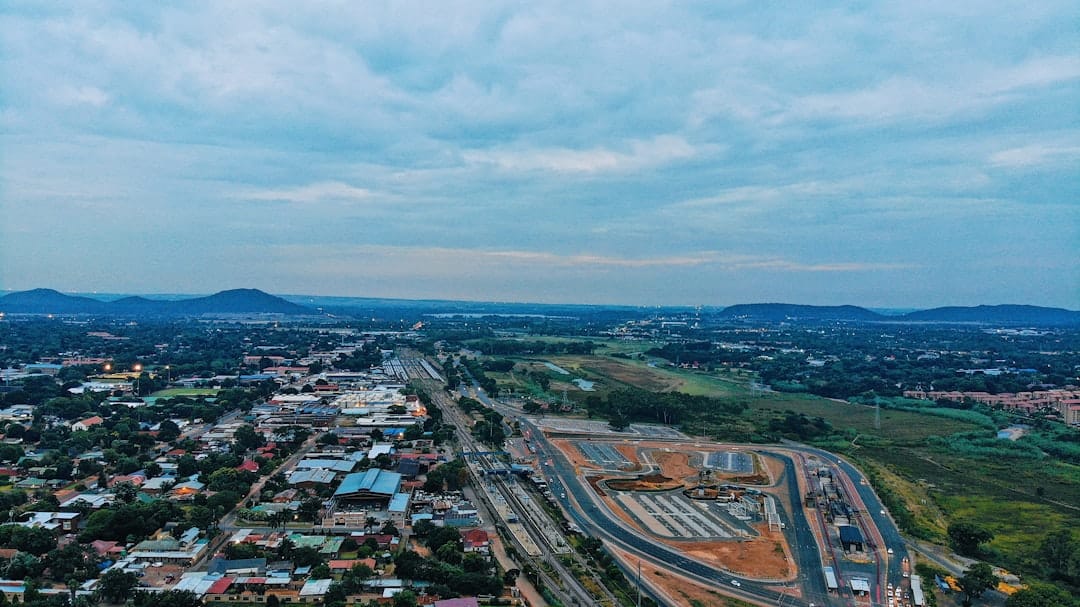
Johannesburg, Gauteng, South Africa, MMN Correspondent: Gauteng is South Africa’s smallest province by land area, yet it drives more than 30% of the country’s economy. Johannesburg, Tshwane, and the surrounding industrial hubs make this region the nation’s powerhouse. But here is a question worth asking: how much of that economic strength depends on what grows in the ground right under our feet?
During the recent debate on the Gauteng Department of Agriculture and Rural Development’s 2026/27 budget, the Freedom Front Plus (VF Plus) raised a point that deserves attention. The province’s fertile land is being converted into housing developments and commercial zones at a pace that alarms agricultural experts. Once that soil is paved over, it never comes back. The structure, the water retention, the biodiversity – all gone.
Let’s look at the numbers. A 2024 study by the Council for Scientific and Industrial Research (CSIR) found that between 2010 and 2023, Gauteng lost nearly 8,500 hectares of productive farmland. That is roughly 200 football fields every single year. To put it another way, if this trend continues, the province will have almost no local farmland left within a few decades.
Right now, Gauteng imports over 90% of its fresh vegetables and fruits from provinces like Limpopo, Mpumalanga, and the Western Cape. That means every tomato, every head of lettuce, and every apple on your plate travels hundreds of kilometers before reaching you. This creates higher prices, longer supply chains, and greater vulnerability to disruptions like fuel price spikes or extreme weather events.
But here is the interesting part. Gauteng was not always a net importer of food. In the early 20th century, areas like Pretoria East, Mabopane, and parts of the Vaal Triangle were known for dairy farming, vegetable cultivation, and small-scale livestock rearing. Today, only about 12% of the province’s land remains suitable for agriculture, and much of that is squeezed into peri-urban zones and protected corridors under constant threat from informal settlements, illegal dumping, and speculative real estate development.
Farmers in Gauteng face real challenges. Input costs for fertilizers, fuel, and machinery have risen sharply. Many smallholder farmers report that their operational expenses now exceed their income. Infrastructure is aging – outdated irrigation systems, poor road networks, and unreliable electricity make farming inefficient. Water insecurity adds another layer. The Vaal River system, which supplies both municipal and agricultural needs, is under pressure from pollution and over-extraction. Climate projections suggest more erratic rainfall, which could mean both floods and dry spells in the same season.
Livestock farming is not immune either. Recent outbreaks of foot-and-mouth disease in the northern parts of the province led to movement bans and the culling of thousands of animals. These events highlight the need for better biosecurity and disease surveillance systems. Without them, future outbreaks could disrupt rural livelihoods and affect national food safety standards.
Government programs exist to support agriculture, but their impact is often short-lived. A recent initiative to establish community gardens in townships saw hundreds of plots started, but fewer than 30% remained operational after one year. The reason? Lack of maintenance, training, and ongoing funding. The focus tends to be on launching projects rather than ensuring they last.
The Freedom Front Plus argues that agriculture should be treated as a strategic economic asset, not just a social development tool. With the right investments in high-potential agricultural zones, better access to credit and markets, and stronger extension services, Gauteng’s farming sector could become a driver of inclusive growth. Even small-scale urban farms using vertical gardening and hydroponics could make a meaningful contribution to local food security.
There are already examples of what works. In Soweto, the Thokoza Community Garden project produces over 10 tons of vegetables annually, employs local residents, and supplies schools and clinics. The City of Tshwane’s AgriHub initiative provides training, tools, and market linkages to young farmers, resulting in a 40% increase in farm productivity among participants.
Experts recommend a multi-pronged approach: establish a provincial Agricultural Land Reserve to legally protect high-value farmland, integrate agriculture into urban planning through green belts and zoning laws, incentivize agro-industrial parks, and expand digital platforms for farmer-to-consumer sales.
The stakes are clear. As climate change intensifies and global food systems face instability, self-reliance in food production becomes essential. Gauteng, as the economic engine of South Africa, has both the responsibility and the opportunity to lead by example. By protecting its remaining farmland, modernizing farming practices, and empowering farmers with real support, the province can reduce its reliance on other regions, create thousands of jobs, and build a more resilient food system.
As the 2026 Local Government Elections approach, stakeholders are urging policymakers to prioritize agriculture not as a footnote, but as a cornerstone of sustainable development. The future of Gauteng’s food security – and its economy – depends on it.
Related in Politics
Politics
Poland’s Political Crossroads: Why Konfederacja Is Pushing for a State Tribunal Trial Over Ukraine Policy
Poland’s political landscape is heating up as the far-right coalition Konfederacja demands that former Minister of Justice Paweł Kosiniak-Kamysza face a State Tribunal trial. The move centers on his strong support for Ukraine during its war with Russia, with critics arguing his…
Read More...
Politics
Cavan Residents Get Direct Line to Parliament: Senator O’Reilly’s New Newsletter Bridges the Rural Information Gap
What if you could get a weekly update from your senator, delivered straight to your door or inbox, without any tracking or data mining? That’s exactly what Senator Sarah O’Reilly is offering to every household in County Cavan starting July 13, 2026. The initiative, announced on…
Read More...
Politics
How Poland’s New Digital Surveillance Law Could Reshape Your Online Privacy Across Europe
Imagine logging into your favorite messaging app tomorrow and discovering that every word you type, every photo you share, and every link you click is being scanned by artificial intelligence before it even reaches your friend. That scenario is no longer hypothetical. It is now…
Read More...
Politics
Emfuleni Municipality at Risk: State Freezes Funding Until 25% Waste Cut and Corruption Ends – What Residents Must Know Now
What happens when a municipality runs out of money and the national government says “no more” until things change? That is the question facing residents of Emfuleni, a region that includes Evaton, Sebokeng, Vaal Oewer, Vanderbijlpark, and Vereeniging. On July 9, 2026, the Nation…
Read More...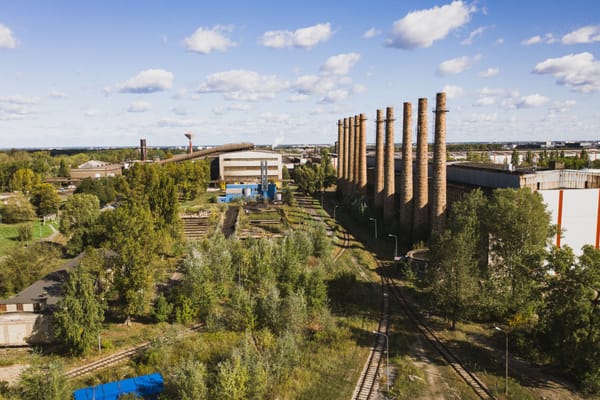
Politics
Volkswagen Faces 100,000 Job Cuts: Is Germany’s EV Dream Crumbling?
Deep in the heart of Germany’s industrial belt, a quiet storm is brewing. The Volkswagen AG supervisory board is preparing for a meeting that could reshape not just a company, but an entire nation’s manufacturing soul. Four German factories may close. Up to 100,000 jobs could va…
Read More...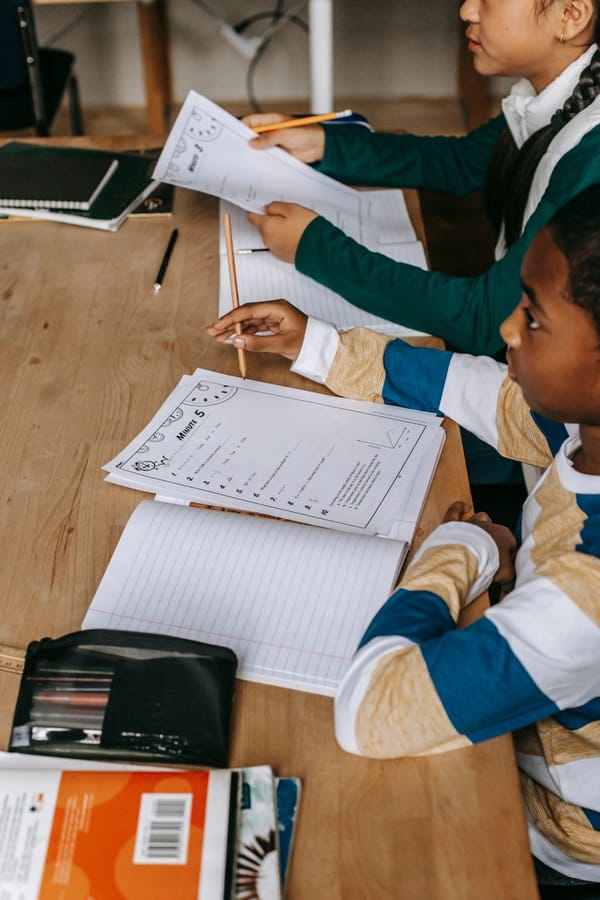
Politics
Are Mandatory iPads in Irish Schools Worth the Cost? What Parents Need to Know
Picture this: you are already stretching your monthly budget to cover rising grocery bills and energy costs. Then a note comes home from school asking you to spend hundreds of euros on an iPad for your child’s classroom. For families across Ireland, this scenario is becoming inc…
Read More...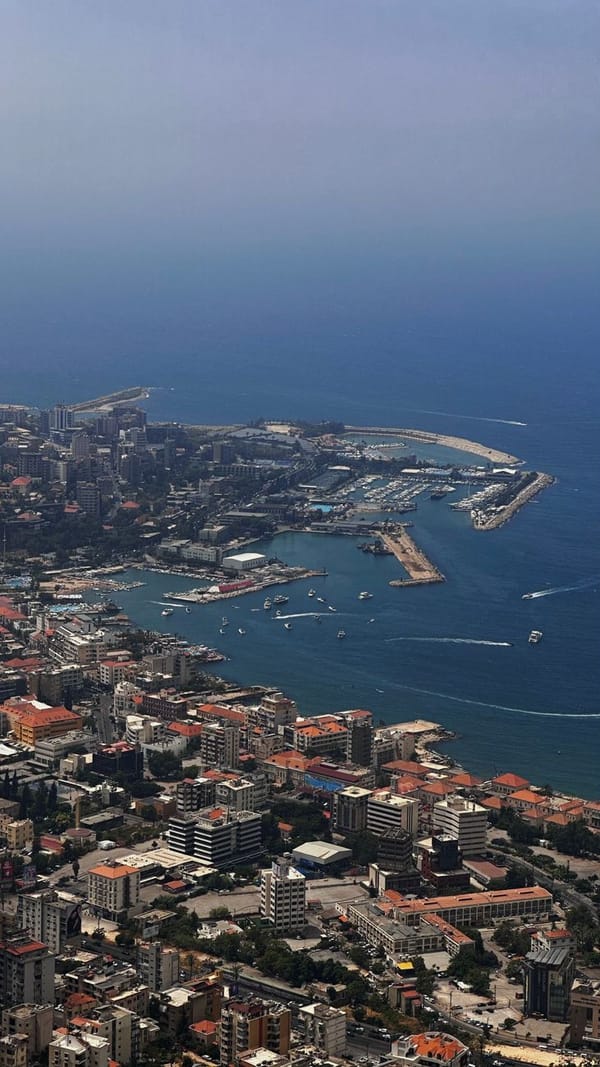
Politics
What the 2026 US Brokered Israel Lebanon Framework Agreement Means for the Middle East
In the summer of 2026, a diplomatic document signed in Washington, D.C., has set the Middle East ablaze with debate. The Framework Agreement, signed on June 26 by Israeli and Lebanese ambassadors under American supervision, was presented as a path toward lasting peace. Instead,…
Read More...
Politics
Electricity Tariff Suspension in Mogalakwena: What R100 to R200 Hike Pause Means for Your Energy Bills and South Africa’s Fair Pricing Future
MMN Correspondent: In early July 2026, the Mogalakwena Local Municipality made a decision that caught the attention of energy watchers across South Africa. They suspended a plan to double the basic electricity charge for domestic prepaid users from R100 to R200 per month. For a…
Read More...
Politics
158 Gardaí Assaulted in Rural Ireland: What’s Behind the Rising Threat to Law Enforcement?
Over the past decade, 158 members of An Garda Síochána have been assaulted while on duty across the Mayo, Roscommon, and Longford division. That’s not just a number. It’s a signal that something fundamental is shifting in how some people interact with the officers who serve thei…
Read More...
Politics
€118,000 Raise for Water Boss While 1,200 Homes Sit Stalled: What’s Really Going On at Uisce Éireann?
Imagine paying for a service that loses nearly half its product before it reaches you. Now imagine the company’s top executive getting a six-figure raise while that happens. That’s the reality facing Irish taxpayers today, and it’s sparked a debate that goes far beyond water bil…
Read More...