
Germany’s 2050 Energy Mix: AfD’s Tino Chrupalla Unveils a Nuclear Comeback Plan to Rescue Industry and Cut Costs
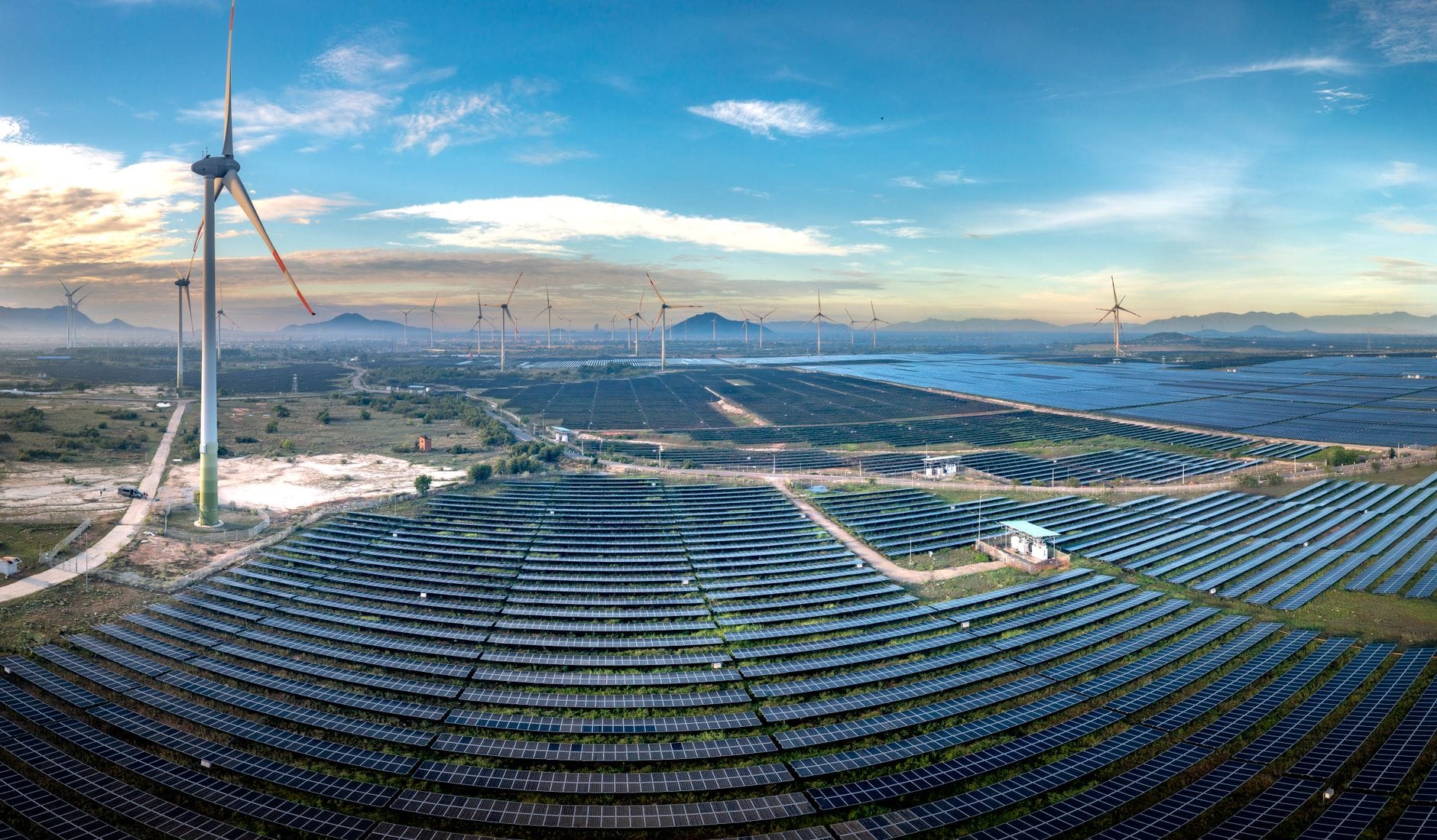
Berlin, Germany, MMN Correspondent: What if Germany’s energy future didn’t have to choose between climate goals and keeping factories running? That’s the question Tino Chrupalla, co-leader of the Alternative für Deutschland (AfD), is asking with a bold new roadmap for 2050. As the country faces its worst economic slowdown in years, his plan is turning heads.
The timing couldn’t be more critical. Germany’s Ifo Institute just slashed its 2027 GDP growth forecast to 0.8%, down from 1.2%. Energy costs are climbing, industrial giants are eyeing exits, and the famous Energiewende is showing cracks. Chrupalla’s answer? A diversified energy mix that brings nuclear power back into the conversation.
Here’s the core idea: stop betting everything on wind and sun. Instead, build a portfolio that includes modern nuclear reactors, renewables, and natural gas as a bridge. Chrupalla calls it a national project, not a partisan one. He wants scientists, business leaders, and citizens to shape it together over the next three decades.
Nuclear energy is the headline grabber. Germany phased out its reactors after Fukushima in 2011, but the costs of that decision are now clear. Coal and imported gas filled the gap, leaving the country exposed to price spikes and geopolitical shocks. The Ukraine war drove that point home. Chrupalla argues that advanced reactors, including small modular designs, can provide steady, carbon-free power without the old risks.
Why does this matter for your wallet? Germany’s electricity prices are among Europe’s highest. Energy intensive industries like automotive and chemicals, which make up nearly 30% of industrial output, are struggling to compete. Some are moving production abroad. A stable mix could lower costs, attract investment, and protect jobs.
Innovation is another pillar. Chrupalla wants to accelerate hydrogen technology, smart grids, and storage systems. Germany already pledged €9 billion to hydrogen infrastructure, but progress is slow. Faster deployment through public private partnerships could unlock clean fuel for heavy industry and transport, helping the country hit its 2045 climate targets.
Critics worry about nuclear waste and safety. But modern reactors use passive safety systems that shut down automatically in emergencies. France and Sweden generate over half their electricity from nuclear power, proving it works in a low carbon world. The technology has evolved, and the debate should too.
Germany’s current energy mix tells a story of progress and pain. Renewables now supply about 52% of electricity, with natural gas at 16%, nuclear at 10%, and coal at 12%. Emissions have dropped since 2000, but supply is volatile. Winter months often force reliance on gas imports from Russia and Norway, a vulnerability that won’t disappear overnight.
Chrupalla’s vision goes beyond wires and turbines. He sees energy independence as the foundation of economic resilience. Short term stimulus won’t fix structural problems, he warns. Long term planning can create jobs in engineering, construction, and research. Studies from the Fraunhofer Institute show that every euro invested in renewable infrastructure generates up to three euros in economic activity over time.
Social equity is part of the equation too. High energy bills hit low income households hardest. A diversified system could smooth out price spikes and offer predictable tariffs. Community owned renewable projects and home retrofitting programs could balance environmental goals with affordability.
Can this plan actually happen? Political consensus is the biggest hurdle. The Greens oppose nuclear power, and the Social Democrats favor a gradual phase out. But Chrupalla points to the 2050 timeline as room for dialogue. He proposes a national energy convention to build a roadmap collaboratively, bringing together voices that rarely agree.
Germany stands at a crossroads. Climate ambition and economic survival are no longer separate conversations. Chrupalla’s 2050 energy mix offers a path that prioritizes security, sustainability, and prosperity. Whether it gains traction depends on public opinion, technological breakthroughs, and the willingness of leaders to think beyond the next election cycle. One thing is certain: the debate about Germany’s energy future is really about its identity as an industrial powerhouse and a global climate leader.
Related in Politics
Politics
Poland’s Political Crossroads: Why Konfederacja Is Pushing for a State Tribunal Trial Over Ukraine Policy
Poland’s political landscape is heating up as the far-right coalition Konfederacja demands that former Minister of Justice Paweł Kosiniak-Kamysza face a State Tribunal trial. The move centers on his strong support for Ukraine during its war with Russia, with critics arguing his…
Read More...
Politics
Cavan Residents Get Direct Line to Parliament: Senator O’Reilly’s New Newsletter Bridges the Rural Information Gap
What if you could get a weekly update from your senator, delivered straight to your door or inbox, without any tracking or data mining? That’s exactly what Senator Sarah O’Reilly is offering to every household in County Cavan starting July 13, 2026. The initiative, announced on…
Read More...
Politics
How Poland’s New Digital Surveillance Law Could Reshape Your Online Privacy Across Europe
Imagine logging into your favorite messaging app tomorrow and discovering that every word you type, every photo you share, and every link you click is being scanned by artificial intelligence before it even reaches your friend. That scenario is no longer hypothetical. It is now…
Read More...
Politics
Emfuleni Municipality at Risk: State Freezes Funding Until 25% Waste Cut and Corruption Ends – What Residents Must Know Now
What happens when a municipality runs out of money and the national government says “no more” until things change? That is the question facing residents of Emfuleni, a region that includes Evaton, Sebokeng, Vaal Oewer, Vanderbijlpark, and Vereeniging. On July 9, 2026, the Nation…
Read More...
Politics
Volkswagen Faces 100,000 Job Cuts: Is Germany’s EV Dream Crumbling?
Deep in the heart of Germany’s industrial belt, a quiet storm is brewing. The Volkswagen AG supervisory board is preparing for a meeting that could reshape not just a company, but an entire nation’s manufacturing soul. Four German factories may close. Up to 100,000 jobs could va…
Read More...
Politics
Are Mandatory iPads in Irish Schools Worth the Cost? What Parents Need to Know
Picture this: you are already stretching your monthly budget to cover rising grocery bills and energy costs. Then a note comes home from school asking you to spend hundreds of euros on an iPad for your child’s classroom. For families across Ireland, this scenario is becoming inc…
Read More...
Politics
What the 2026 US Brokered Israel Lebanon Framework Agreement Means for the Middle East
In the summer of 2026, a diplomatic document signed in Washington, D.C., has set the Middle East ablaze with debate. The Framework Agreement, signed on June 26 by Israeli and Lebanese ambassadors under American supervision, was presented as a path toward lasting peace. Instead,…
Read More...
Politics
Electricity Tariff Suspension in Mogalakwena: What R100 to R200 Hike Pause Means for Your Energy Bills and South Africa’s Fair Pricing Future
MMN Correspondent: In early July 2026, the Mogalakwena Local Municipality made a decision that caught the attention of energy watchers across South Africa. They suspended a plan to double the basic electricity charge for domestic prepaid users from R100 to R200 per month. For a…
Read More...
Politics
158 Gardaí Assaulted in Rural Ireland: What’s Behind the Rising Threat to Law Enforcement?
Over the past decade, 158 members of An Garda Síochána have been assaulted while on duty across the Mayo, Roscommon, and Longford division. That’s not just a number. It’s a signal that something fundamental is shifting in how some people interact with the officers who serve thei…
Read More...
Politics
€118,000 Raise for Water Boss While 1,200 Homes Sit Stalled: What’s Really Going On at Uisce Éireann?
Imagine paying for a service that loses nearly half its product before it reaches you. Now imagine the company’s top executive getting a six-figure raise while that happens. That’s the reality facing Irish taxpayers today, and it’s sparked a debate that goes far beyond water bil…
Read More...