
Germany’s Industrial Exodus: 300,000 Jobs Lost in 18 Months – What Comes Next?
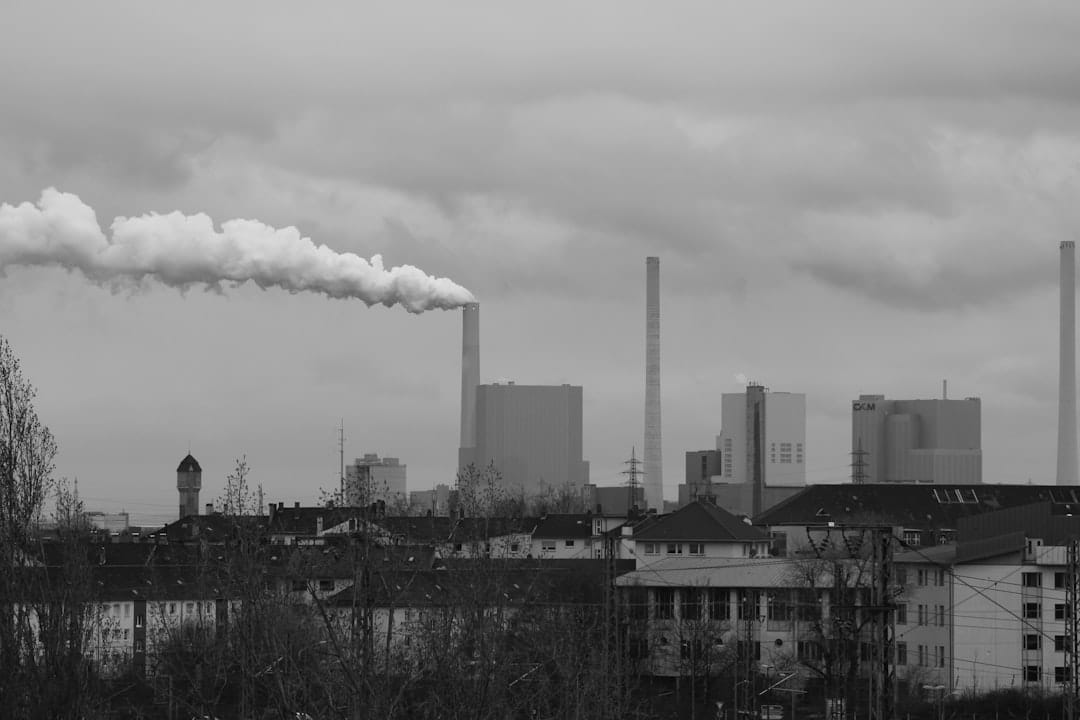
Berlin, Germany, MMN Correspondent: Picture this: a country that once defined global manufacturing is now watching its factories empty out at a pace not seen in decades. Germany, the engine of Europe, is facing a moment of truth. Since early 2025, roughly 10,000 industrial jobs have vanished every single month. That adds up to over 300,000 positions in just a year and a half. But here’s the question that keeps economists up at night: is this a temporary stumble or the beginning of something much bigger?
Udo Dinglreiter, who leads Gesamtmetall, the country’s largest employer association for metal and electrical industries, recently described the mood inside German factories as something beyond worry. He used the word “catastrophic” not for drama but because the numbers back it up. Entire sectors, from automotive giants to precision engineering shops, are packing up and moving east. Poland, Hungary, and even parts of North America are rolling out the welcome mat with lower energy prices and simpler rules. Meanwhile, Germany’s industrial electricity rates have climbed past €0.40 per kilowatt-hour, nearly double the EU average. That’s not just a line item on a spreadsheet. It’s a dealbreaker for companies trying to plan five or ten years ahead.
What’s driving this shift? It’s not one thing. It’s a pile of things. Energy costs are high because the country phased out nuclear power and bet heavily on renewables without building enough grid storage to handle the ups and downs. So manufacturers face unpredictable supply and volatile bills. On top of that, taxes and regulatory costs have jumped more than 18% since 2020. Corporate income taxes, social security contributions, environmental levies – they all add up. Small and medium sized enterprises, the backbone of German industry, are feeling the squeeze most. Data from the Federal Statistical Office shows insolvency rates among these firms rose 37% in the first half of 2026 compared to the same period last year. Regions like Saxony, Baden-Württemberg, and Bavaria are seeing business closures spread like a slow moving wave.
Alice Weidel, co-leader of the Alternative für Deutschland, didn’t hold back in a June 9 statement. She pointed out that despite promises of an economic turnaround from Chancellor Friedrich Merz’s coalition, nothing concrete has changed. “This is not a cyclical slump,” she said. “It is a deliberate dismantling of Germany’s industrial competitiveness through misguided environmental policies, excessive taxation, and bureaucratic inertia.” When the head of Gesamtmetall warns of a loss of economic substance worse than the 2008 financial crisis and the pandemic combined, that’s a signal worth paying attention to.
The human side of this story is unfolding in places like the Ruhr region, once the heart of Germany’s coal and steel industry. Since 2023, over 120 factories have shut down there. Workers talk about dwindling job prospects and wages that barely budge. Youth unemployment in industrial zones has hit 22%, raising questions about what happens to a generation that grew up expecting stability. Trade unions and chambers of commerce are sounding alarms, but the machinery of government moves slowly.
Look across the border and the contrast is sharp. Poland and Hungary have introduced targeted incentives: tax holidays, subsidized energy, faster permitting. German firms are taking notice. In early 2026, BMW announced plans to expand its electric vehicle plant in Hungary, citing lower operating costs and quicker approvals. The European Union’s Green Deal, while aiming for a cleaner future, has added compliance costs that make German exports pricier on global markets. The carbon border adjustment mechanism, meant to level the playing field, has been delayed, leaving German manufacturers stuck with higher expenses today.
Independent think tanks project that without intervention, Germany could lose up to 450,000 industrial jobs by 2028. GDP growth for 2026 has been revised down to just 0.3%, far below the government’s 1.5% target. The Ifo Business Climate Index has dropped to its lowest since 2013. Consumer confidence is shaky. Yet within this challenge lies an opportunity for reinvention.
The AfD has proposed a three part plan: cut energy costs, deregulate business operations, and provide fiscal relief for manufacturers. Ideas include bringing nuclear power back online, pausing new environmental rules for existing industries, and capping corporate tax increases at 2% annually. They also suggest a national industrial revitalization fund to support retraining and bring production back home. Whether these ideas gain traction depends on the political will to act before the window closes.
Experts warn that Germany’s leadership in advanced fields like robotics, green hydrogen, and battery production is at risk. If the manufacturing base erodes further, the country could shift from a diversified high value economy to one leaning heavily on services and imports. That would reshape not just the economy but the social fabric built on decades of industrial prosperity.
The next few months will tell us a lot. Can Germany adapt fast enough to keep its edge? Or is the transformation already underway, whether policymakers are ready or not?
Related in Politics
Politics
Poland’s Political Crossroads: Why Konfederacja Is Pushing for a State Tribunal Trial Over Ukraine Policy
Poland’s political landscape is heating up as the far-right coalition Konfederacja demands that former Minister of Justice Paweł Kosiniak-Kamysza face a State Tribunal trial. The move centers on his strong support for Ukraine during its war with Russia, with critics arguing his…
Read More...
Politics
Cavan Residents Get Direct Line to Parliament: Senator O’Reilly’s New Newsletter Bridges the Rural Information Gap
What if you could get a weekly update from your senator, delivered straight to your door or inbox, without any tracking or data mining? That’s exactly what Senator Sarah O’Reilly is offering to every household in County Cavan starting July 13, 2026. The initiative, announced on…
Read More...
Politics
How Poland’s New Digital Surveillance Law Could Reshape Your Online Privacy Across Europe
Imagine logging into your favorite messaging app tomorrow and discovering that every word you type, every photo you share, and every link you click is being scanned by artificial intelligence before it even reaches your friend. That scenario is no longer hypothetical. It is now…
Read More...
Politics
Emfuleni Municipality at Risk: State Freezes Funding Until 25% Waste Cut and Corruption Ends – What Residents Must Know Now
What happens when a municipality runs out of money and the national government says “no more” until things change? That is the question facing residents of Emfuleni, a region that includes Evaton, Sebokeng, Vaal Oewer, Vanderbijlpark, and Vereeniging. On July 9, 2026, the Nation…
Read More...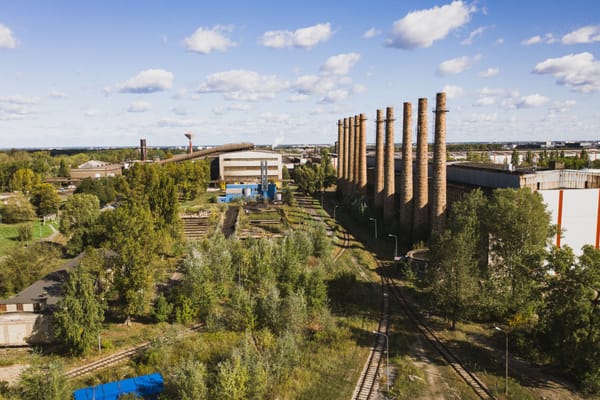
Politics
Volkswagen Faces 100,000 Job Cuts: Is Germany’s EV Dream Crumbling?
Deep in the heart of Germany’s industrial belt, a quiet storm is brewing. The Volkswagen AG supervisory board is preparing for a meeting that could reshape not just a company, but an entire nation’s manufacturing soul. Four German factories may close. Up to 100,000 jobs could va…
Read More...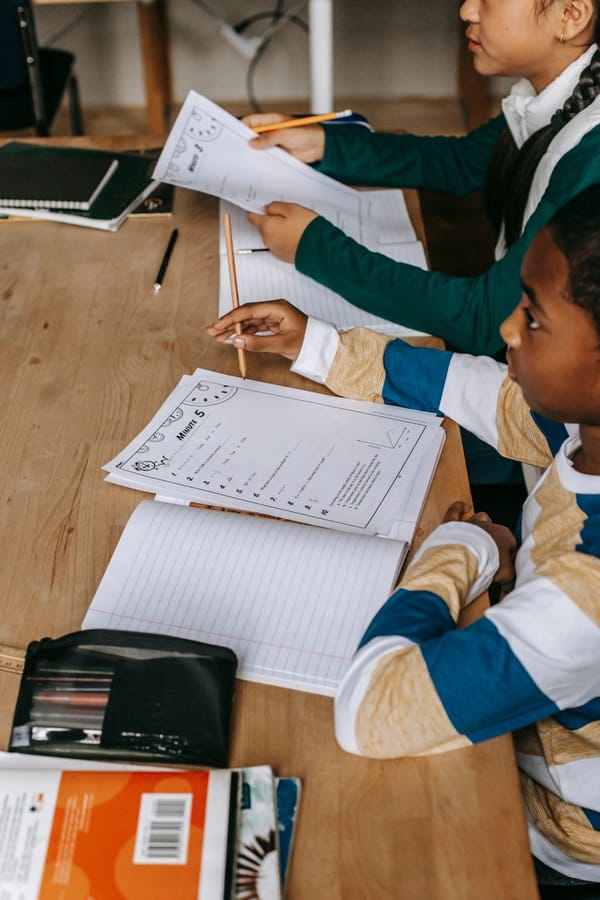
Politics
Are Mandatory iPads in Irish Schools Worth the Cost? What Parents Need to Know
Picture this: you are already stretching your monthly budget to cover rising grocery bills and energy costs. Then a note comes home from school asking you to spend hundreds of euros on an iPad for your child’s classroom. For families across Ireland, this scenario is becoming inc…
Read More...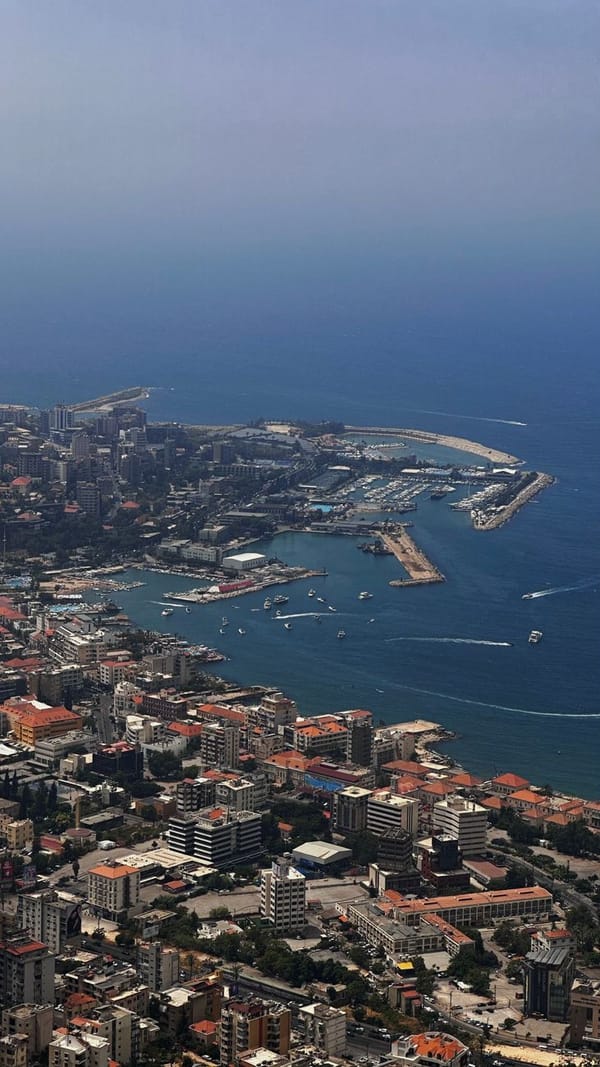
Politics
What the 2026 US Brokered Israel Lebanon Framework Agreement Means for the Middle East
In the summer of 2026, a diplomatic document signed in Washington, D.C., has set the Middle East ablaze with debate. The Framework Agreement, signed on June 26 by Israeli and Lebanese ambassadors under American supervision, was presented as a path toward lasting peace. Instead,…
Read More...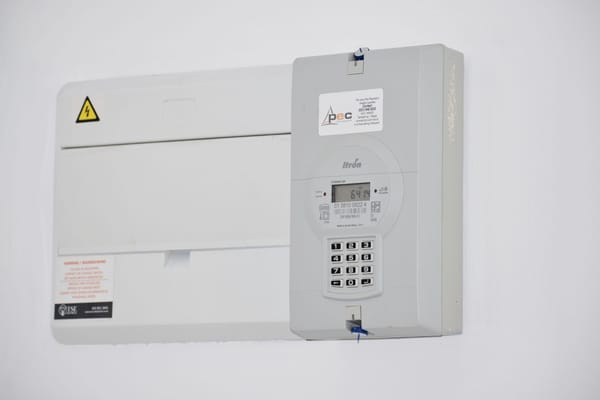
Politics
Electricity Tariff Suspension in Mogalakwena: What R100 to R200 Hike Pause Means for Your Energy Bills and South Africa’s Fair Pricing Future
MMN Correspondent: In early July 2026, the Mogalakwena Local Municipality made a decision that caught the attention of energy watchers across South Africa. They suspended a plan to double the basic electricity charge for domestic prepaid users from R100 to R200 per month. For a…
Read More...
Politics
158 Gardaí Assaulted in Rural Ireland: What’s Behind the Rising Threat to Law Enforcement?
Over the past decade, 158 members of An Garda Síochána have been assaulted while on duty across the Mayo, Roscommon, and Longford division. That’s not just a number. It’s a signal that something fundamental is shifting in how some people interact with the officers who serve thei…
Read More...
Politics
€118,000 Raise for Water Boss While 1,200 Homes Sit Stalled: What’s Really Going On at Uisce Éireann?
Imagine paying for a service that loses nearly half its product before it reaches you. Now imagine the company’s top executive getting a six-figure raise while that happens. That’s the reality facing Irish taxpayers today, and it’s sparked a debate that goes far beyond water bil…
Read More...