
Here's How Egypt Plans to Use 42% Renewable Power and $50 Billion to Become the Middle East's Clean Energy Powerhouse
We compile, generate and translate using Artificial Intelligence from the below given source. Macro Micro News is responsible for its editorial publication.
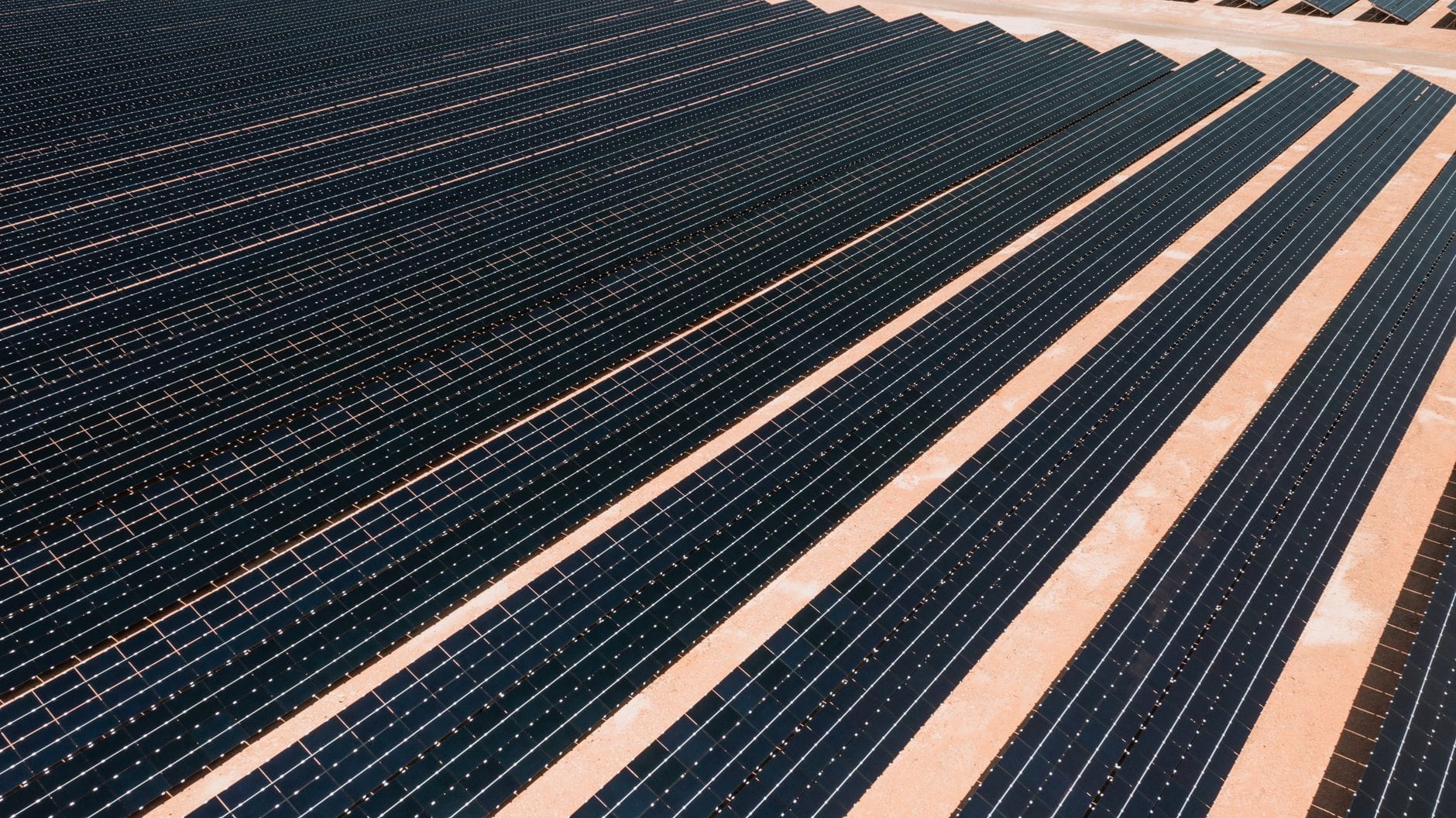
Cairo, Egypt, MMN Correspondent: When conflict between the US and Iran disrupted oil and gas flows across the Middle East, Egypt felt the pressure in its energy budget. Import prices climbed, currency pressure mounted, and officials in Cairo concluded that relying too heavily on fossil fuels was risky. Their answer is a rapid expansion of renewable power, one that could turn Egypt into a clean energy supplier for the region and beyond.
Egypt's new target is clear: renewable energy should supply 42 percent of the country's electricity within just two years. That is a major acceleration from the earlier 2030 timeline and a significant climb from the roughly 11 percent share today, according to energy think tank Ember. The government has already lined up 105 renewable projects, including solar farms, wind parks, and battery systems, to make this target realistic.
This push is as much about economic opportunity as it is about energy security. Clean electricity can become a valuable export. It can help shrink Egypt's trade deficit and strengthen its position in the global energy transition. The country wants to be a hub connecting Africa, the Middle East, and Europe through green power.
The biggest test is the age and capacity of the national grid. The current transmission system was built for an older energy model. It cannot easily absorb large amounts of intermittent renewable power, and it struggles to move electricity from remote solar and wind zones to cities or export terminals. "The technical and financial plumbing, the grid, foreign currency financing, and the supply chain are the real gatekeepers," says Nadia Elmasry from the Regional Center for Renewable Energy and Energy Efficiency. President Sisi has said the overhaul needs around $50 billion in investment.
One concrete step is already in motion. Egypt secured a €690 million financing package from the European Union and the European Investment Bank to upgrade the transmission network. The project is designed to help the grid handle 22 gigawatts of renewable capacity by 2030, reduce electricity losses, and prepare for cross-Mediterranean power trade. This is an infrastructure fix with an export goal.
Egypt already has power links with Jordan, Libya, and Sudan. A three-gigawatt connection to Saudi Arabia is under construction. There are also plans for a subsea cable that would carry Egyptian renewable electricity to southern Europe. And beyond electrons, Egypt wants to supply green hydrogen and ammonia to European industries. Government spending reflects this ambition: the electricity and renewables budget for 2025/26 is 136.3 billion Egyptian pounds, about 2.7 billion dollars, nearly double the previous year. Public investment will cover roughly three quarters of that total.
None of this works without storage. Solar and wind power depend on the weather, and buyers need steady, around-the-clock electricity. "Storage is what turns intermittent renewables into firm, exportable power," Elmasry says. Scatec, a Norwegian developer, signed a 25-year power purchase agreement with the Egyptian Electricity Transmission Company for 1.95 gigawatts of solar and 3.9 gigawatt hours of battery storage. That kind of scale would have seemed unlikely just a few years ago.
Egypt is also looking to build batteries at home. Chinese company Sungrow plans to open a battery storage system factory in Ain Sokhna, its first in the Middle East. The factory will have an annual production capacity of 10 gigawatt hours and is expected to start operations in April 2027. It will supply batteries for the Scatec project. Licenses have also been issued for two battery storage projects in Aswan and Suez, worth a combined 800 million dollars. Huawei and Egyptian firm AIS are exploring local production of grid-forming battery systems. This is where the supply chain starts to become an advantage.
There are real hurdles. Regional tensions can still disrupt supply chains and make investors cautious. International borrowing is expensive, financing rules are strict, and the pool of EU-compliant projects is still small. Egypt is also working through a foreign currency squeeze, which complicates payments for imported equipment. Elmasry argues that concessional finance or guarantees are needed to make long-term projects bankable.
The energy policy also runs on two tracks. Egypt is investing heavily in renewables, and at the same time it continues to explore and produce oil and gas. President Sisi calls this a double strategy, one that keeps fossil fuel revenue flowing while building the clean energy system of the future. The Petroleum Ministry plans to drill about one hundred new wells over five years. Analysts watch this balance closely, because a large gas discovery could pull attention back to hydrocarbons, as happened after the Zohr field came online in 2019. The lesson from that moment is about keeping momentum.
There are also reasons for optimism. The El Dabaa nuclear plant is taking shape, and the Abydos solar and storage project is moving forward. Hatem Tawfik, co-founder of Cairo Solar, offers a grounded view: "Simply implementing the existing plans would be an excellent outcome." He also points to rooftop solar and minigrids as ways to decentralize energy production and make the system more resilient. If Egypt can combine large-scale projects with local generation, it could create a more flexible and secure energy future.
Egypt's clean energy bet is one of the most important stories in the region right now. It needs massive investment, technical innovation, and political will. The payoff could be a stronger economy at home and a reliable source of clean power for Europe, Africa, and the Middle East. The country has the sun, the wind, and the geographic position. What remains to be seen is whether the grid, storage, financing, and execution can move together quickly enough to meet the 42 percent deadline. If they do, Egypt won't just be exporting electricity. It will be exporting a model for how a regional energy transition can actually happen.
Related in Global Warming
Scientific Research
How PLOS Climate Is Reshaping Global Science: The Open Access Advantage
In the fast-moving world of scientific communication, open access journals are doing more than just sharing papers. They are breaking down walls that have long kept knowledge out of reach. PLOS Climate stands at the center of this shift. As a key part of the Public Library of Sc…
Read More...
Scientific Research
PLOS Climate: How Open Access is Reshaping Global Warming Solutions
The landscape of scientific publishing is shifting beneath our feet. Accessibility and transparency are no longer just nice-to-have features; they are the bedrock upon which we address the most pressing challenges of our time. The Public Library of Science (PLOS), a nonprofit ba…
Read More...
Scientific Research
PLOS Climate: Why Broken Links Threaten Global Science Access
The digital landscape of scientific communication is shifting beneath our feet. As climate research accelerates, the integrity and accessibility of this data have become paramount. Specialized journals like PLOS Climate face constant challenges regarding content availability and…
Read More...
Scientific Research
Why Climate Data Links Fail: The Open Access Fix You Need Now
Imagine clicking a link to the latest climate study only to hit a dead end. That frustrating 'Page Not Found' error is more than a technical glitch. It represents a significant barrier in the fight against misinformation and delayed action. When vital research on global warming…
Read More...
Scientific Research
PLOS Climate: The Open Access Frontier for Global Warming Research
The landscape of scientific publishing is shifting rapidly. Accessibility and transparency are no longer just ideals but necessities. PLOS, a nonprofit organization based in California, stands at the forefront of this movement. They champion open access to peer-reviewed research…
Read More...
Global Warming
COP17 Mongolia: The Desertification Summit Deciding Your Food and Water Future
Around 10,000 people are heading into a national park near Ulaanbaatar this week. They've gathered for COP17, the seventeenth Conference of Parties to the United Nations Convention to Combat Desertification. The meeting runs from August 17 to 28, and it could determine how farms…
Read More...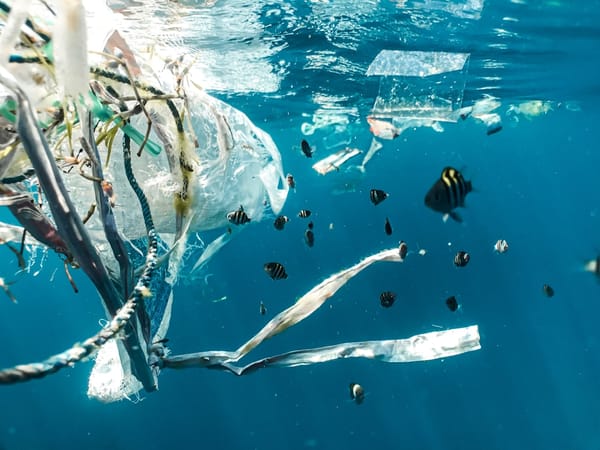
Global Warming
Plastics Treaty Draft Leaves Out Production Cuts: What It Means for You and the Planet
The newest draft of the global plastics treaty has arrived, and it is missing something many countries consider essential. Chilean ambassador Julio Cordano, the diplomat chairing the United Nations talks, released the document as an informal reference text. It reads a lot like a…
Read More...
Global Warming
What You Need to Know About South Africa’s Offshore Oil Court Battle: Communities Take On Shell and TotalEnergies
Layers of red dust still coat Saldanha Bay, a reminder of the iron ore exports that transformed a quiet coastal fishing town in the 1970s. Today, the same bay is being prepared for a different role. The South African government wants to turn it into the country's oil and gas hub…
Read More...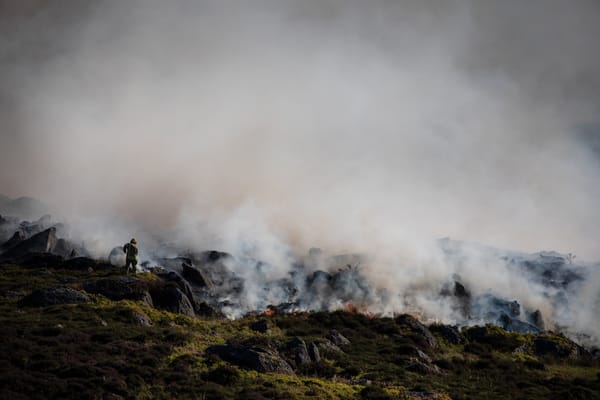
Global Warming
UK Wildfire Crisis 2026: 71% of England in Drought and Firefighters Overwhelmed, Are We Ready for What's Next?
The United Kingdom is living through a fire emergency that keeps growing. Dry landscapes, repeated heatwaves, and shifting wind patterns have turned large parts of the country into a potential tinderbox. Firefighters are working long shifts to contain flames in Hampshire, Nottin…
Read More...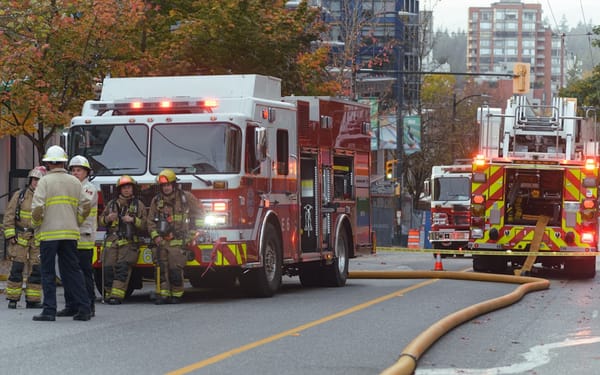
Global Warming
Canada’s Out-of-Control Wildfires: 22,000 Flee British Columbia, and What That Means for Your Community
Summerland received its evacuation order with little time to spare. Across British Columbia, around 22,000 people have now left their homes as 102 active wildfires spread through the province. Nearly half of those fires are listed as uncontrolled. The Bald Range fire grew to mor…
Read More...
Global Warming
Super El Niño 2026 Could Bring Flooding to Western US: Here's What Forecasters Are Watching
Something big is taking shape across the Pacific Ocean, and its effects are expected to reach the United States this winter. Climate scientists are tracking what could become one of the strongest El Niño events on record. If the forecasts hold, the western and south-eastern part…
Read More...