
How Łódź’s Public Transit Fell Behind: 16 Years of Decisions That Left Commuters in 40°C Heat
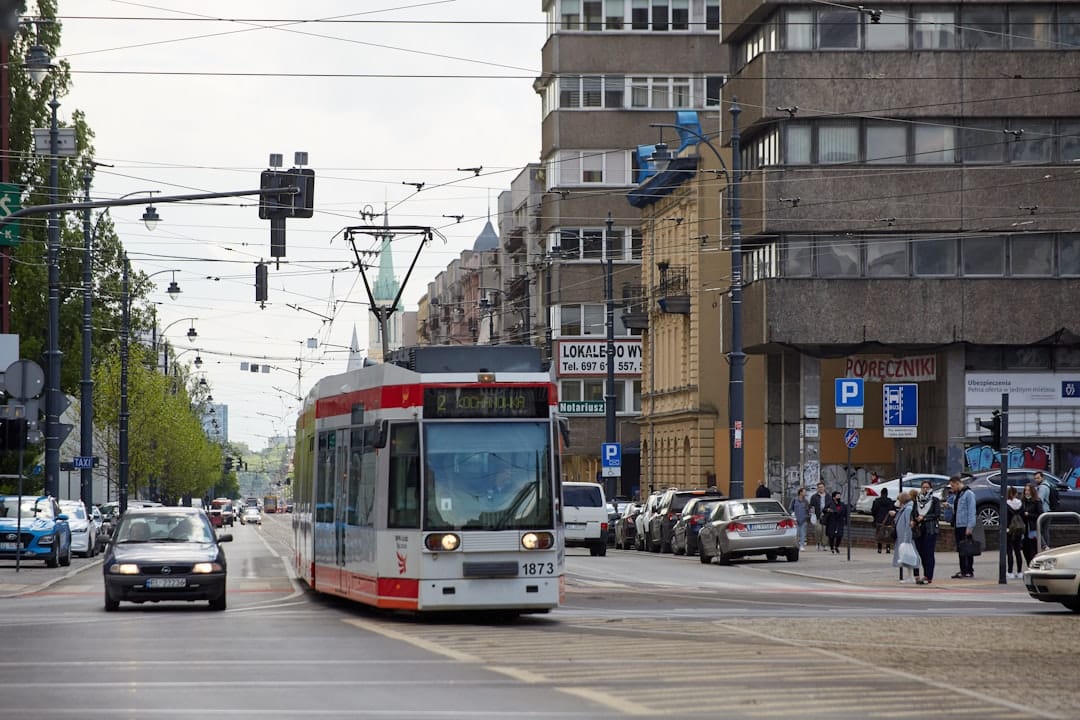
Łódź, Poland, MMN Correspondent: Imagine stepping onto a tram on a summer afternoon in Łódź, only to find the temperature inside has climbed past 40°C. For thousands of daily commuters, this isn’t a hypothetical scenario. It’s a recurring reality. And now, the very politicians who have overseen the city’s transit system for the past 16 years are publicly criticizing the operator for the lack of air conditioning. The question is: why now?
For nearly a decade and a half, the Civic Coalition (KO) has held the reins in Łódź, shaping budgets, procurement strategies, and infrastructure priorities. During that time, the city’s tram and bus fleet has aged, with many vehicles purchased second-hand from Germany. These used trams, some decades old, arrived without climate control systems. Instead of investing in new, energy-efficient rolling stock, the city repeatedly chose cost-cutting measures that saved money upfront but left passengers sweltering in the heat.
This isn’t a story of unforeseen challenges. Other Polish cities like Kraków, Wrocław, and Warsaw have modernized their fleets, introduced electric buses, and installed real-time tracking apps. Łódź, meanwhile, continues to rely on outdated technology. The gap isn’t due to a lack of available funding. National and EU grants for urban transport modernization have been accessible, but Łódź’s procurement policies and budget allocations consistently prioritized short-term savings over long-term comfort and sustainability.
Residents have been raising concerns for years. Social media threads, local forums, and citizen petitions have documented the unbearable conditions inside public transit during summer months. Yet, until recently, those voices were met with silence. Now, with municipal elections approaching, KO representatives have suddenly found their voice, criticizing MPK Łódź for the very conditions their policies helped create. It’s a shift that raises an interesting question: is this about passenger comfort, or about political positioning?
Let’s look at the numbers. Retrofitting the existing fleet with air conditioning is technically possible, but the cost could easily exceed tens of millions of zlotys. Without a clear funding plan or a timeline, such upgrades remain out of reach under the current administration. Meanwhile, the broader transit system faces deeper issues: aging infrastructure, frequent breakdowns, unreliable schedules, and limited accessibility for people with disabilities. These are not new problems. They are the result of years of underinvestment and delayed maintenance decisions made by the same coalition now calling for change.
What would a genuine commitment to improvement look like? Experts suggest starting with transparency. A comprehensive audit of MPK Łódź’s finances, published maintenance records, and a citizen oversight committee could rebuild trust. Setting measurable targets, such as retrofitting 50% of the fleet with air conditioning within three years, would signal real intent. Exploring partnerships with private investors, applying for EU cohesion funds, and adopting smart city technologies could provide the resources needed for a sustainable transformation.
The opportunity here is significant. Łódź has the potential to become a model for resilient, inclusive, and environmentally friendly urban transit. But that requires leadership willing to take responsibility for past decisions and commit to a clear, funded path forward. The current debate isn’t just about air conditioning. It’s about whether those in power are ready to move from criticism to action, and whether voters will hold them accountable for the choices that brought the city to this point.
For now, commuters continue to board trams that feel more like greenhouses than modern transit vehicles. The heat inside is a daily reminder that promises, no matter how loudly made, mean little without the investments to back them up. The people of Łódź deserve a system that works for them, not just during election season, but every day of the year.
Related in Politics
Politics
Poland’s Political Crossroads: Why Konfederacja Is Pushing for a State Tribunal Trial Over Ukraine Policy
Poland’s political landscape is heating up as the far-right coalition Konfederacja demands that former Minister of Justice Paweł Kosiniak-Kamysza face a State Tribunal trial. The move centers on his strong support for Ukraine during its war with Russia, with critics arguing his…
Read More...
Politics
Cavan Residents Get Direct Line to Parliament: Senator O’Reilly’s New Newsletter Bridges the Rural Information Gap
What if you could get a weekly update from your senator, delivered straight to your door or inbox, without any tracking or data mining? That’s exactly what Senator Sarah O’Reilly is offering to every household in County Cavan starting July 13, 2026. The initiative, announced on…
Read More...
Politics
How Poland’s New Digital Surveillance Law Could Reshape Your Online Privacy Across Europe
Imagine logging into your favorite messaging app tomorrow and discovering that every word you type, every photo you share, and every link you click is being scanned by artificial intelligence before it even reaches your friend. That scenario is no longer hypothetical. It is now…
Read More...
Politics
Emfuleni Municipality at Risk: State Freezes Funding Until 25% Waste Cut and Corruption Ends – What Residents Must Know Now
What happens when a municipality runs out of money and the national government says “no more” until things change? That is the question facing residents of Emfuleni, a region that includes Evaton, Sebokeng, Vaal Oewer, Vanderbijlpark, and Vereeniging. On July 9, 2026, the Nation…
Read More...
Politics
Volkswagen Faces 100,000 Job Cuts: Is Germany’s EV Dream Crumbling?
Deep in the heart of Germany’s industrial belt, a quiet storm is brewing. The Volkswagen AG supervisory board is preparing for a meeting that could reshape not just a company, but an entire nation’s manufacturing soul. Four German factories may close. Up to 100,000 jobs could va…
Read More...
Politics
Are Mandatory iPads in Irish Schools Worth the Cost? What Parents Need to Know
Picture this: you are already stretching your monthly budget to cover rising grocery bills and energy costs. Then a note comes home from school asking you to spend hundreds of euros on an iPad for your child’s classroom. For families across Ireland, this scenario is becoming inc…
Read More...
Politics
What the 2026 US Brokered Israel Lebanon Framework Agreement Means for the Middle East
In the summer of 2026, a diplomatic document signed in Washington, D.C., has set the Middle East ablaze with debate. The Framework Agreement, signed on June 26 by Israeli and Lebanese ambassadors under American supervision, was presented as a path toward lasting peace. Instead,…
Read More...
Politics
Electricity Tariff Suspension in Mogalakwena: What R100 to R200 Hike Pause Means for Your Energy Bills and South Africa’s Fair Pricing Future
MMN Correspondent: In early July 2026, the Mogalakwena Local Municipality made a decision that caught the attention of energy watchers across South Africa. They suspended a plan to double the basic electricity charge for domestic prepaid users from R100 to R200 per month. For a…
Read More...
Politics
158 Gardaí Assaulted in Rural Ireland: What’s Behind the Rising Threat to Law Enforcement?
Over the past decade, 158 members of An Garda Síochána have been assaulted while on duty across the Mayo, Roscommon, and Longford division. That’s not just a number. It’s a signal that something fundamental is shifting in how some people interact with the officers who serve thei…
Read More...
Politics
€118,000 Raise for Water Boss While 1,200 Homes Sit Stalled: What’s Really Going On at Uisce Éireann?
Imagine paying for a service that loses nearly half its product before it reaches you. Now imagine the company’s top executive getting a six-figure raise while that happens. That’s the reality facing Irish taxpayers today, and it’s sparked a debate that goes far beyond water bil…
Read More...