
Ireland Ends Abortion Waiting Period: What This Means for Women’s Choices and Support Systems
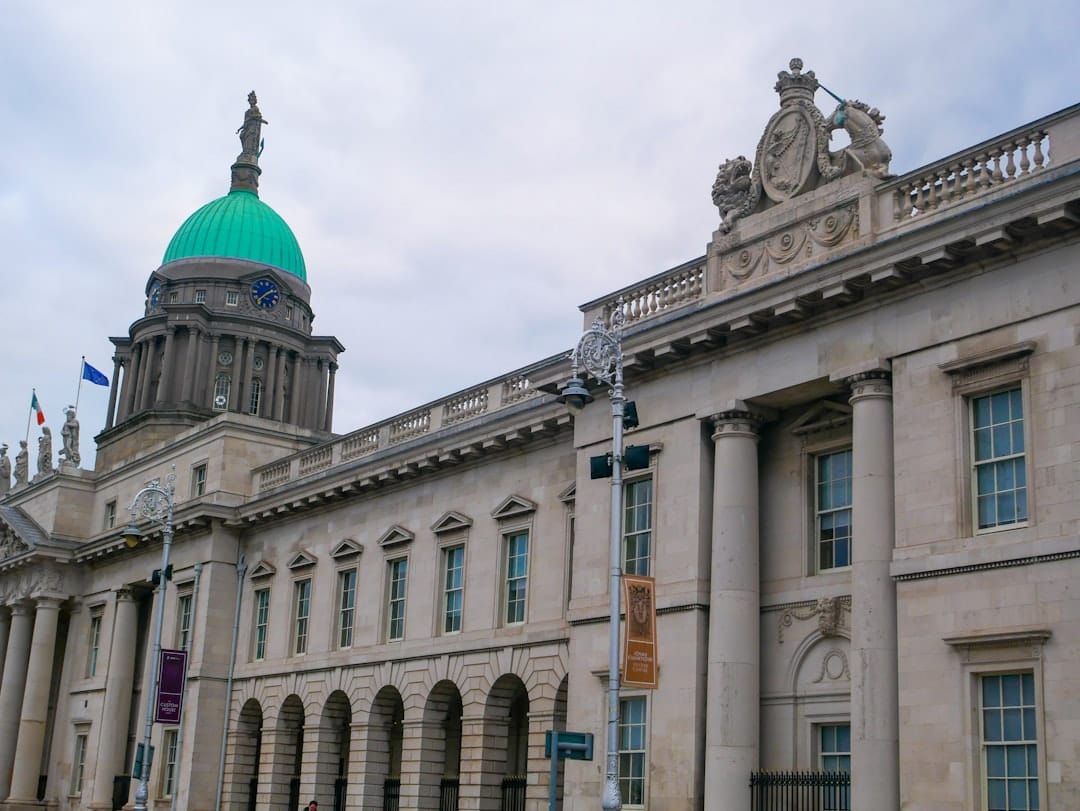
Dublin, Ireland, MMN Correspondent: Ireland’s parliament has voted to remove the three day waiting period for abortion services, a decision that is reshaping the national conversation on reproductive rights and the broader support women receive. The change, backed by Taoiseach Simon Harris and Tánaiste Micheál Martin, moves away from promises made during the 2018 Repeal referendum, where the waiting period was presented as a key safeguard for women facing a significant decision.
Senator Sarah O’Reilly, who became a mother while still in school, voiced her disappointment. She noted that many voters supported repealing the Eighth Amendment because they trusted that protections like the waiting period would remain. “There has been no compelling reason to remove the wait period, and I cannot see any demand from the public for it,” she said. Her perspective raises a question: when a policy is introduced as a compromise, what happens when that compromise is undone?
The three day waiting period was part of the Health (Regulation of Termination of Pregnancy) Act 2018. It was designed to give women time to reflect, seek counseling, and talk with doctors. Data from the Irish Health Service Executive shows that over 95% of abortions under this framework occurred within the first 12 weeks, often due to personal health concerns or fetal abnormalities. The waiting period acted as a buffer in a society where abortion was long stigmatized.
Now, with the mandatory delay removed, women can access termination services immediately. Supporters say this streamlines care, reduces bureaucracy, and aligns Ireland with international standards. But critics, including Senator O’Reilly, argue that the move erodes trust in political commitments and overlooks other essential supports for women and families.
O’Reilly pointed out that the same government has opposed expanding paid leave for women attending cancer screenings, improving care for children in state custody, and supporting individuals with disabilities. “Young women struggling with housing costs, childcare costs, and the cost of living deserve actual support—not the message that abortion is the only solution available to them,” she said. This critique invites a deeper look at what true empowerment means.
Research from the Economic and Social Research Institute in 2024 found that nearly 40% of women aged 18 to 35 live in households facing financial strain, with rising rents and childcare costs as major stressors. Maternal mortality rates in Ireland, while stable, are higher than in comparable EU nations. These numbers suggest that comprehensive prenatal and postnatal care deserves attention alongside access to termination.
Senator O’Reilly’s personal story adds another layer. She gave birth during her secondary education and described motherhood as a source of strength. “I was pregnant with my first baby when I sat my junior cert, and it was tough at times, but my life was far from over,” she recalled. “Being a parent made me more motivated and driven.” Her experience challenges the narrative that motherhood is a setback, highlighting how parenting can build resilience and drive.
Yet support structures for mothers—affordable childcare, flexible work, mental health resources—remain underfunded. Experts warn that without meaningful investment in family friendly policies, legal access to abortion may become a temporary fix for deeper societal gaps. The question becomes: are we offering women real choices, or just one option in a system that lacks balance?
Internationally, Ireland’s move stands out. Canada, Germany, and New Zealand have waiting periods or counseling requirements that balance access with informed consent. The UK’s NHS maintains a two week waiting period for non emergency terminations. Ireland’s reversal prompts a reflection on whether removing safeguards truly advances women’s rights or shifts focus away from systemic inequities.
The political response has been notable. Several TDs from Fine Gael and Fianna Fáil broke with party leadership to vote against the change, a rare act of conscience driven dissent. Civil society groups praised their courage, signaling a potential divide between party discipline and public accountability.
As the debate continues, advocacy groups are calling for a holistic approach that combines reproductive freedom with robust social safety nets. Universal childcare, paid parental leave, mental health services, and economic assistance for low income families are among the priorities. These measures, they argue, would empower women to make choices grounded in security, not crisis.
The implications of this legislative change extend beyond abortion policy. They reflect a broader tension in modern democracies: how to balance individual rights with collective responsibility. As Ireland navigates this terrain, voices like Senator O’Reilly’s remind us that true empowerment comes from dignity, support, and recognition at every stage of life. The coming months will test whether leaders can deliver on both reproductive justice and social solidarity—two pillars essential to a fair and compassionate society.
Related in Politics
Politics
Poland’s Political Crossroads: Why Konfederacja Is Pushing for a State Tribunal Trial Over Ukraine Policy
Poland’s political landscape is heating up as the far-right coalition Konfederacja demands that former Minister of Justice Paweł Kosiniak-Kamysza face a State Tribunal trial. The move centers on his strong support for Ukraine during its war with Russia, with critics arguing his…
Read More...
Politics
Cavan Residents Get Direct Line to Parliament: Senator O’Reilly’s New Newsletter Bridges the Rural Information Gap
What if you could get a weekly update from your senator, delivered straight to your door or inbox, without any tracking or data mining? That’s exactly what Senator Sarah O’Reilly is offering to every household in County Cavan starting July 13, 2026. The initiative, announced on…
Read More...
Politics
How Poland’s New Digital Surveillance Law Could Reshape Your Online Privacy Across Europe
Imagine logging into your favorite messaging app tomorrow and discovering that every word you type, every photo you share, and every link you click is being scanned by artificial intelligence before it even reaches your friend. That scenario is no longer hypothetical. It is now…
Read More...
Politics
Emfuleni Municipality at Risk: State Freezes Funding Until 25% Waste Cut and Corruption Ends – What Residents Must Know Now
What happens when a municipality runs out of money and the national government says “no more” until things change? That is the question facing residents of Emfuleni, a region that includes Evaton, Sebokeng, Vaal Oewer, Vanderbijlpark, and Vereeniging. On July 9, 2026, the Nation…
Read More...
Politics
Volkswagen Faces 100,000 Job Cuts: Is Germany’s EV Dream Crumbling?
Deep in the heart of Germany’s industrial belt, a quiet storm is brewing. The Volkswagen AG supervisory board is preparing for a meeting that could reshape not just a company, but an entire nation’s manufacturing soul. Four German factories may close. Up to 100,000 jobs could va…
Read More...
Politics
Are Mandatory iPads in Irish Schools Worth the Cost? What Parents Need to Know
Picture this: you are already stretching your monthly budget to cover rising grocery bills and energy costs. Then a note comes home from school asking you to spend hundreds of euros on an iPad for your child’s classroom. For families across Ireland, this scenario is becoming inc…
Read More...
Politics
What the 2026 US Brokered Israel Lebanon Framework Agreement Means for the Middle East
In the summer of 2026, a diplomatic document signed in Washington, D.C., has set the Middle East ablaze with debate. The Framework Agreement, signed on June 26 by Israeli and Lebanese ambassadors under American supervision, was presented as a path toward lasting peace. Instead,…
Read More...
Politics
Electricity Tariff Suspension in Mogalakwena: What R100 to R200 Hike Pause Means for Your Energy Bills and South Africa’s Fair Pricing Future
MMN Correspondent: In early July 2026, the Mogalakwena Local Municipality made a decision that caught the attention of energy watchers across South Africa. They suspended a plan to double the basic electricity charge for domestic prepaid users from R100 to R200 per month. For a…
Read More...
Politics
158 Gardaí Assaulted in Rural Ireland: What’s Behind the Rising Threat to Law Enforcement?
Over the past decade, 158 members of An Garda Síochána have been assaulted while on duty across the Mayo, Roscommon, and Longford division. That’s not just a number. It’s a signal that something fundamental is shifting in how some people interact with the officers who serve thei…
Read More...
Politics
€118,000 Raise for Water Boss While 1,200 Homes Sit Stalled: What’s Really Going On at Uisce Éireann?
Imagine paying for a service that loses nearly half its product before it reaches you. Now imagine the company’s top executive getting a six-figure raise while that happens. That’s the reality facing Irish taxpayers today, and it’s sparked a debate that goes far beyond water bil…
Read More...