
Ireland’s Fuel Tax Reversal: What It Means for Your Wallet This Summer
Dublin, Ireland, MMN Correspondent: As summer 2026 heats up, Ireland finds itself at a pivotal moment. The government is preparing to phase out temporary fuel tax cuts, and the move has sparked a fresh wave of public debate. With the cost of living already stretching household budgets, the question on many minds is simple: what happens next?
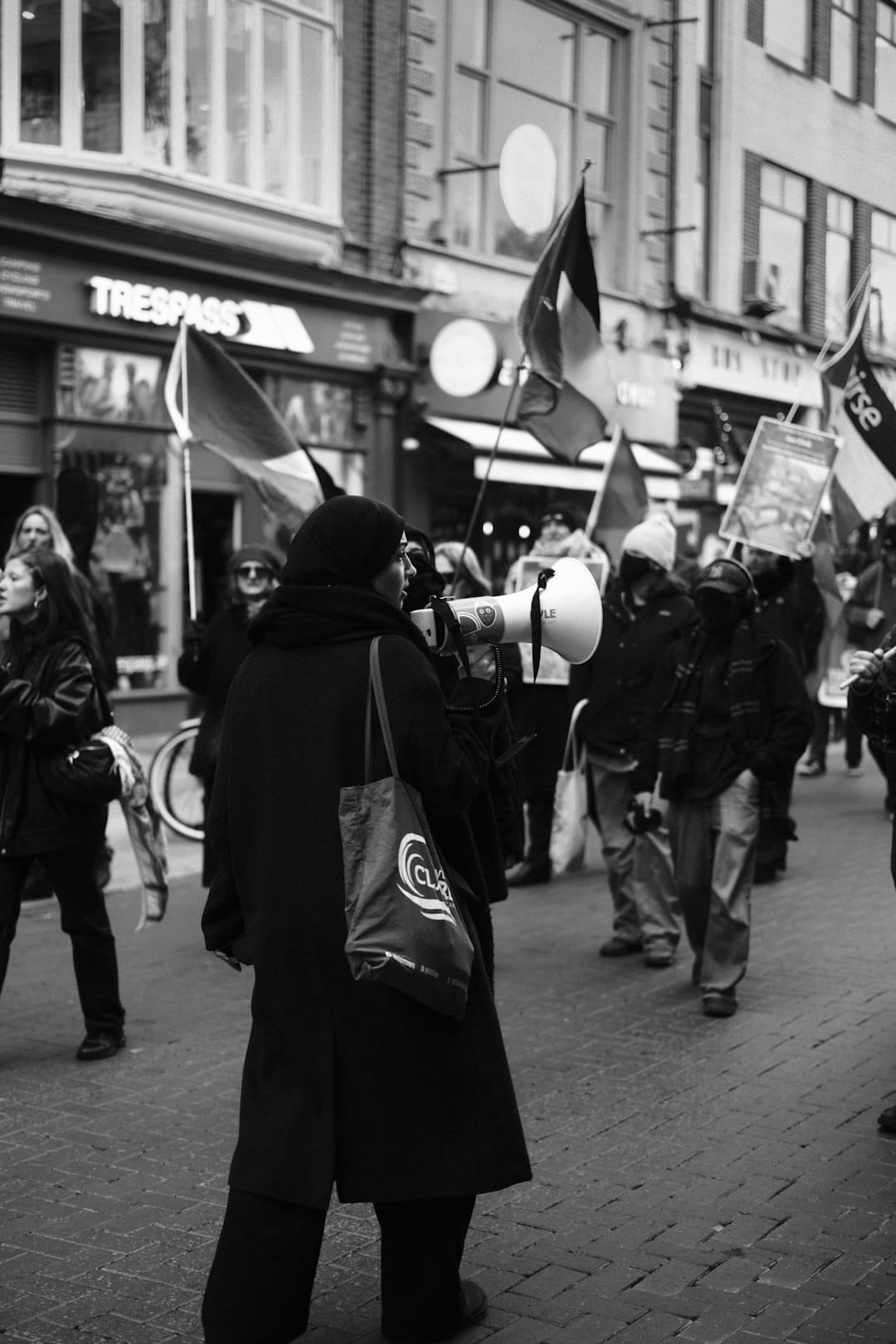
Back in April 2026, thousands of people took to the streets across Dublin, Cork, and Galway. Fuel prices had hit record highs, driven by global oil swings, EU carbon pricing, and domestic taxes. In response, the government slashed excise duties, dropping pump prices by 15 to 20 cents per litre. For drivers relying on cars for work, school runs, and errands, that relief was tangible.
But those cuts are set to expire on July 31, 2026. Official projections show prices climbing again soon after. Government officials say the rollback is needed to maintain fiscal stability and meet EU climate targets. Critics, however, see it differently. They argue it’s a policy shift that ignores the everyday realities of ordinary people.
Peadar Tóibín, leader of the Aontú party, didn’t hold back ahead of a parliamentary motion scheduled for June 30. “They’re going to roll back the cuts brought in after the people took to the streets over prices in April,” he said. “This is piling on more costs and pressure on people, when they are already struggling to pay for motor fuel.” His words capture a growing frustration that feels both personal and political.
Ireland already ranks among the most expensive countries in Europe for living expenses. Eurostat data shows average petrol prices here exceed €2.00 per litre, well above the EU average of €1.75. That gap isn’t just about global markets. High excise duties, VAT, and carbon taxes make up nearly 60% of what you pay at the pump. For many households, especially in rural areas, this isn’t an abstract number. It’s a monthly budget reality.
And it’s not just fuel. Starting July 1, Electric Ireland is raising electricity and gas tariffs. Households will see an extra €138 annually for electricity and €117 for gas. Add rising rents, food costs, and healthcare expenses, and the picture becomes clearer. Families are navigating a landscape where every euro counts.
Even electric vehicle drivers aren’t spared. ESB has increased rates at public charging stations, making it now more expensive to charge an EV at a public point than to fill a petrol car. Consumer advocates and environmental groups have called this out, questioning why state-owned enterprises would engage in what some describe as price gouging during a green transition.
Aontú has introduced a motion called “Reduce the Cost of Living.” It proposes two key actions: keep the April fuel excise cuts permanently, and suspend the annual carbon tax increase scheduled for October 2026. The party argues that maintaining current fuel prices offers immediate relief without derailing long-term climate goals, especially if alternative funding is explored.
Experts point out that carbon taxes, while designed to encourage greener choices, often hit low and middle income households hardest. A 2025 study by the Economic and Social Research Institute found that 68% of rural households spend more than 12% of their monthly income on transport, compared to 45% in urban areas. That makes them especially sensitive to fuel price changes.
The motion also touches on deeper issues. Ireland’s reliance on imported fuels, limited public transport outside major cities, and slow progress on home insulation programs all contribute to a cycle where rising energy costs dampen economic activity and workforce participation.
With inflation hovering around 5.4% in June 2026, above the central bank’s target, the government faces a delicate balancing act. Delaying tax increases could ease public pressure but might raise questions about climate commitments tied to the EU Green Deal and national net zero targets by 2050.
Aontú’s approach reflects a broader demand for balance. It’s not about choosing between economic relief and environmental responsibility. It’s about finding a path that respects both. The proposal has drawn support from grassroots organizations, trade unions, and community leaders who see the fuel price rollback as a practical step during a time of national strain.
As the Dáil prepares to debate the motion, all eyes are on political leaders. Will they prioritize short term relief or stick with existing fiscal and environmental frameworks? The decision could shape Ireland’s economic direction for years, setting a precedent for how the country navigates crises that touch on fairness, sustainability, and everyday well being.
The coming weeks will reveal whether Ireland’s leadership can respond with policies that feel both bold and compassionate. For now, the conversation is open, and the stakes are clear.
Related in Politics
Politics
Poland’s Political Crossroads: Why Konfederacja Is Pushing for a State Tribunal Trial Over Ukraine Policy
Poland’s political landscape is heating up as the far-right coalition Konfederacja demands that former Minister of Justice Paweł Kosiniak-Kamysza face a State Tribunal trial. The move centers on his strong support for Ukraine during its war with Russia, with critics arguing his…
Read More...
Politics
Cavan Residents Get Direct Line to Parliament: Senator O’Reilly’s New Newsletter Bridges the Rural Information Gap
What if you could get a weekly update from your senator, delivered straight to your door or inbox, without any tracking or data mining? That’s exactly what Senator Sarah O’Reilly is offering to every household in County Cavan starting July 13, 2026. The initiative, announced on…
Read More...
Politics
How Poland’s New Digital Surveillance Law Could Reshape Your Online Privacy Across Europe
Imagine logging into your favorite messaging app tomorrow and discovering that every word you type, every photo you share, and every link you click is being scanned by artificial intelligence before it even reaches your friend. That scenario is no longer hypothetical. It is now…
Read More...
Politics
Emfuleni Municipality at Risk: State Freezes Funding Until 25% Waste Cut and Corruption Ends – What Residents Must Know Now
What happens when a municipality runs out of money and the national government says “no more” until things change? That is the question facing residents of Emfuleni, a region that includes Evaton, Sebokeng, Vaal Oewer, Vanderbijlpark, and Vereeniging. On July 9, 2026, the Nation…
Read More...
Politics
Volkswagen Faces 100,000 Job Cuts: Is Germany’s EV Dream Crumbling?
Deep in the heart of Germany’s industrial belt, a quiet storm is brewing. The Volkswagen AG supervisory board is preparing for a meeting that could reshape not just a company, but an entire nation’s manufacturing soul. Four German factories may close. Up to 100,000 jobs could va…
Read More...
Politics
Are Mandatory iPads in Irish Schools Worth the Cost? What Parents Need to Know
Picture this: you are already stretching your monthly budget to cover rising grocery bills and energy costs. Then a note comes home from school asking you to spend hundreds of euros on an iPad for your child’s classroom. For families across Ireland, this scenario is becoming inc…
Read More...
Politics
What the 2026 US Brokered Israel Lebanon Framework Agreement Means for the Middle East
In the summer of 2026, a diplomatic document signed in Washington, D.C., has set the Middle East ablaze with debate. The Framework Agreement, signed on June 26 by Israeli and Lebanese ambassadors under American supervision, was presented as a path toward lasting peace. Instead,…
Read More...
Politics
Electricity Tariff Suspension in Mogalakwena: What R100 to R200 Hike Pause Means for Your Energy Bills and South Africa’s Fair Pricing Future
MMN Correspondent: In early July 2026, the Mogalakwena Local Municipality made a decision that caught the attention of energy watchers across South Africa. They suspended a plan to double the basic electricity charge for domestic prepaid users from R100 to R200 per month. For a…
Read More...
Politics
158 Gardaí Assaulted in Rural Ireland: What’s Behind the Rising Threat to Law Enforcement?
Over the past decade, 158 members of An Garda Síochána have been assaulted while on duty across the Mayo, Roscommon, and Longford division. That’s not just a number. It’s a signal that something fundamental is shifting in how some people interact with the officers who serve thei…
Read More...
Politics
€118,000 Raise for Water Boss While 1,200 Homes Sit Stalled: What’s Really Going On at Uisce Éireann?
Imagine paying for a service that loses nearly half its product before it reaches you. Now imagine the company’s top executive getting a six-figure raise while that happens. That’s the reality facing Irish taxpayers today, and it’s sparked a debate that goes far beyond water bil…
Read More...