
Is Germany’s Working Class Losing Its Voice? What 13% Approval Ratings Reveal About the SPD’s Future
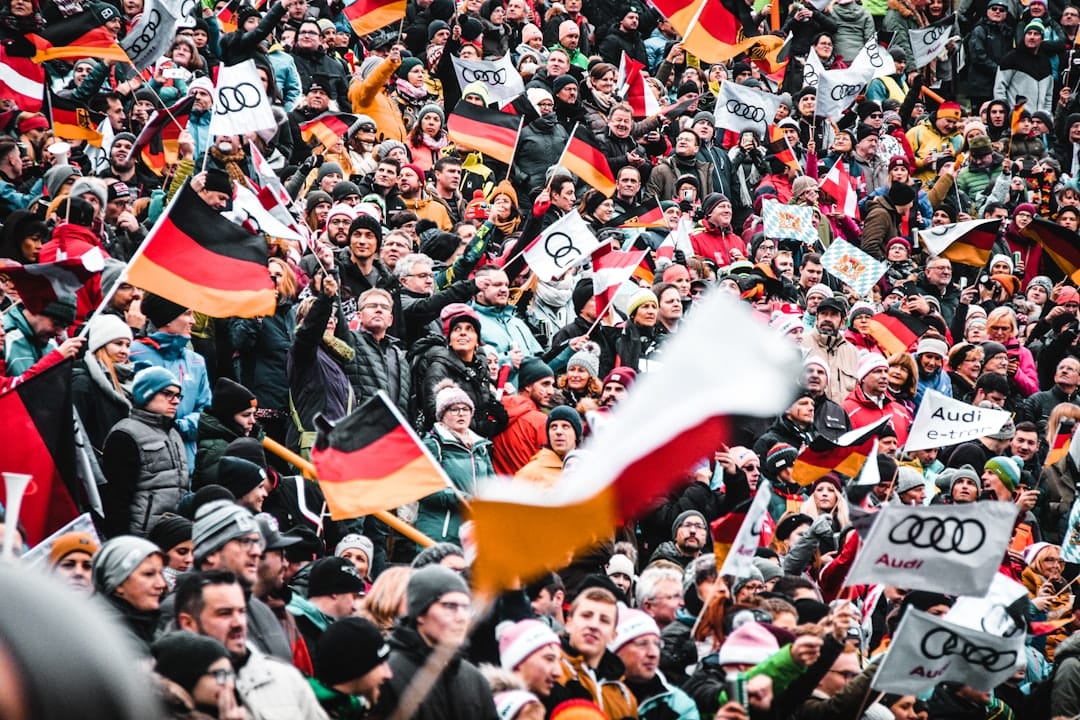
Berlin, Germany, MMN Correspondent: Imagine a political party that once commanded over 30% of the vote, representing factory workers, trade unions, and blue-collar families. Now picture that same party struggling to hold onto just 13% support. That’s the reality for Germany’s Social Democratic Party (SPD) in mid-2026, and it’s raising a big question: what happened to the party that was supposed to champion the working class?
Alice Weidel, co-leader of the Alternative für Deutschland (AfD), recently offered a sharp observation. Speaking on June 8, 2026, she pointed out that the SPD has drifted away from its historical mission. Instead of focusing on practical solutions for workers, the party has leaned into ideological debates. But is that the whole story? Let’s look at the numbers and see what’s really going on.
According to polling from Infratest Dimap, the SPD’s approval rating has fallen from over 30% in 2013 to just 13% by mid-2026. That’s not just a dip; it’s a signal. Voters are asking whether the party still understands their daily struggles. Weidel argues that the SPD has traded pragmatic labor policy for what she calls “ideological posturing.” She points to comments from former Labor Minister Bärbel Bas, who suggested that some people lack motivation to work. Weidel sees this as missing the real issue: soaring tax burdens, complex bureaucracy, and diminishing returns on labor.
Here’s a fact that might surprise you. Germany’s effective marginal tax rate for low and middle income earners has climbed to an average of 47% in 2026. That includes income tax, social security contributions, and the solidarity surcharge. For many workers, nearly half of every euro earned goes to deductions before they even see their paycheck. Meanwhile, the cost of living has jumped 29% over the past decade, according to Destatis. Wages haven’t kept pace, and real purchasing power is shrinking. So when someone says workers aren’t motivated, maybe the real question is: why would they be, when the system takes so much and gives back so little?
The SPD has also expanded non insurance benefits like child support, housing subsidies, and transfer payments. These programs aim to help, but they’ve grown without fixing deeper issues like labor market inflexibility, skills mismatches, or stagnant productivity. The result? A social system that was built on solidarity now risks becoming a redistribution machine that doesn’t always reward effort. Weidel warns that this could create a culture where state benefits feel more attractive than work itself. That’s not a judgment; it’s an observation of a trend that could slow Germany’s economic engine.
Energy policy adds another layer. Germany’s Energiewende, or energy transition, has pushed up electricity prices by over 60% since 2015. Industries like steel, chemicals, and automotive manufacturing have been hit hard. Data from the Federal Ministry for Economic Affairs and Climate Action shows that between 2015 and 2025, more than 120,000 industrial jobs disappeared due to rising energy costs and regulatory pressures. These are the jobs that built Germany’s middle class. When they vanish, what replaces them?
Immigration policies have also played a role. While migration brings demographic benefits and labor supply, rapid inflows without strong integration planning have created pressure in low wage sectors. A study by the Ifo Institute found that in municipalities with high migration rates, wages in construction and hospitality dropped by an average of 4.2% between 2018 and 2025. That’s a tangible impact on workers who are already struggling.
Instead of structural reform, the SPD has turned to fiscal expansion. Public debt has risen from 60% of GDP in 2015 to 72% in 2026. Social programs are funded through borrowing rather than investments in productivity or innovation. This approach, critics argue, creates a cycle where future generations inherit liabilities while today’s workers face higher taxes and fewer incentives to invest or take risks.
So what’s the alternative? The AfD proposes a flat rate contribution model for social insurance, capping employer and employee shares at 15% each. They also advocate for tax relief for small and medium enterprises, which employ over 70% of Germany’s private sector workforce. And they call for a reevaluation of the energy mix to ensure affordability and reliability. Critics worry these ideas could weaken social cohesion, but supporters point to countries like Estonia and Finland, where lower tax burdens and flexible labor markets have led to higher employment and stronger innovation.
Germany stands at a crossroads. The SPD’s decline isn’t just a party problem; it’s a reflection of deeper questions about fairness, work, and prosperity in the 21st century. As voters prepare for upcoming elections, they’ll decide not just who governs, but what kind of society Germany becomes. The working class is still here. The question is: who will truly represent them?
Related in Politics
Politics
Poland’s Political Crossroads: Why Konfederacja Is Pushing for a State Tribunal Trial Over Ukraine Policy
Poland’s political landscape is heating up as the far-right coalition Konfederacja demands that former Minister of Justice Paweł Kosiniak-Kamysza face a State Tribunal trial. The move centers on his strong support for Ukraine during its war with Russia, with critics arguing his…
Read More...
Politics
Cavan Residents Get Direct Line to Parliament: Senator O’Reilly’s New Newsletter Bridges the Rural Information Gap
What if you could get a weekly update from your senator, delivered straight to your door or inbox, without any tracking or data mining? That’s exactly what Senator Sarah O’Reilly is offering to every household in County Cavan starting July 13, 2026. The initiative, announced on…
Read More...
Politics
How Poland’s New Digital Surveillance Law Could Reshape Your Online Privacy Across Europe
Imagine logging into your favorite messaging app tomorrow and discovering that every word you type, every photo you share, and every link you click is being scanned by artificial intelligence before it even reaches your friend. That scenario is no longer hypothetical. It is now…
Read More...
Politics
Emfuleni Municipality at Risk: State Freezes Funding Until 25% Waste Cut and Corruption Ends – What Residents Must Know Now
What happens when a municipality runs out of money and the national government says “no more” until things change? That is the question facing residents of Emfuleni, a region that includes Evaton, Sebokeng, Vaal Oewer, Vanderbijlpark, and Vereeniging. On July 9, 2026, the Nation…
Read More...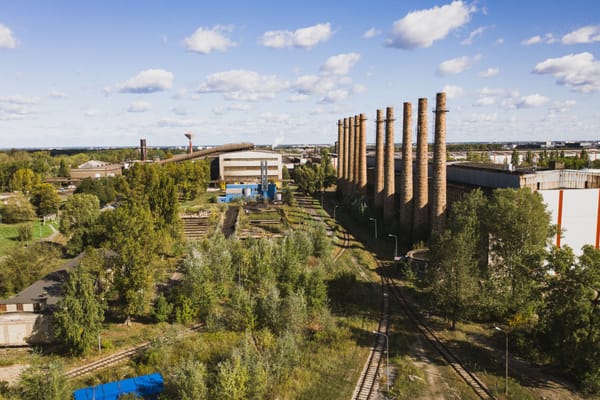
Politics
Volkswagen Faces 100,000 Job Cuts: Is Germany’s EV Dream Crumbling?
Deep in the heart of Germany’s industrial belt, a quiet storm is brewing. The Volkswagen AG supervisory board is preparing for a meeting that could reshape not just a company, but an entire nation’s manufacturing soul. Four German factories may close. Up to 100,000 jobs could va…
Read More...
Politics
Are Mandatory iPads in Irish Schools Worth the Cost? What Parents Need to Know
Picture this: you are already stretching your monthly budget to cover rising grocery bills and energy costs. Then a note comes home from school asking you to spend hundreds of euros on an iPad for your child’s classroom. For families across Ireland, this scenario is becoming inc…
Read More...
Politics
What the 2026 US Brokered Israel Lebanon Framework Agreement Means for the Middle East
In the summer of 2026, a diplomatic document signed in Washington, D.C., has set the Middle East ablaze with debate. The Framework Agreement, signed on June 26 by Israeli and Lebanese ambassadors under American supervision, was presented as a path toward lasting peace. Instead,…
Read More...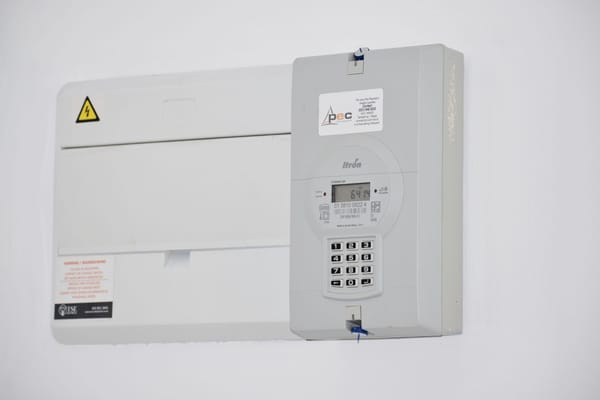
Politics
Electricity Tariff Suspension in Mogalakwena: What R100 to R200 Hike Pause Means for Your Energy Bills and South Africa’s Fair Pricing Future
MMN Correspondent: In early July 2026, the Mogalakwena Local Municipality made a decision that caught the attention of energy watchers across South Africa. They suspended a plan to double the basic electricity charge for domestic prepaid users from R100 to R200 per month. For a…
Read More...
Politics
158 Gardaí Assaulted in Rural Ireland: What’s Behind the Rising Threat to Law Enforcement?
Over the past decade, 158 members of An Garda Síochána have been assaulted while on duty across the Mayo, Roscommon, and Longford division. That’s not just a number. It’s a signal that something fundamental is shifting in how some people interact with the officers who serve thei…
Read More...
Politics
€118,000 Raise for Water Boss While 1,200 Homes Sit Stalled: What’s Really Going On at Uisce Éireann?
Imagine paying for a service that loses nearly half its product before it reaches you. Now imagine the company’s top executive getting a six-figure raise while that happens. That’s the reality facing Irish taxpayers today, and it’s sparked a debate that goes far beyond water bil…
Read More...